The Lotus Flower
Eknoor Thind
The Chick Rice Award for Excellence in Photography — Winner
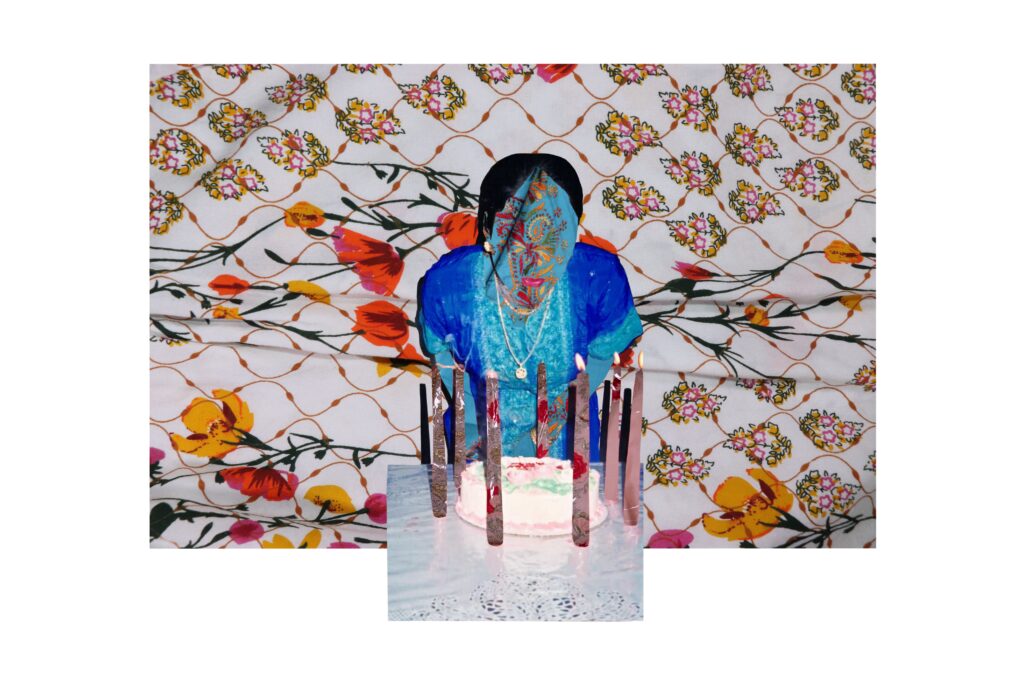
Fabrications: In Bloom
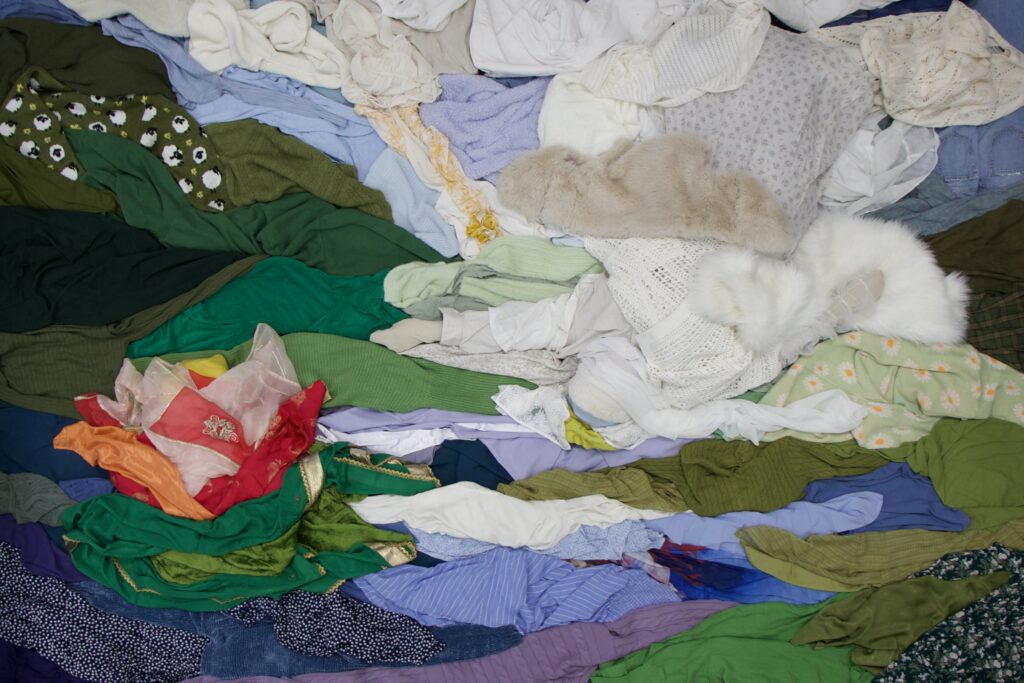
archival inkjet print mounted onto dibond
40″ x 50″
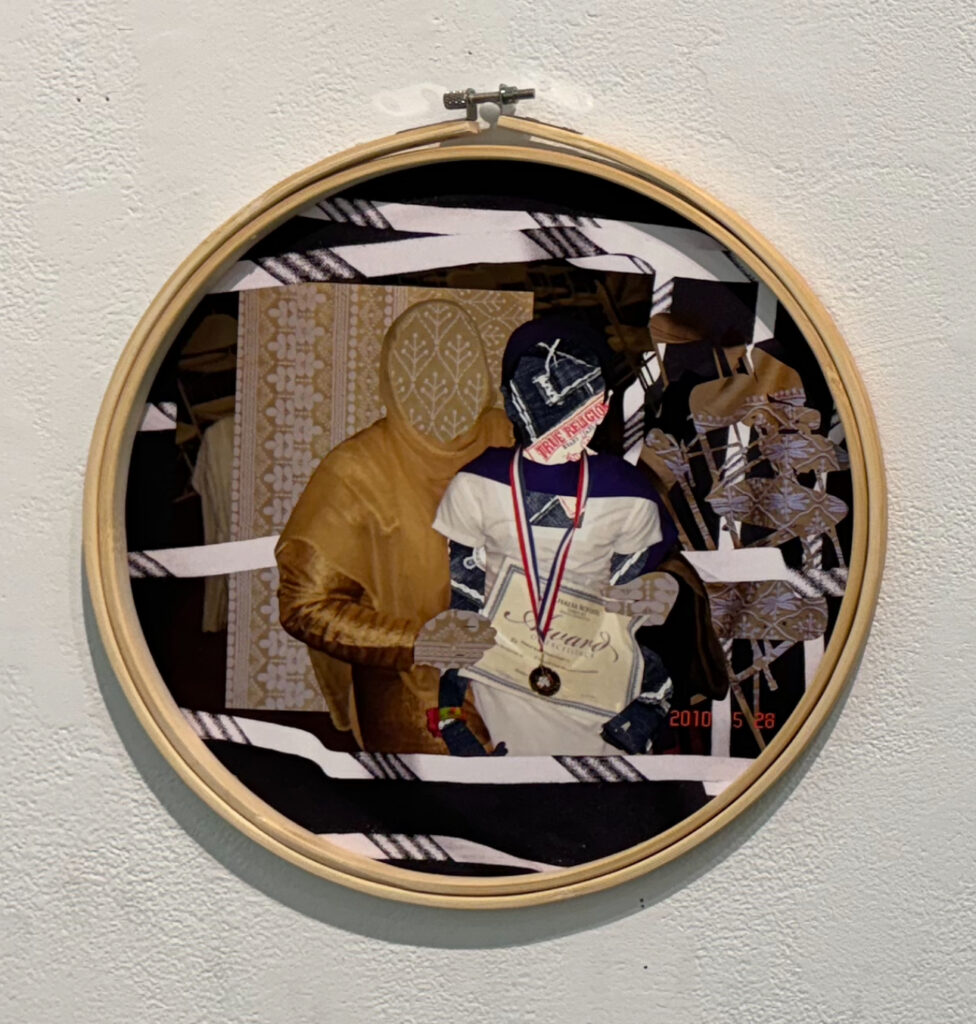
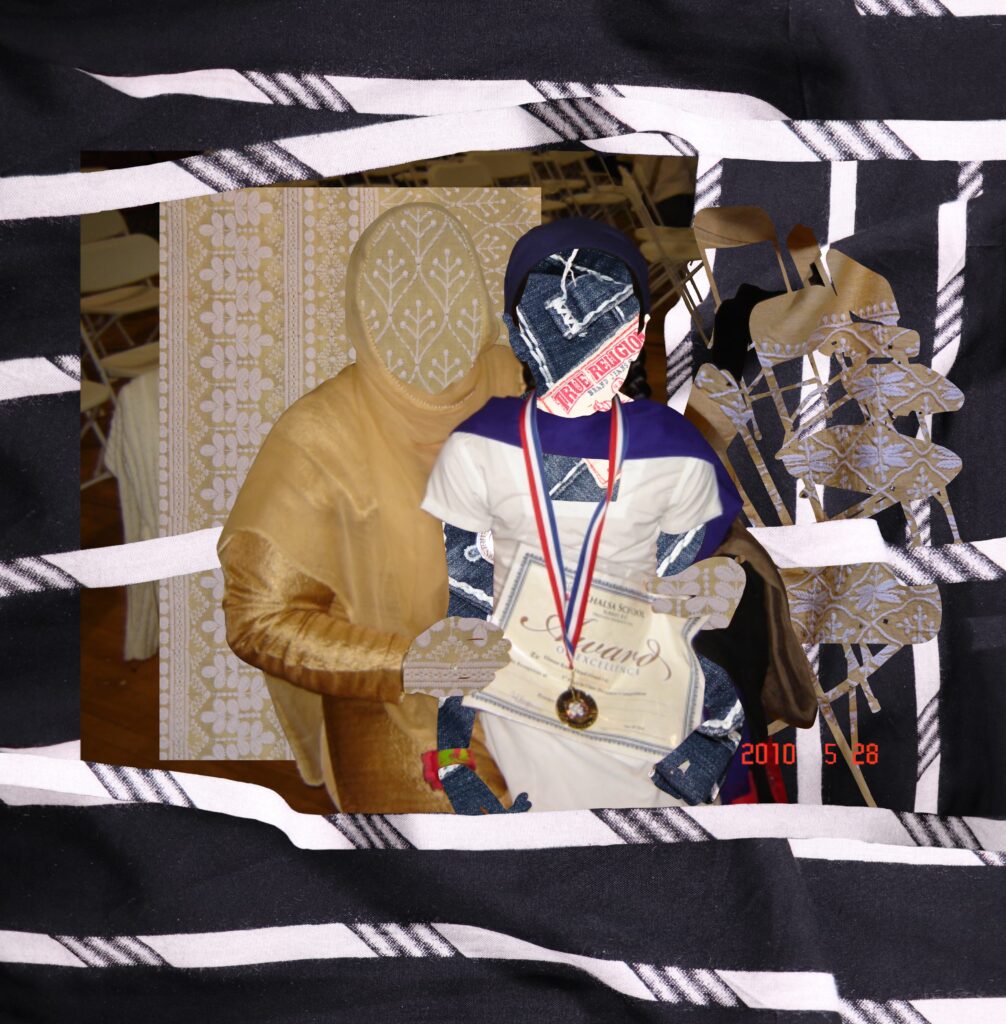
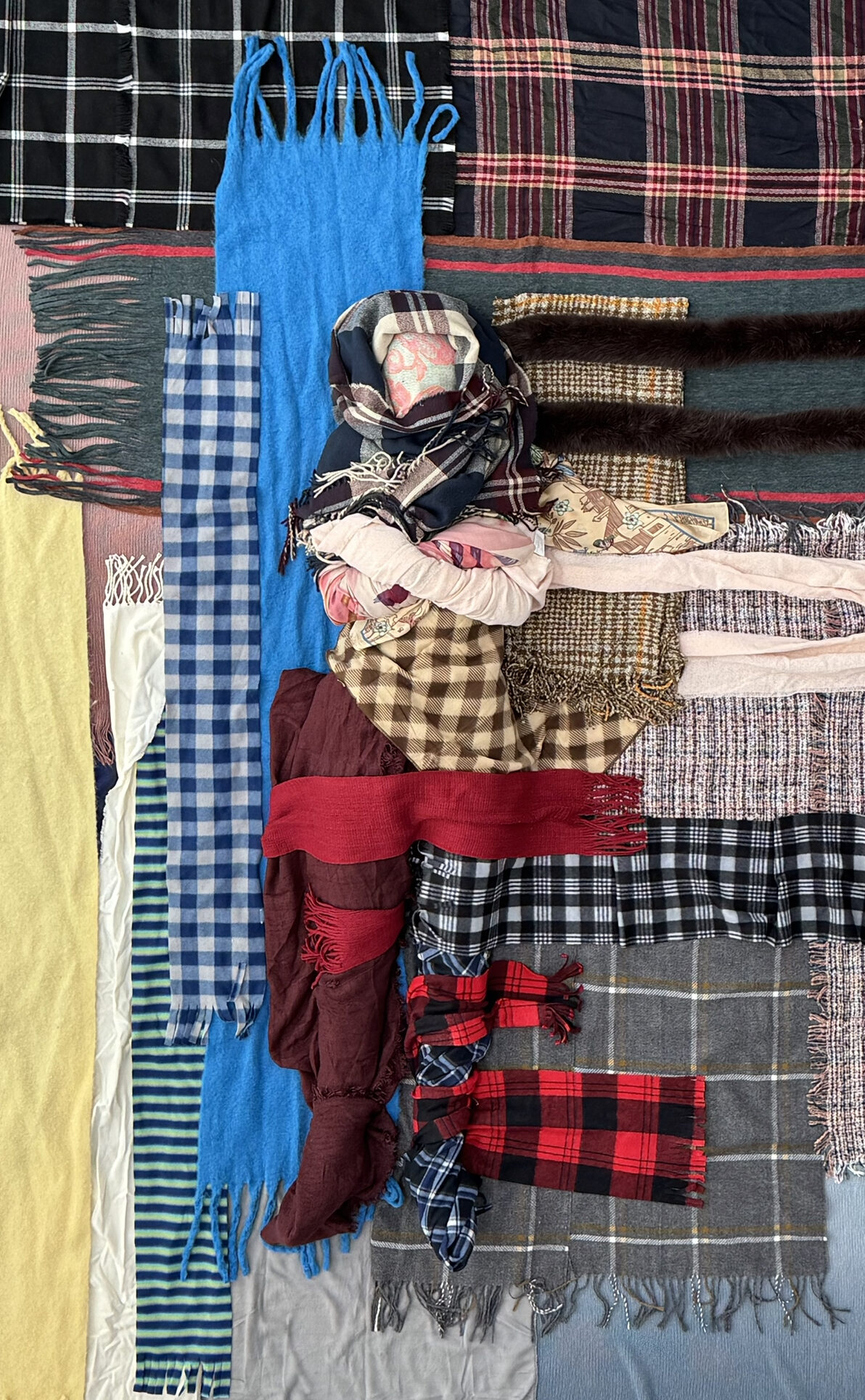
The series, Fabrications, questions how we perceive ourselves through textiles, and how clothing becomes a symbol of belonging and history. As a second-generation immigrant, learning to balance two separate cultures is a constantly shifting and challenging experience. Through diptychs and single images, these photographs reflect the experience of navigating the space between two cultures—or rather being consumed by one. By enveloping the subject within these fabrics, the body is transformed and reduced to a ghostly presence, speaking on identity and perception.
The complexities of these “dual” personalities continuously take form in everyday occurrences, everything becoming a stamp or marker for identity. The use of two culturally different textiles speak on this tension between struggling between these two vastly separate identities. The “western” fabric is often characterized as impersonal, mass-produced, and rooted in a culture of consumerism. Whereas traditional Indian garments hold more sentimental value and involve more craftsmanship. Regardless, either way the body remains abstracted, their individuality dissolved into the fabric itself.
These images question how external markers can shape our perceptions, and our sense of self. It speaks on how identity is concealed and fragmented, leaving the body to become an absent presence.
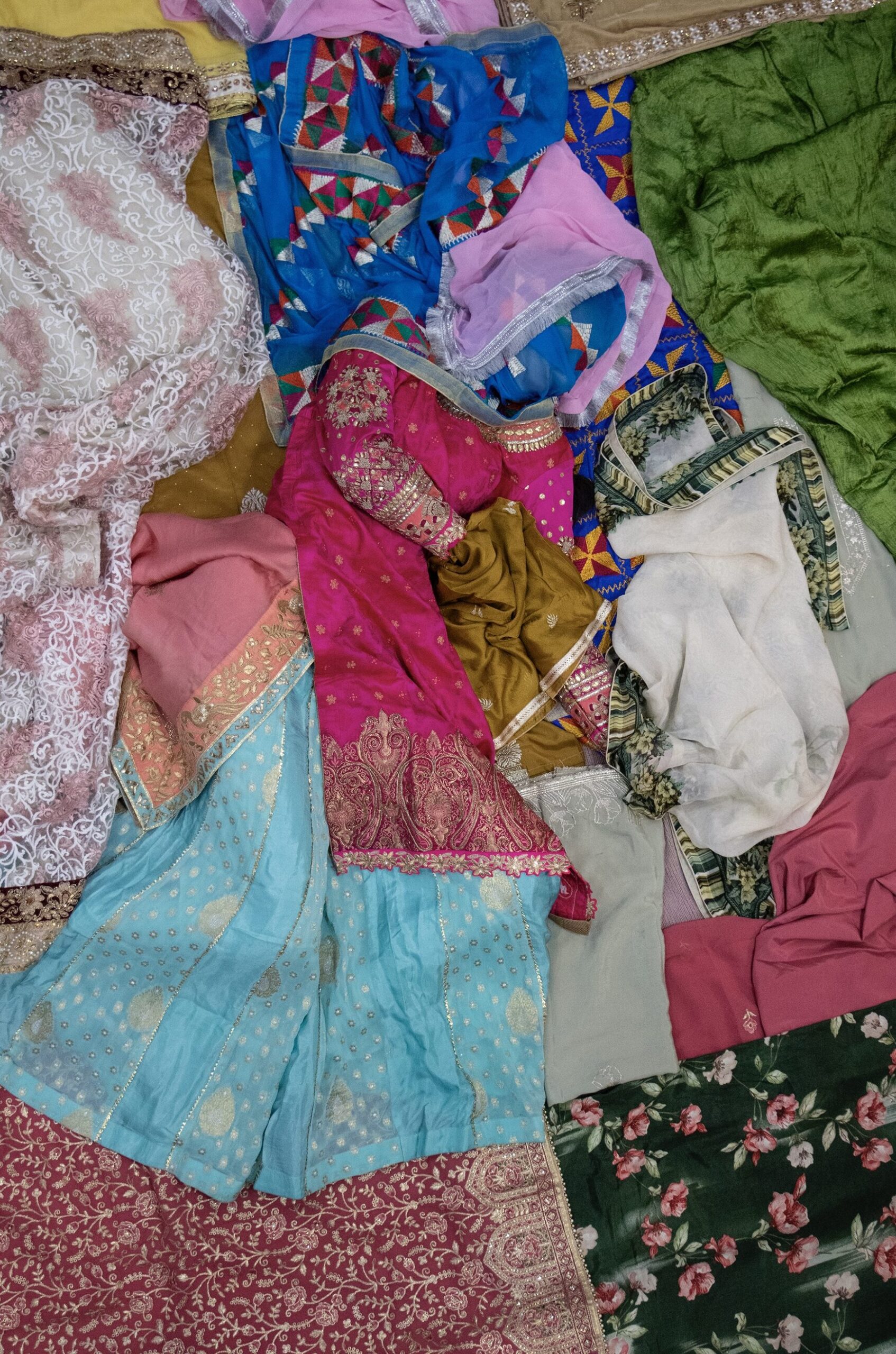

Fabrications #1, (2025)
archival inkjet print mounted onto dibond
23″ x 34.5″
Fabrications #2, (2025)
archival inkjet print mounted onto dibond
23″ x 34.5″
This diptych was recently part of the Capture Photography Festival x Emily Carr University exhibition and featured in the 2025 Capture Photography Festival catalogue.
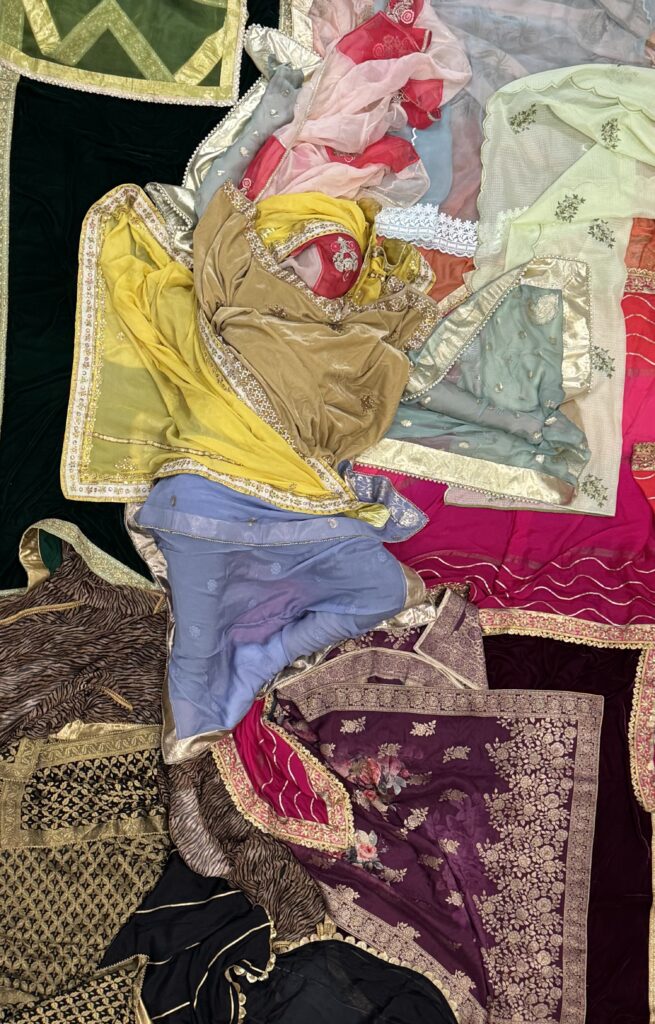
Chunni, (2025)
Scarves, (2025)
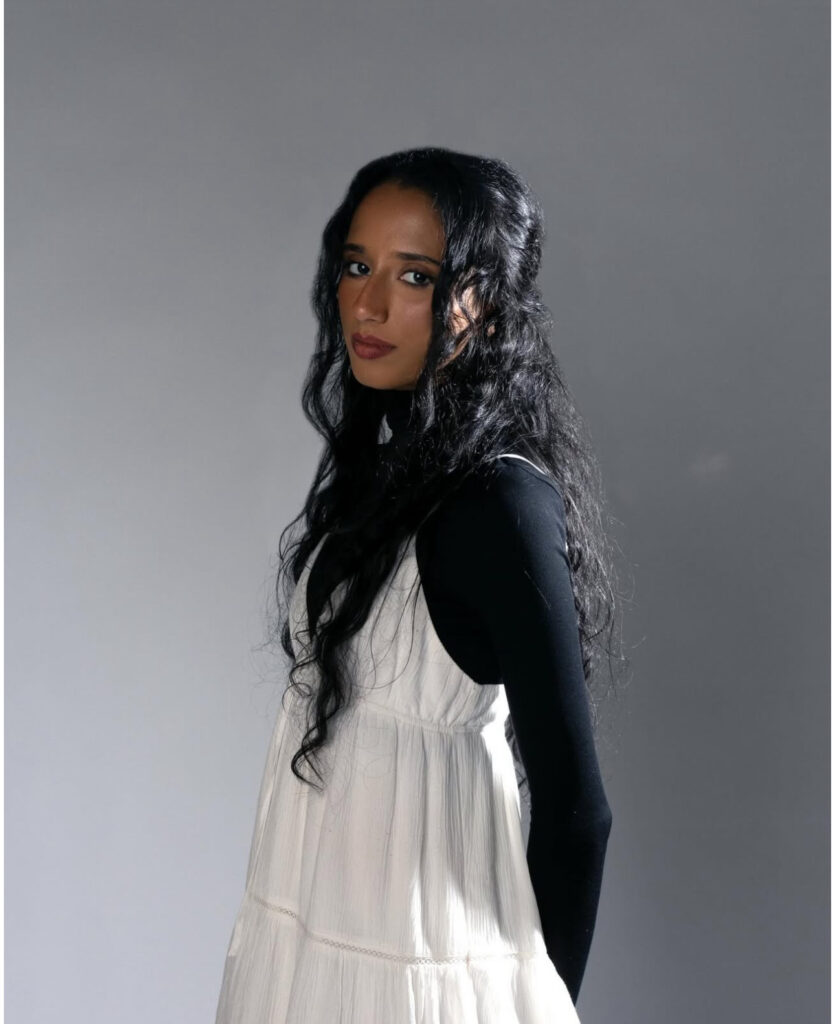
Eknoor Thind is a Punjabi Canadian artist who works with lens-based media to challenge the
boundaries of perception and identity. Primarily working outside of the studio, she often draws
inspiration from fabrics and textiles, and how they become culturally significant and
insignificant. Studying the materials through this cross-cultural lens, Thind explores the
contrasts between mass production and the sentimental object. She blends elements of the
surreal by emulating painting techniques—abstracting reality to emphasize, conceal, and
distort identities.
Homebodies, (2024-2025)
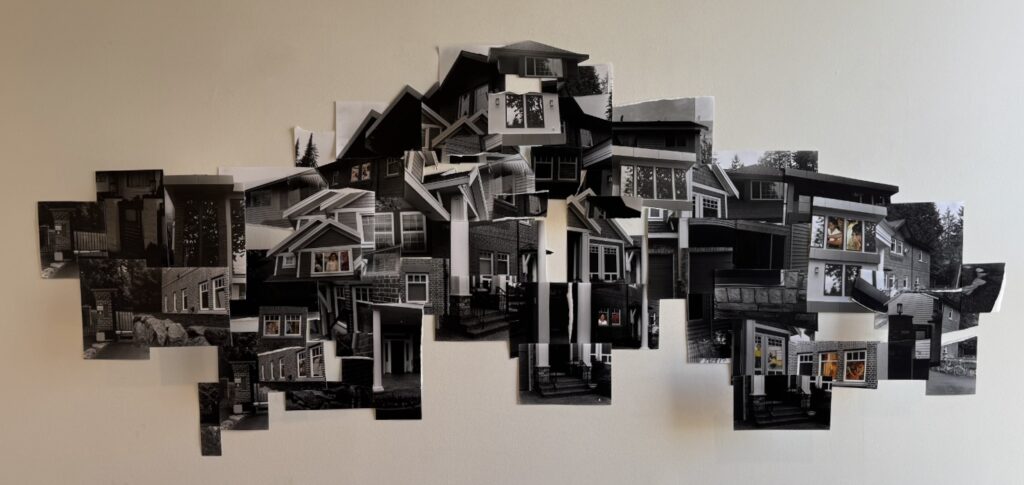
analogue prints
archival inkjet prints
door nails
40″ x 80″
Documentation currently still in progress.
Currently featured in Piggybacks Through the Living Room, part of the selected exhibitions in the 2025 Capture Photography Festival.
Homebodies is a photographic installation using analogue and digital prints, that examines the fragmentation and shifting nature of memory and space. The slow, meticulous process of piecing together a collage mixed with the labouring process of analogue parallels the nature of remembering: layered, abstract, and in pieces. Using nails, the photographs come off the wall, furthering this layering of memory through blending two-dimensional and three-dimensional spaces. The images are of homes I have once lived in, now reimagined into this monument of memory. The photographs were taken based off of what I could remember about these spaces. The clearer the memory, the more repetition and emphasis is found with those images. The windows serve as literal portals into this archive of home—connecting the interior to the exterior now stitched together in memory. Home, here, is not fixed, rather built from these fragments—both real and remembered— stitched together to form a single, imagined home.
My Phulkari, (2024)
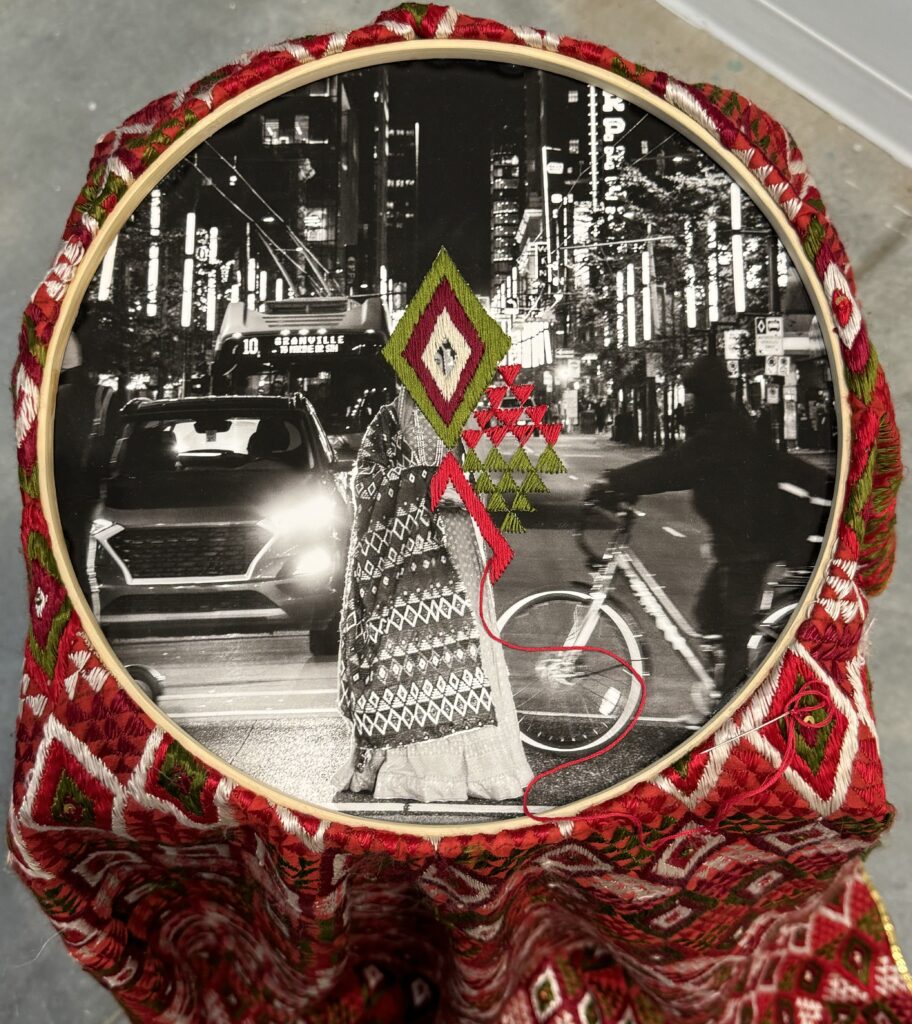
archival inkjet print
phulkari
embroidery thread
embroidery hoop
needle
14″ x 14″ x 35″
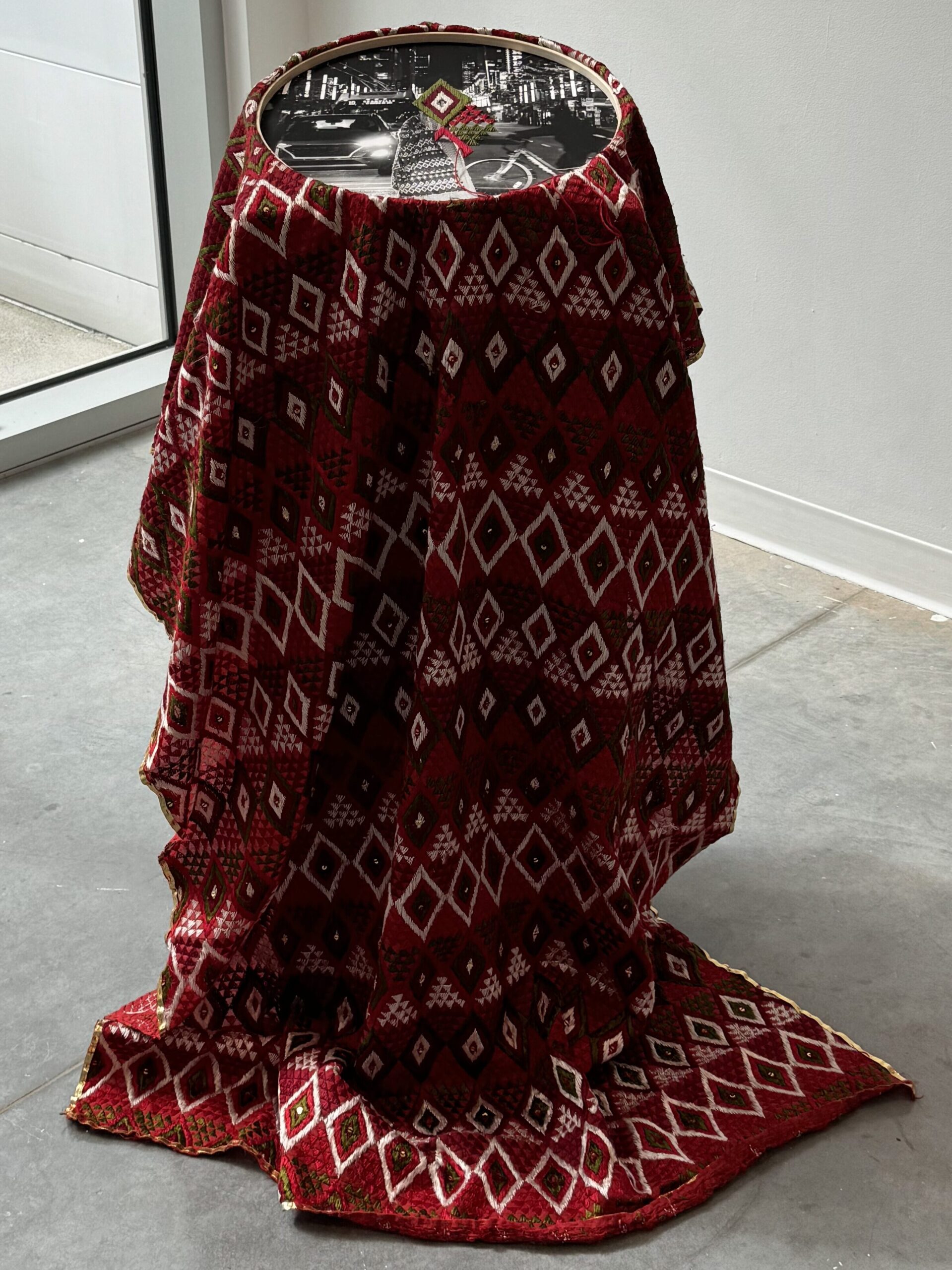
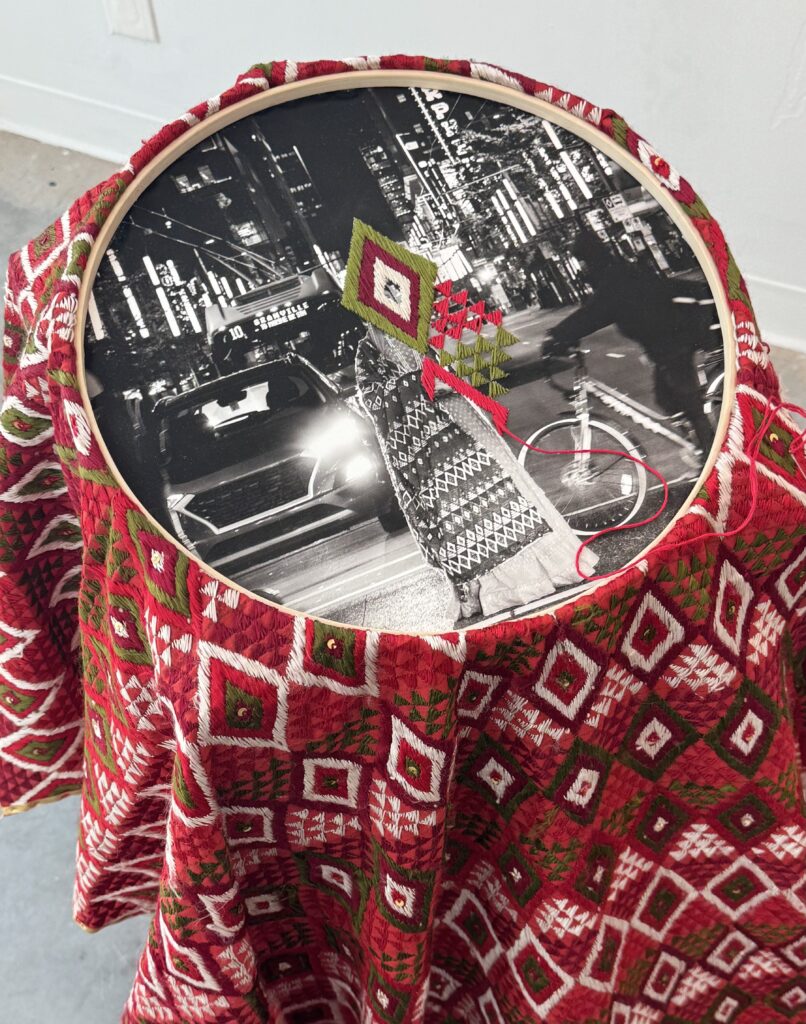
The photographic installation, My Phulkari, consists of a 14” x 14” black and white photograph, framed in an embroidery hoop onto a phulkari, specifically one that was gifted to my mother during her wedding. Within the staged photograph is myself, dressed in traditional Punjabi clothing standing amongst traffic in downtown Vancouver.
A phulkari is an embroidered dupatta that is created using a single stitch . Traditionally, when a daughter is born into a family, the mother and grandmother start embroidering the fabric with intricate patterns of flowers, and geometrical shapes. Eventually, by the time of her wedding, they will complete the phulkari, which she will then wear. It was considered to be good luck to have a girl born into the family, because she was seen as the creator of future generations.
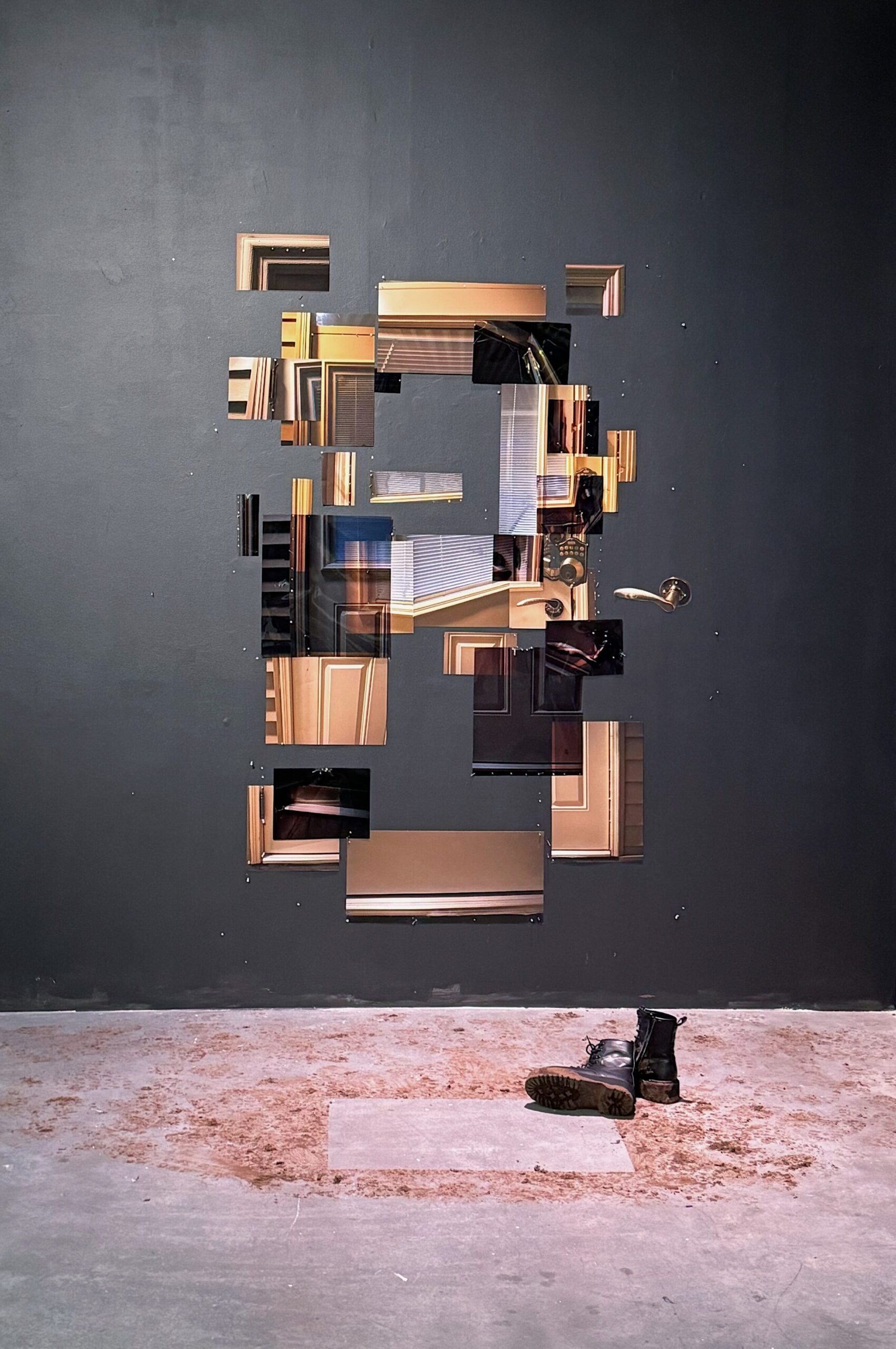
Entrance, (2024)
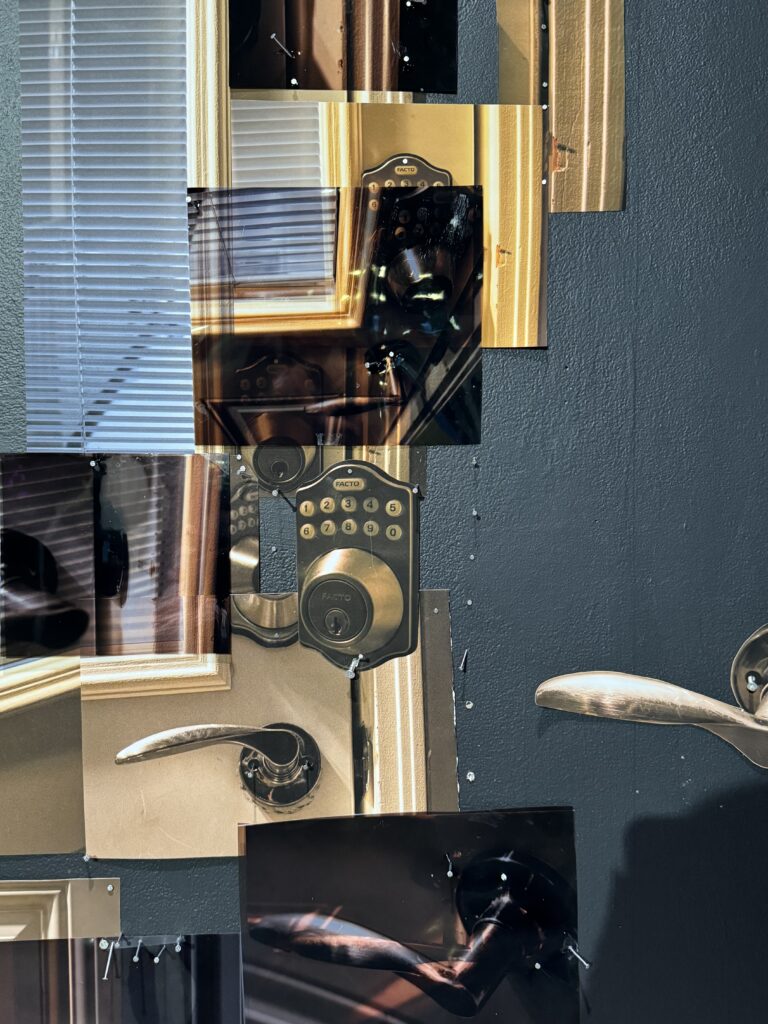
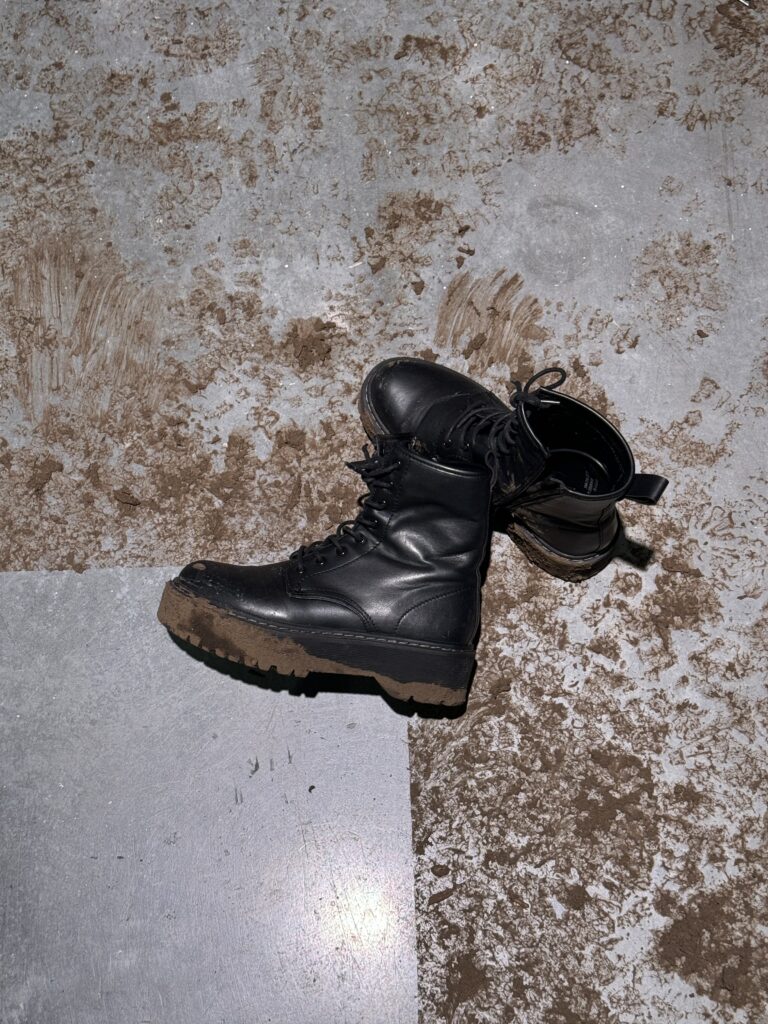
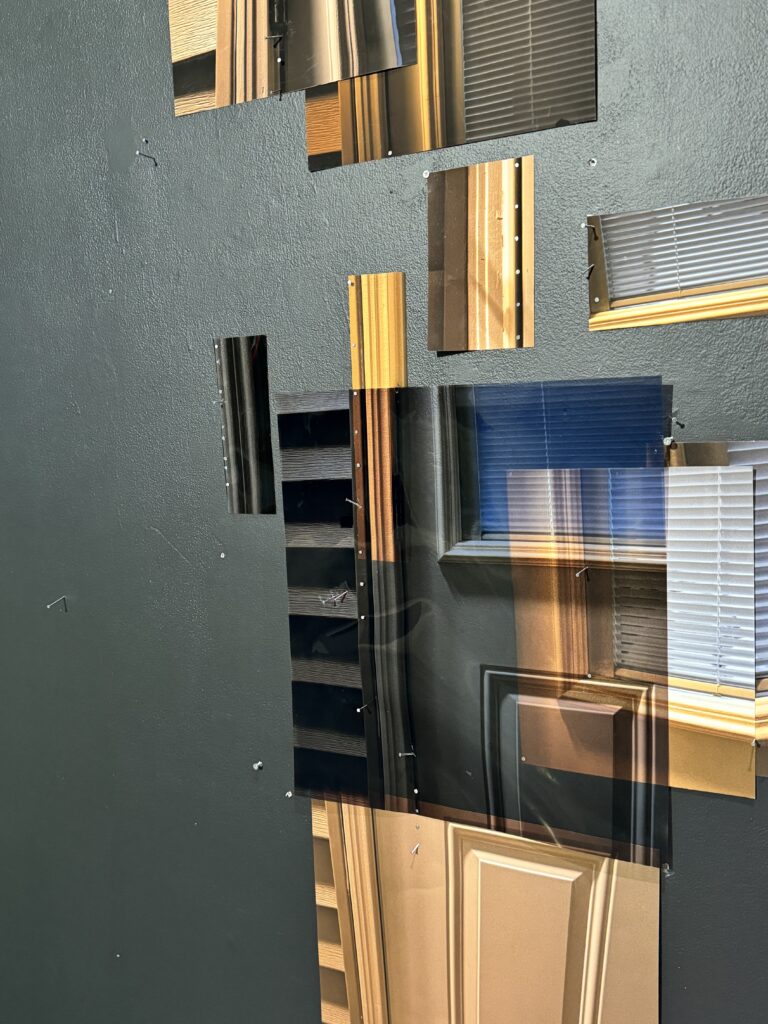
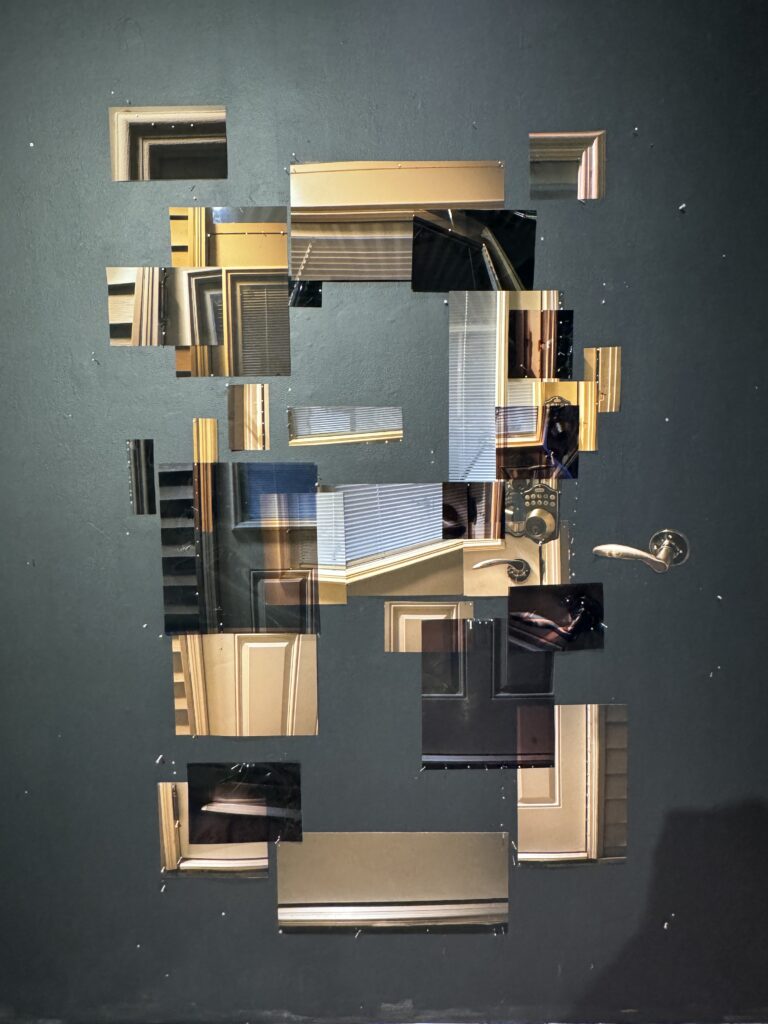
archival inkjet prints
transparency prints
door nails
mud
boots
Entrance is an immersive photographic installation focused on memory and space. It speaks on the idea of spaces that we can no longer access, and how doors can become portals for nostalgia.
Vanity, (2024)
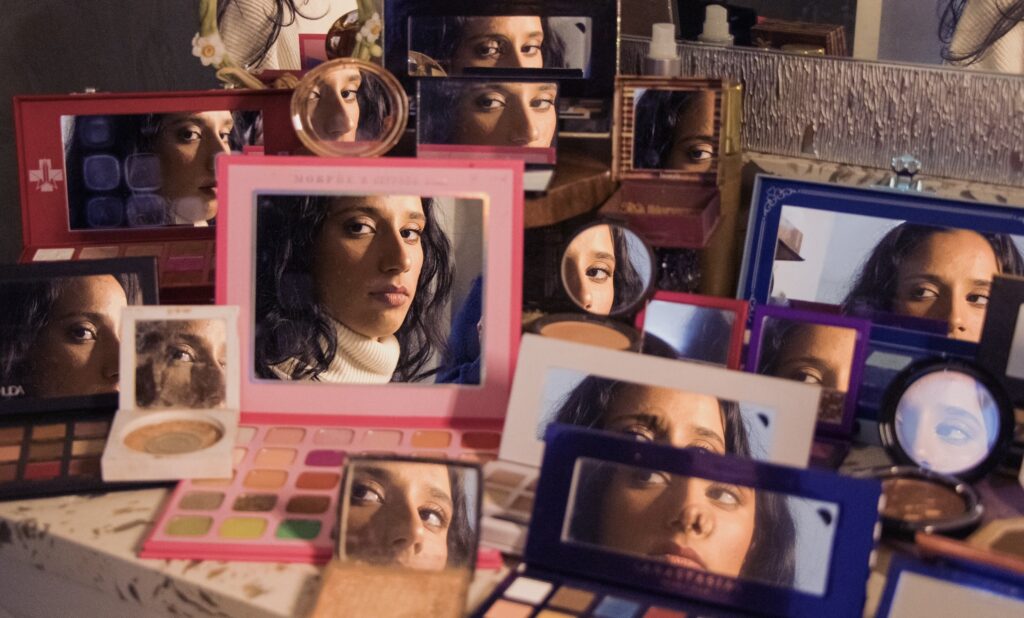
Exploring the way a single image can mimic a collage. Examines hyper-femininity and the mass-production of superficial consumeristic products.
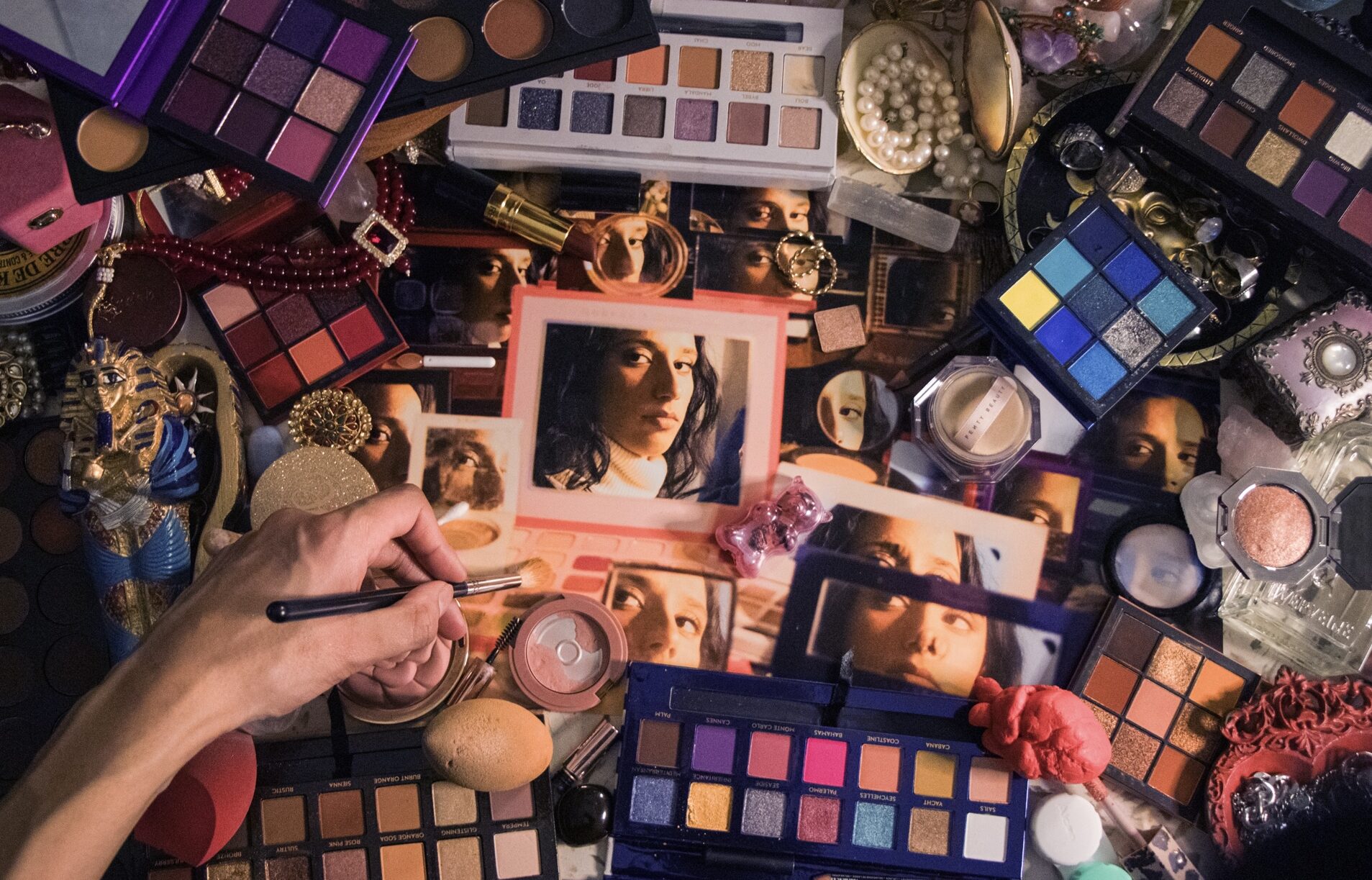
Vanity (screenprint), (2025)
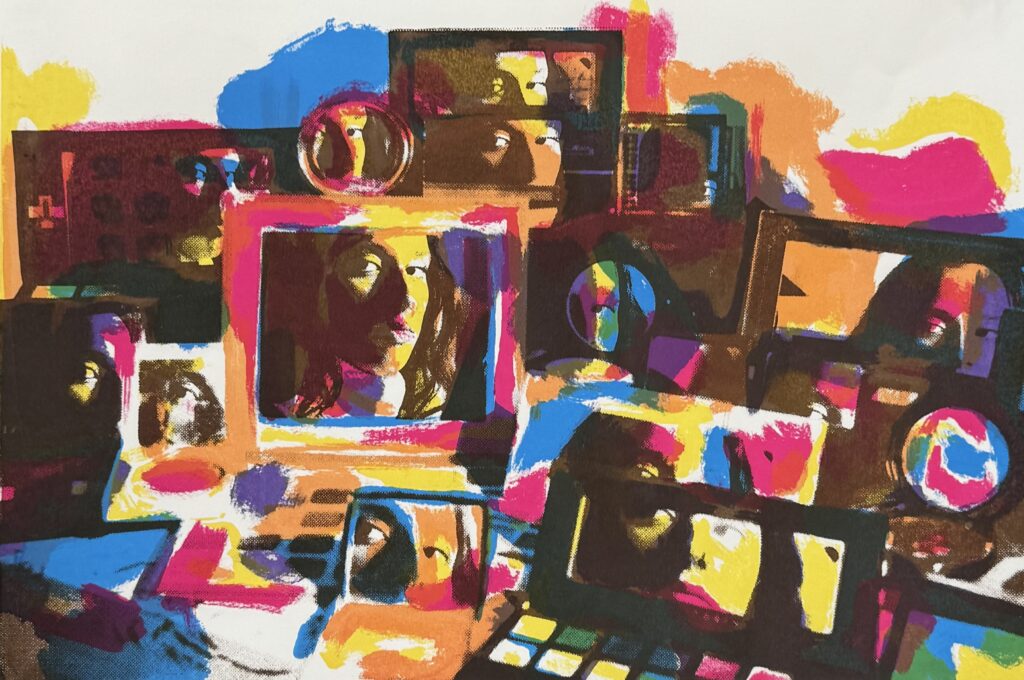
edition 1/6
silkscreen print on Stonehenge
(6 layers)
14″ x 17″
Untitled Projects