Fresh Spark
Xi Qiu
See it On Campus: Level 2
In an era characterized by rapid technological advancement and competitive environments, the presence of anxiety and depression in younger generations is becoming more pervasive in North America (The Annie E. Casey Foundation, 2021). This may manifest in feelings and behaviours related to apathetic attitudes and isolation, which delimit everyday in-person social interactions. Consequently, this phenomenon of increases in the intensity of anxiety and depression may impact social and familial relations that create tension from emotional strain to potential for growth among young people. Anxiety can be rooted in many forms, for example, the pervasive use of social media has resulted in the potential for teens to be immersed in or exposed to social interactions twenty-four hours a day, seven days a week. Simultaneously, researchers of emotional challenges have noted a decrease in youth resilience– “the capacity to adapt and navigate through adversity while continuing to function reasonably well and also learning from it.” (Hone, n.d.).
According to the report authored by Harvard Graduate School of Education’s Making Caring Common (2024b)1, young adults report significantly higher rates of anxiety (36% vs. 18% of teens) and depression (29% vs. 15% of teens). Particularly, many research have shown that smartphone and social media use can lead to the increase in mental distress, self-injurious behaviour and negative thoughts among youth. According to Abi-Jaoude et al. (2020), the effects of screen activities have been “correlated negatively with self-reported happiness, life satisfaction and self-esteem”. Social media use can create benefits among youth such as perceiving social support and news, however, an unbalanced and excessive use can also pose drawbacks. Therefore, there is an emphasis on interventions and strategies to help young people navigate the challenges and harms in order to maximize these benefits while safeguarding their mental health (Abi-Jaoude et al., 2020).
Exploring the Role of Communication Design in Supporting and Enhancing Emotional Wellness in Youth
How can I use design practice to encourage mindfulness and empathy amongst youth? How might design in a mindful approach help young individuals develop better balance?
In combining auto-ethnographic reflection of my design-based practices and interviews, my research showcases a collection of explorations to leverage the power of visuals through a mindful and empathetic lens, which, in turn, can amplify physical sensations, uplift emotions, and promote a healthier mindset. Furthermore, this study champions the role of communication design in fostering an environment that promotes mindfulness, alleviates anxiety, enhances positivity and cultivates stronger resilience among individuals. Whether this be through colours that trigger us, the shapes that calm us, or the spaces that support us––design has the capacity to resonate with us. It empowers us to feel balanced and immersed, which in turn, encourages us with varying sensations that may affect our emotional states.
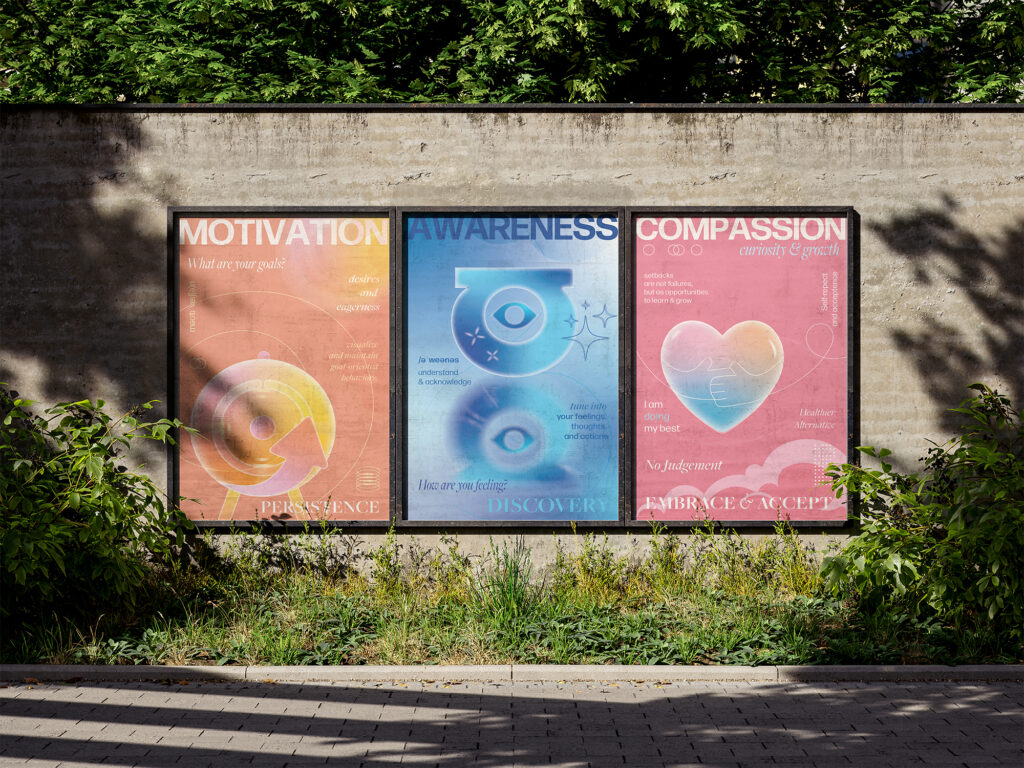
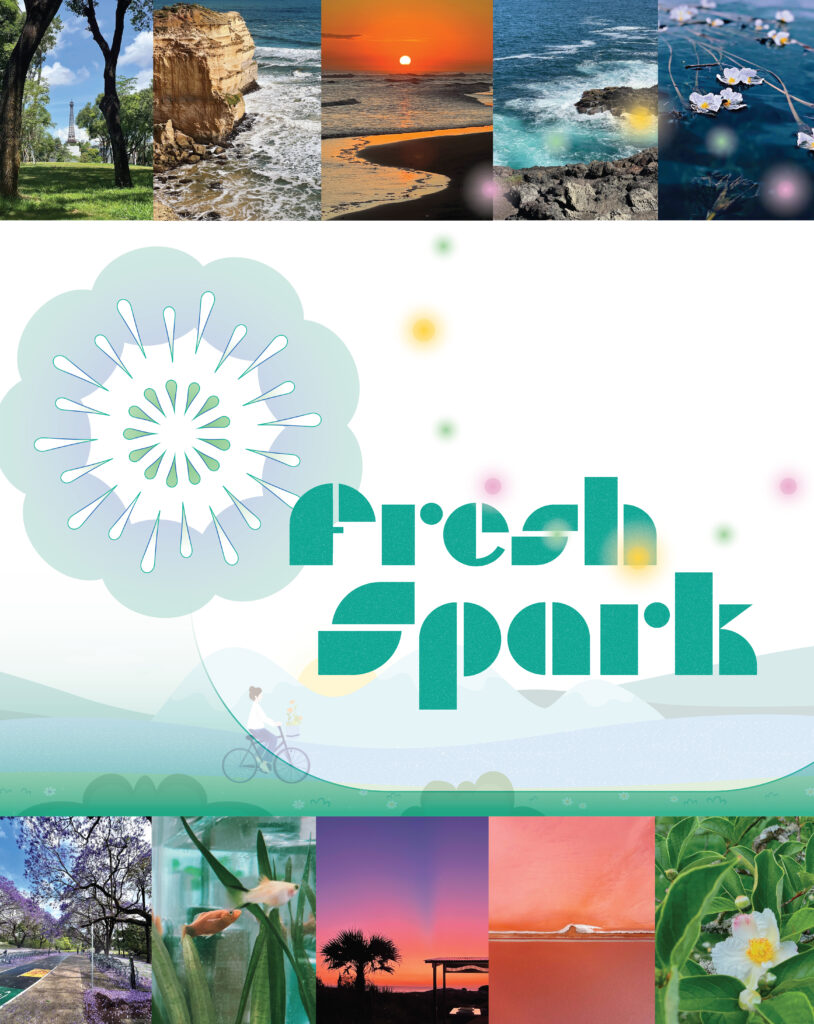
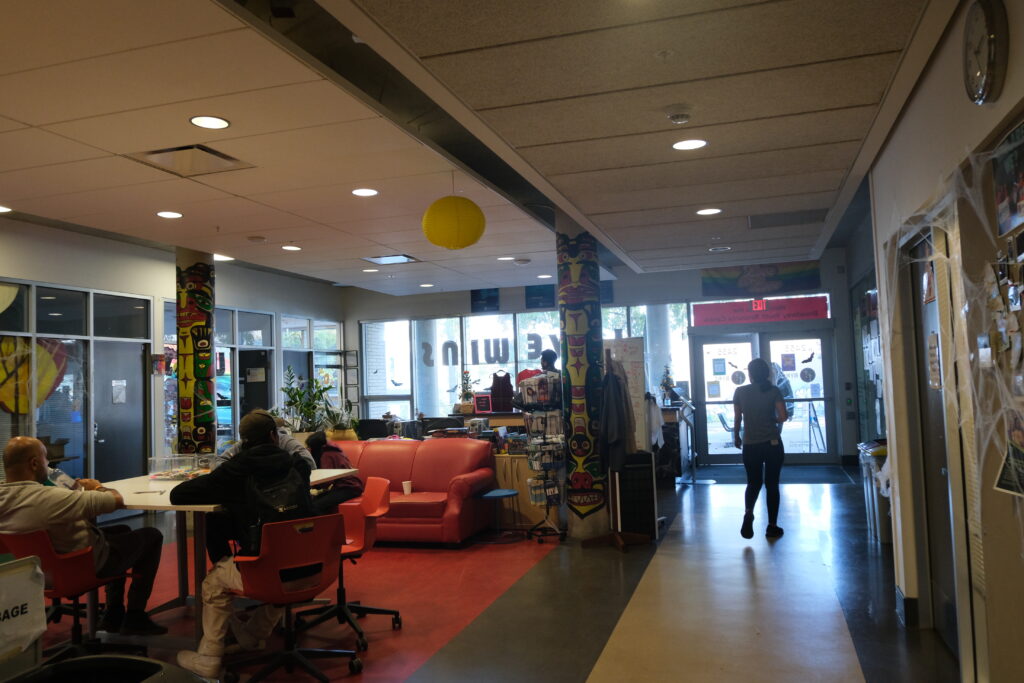
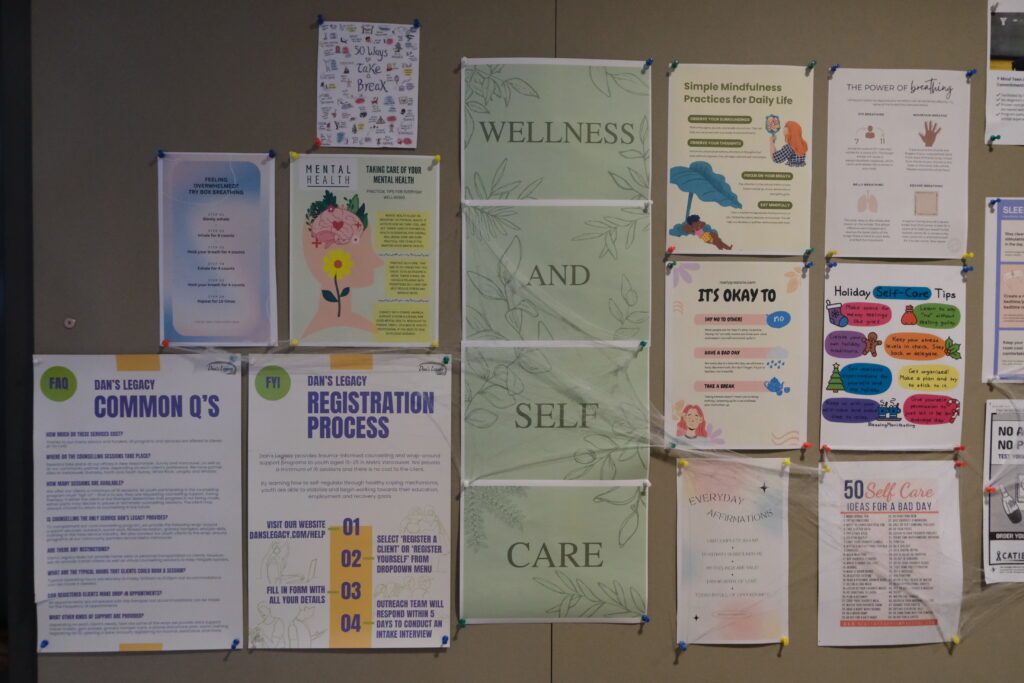
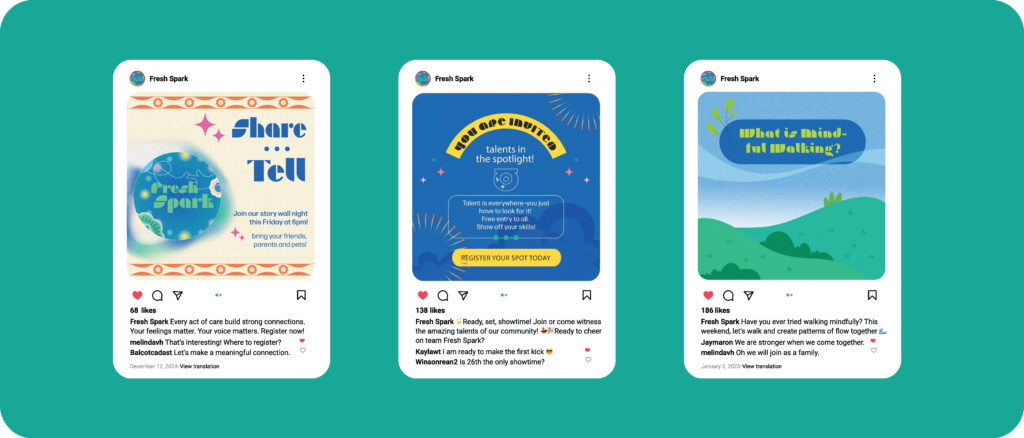
Fresh Spark, began as a wellness campaign concept including environmental and digital design components, tailored for integration within local communities and neighbourhoods. This wellness campaign collection was designed to embody the positive attributes of self-growth that encourage and inspire youth in prosocial actions and behaviours. The creation process was inspired by my site visit to Broadway Youth Resource Centre (BYRC), where I met with Jas, who is the administrator of the Resource room. BYRC is one of the Vancouver youth service providers for social, health, education and housing, substance use support, employment and life skills services. Jas highlighted their efforts in mapping out the centre to enhance social bonds, which in turn can foster closer proximity and strengthen the sense of belonging and security among individual youth. Many young people have been actively participating in their programs and social events, thereby building competence and establishing pro-social norms while actively engaging in the community. He also highlighted a great amount of youth nowadays continue to experience downsides in society. The emotional wellness of youth is not only dependent on meeting basic daily needs, such as food, shelter, security, and hygiene, but also on the presence of supportive adults, access to resources that offer appropriate support, and the provision of quality care and supervision.
How might I leverage design tools to empower individuals living in challenging environments where access is restricted to open resources?
This recalls my interview visit with Ms. Jang, a high-school art educator dedicated to teaching youth art and design. Through open-ended questions and conversation exchange, I asked Ms. Jang about her insights on monitoring emotional challenges in students in a classroom setting. Ms. Jang emphasized the significance of fostering self-efficacy through scaffolding and personalized instructions. She believed that effort from teachers, parents and social workers each comes into play. Social workers collaborate to create positive outcomes and environments. Anxiety among students was also addressed during the interview, particularly their reliance on technology. Ms. Jang pinpointed the fact that the young generation has things so easily available and accessible, which sometimes limits their abilities of learning alternative ways of doing things. As Haidt (2024) mentions, digital under-protecting is leading to addiction in the young generation, coinciding with the rise in anxiety and depression, while struggling to handle setbacks in part of everyday life. Whether helping students find joy and intrinsic motivation in creative pursuits, as exemplified by one of her students, or fostering an open-minded mindset to embrace new challenges and experiences, Ms. Jang paved an empathetic path to understanding the needs of the youth she deeply cares for.

Building Fresh Spark’s Personalized Care Kit, I drew inspiration from the ideas of Aesthetics of Joy (2025) by Ingrid Fetell Lee, a designer and author dedicated to discovering greater joy in our surroundings through design. As highlighted by Ingrid Fetell Lee, she believes that “focusing on joy is more accessible because it is visceral and measured in small moments, allowing for deliberate creation of joyful experiences”. This concept revolves around the persona of Amelia as an illustrative example.
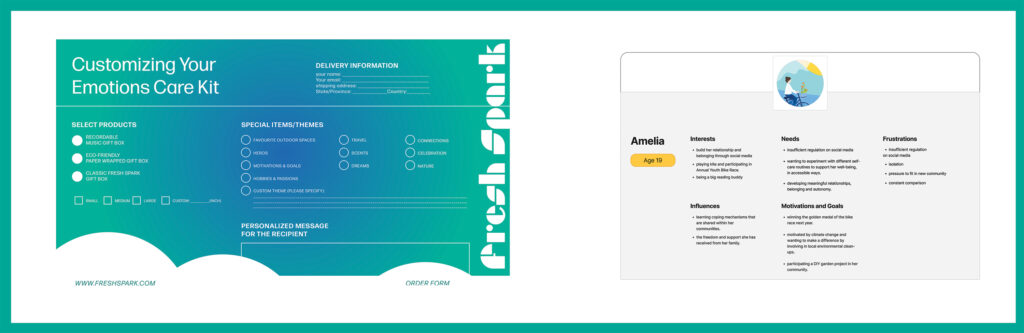
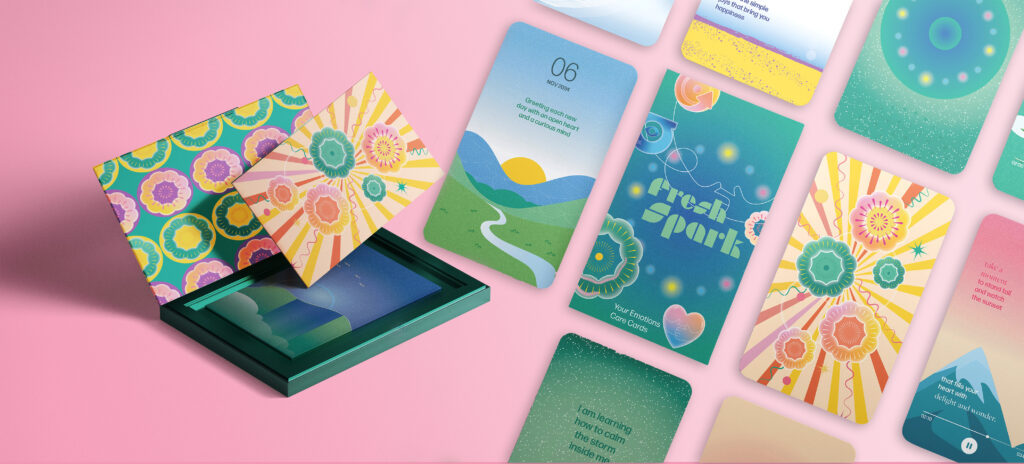

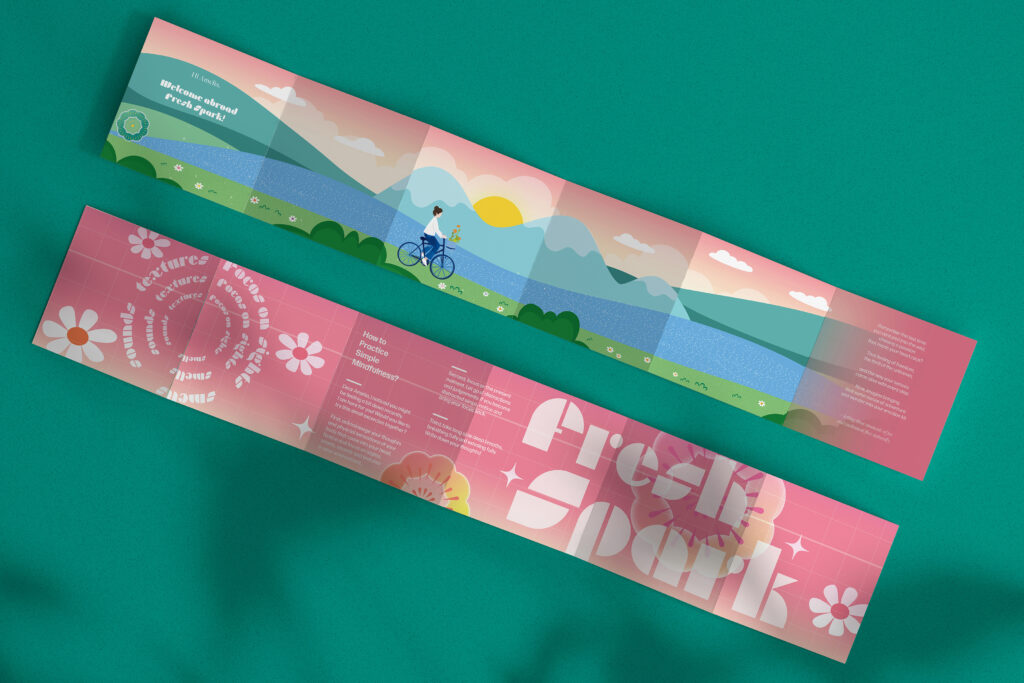
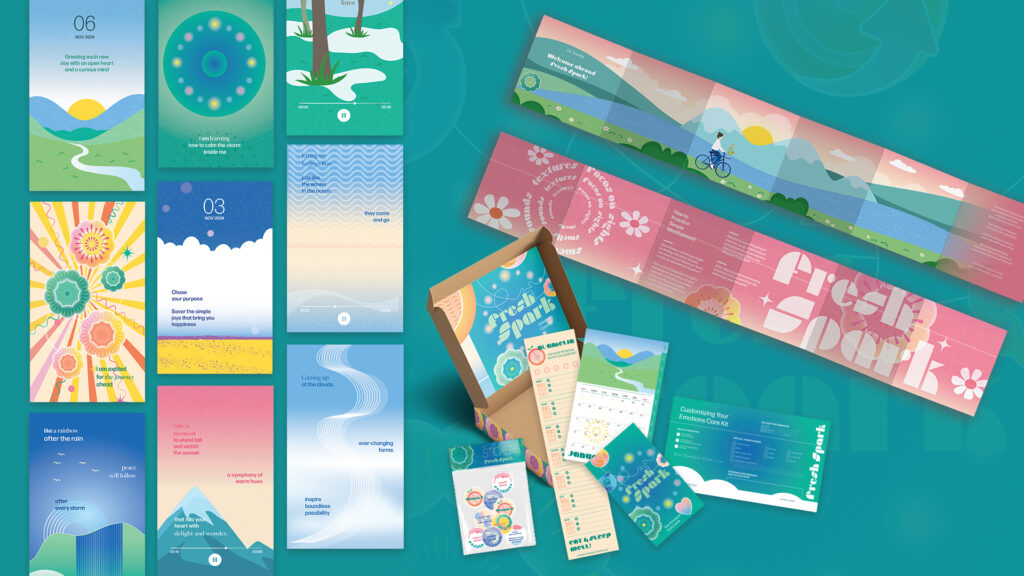
Fresh Spark offers me a framework to design a customized care service tailored to Amelia’s motivations and goals. By engaging with her emotional care kit received from Fresh Spark, in the quiet moments of reflection, this toolkit serves as a collection of joyful and mindful practices that inspires Amelia to navigate distress while shifting her focus towards a more mindful approach.
This project motivates users to incorporate physical tools into their daily routines, moving away from digital dependencies and integrating meaningful actions into their everyday lives. Design tools include an array of nature-inspired imagery, nature soundscapes, social stamps and mindfulness exercises for mood enhancement, to promote shifting towards a healthier mindset.
References
Abi-Jaoude, E., Naylor, K. T., & Pignatiello, A. (2020, February 10). Smartphones, social media use and Youth Mental Health. CMAJ. https://www.cmaj.ca/content/192/6/E136
Adams, T.E., Ellis, C. and Jones, S.H. (2017). Autoethnography. In The International Encyclopedia of Communication Research Methods (eds J. Matthes, C.S. Davis and R.F. Potter), 1-11. https://doi.org/10.1002/9781118901731.iecrm0011
Au, I. (2018, May 31). Mindfulness practices for greater focus, empathy, and creativity. Medium. https://medium.com/design-your-life/mindfulness-practices-for-design-9f8b7f1af047
Cashin, A. (2024b, July 23). On edge: Understanding and preventing Young Adults’ mental health challenges. Making Caring Common. https://mcc.gse.harvard.edu/reports/on-edge
Haidt, J. (2024). The anxious generation: How the Great Rewiring of Childhood Is Causing an Epidemic of Mental Illness. Penguin Random House.
Lee, I. F. (2025, March 5). The Aesthetics of Joy. https://aestheticsofjoy.com/
The Annie E. Casey Foundation. (2021, March 4). Generation Z’s mental health issues. https://www. aecf.org/blog/generation-z-and-mental-health