Collecting With/In the Pluriverse: Lively Collecting as Creative Research Method
Morgan Martino
See it On Campus: Level 2
Come find my work by the doors to the Aboriginal Gathering Place (AGP)
Visitor Info
Collecting With/In the Pluriverse explores how designers currently can and do use collecting within their practice, with a specific focus on the creation and stewardship of informal collections as a creative research method within the design process.
Introduction
Collecting has been a constant activity that mediates how I experience, understand, and relate to the communities I am a part of, including the world of design.
It is in these ways that I see collecting as a powerful, world-making act.
In my research, I explore how designers currently can and do use collecting within their practice, with a specific focus on the creation and stewardship of informal and marginal collections as a research method within a design process. I propose a framework—which I call “Lively Collecting”—for developing more thoughtful, caring, and wide-ranging collecting practices. I demonstrate this framework by collecting, responding to, and creating with everyday designed artifacts.
My project asks:
How can collecting become a deeper, more valuable part of creative research?*
* What are the ways in which collecting expresses acts of curiosity, care, passion, and intrigue, bringing attention to overlooked and under-appreciated aspects of life?
* How might we sense-make, develop patterns, and tell stories through the acts of sorting & arranging collections? How do we share agency in this process?
* How might collections help artists and designers hold multiple interpretations and experiences in mind, in ways that foster relationality and interdependence?
To answer these questions, I used a combination of research and practice to develop insights into the power of (lively) collecting as a creative method within design. This included researching other artists, designers, and creatives whose engaged in lively collecting practices, and developing my own lively collections supported through my creative practices.
Key Concepts
Liveliness
Pluriverse
Understanding objects as lively; something more than inanimate, changes how we care and engage with them as designers, collectors, and caretakers. The liveliness of things can be seen in the ways they exert agency in the relationships they are a part of.
As curators Lizzie Muller and Caroline Seck Langill argue, “Recognising the quality of liveliness in things is a way to work against the habit of separating out life from matter, of believing humans to be central actors in a story of doing to rather than doing with”.
A lively collection, then, is made up of the relationships between lively things, and becomes animated through those relational interactions.
Originating within South American indigenous communities such as the Zapatistas, the pluriverse is a world of many worlds which coexist and interrelate with each other. The pluriverse offers different ways of living outside of the centre of modernity, and has become an increasingly popular concept for designers interested in moving away from universal, “one world world” approaches to their practices.
I see lively collecting as a practice that can support multiple worlds and ways of existing through acts of gathering, arranging, and sharing which afford lively interconnected relationships.
Lively collections make visible plural possibilities beyond the modern, “universalized” narratives found within institutional collections, and offer desirable alternatives which form new pathways towards alternate worlds.
Selected Projects
“Thank You” Collection
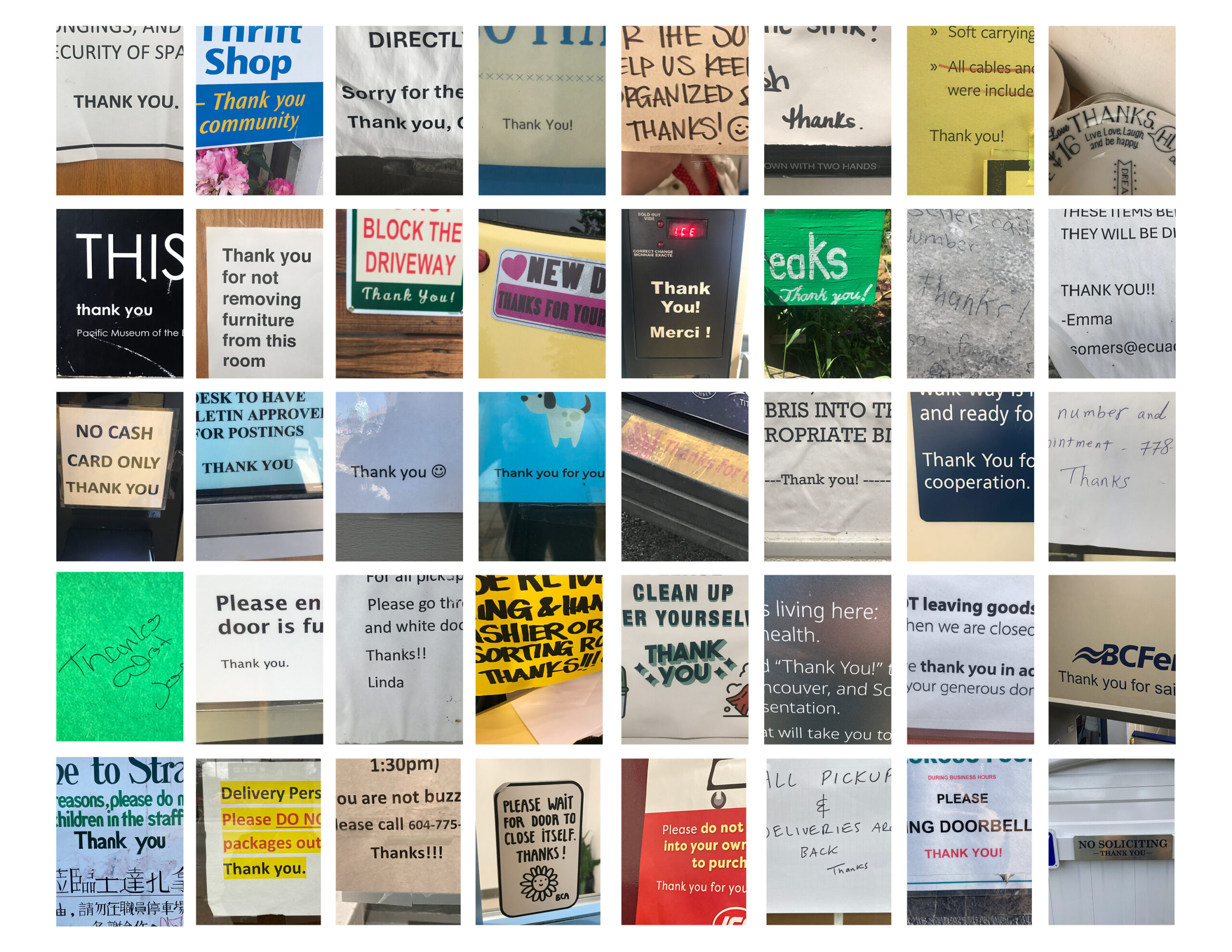
Early on in my MDes program, I began to document and collect the phrase “Thank You”, “Thanks”, and its variations that I noticed in public spaces. I saw these these signs and phrases as artifacts that could help me learn about how everyday, vernacular design artifacts demonstrated acts of care and gratitude. This collection became a case-study for how designers might use lively collecting methods in their research.
Using a lively collecting approach I was able to give myself a lens with which to observe and notice patterns and stories of care which I would have otherwise walked past. After two years, this collecting practice has significantly altered the ways that I navigate, engage with, and think about my local built environment, offering me new insights into the designed systems and space that are around me.
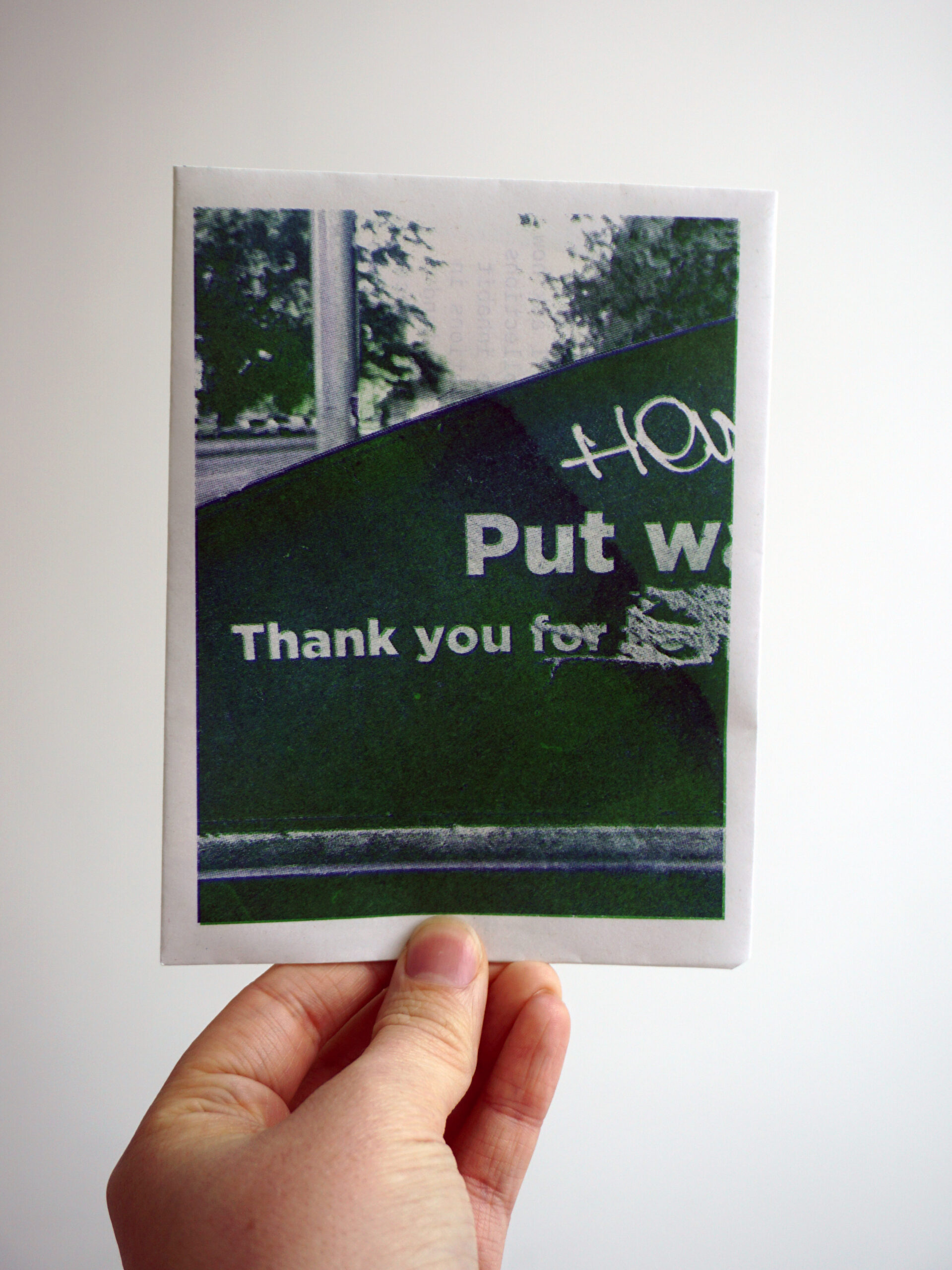
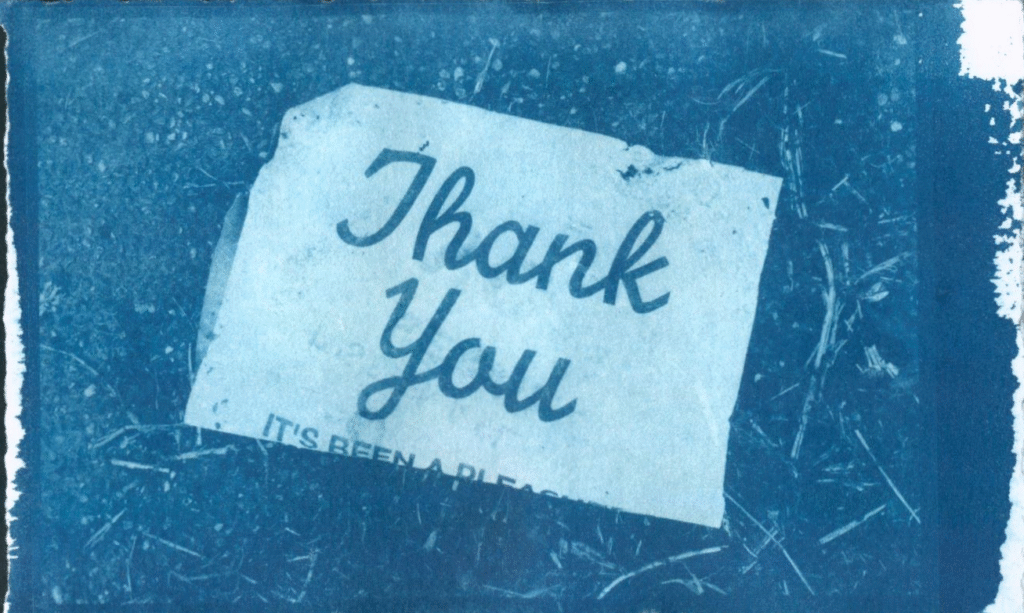
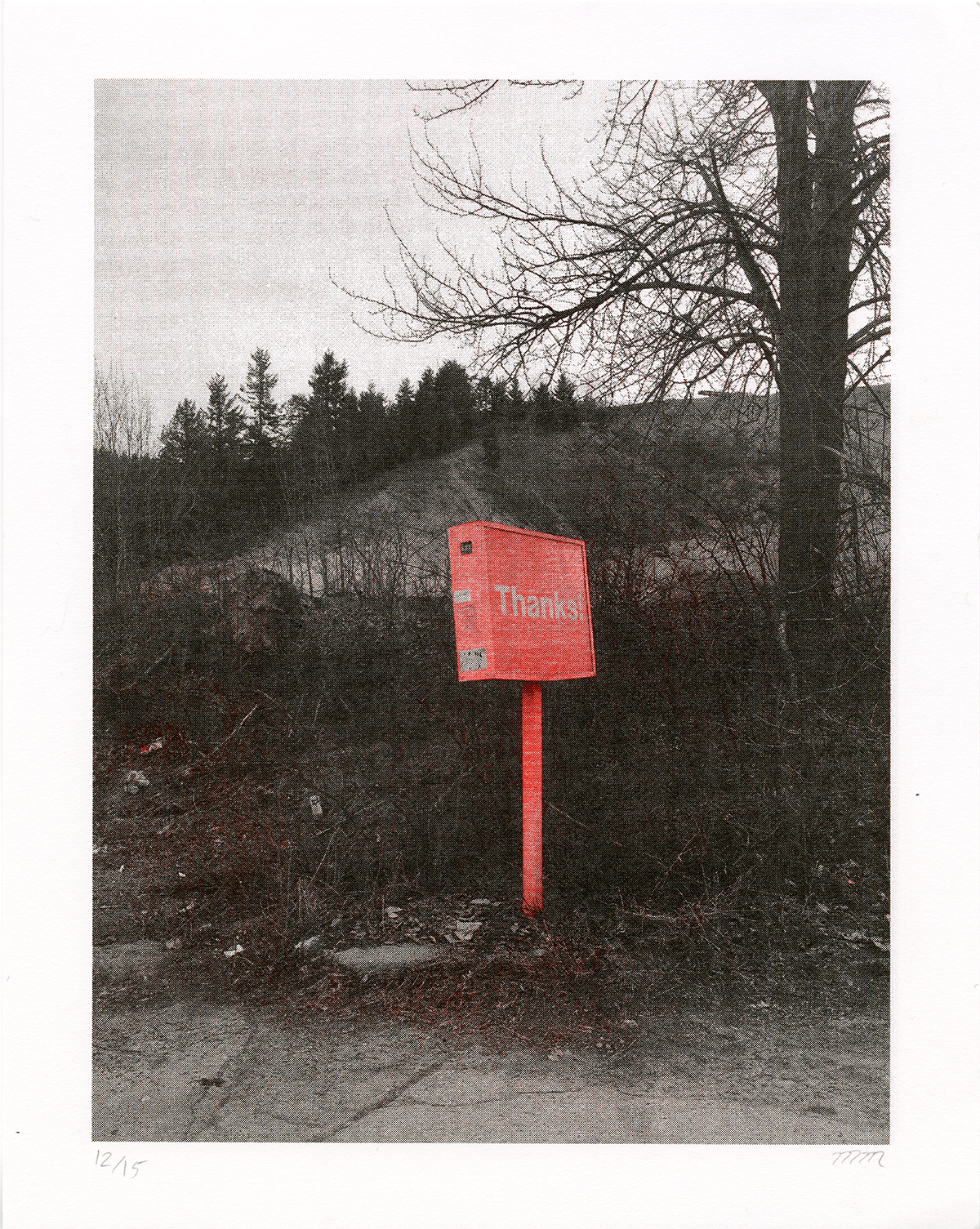
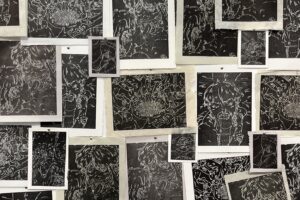
As this collection grew from dozens to hundreds of examples, I began to use my creative skills as a designer to translate them into publications, posters and postcards, ceramics, fabric patches, and woven tapestries. These material transformations offered new opportunities for me to assemble, arrange, and share this collection, leading to even more generative conversations and connections.
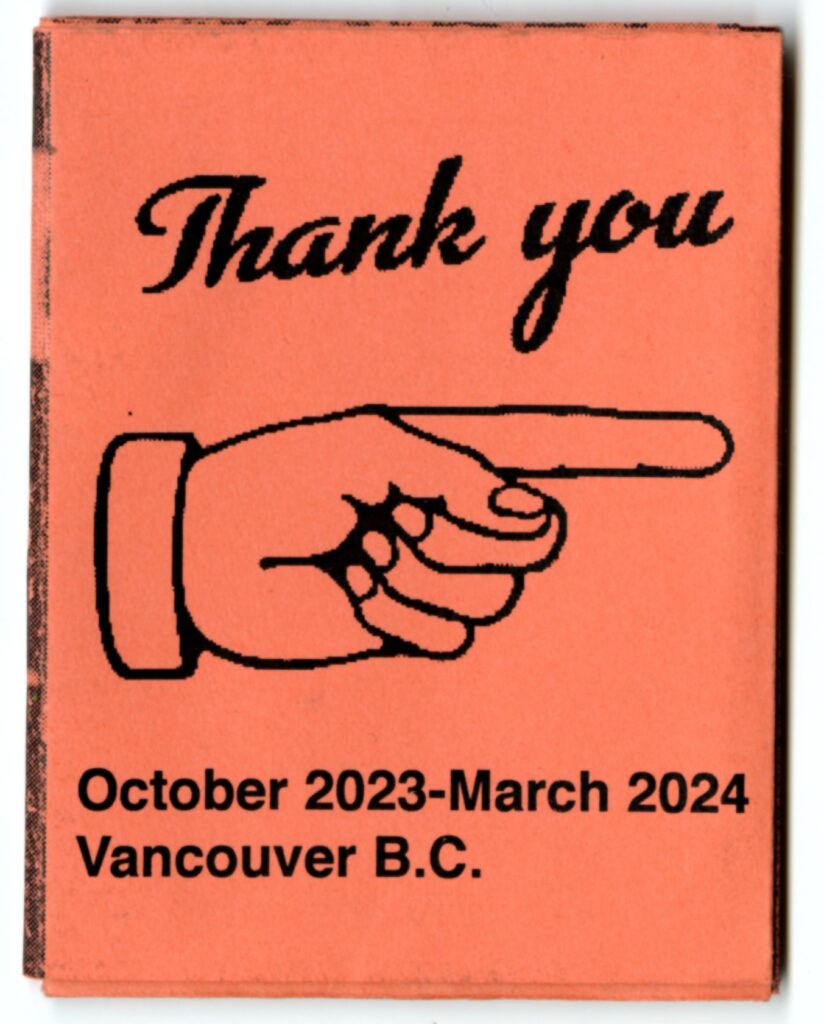
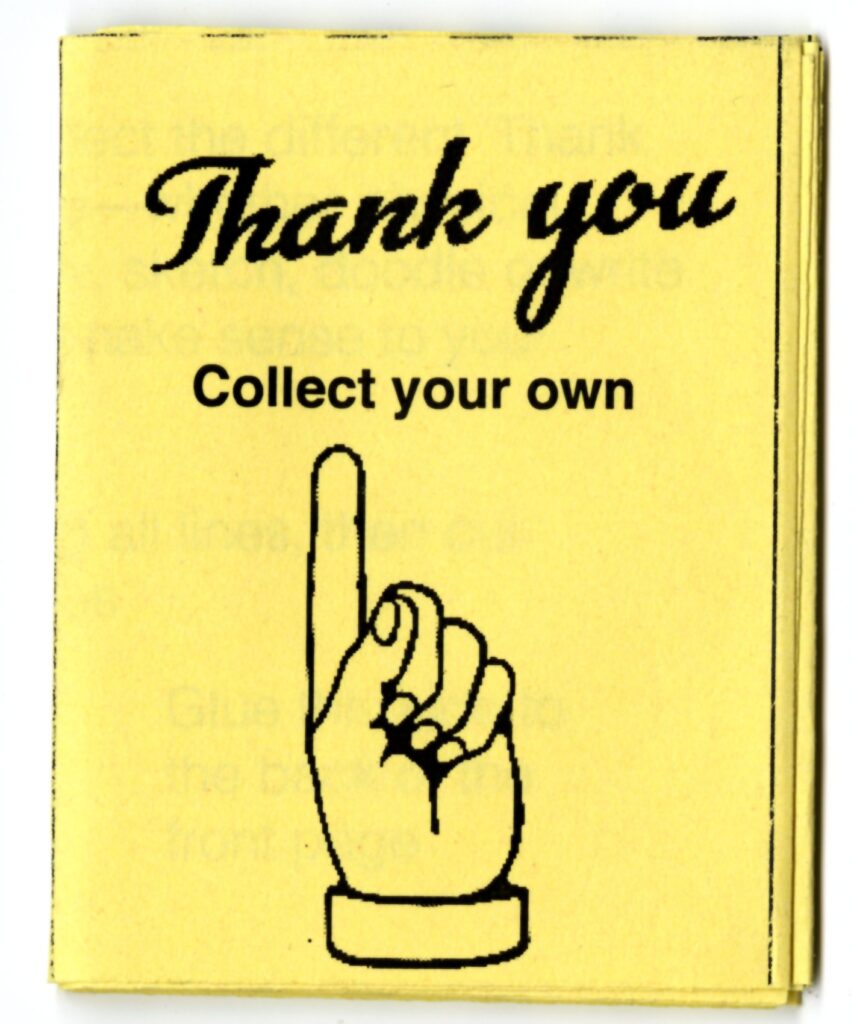
“Thank You” Micro-Zines (2024)
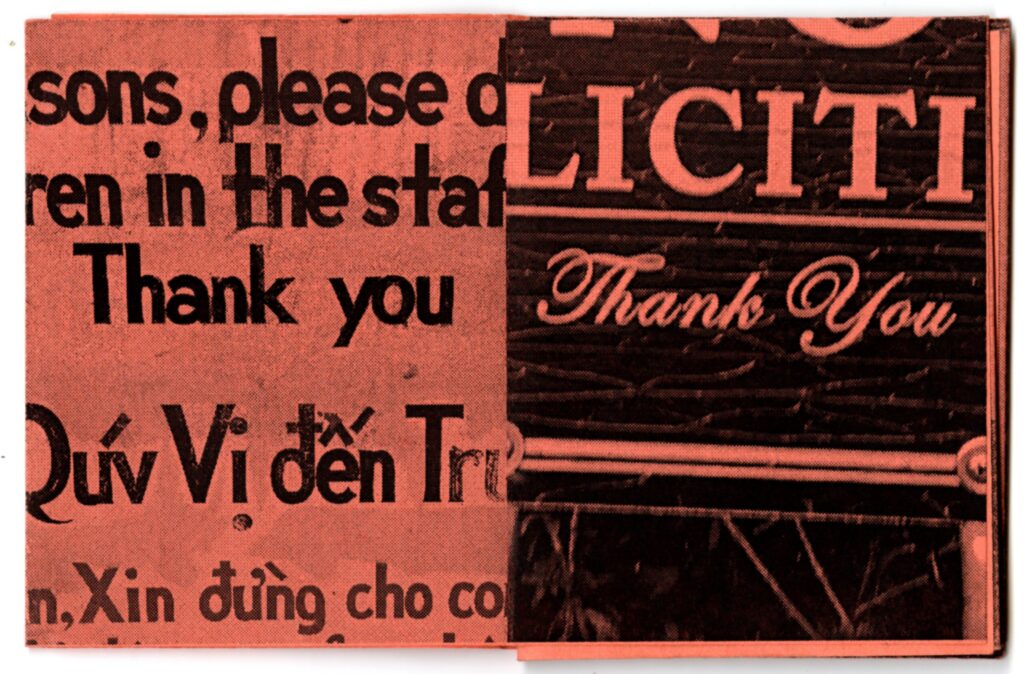
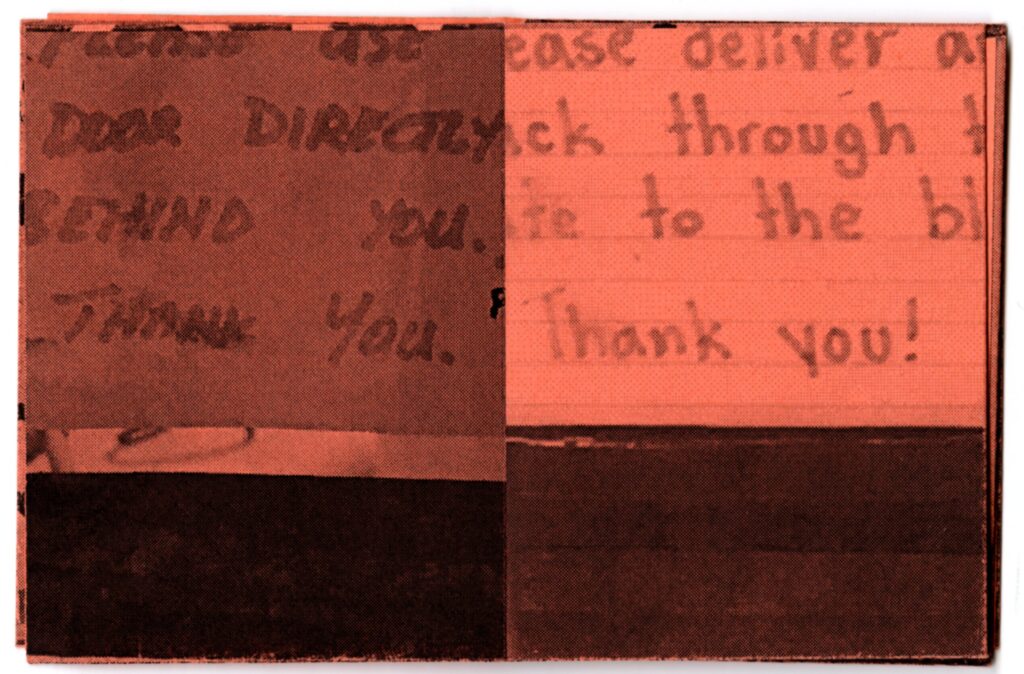
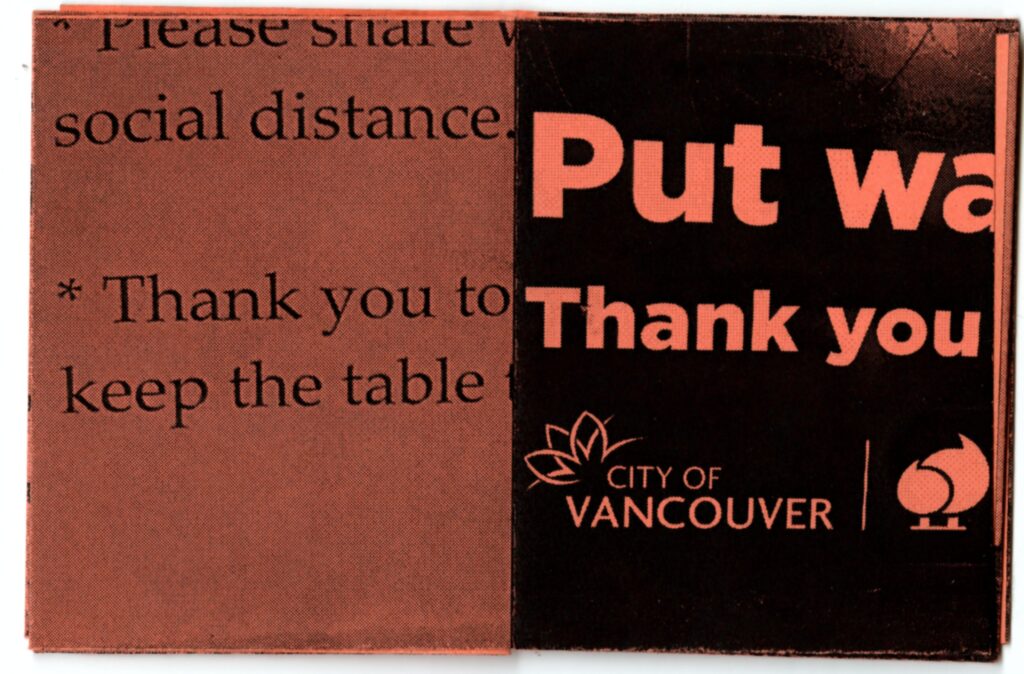
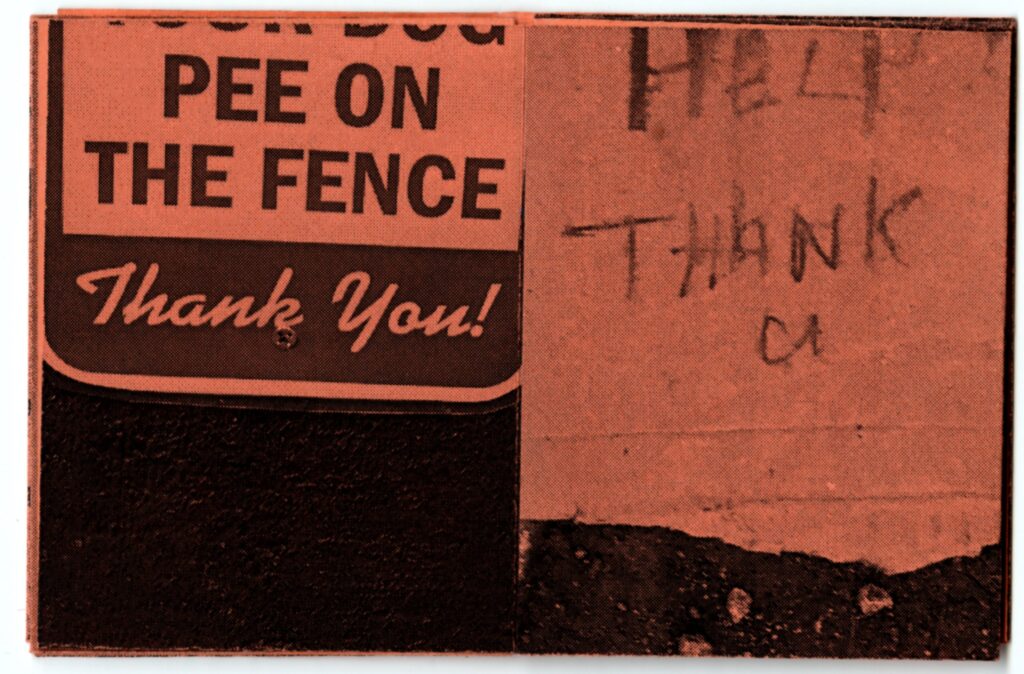
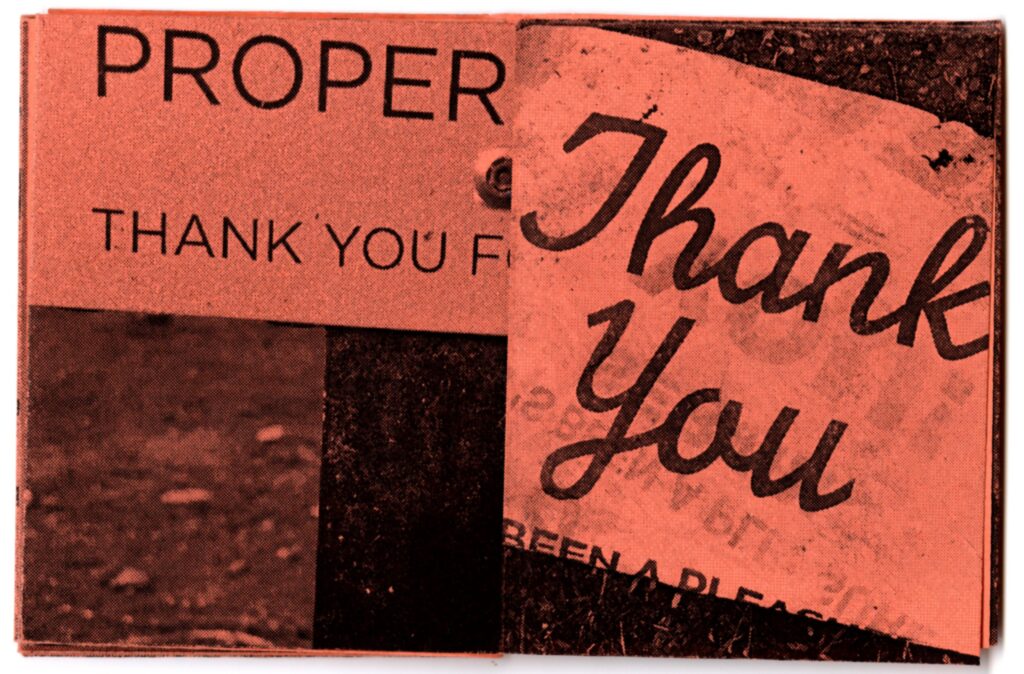
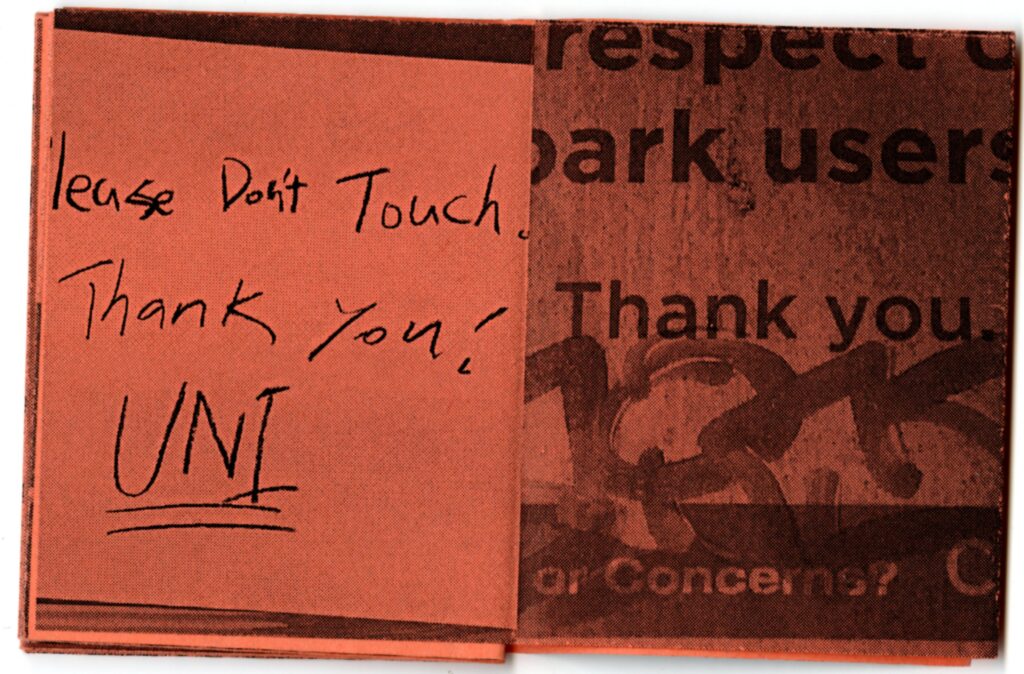
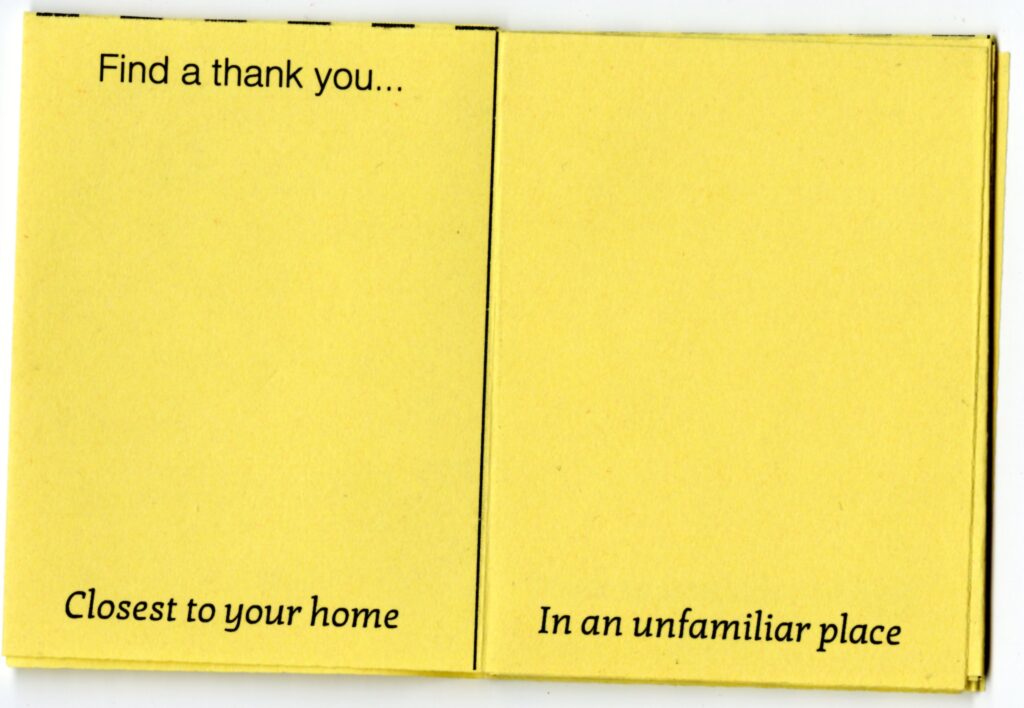
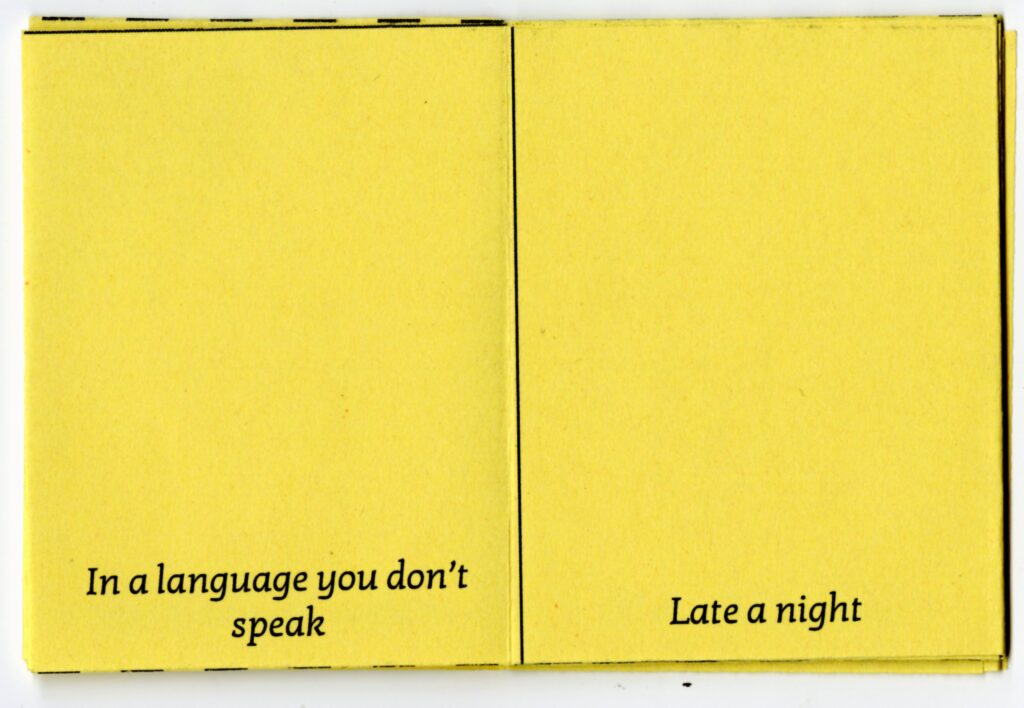
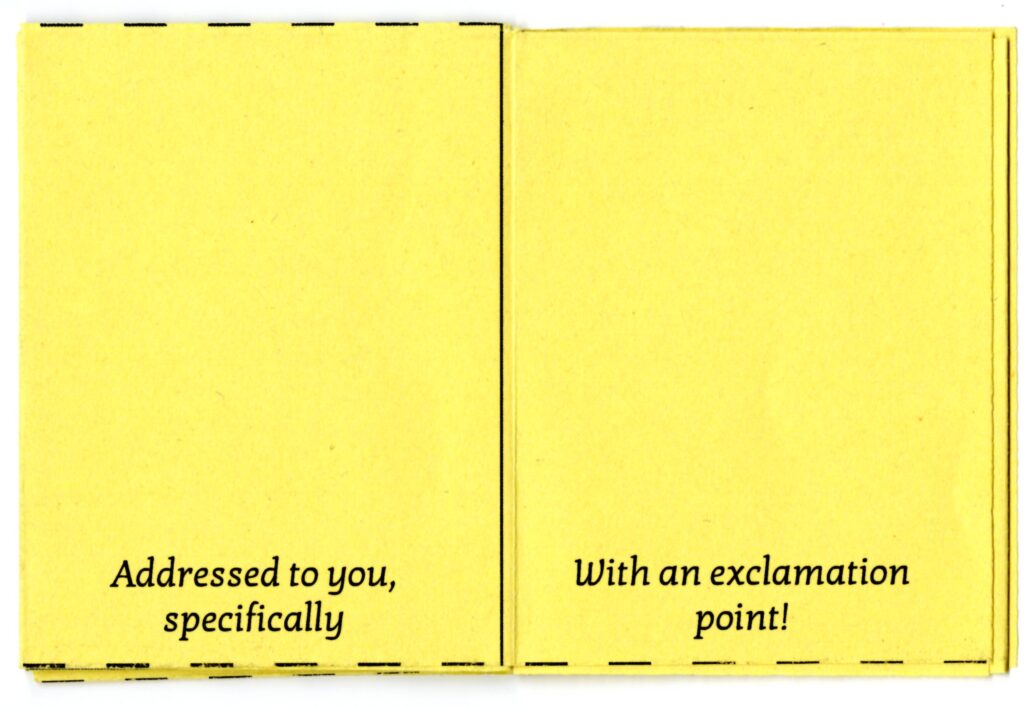
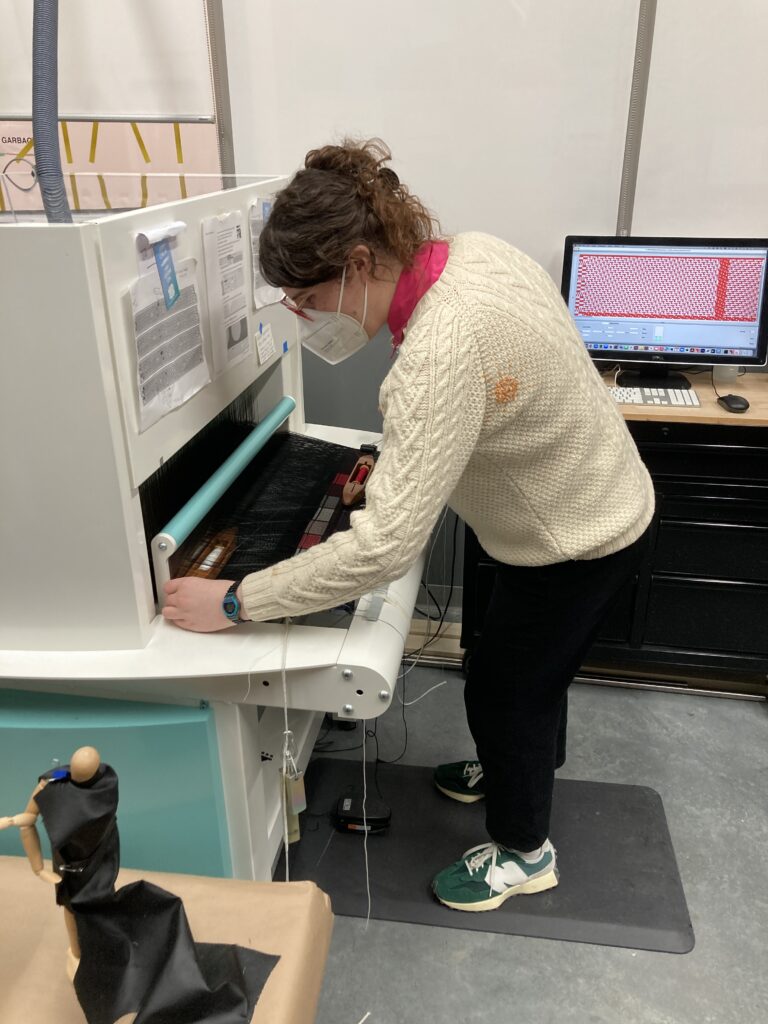
Each process and material I used to support this collection had its own limitations and affordances, which I saw as contributing to the liveliness of the collection. Translating Thank You’s from the collection using a Digital Jacquard Loom helped me to further reflect on this process.
With the pixel of the photographs becoming a woven pattern, the tapestries I created demonstrate the “Thank You” collections transformation from digital to physical, contributing to the structure of the cloth.
The visual information of each photograph becomes tactile and sensorial in this work, allowing for new modes of engaging and relating with the collection. Weaving this work gave me time and space to reflect on my relationship to public space, land access, vernacular design, and urban infrastructure, which I would not have been able to otherwise develop.
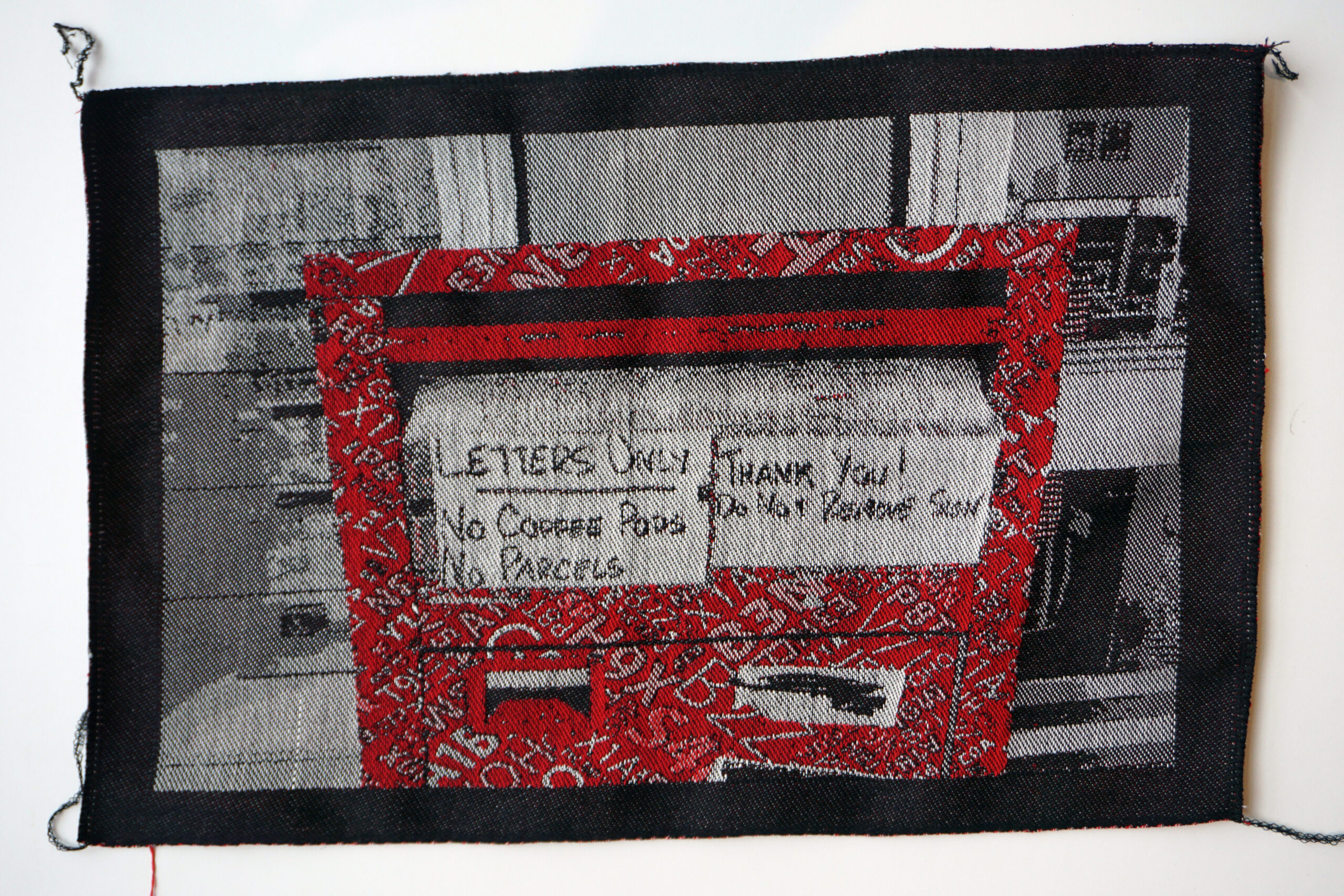
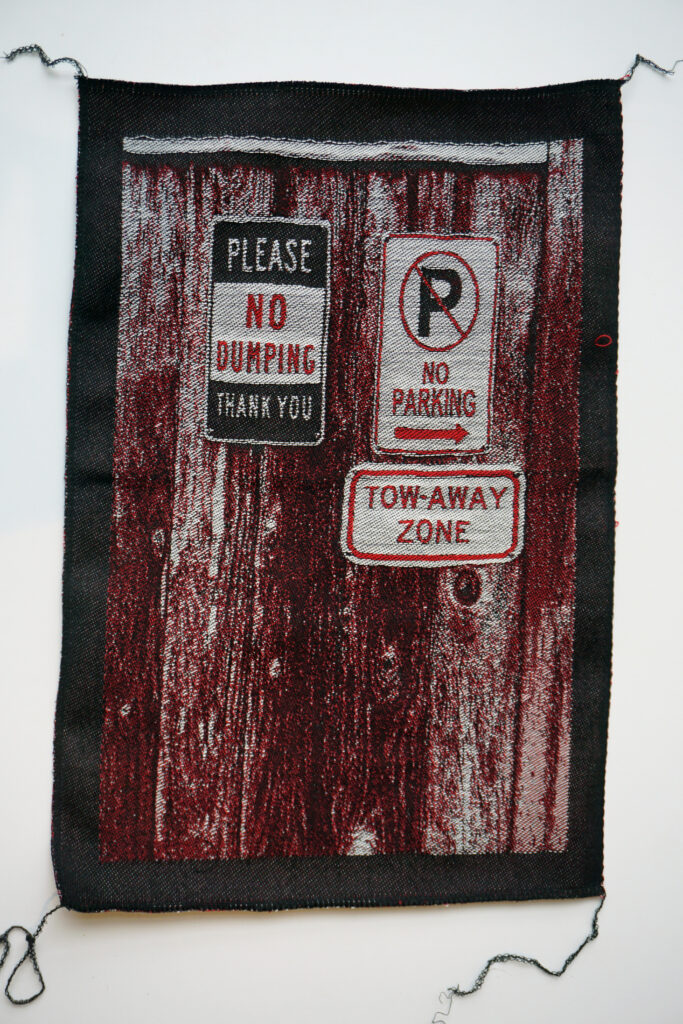

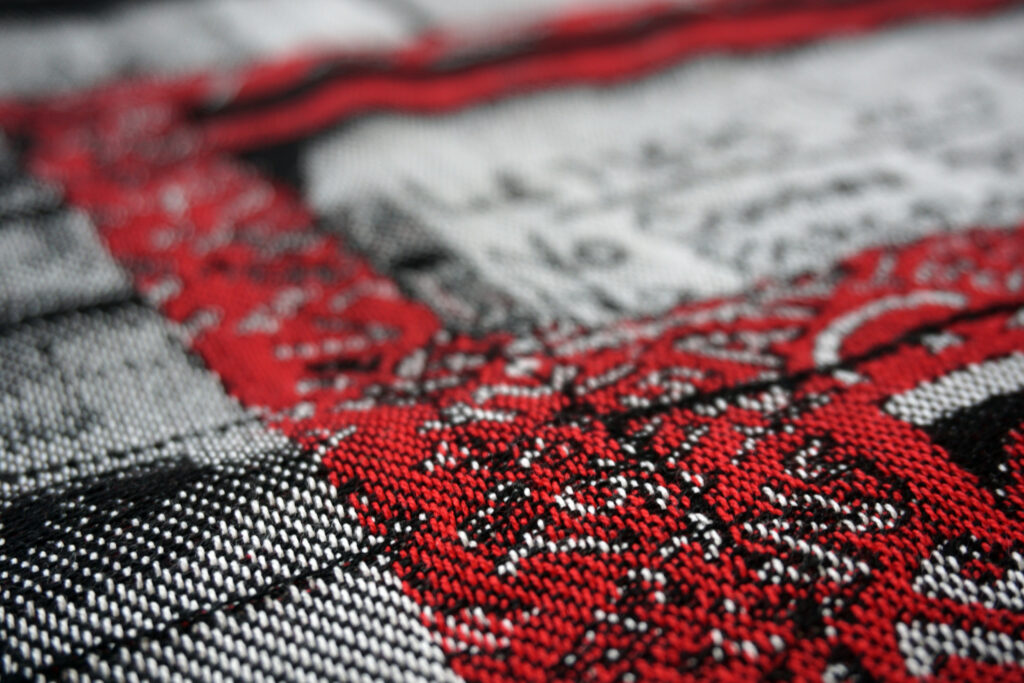
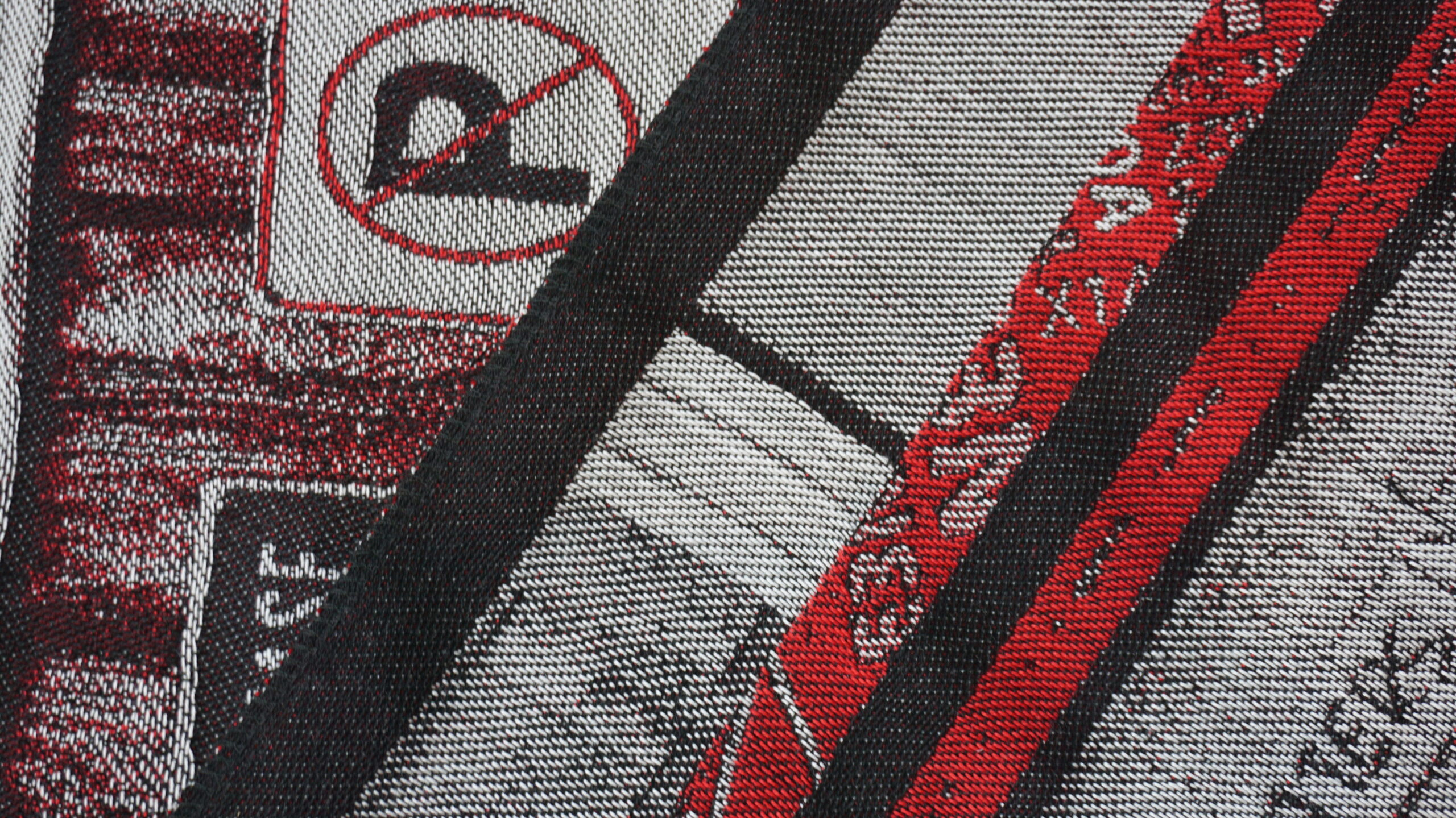
Reflecting on this work, I see these projects as an act of care and stewardship for a collection of marginal and overlooked objects which otherwise fade into the background
Orphan Type
As I continued honing my approach to lively collecting, I found that I was most interested in fostering and engaging with informal, marginal, unintentional, and vernacular collections which existed outside of institutional archives and museums.
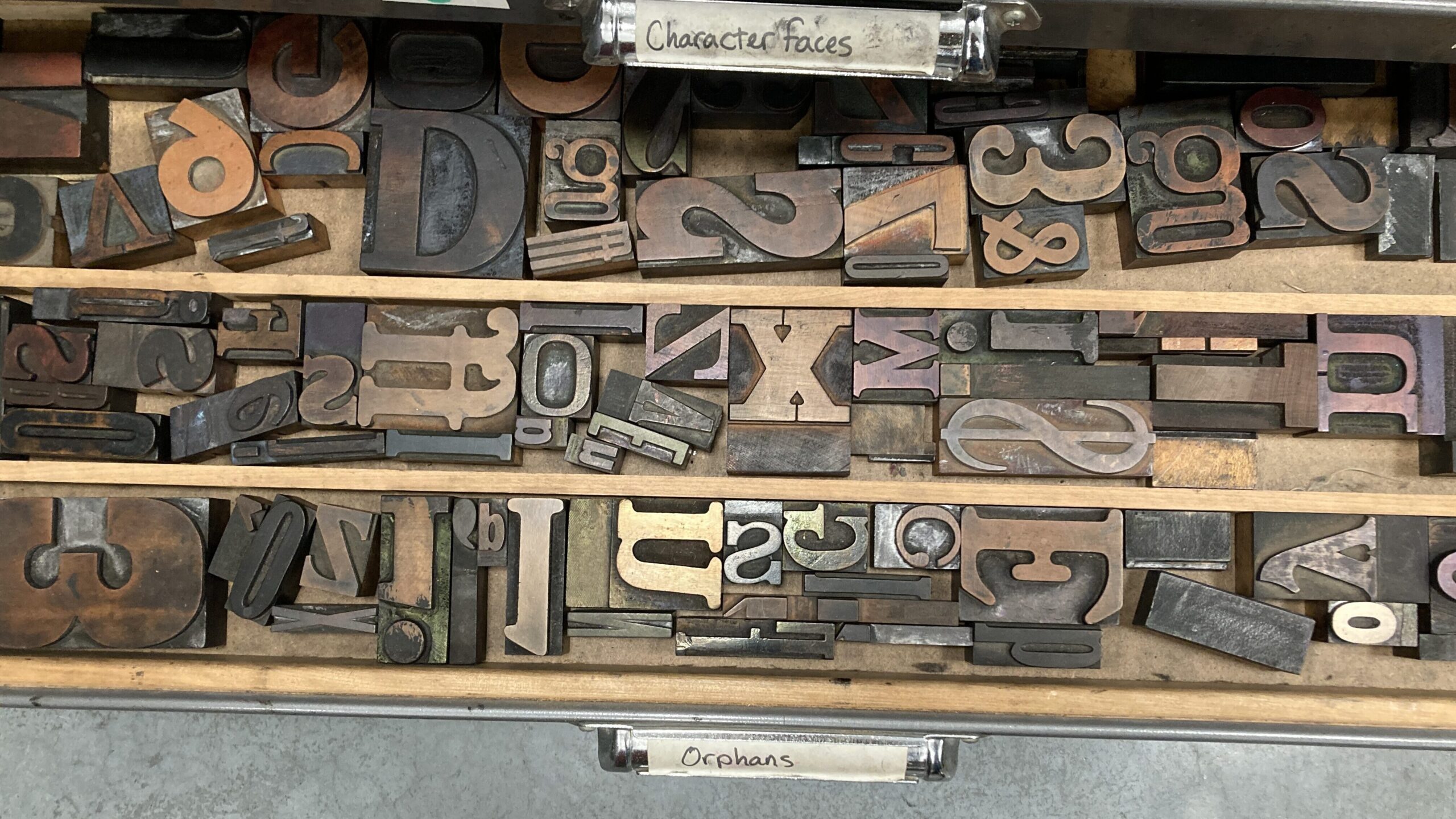
In my eyes, informal collections such as the Orphan Type specimens found within Emily Carr’s letterpress studio offered rich possibilities for intentional acts of care through fluid and reciprocal processes of sorting, arranging, and design.
Designing with orphan type was a lively process of discovery, negotiation, and relationship-building. My first experience working with this collection was for the design of a sketchbook (Sketching The Pluriverse) created as part of a collaborative artistic research project I was a part of.
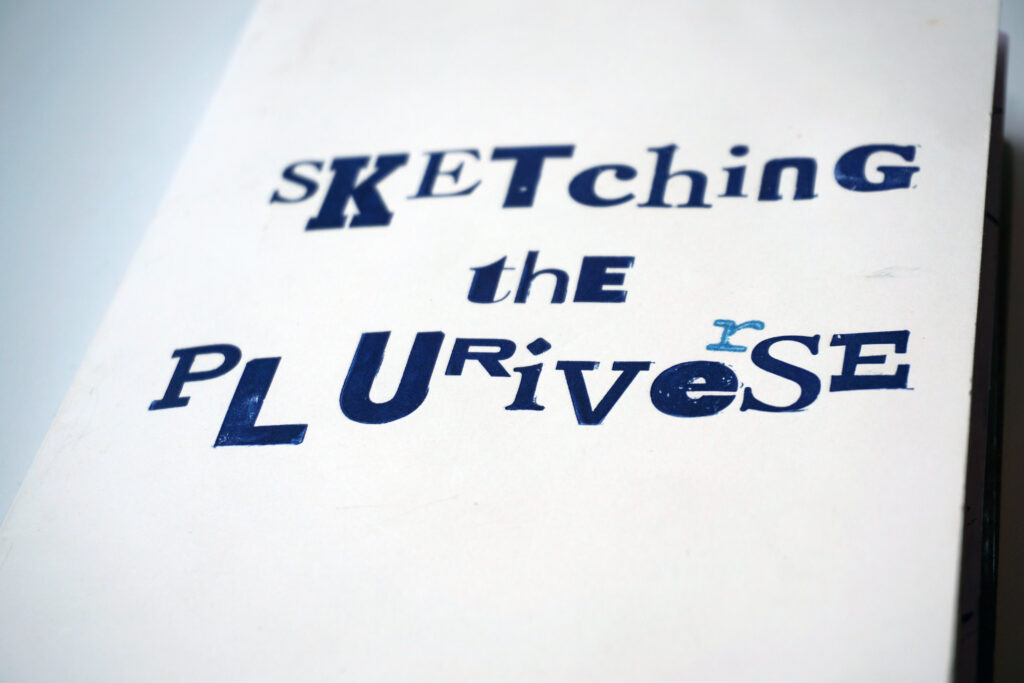
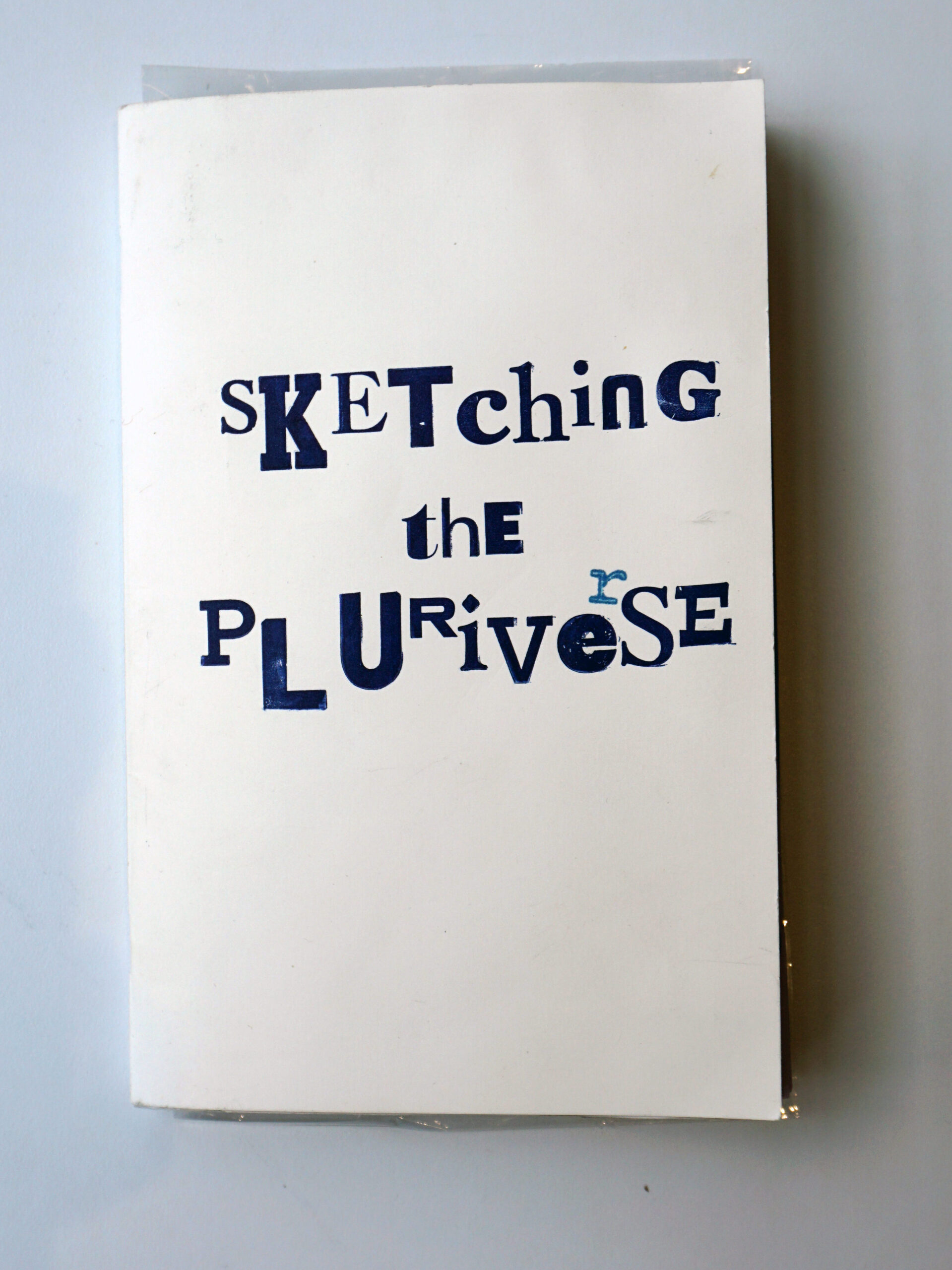
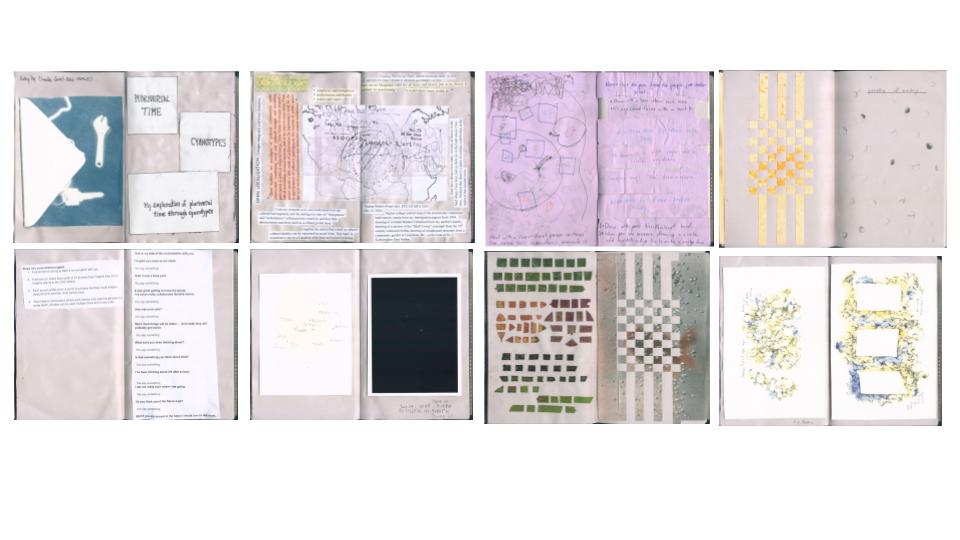
Over the course of months, this sketchbook was shared and contributed to by eleven artists and designers, becoming a container for a new lively collection, with each page a window into a different creative practice and world-view. The animated and eclectic typography used for the cover’s design reflects the function of the sketchbook.
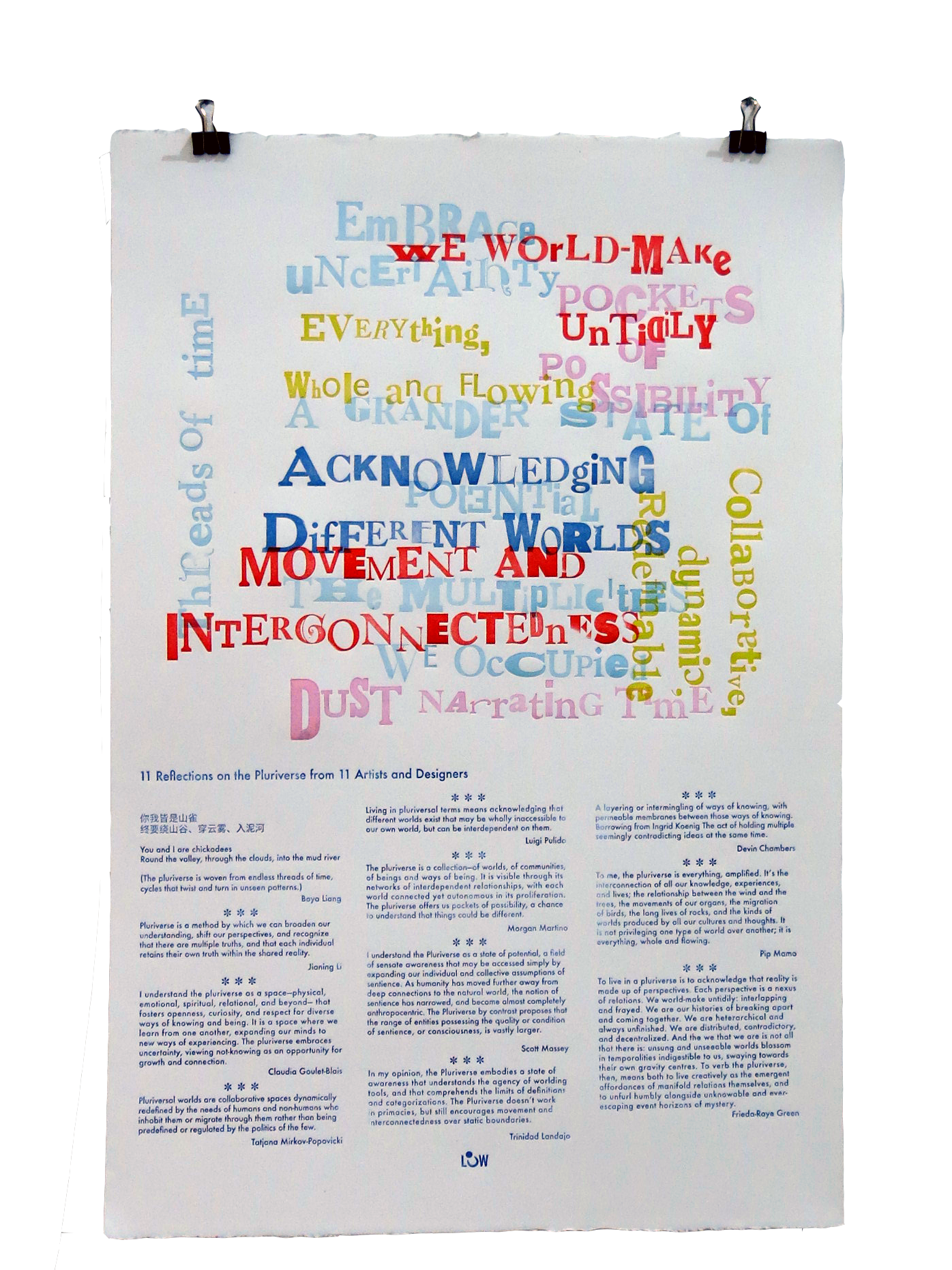
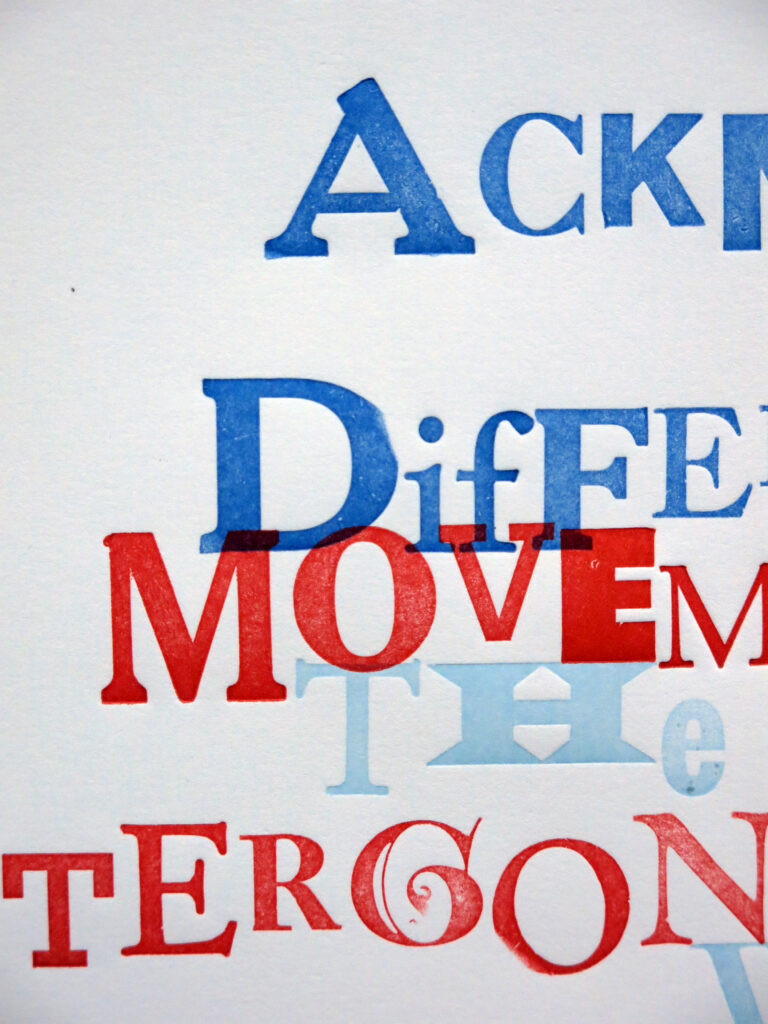
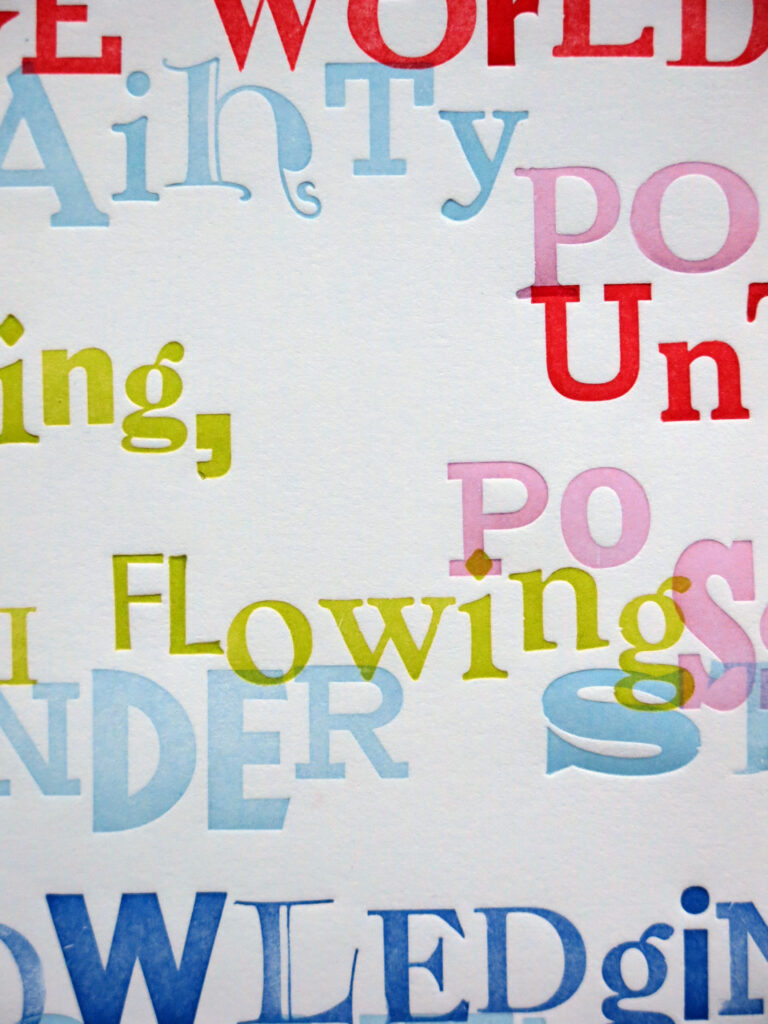
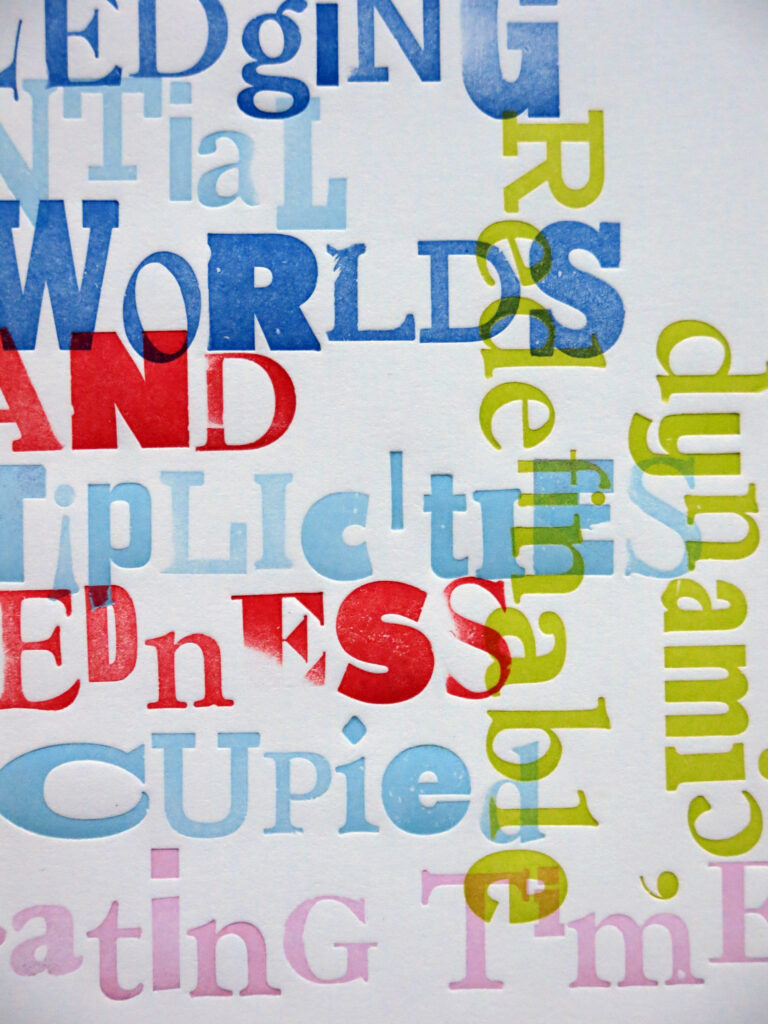
As I deepened my relationship with this collection, I was able to produce more intricate and elaborate designs with its support. In 11 Reflections on the Pluriverse (2025), orphan type is used to highlight key phrases from several definitions of and reflections on the pluriverse from artists and designers
By typesetting with a constellation of overlapping and multi-coloured orphan type, the design of the poster is able to reflect the different worlds of the writers. The patterns of wear and use of different type specimen resist a uniform, pristine appearance, communicating their different lives.
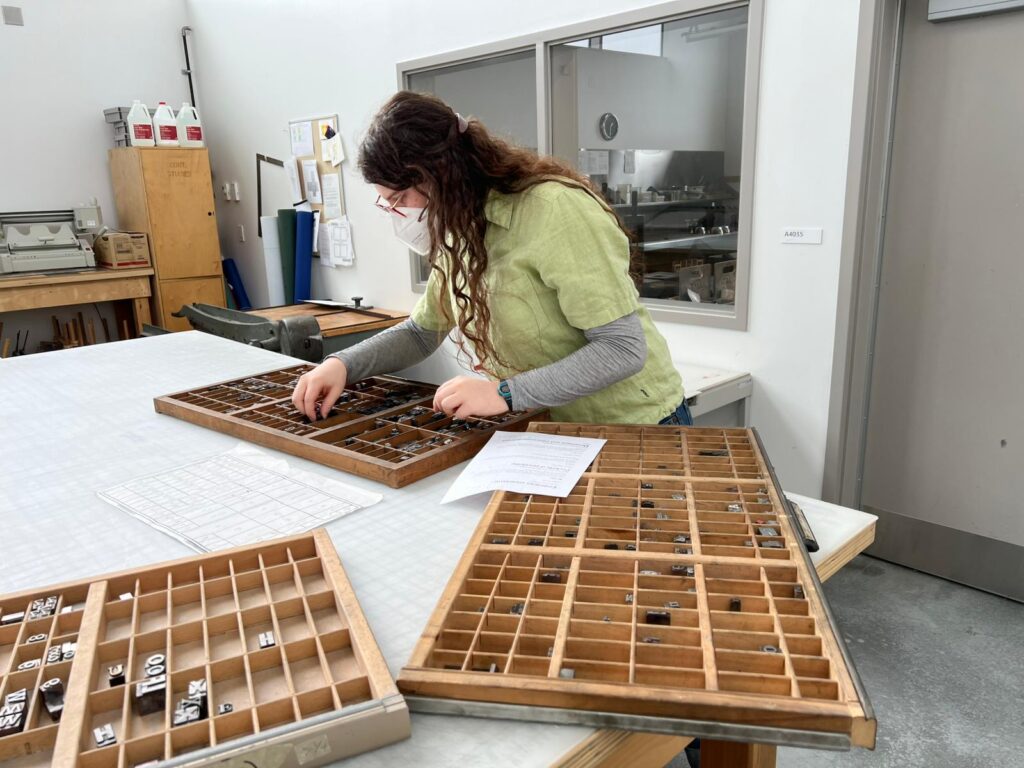
Caring for and designing with this collection of lost and abandoned lead type looked like the mundane acts of sorting and arranging.
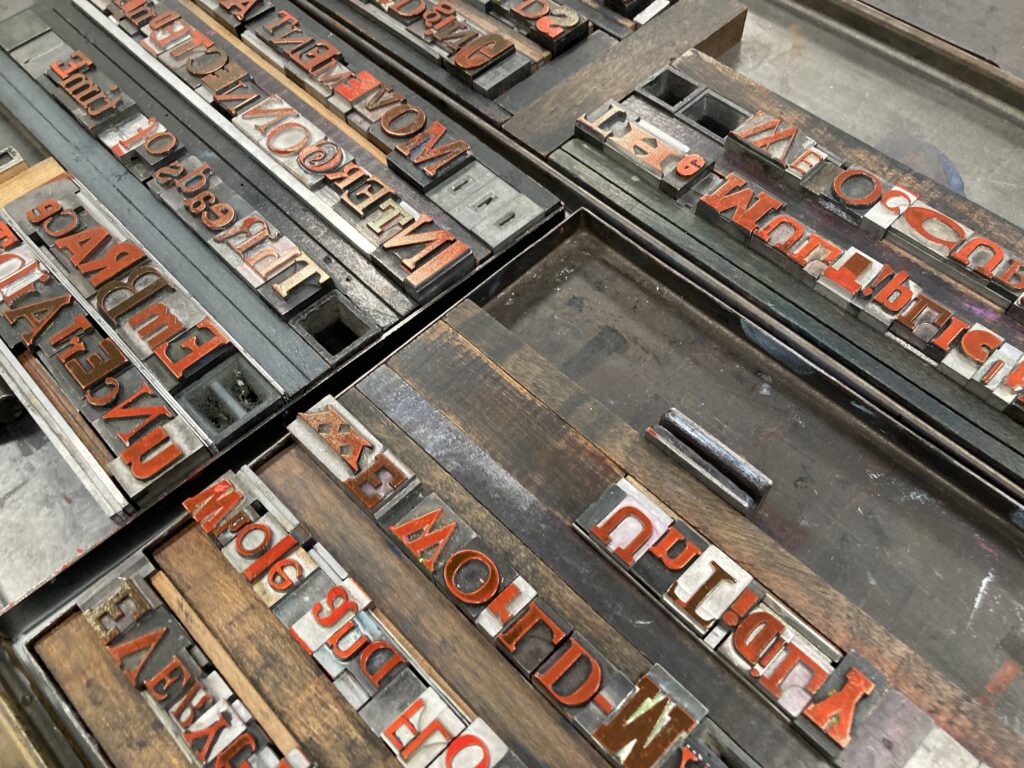
By sharing my attention, time, and labour with this collection, I was able to better contextualize and appreciate its contents as material agents within the design process.
Collecting Vessels
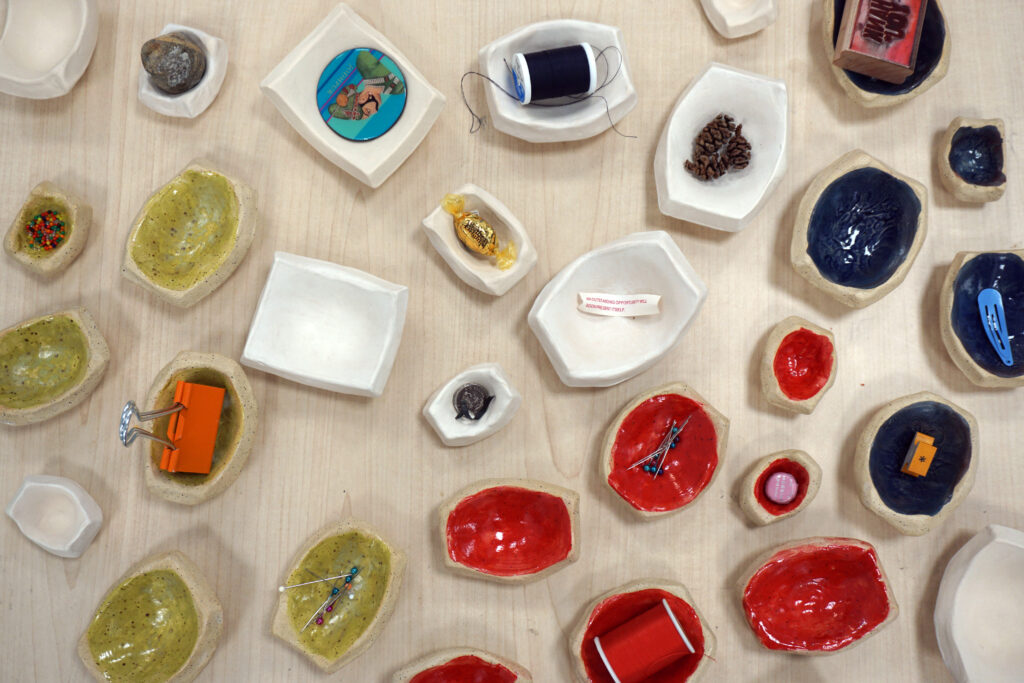
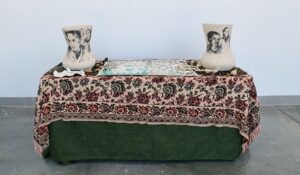
In Collecting Vessels, I explore how the sharing and maintenance of a lively collection could be supported through designed artifacts.
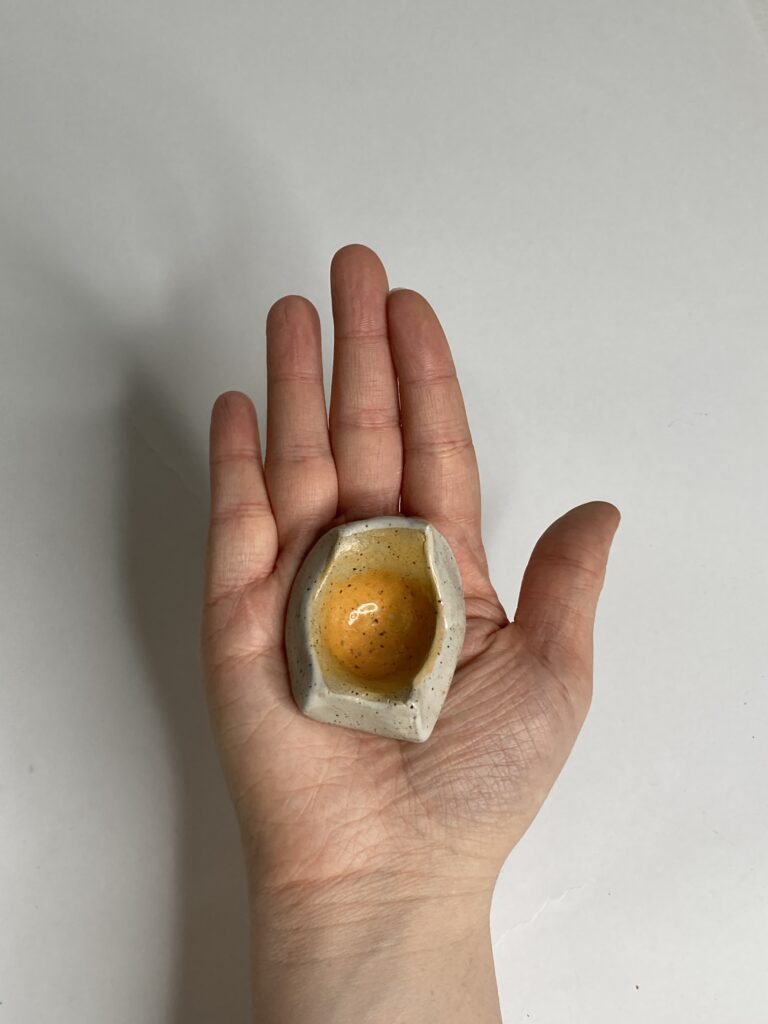
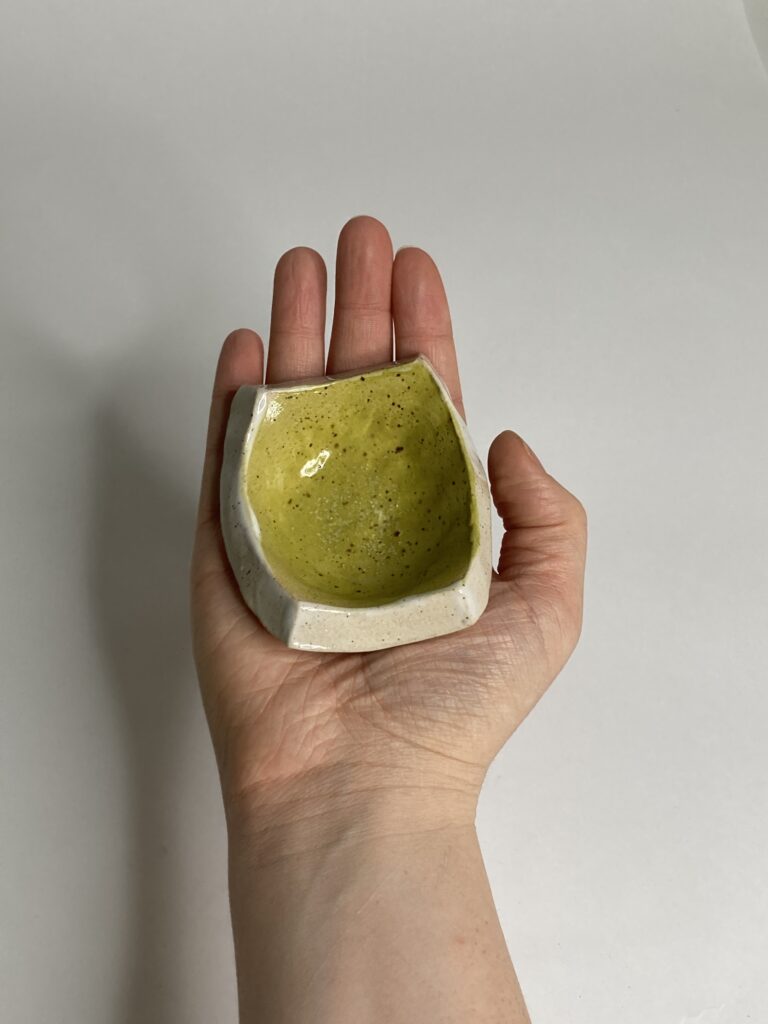
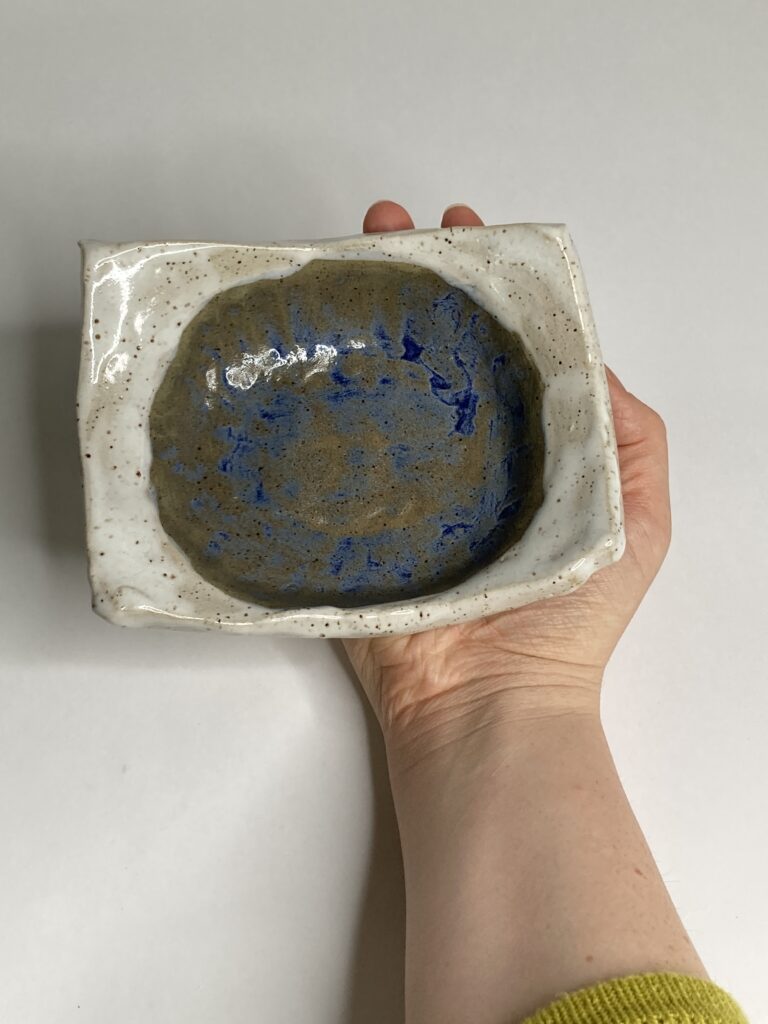
These small ceramic vessels offer an alternative to the boxes and containers usually associated with storing and preserving collected artifacts. Instead, the vessels help us to imagine a world where collections are meant to be held, rearranged, and shared in an open and joyful manner. The size of the collecting vessels are intentionally related to the human form, making visible the relationship between collector and collection.
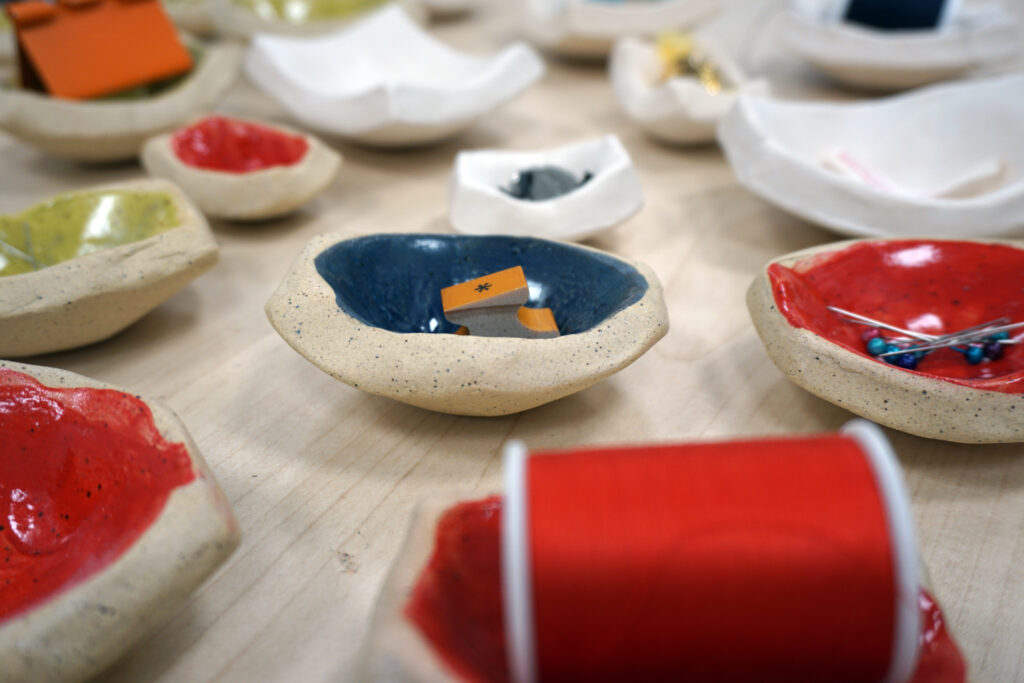
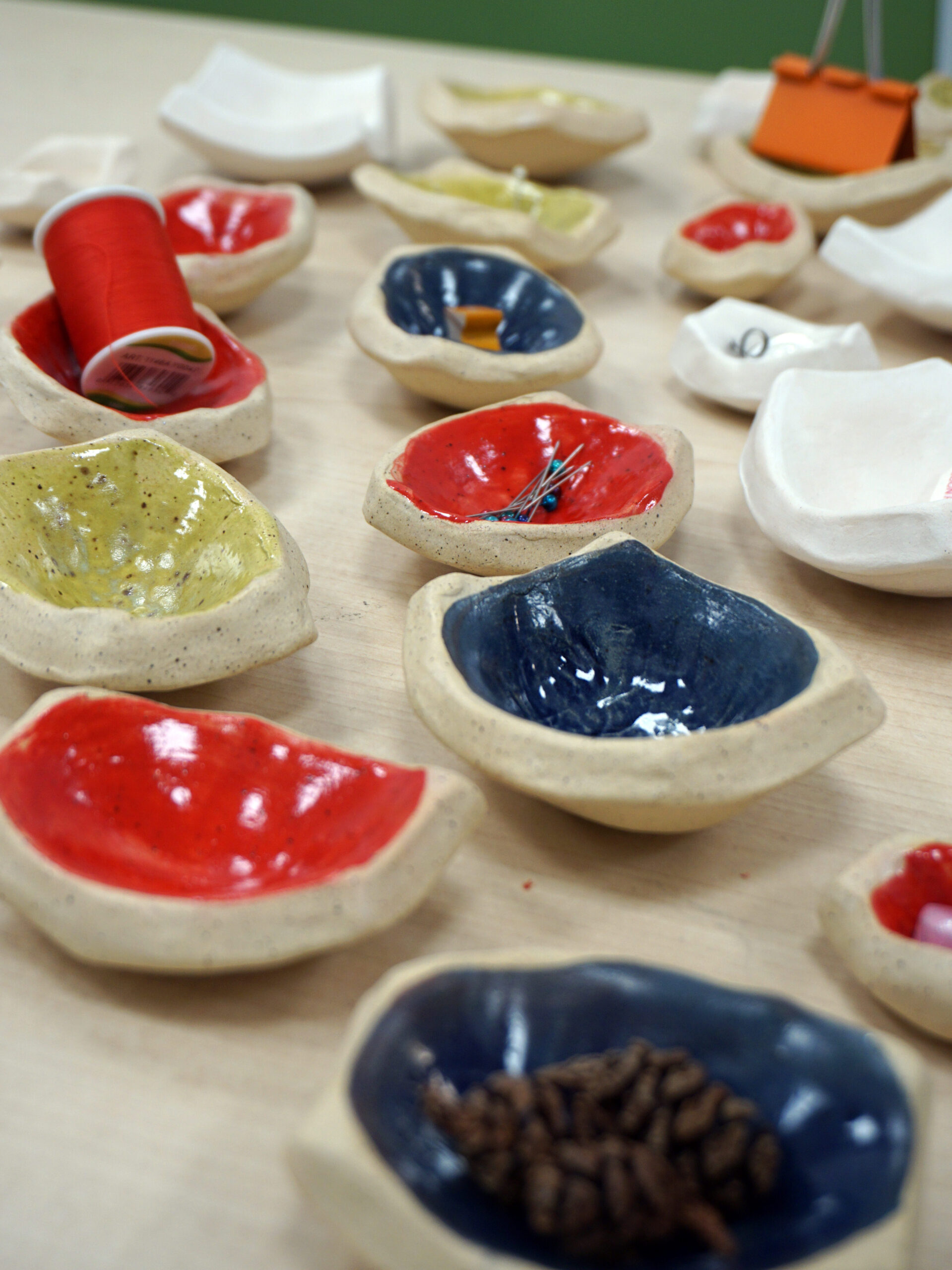
The form of these vessels also encourages movement when they touched or set down on a surface. This movement acts as a physical embodiment of a collections liveliness.
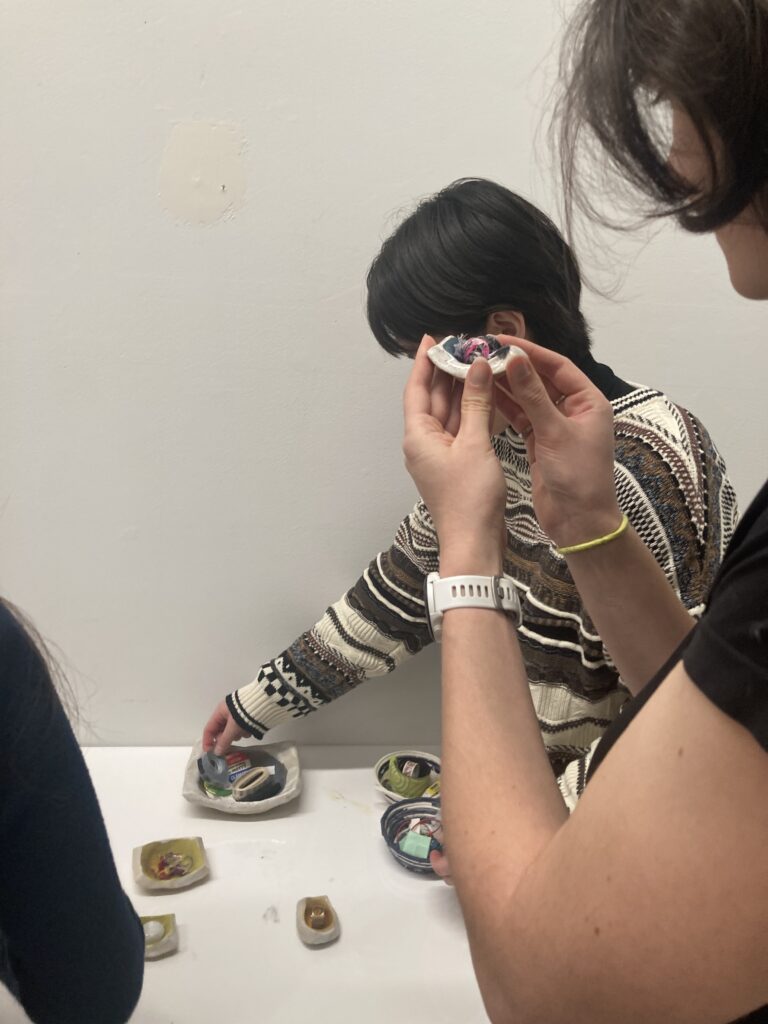
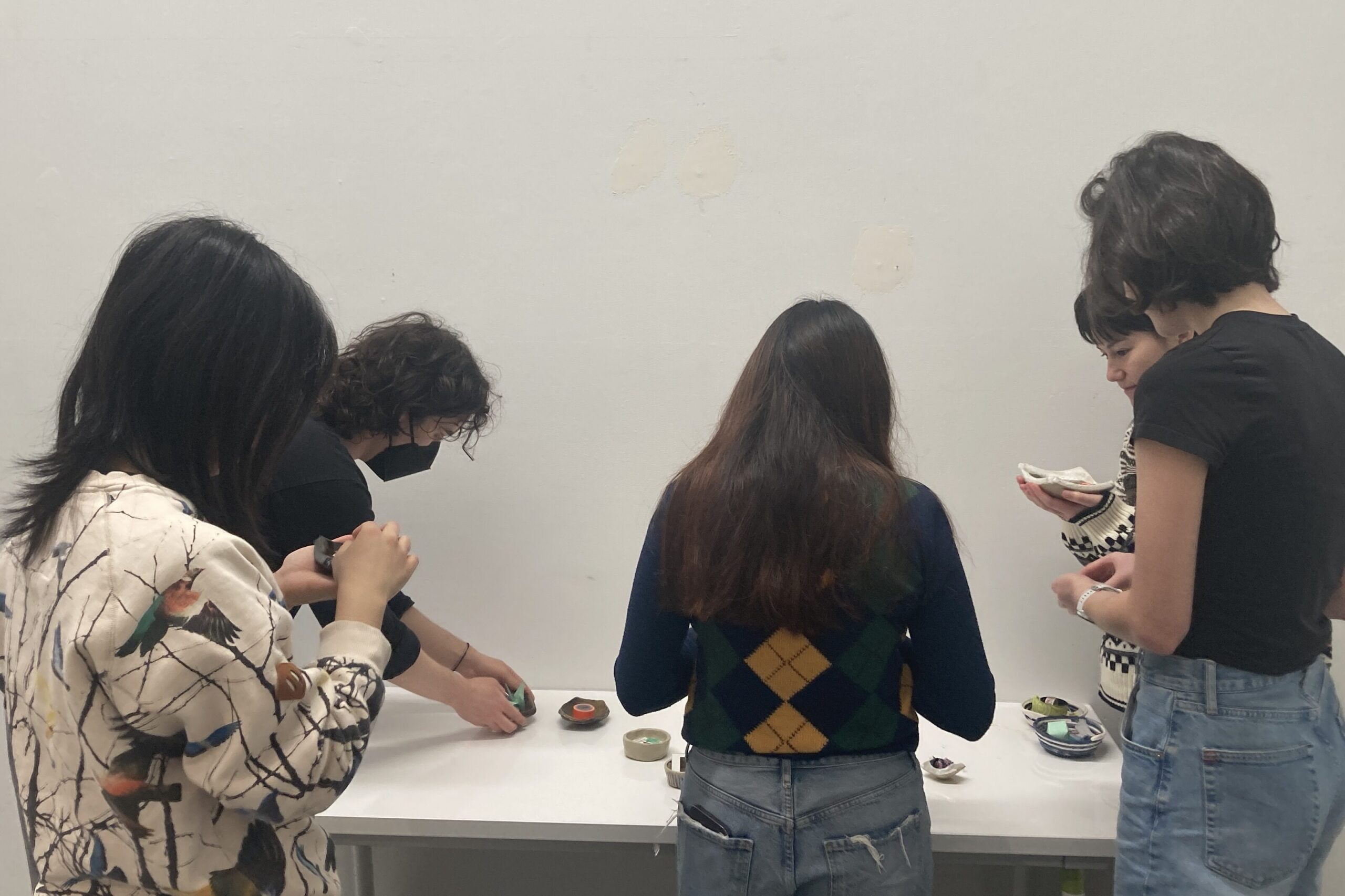
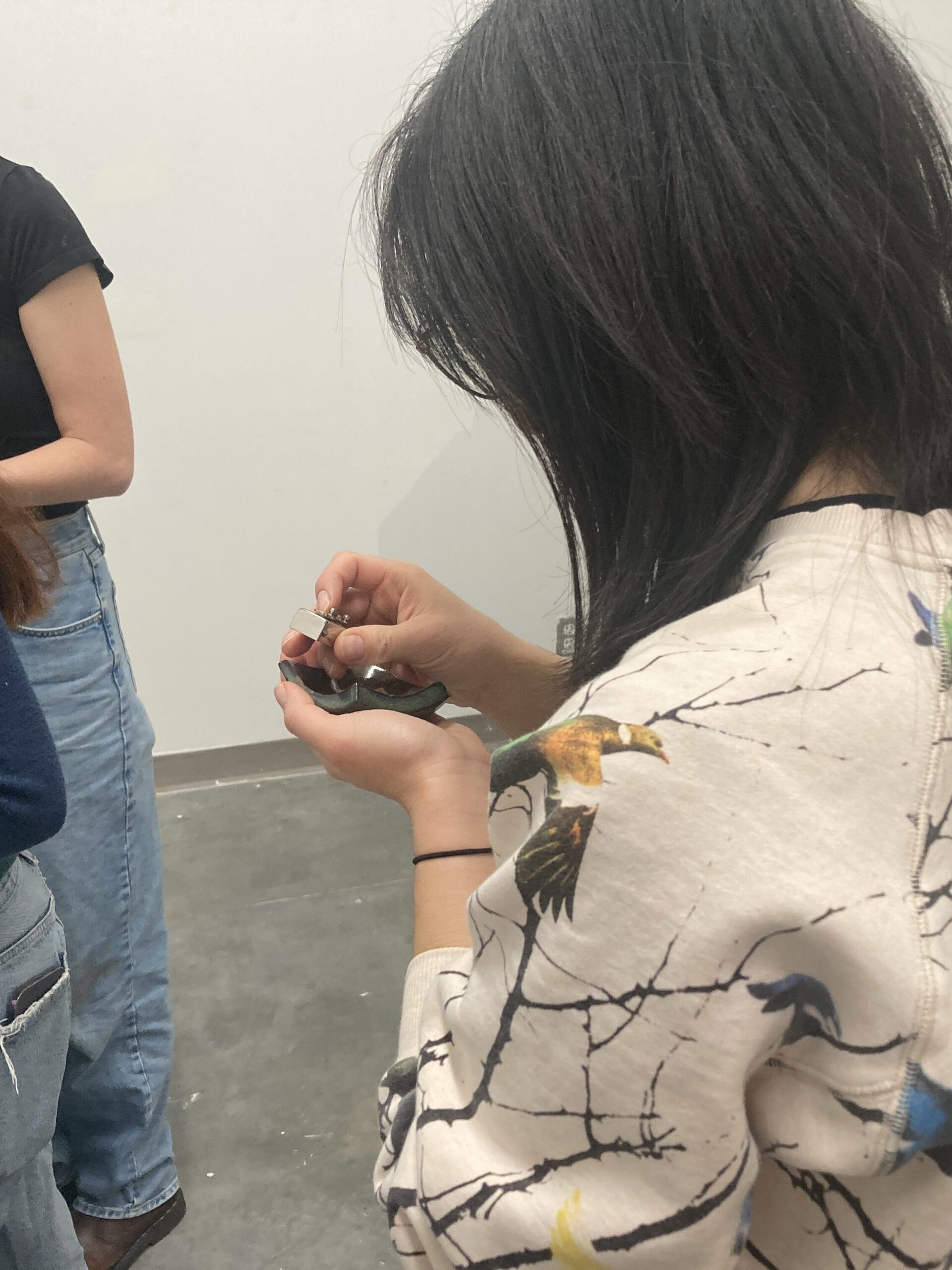
Guests engaging with a collection of everyday objects held within Collecting Vessels (2024- )
Outcomes
Lively Collecting Framework
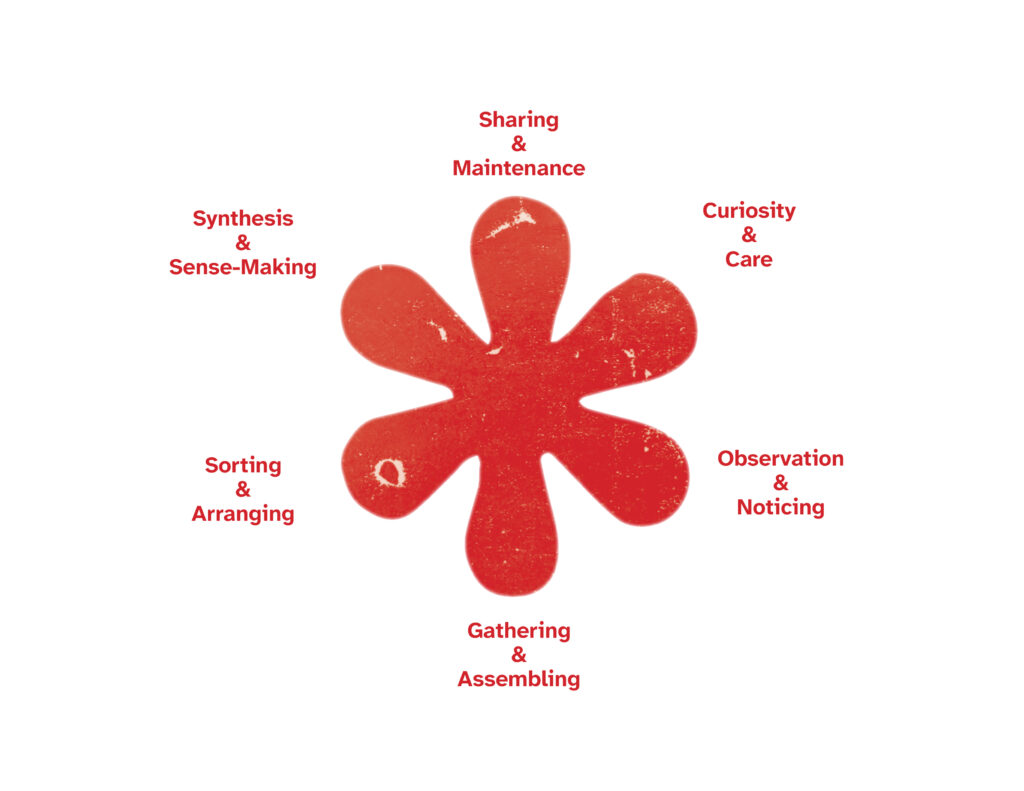
In exploring lively collecting as a creative research practice through the above design projects, I realized that collecting is not only one action, but is made up of multiple interconnected and overlapping, yet distinct approaches. This led me to develop a framework which helps identify how these different actions come together to represent a lively collecting practice.
I see this framework as my contribution to the field of design—helping designers to reflect on how they currently approach acts of collecting in their practice, and encouraging more thoughtful, careful, and expansive collecting practices in future creative work.
Future Directions
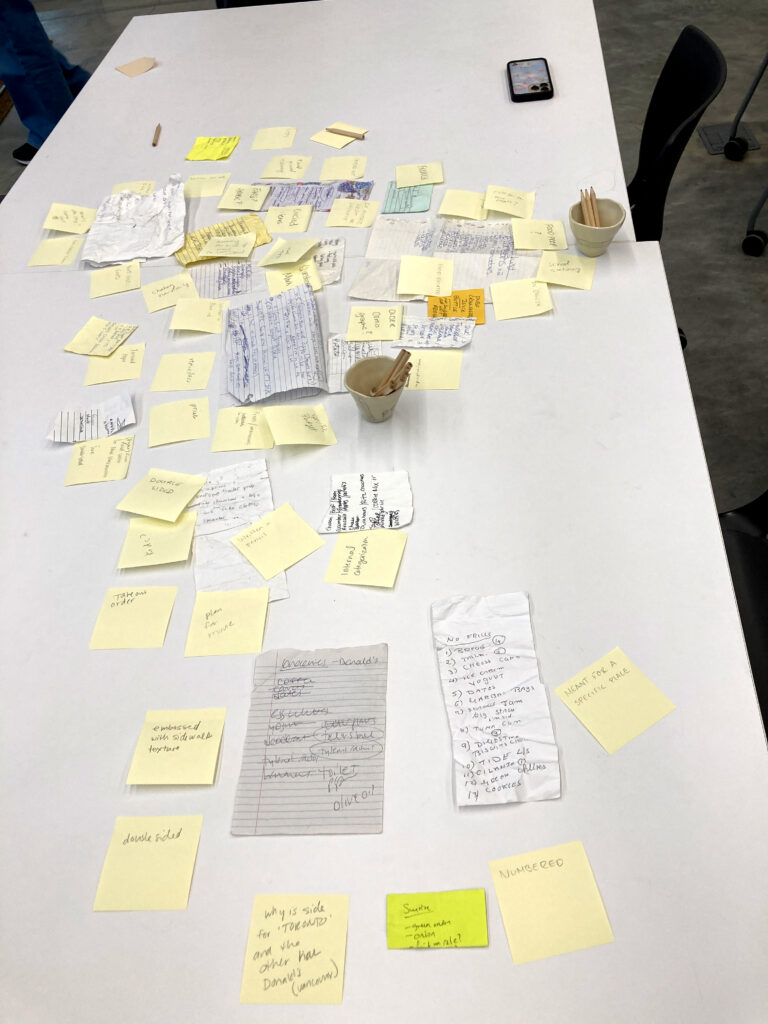
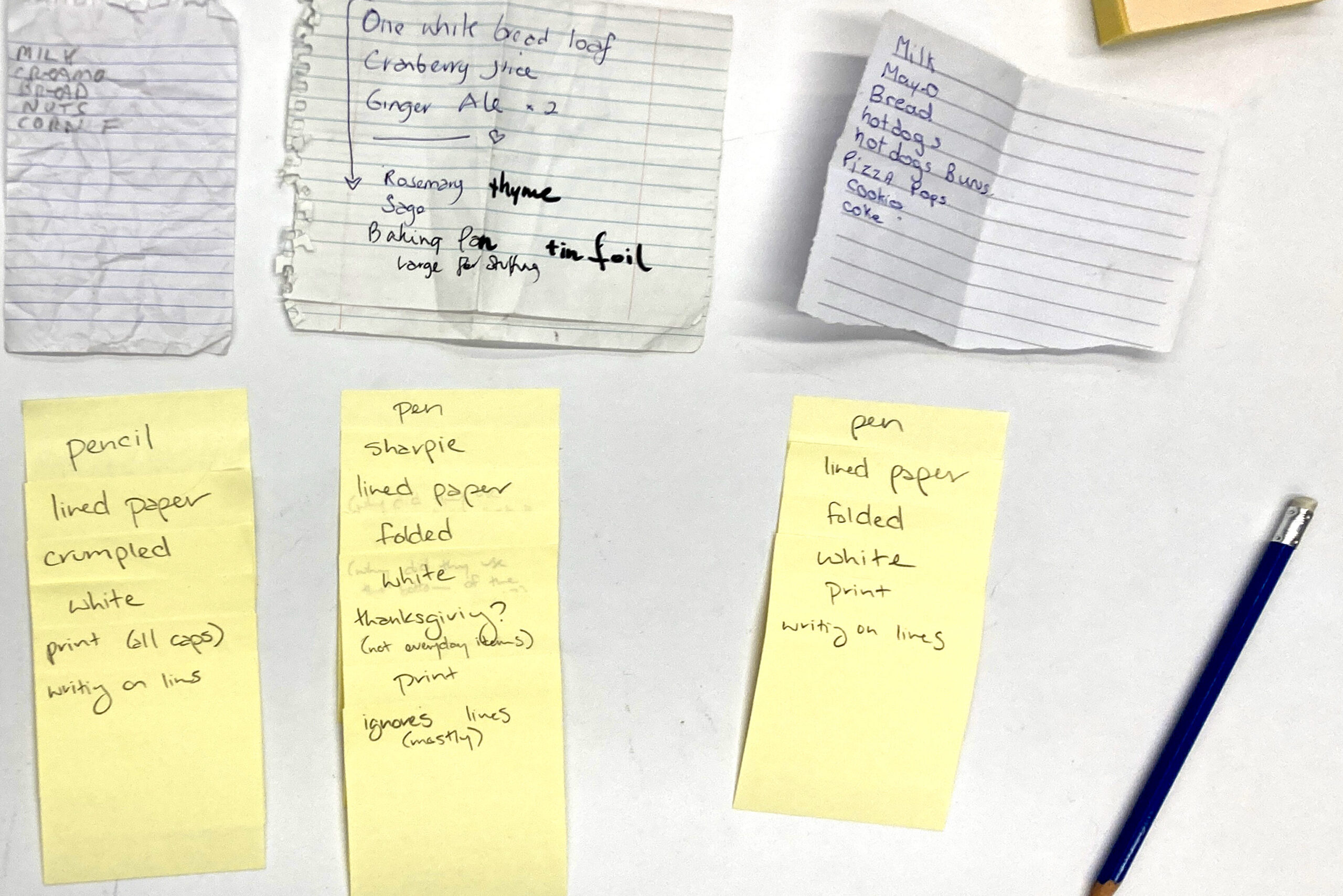
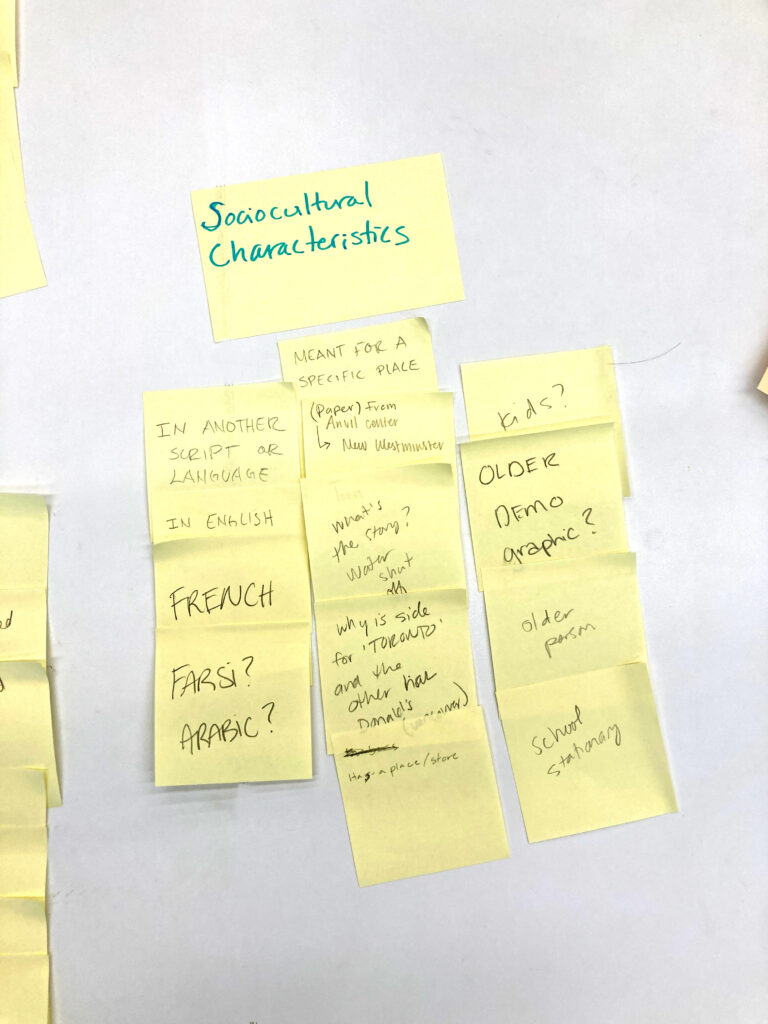
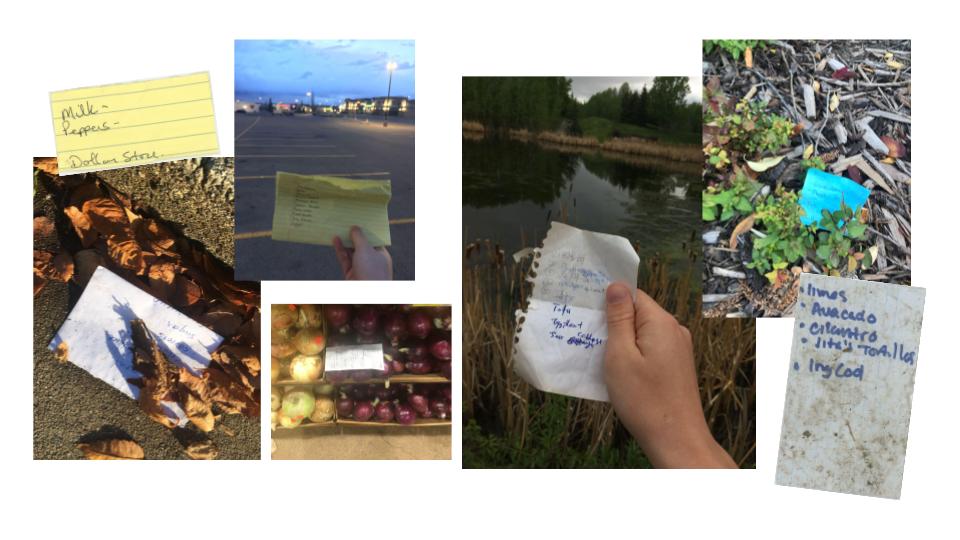
Exerpts from Grocery List Collection Thematic sense-making workshop (2025)
In conducting this work, I have been able to reflect on the relationship between collecting and design. My research and practice demonstrates how collecting is a practice that shapes how we understand the worlds we are a part of. Lively collections in particular provide opportunities to indulge in curiosity and care in ways that support alternative and desirable worlds. Lastly, design as a practice and discipline offer new pathways to care and learn with collections through acts of observation, arranging, and material transformation.
As this research continues, I am interested in exploring the following questions:
* What differences emerge when developing, stewarding, and sharing lively collections which are intangible, and how these types of collections can be developed, stewarded, and shared in both digital and physical spaces?
* How might lively collecting practices within design support and deepen connections to and relationships with more-than-humans and ecosystems?
* In what ways might lively collecting methods be scaled and adapted to community/collective projects which sit in between informal and institutional collections, as well as within academic pedagogy and formal spaces of learning?
* How might lively collecting practices integrate into pluriversal or community-based design education strategies?