Identity, Nature, Culture
Oranda Mu Li
See it On Campus: Level 1
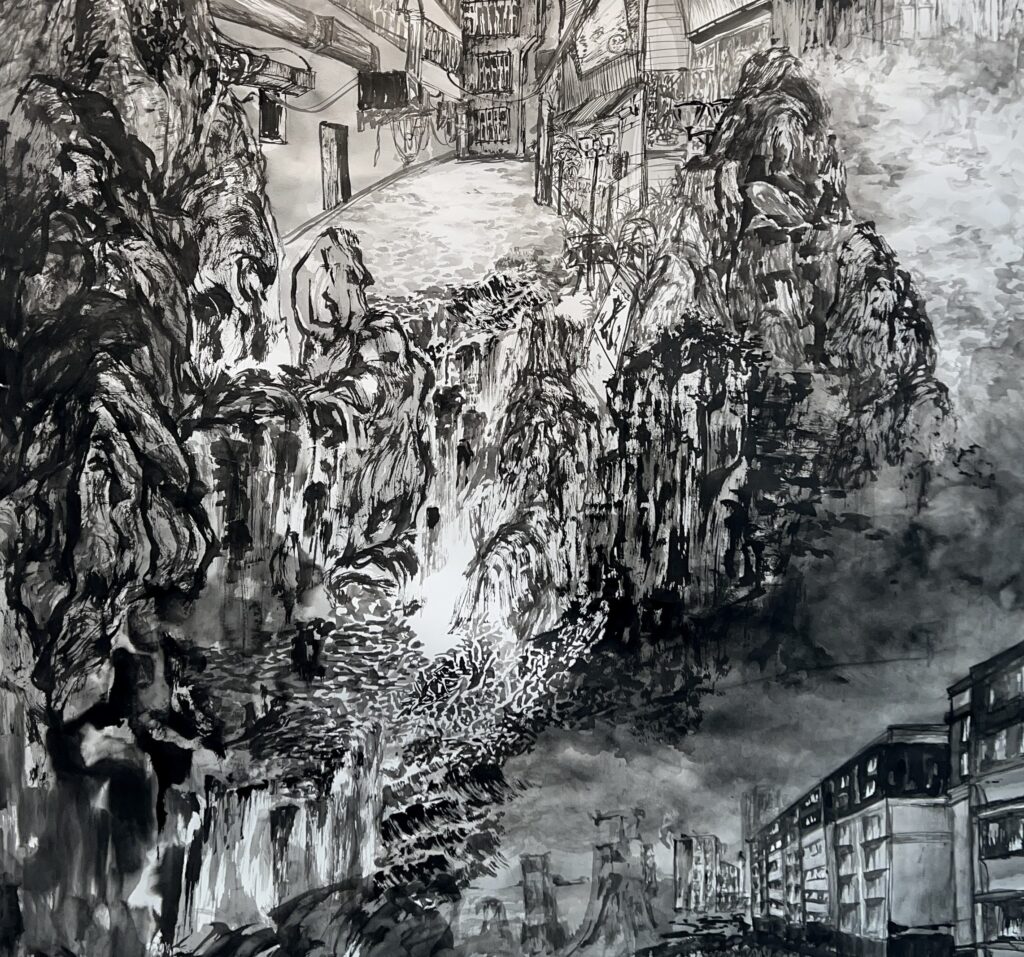
ECUAD 2025 Grad Show: Exhibition Piece
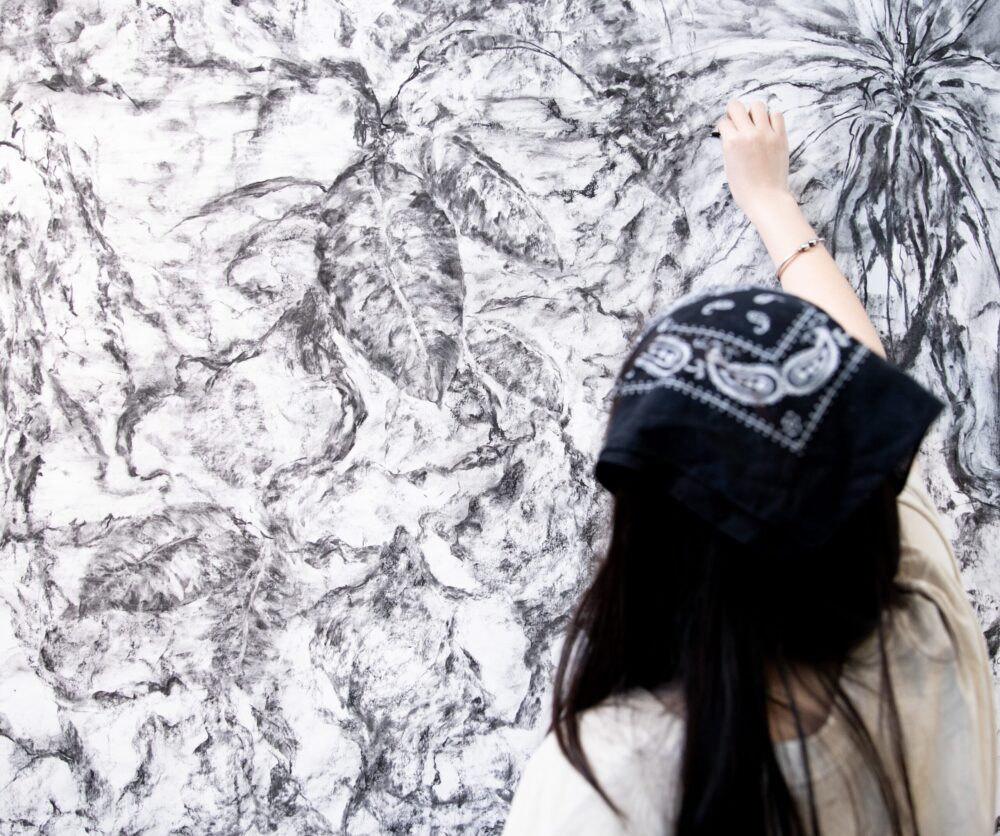
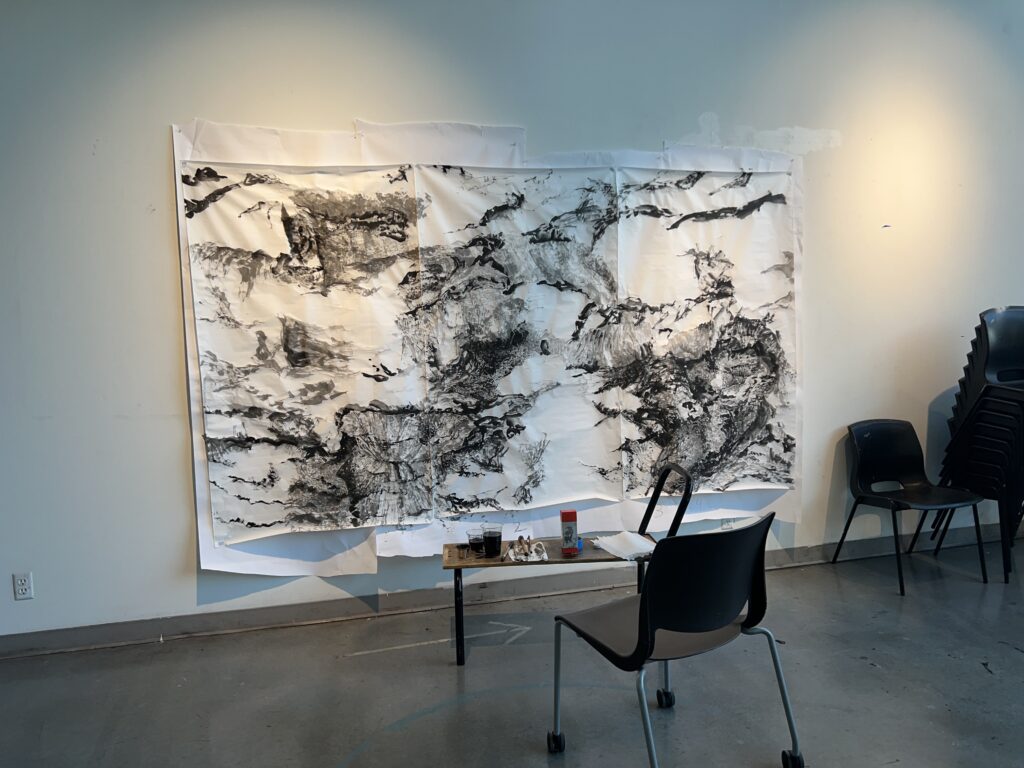
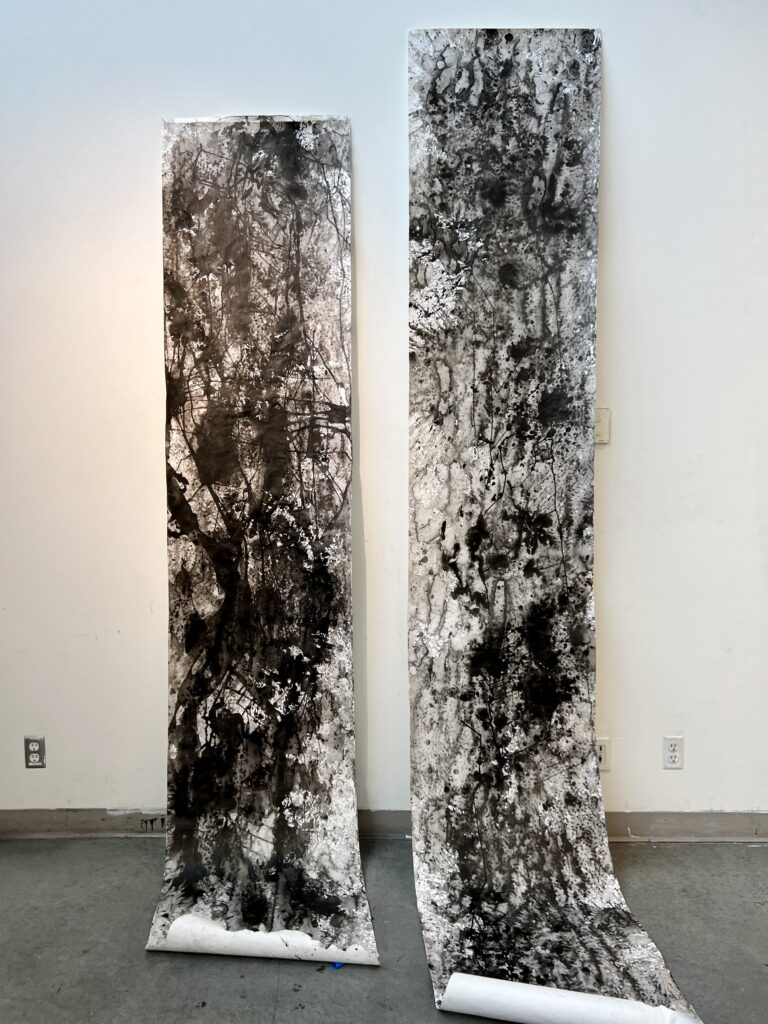
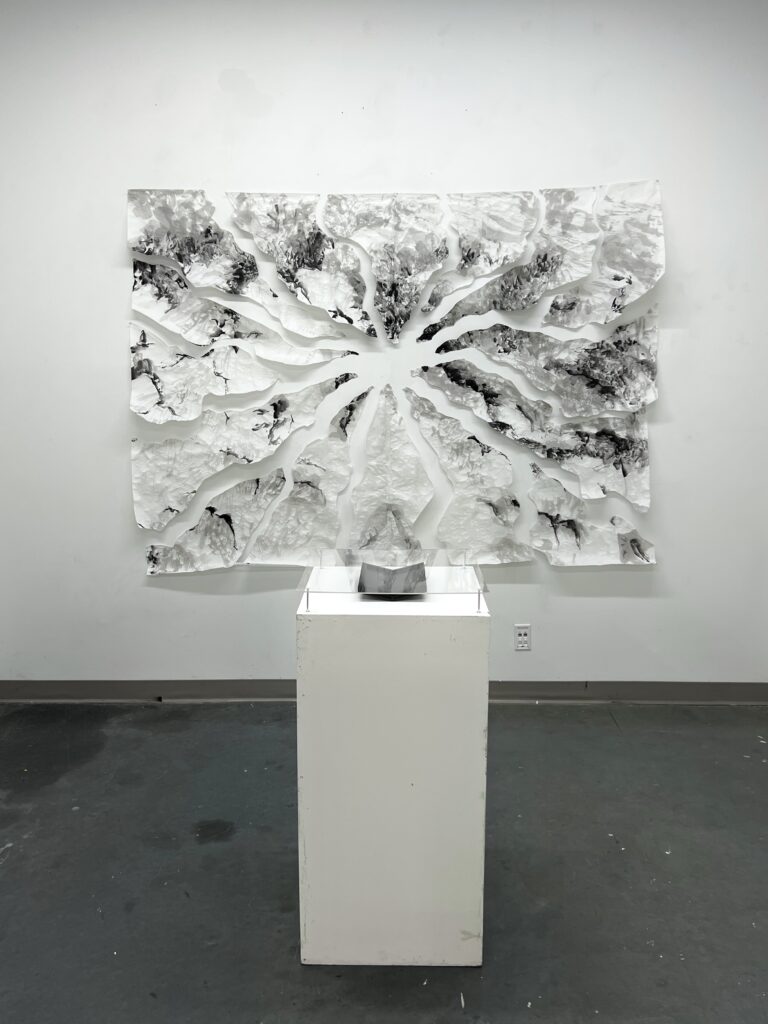
流脉 (Landflow), 2025
Nature is not separate from the self, but a mirror of its delusions.
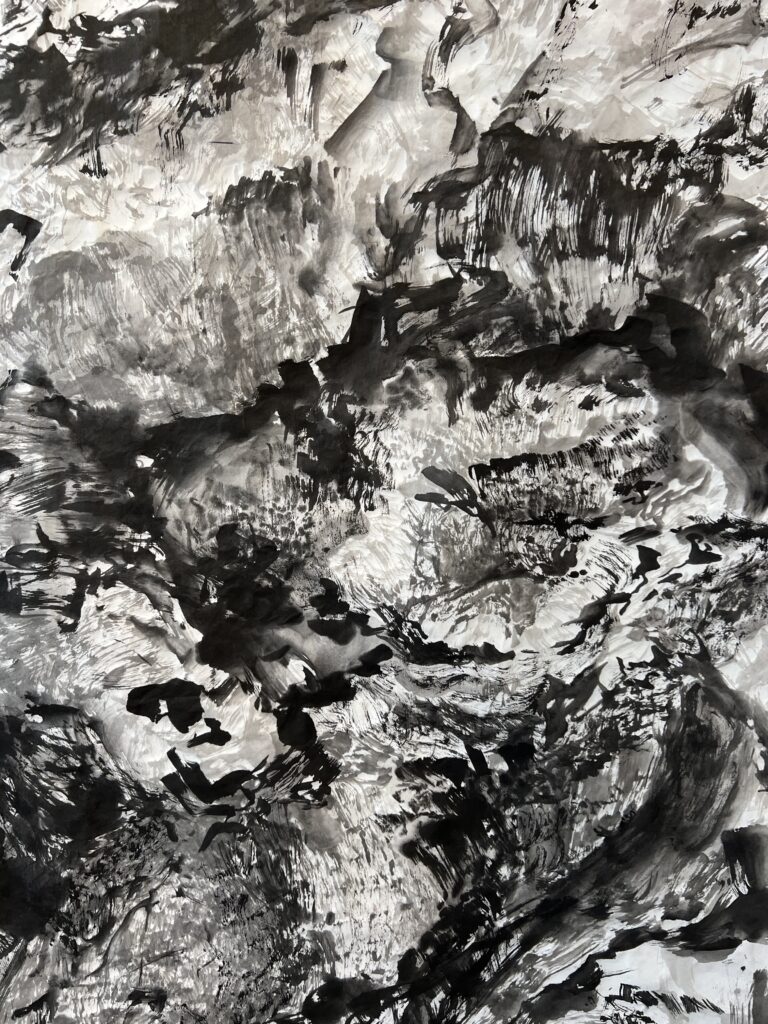
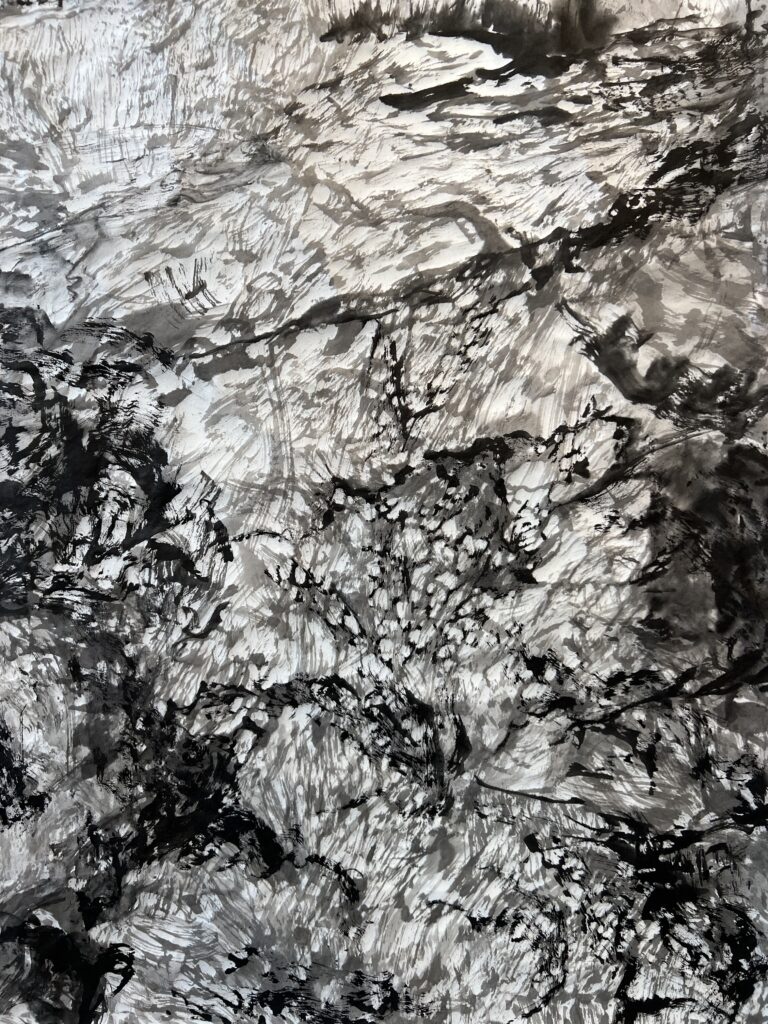
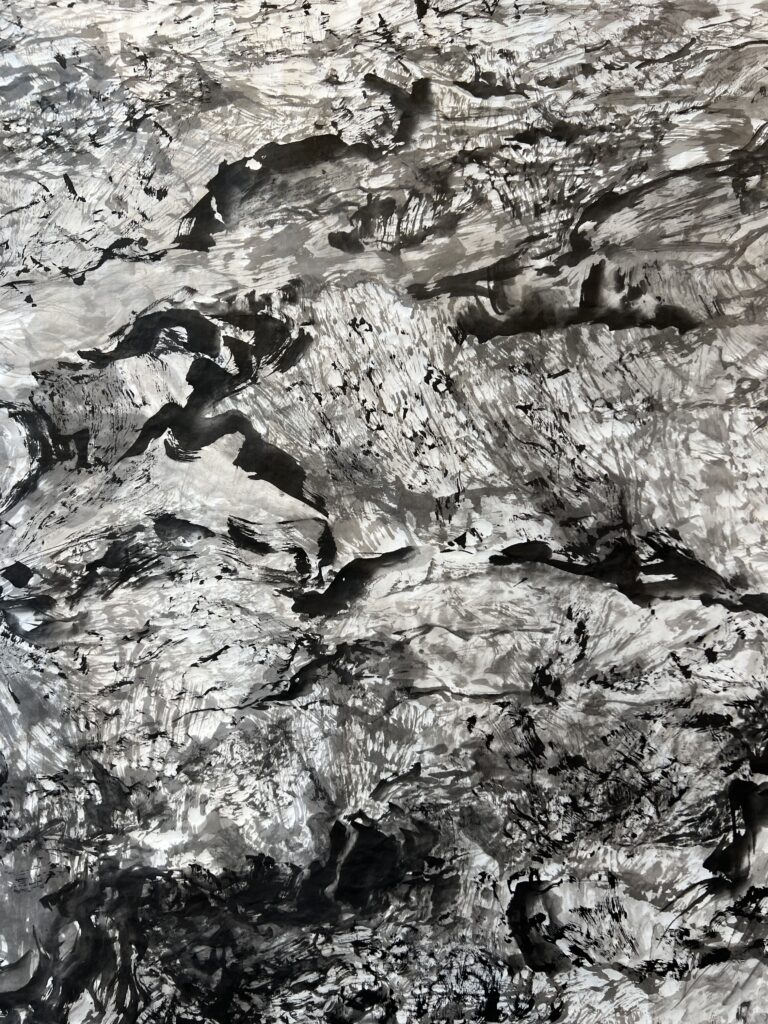
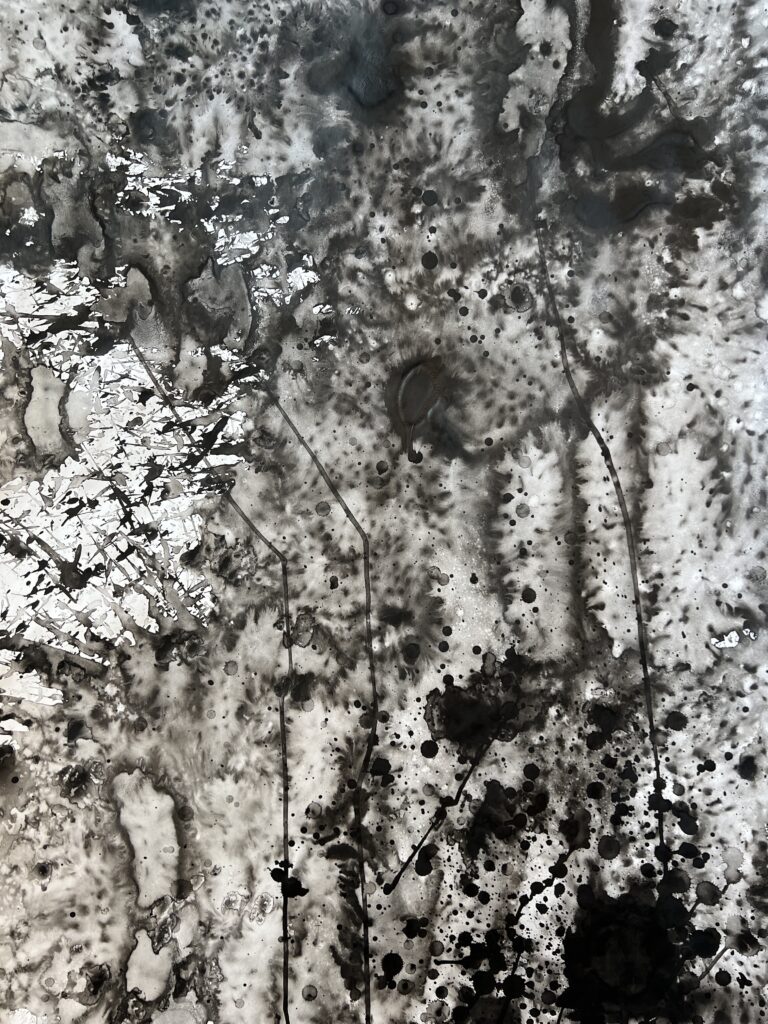
What do you see from 10 feet away? What emerges when viewed inches from the paper?
The shifting scale mirrors how we position ourselves in relation to nature.
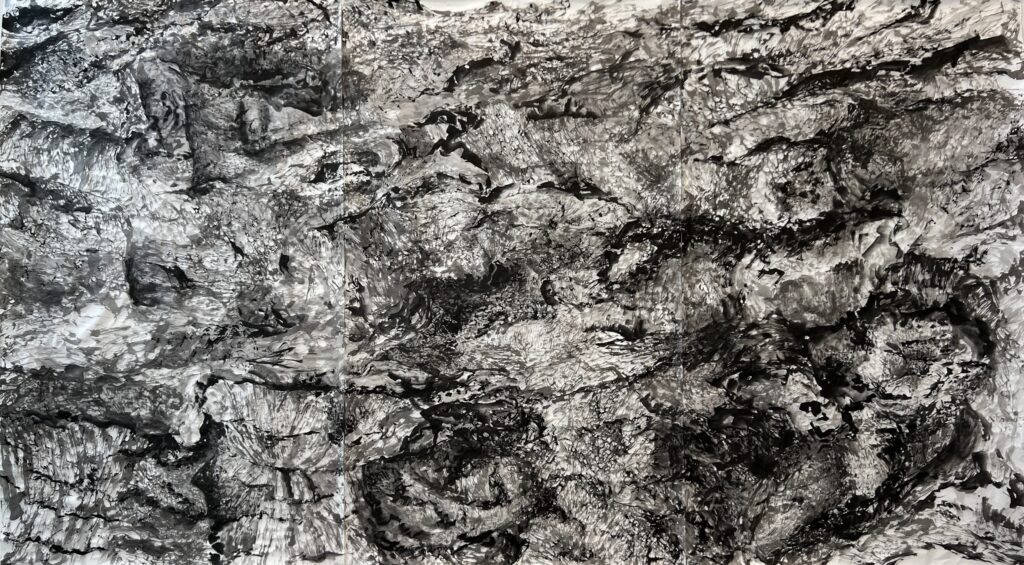
- Ink on rice paper, 114” x 64” (9.5’ x 5.4’)
- An abstract ink drawing based on the textures found in nature.
- Examining the microscopic/macroscopic textures and landscape of how nature presents itself.
- Emphasizing details & density, using different mark-making techniques to reflect what we perceive as organic/natural.
Process // Details
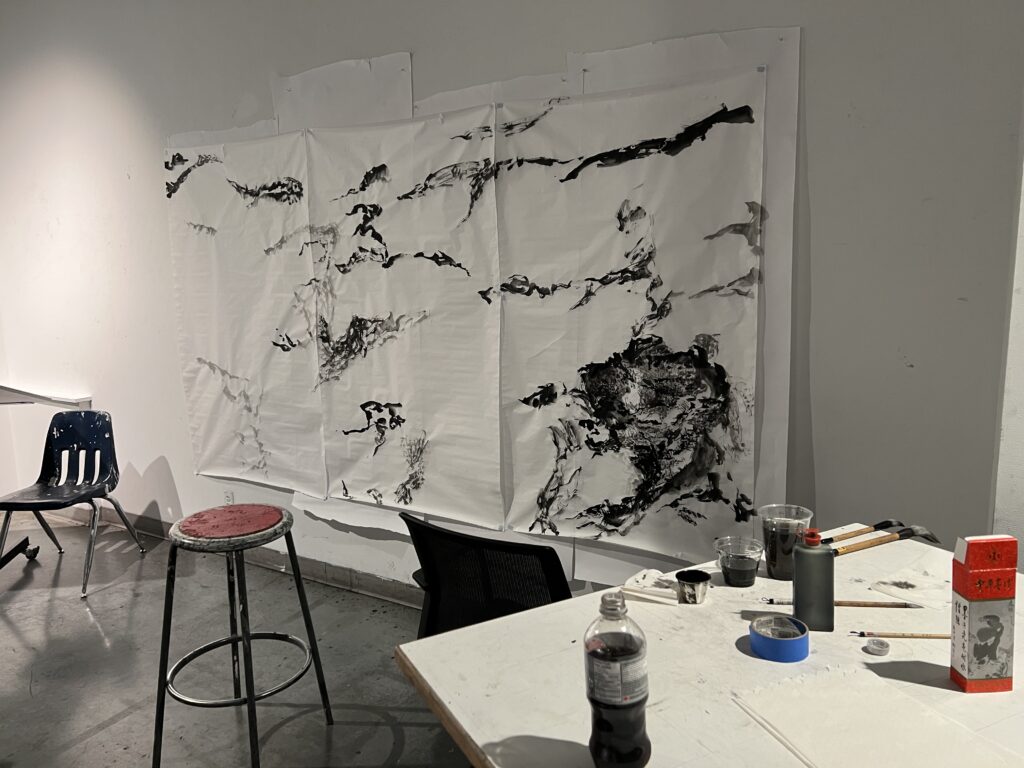
INK & BRUSH
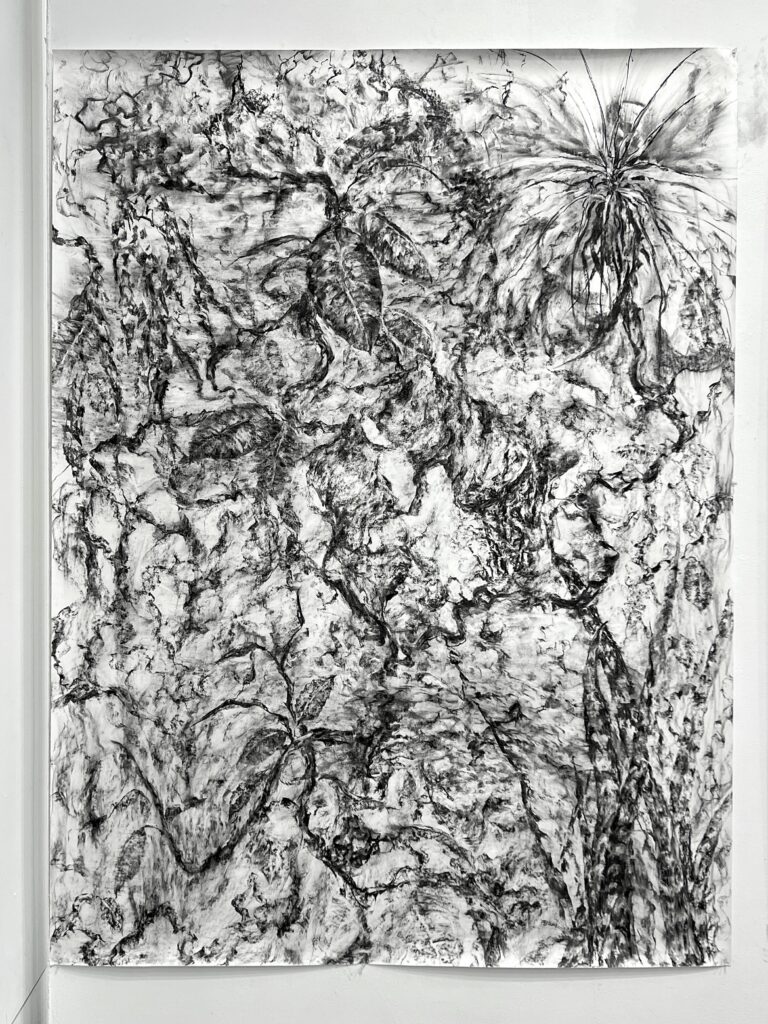
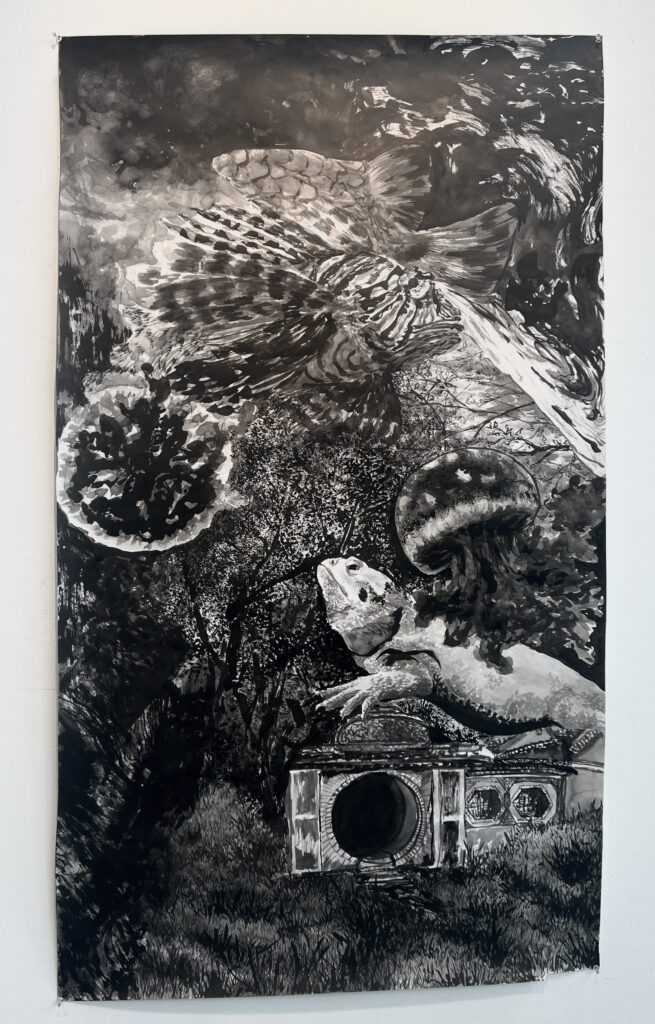
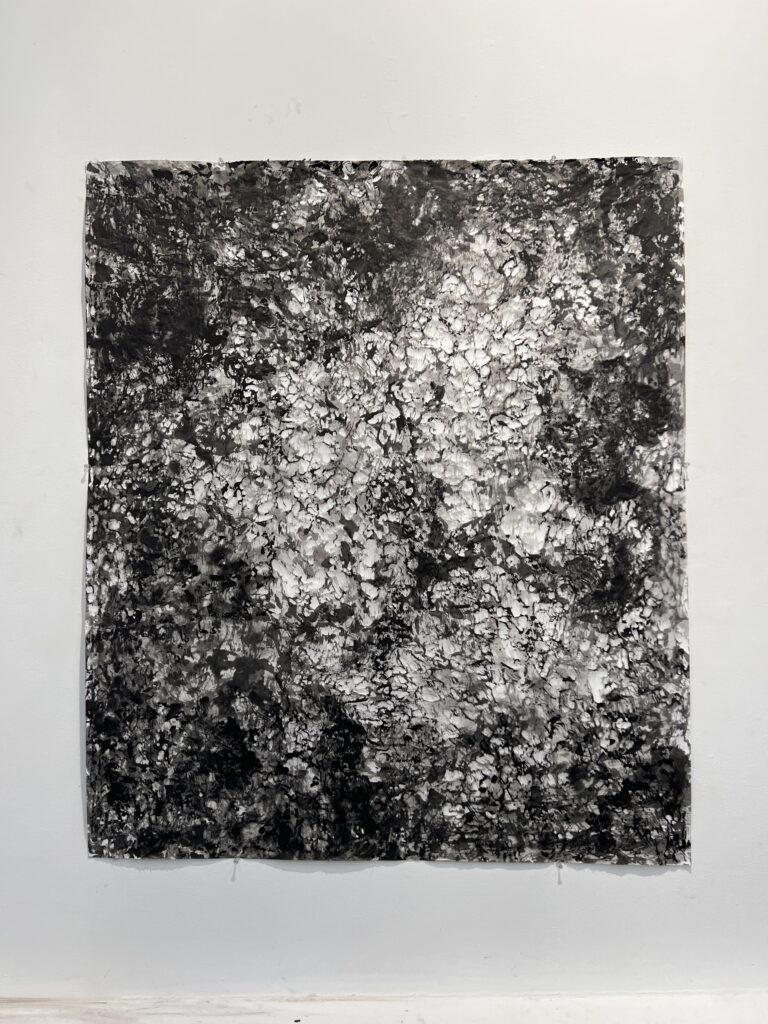
Branches (2025)
Charcoal on paper
59″ x 79″
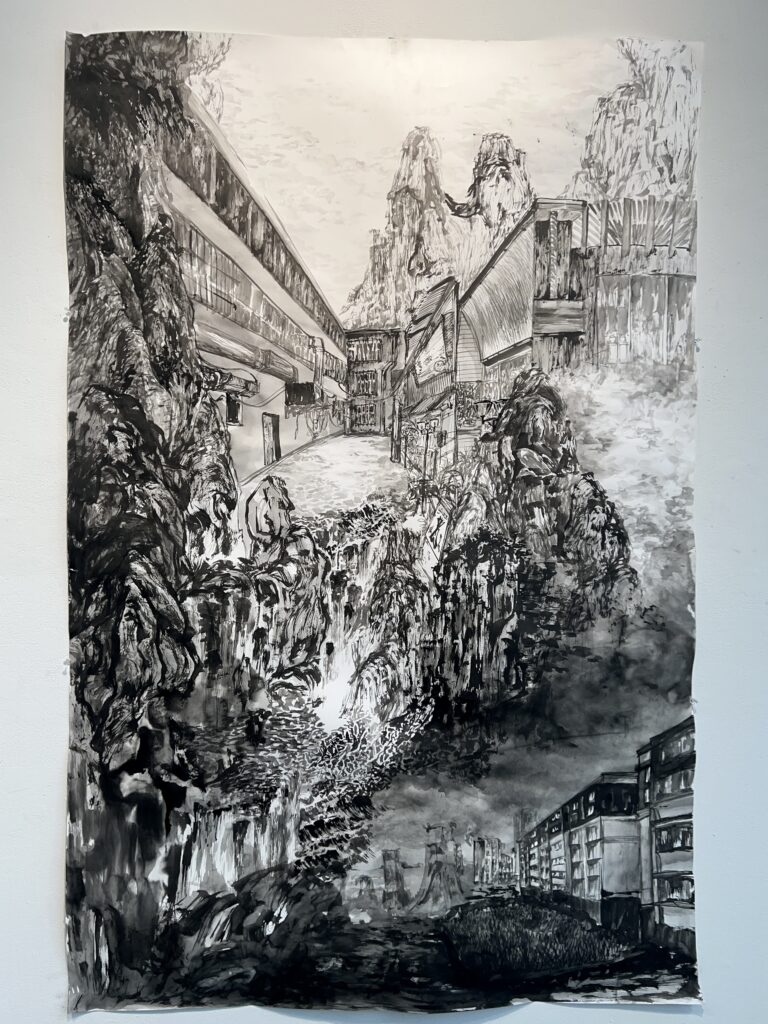
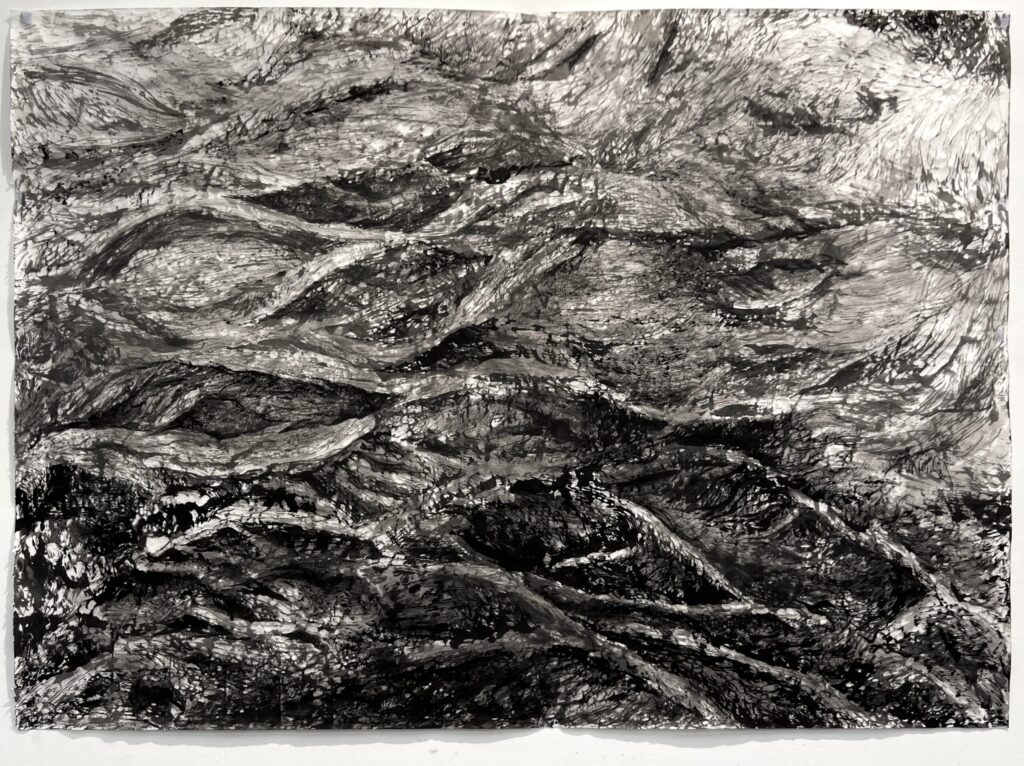
Home (2024)
Ink on paper
34” x 59”
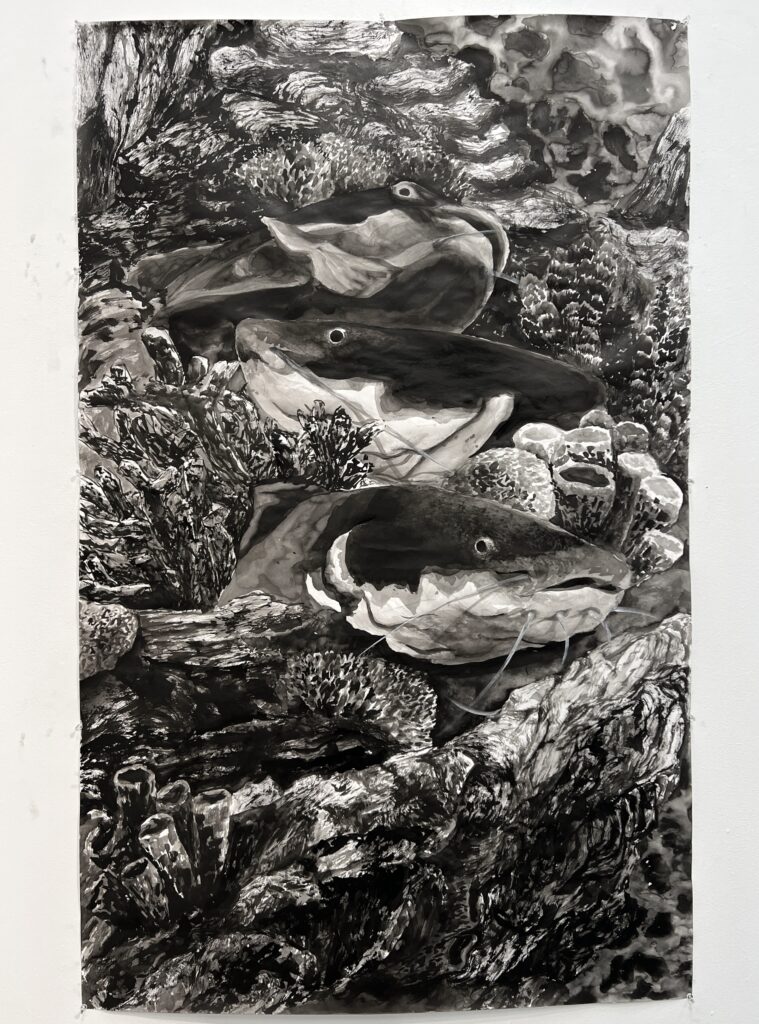
Home II (2024)
Ink on paper
38” x 59”
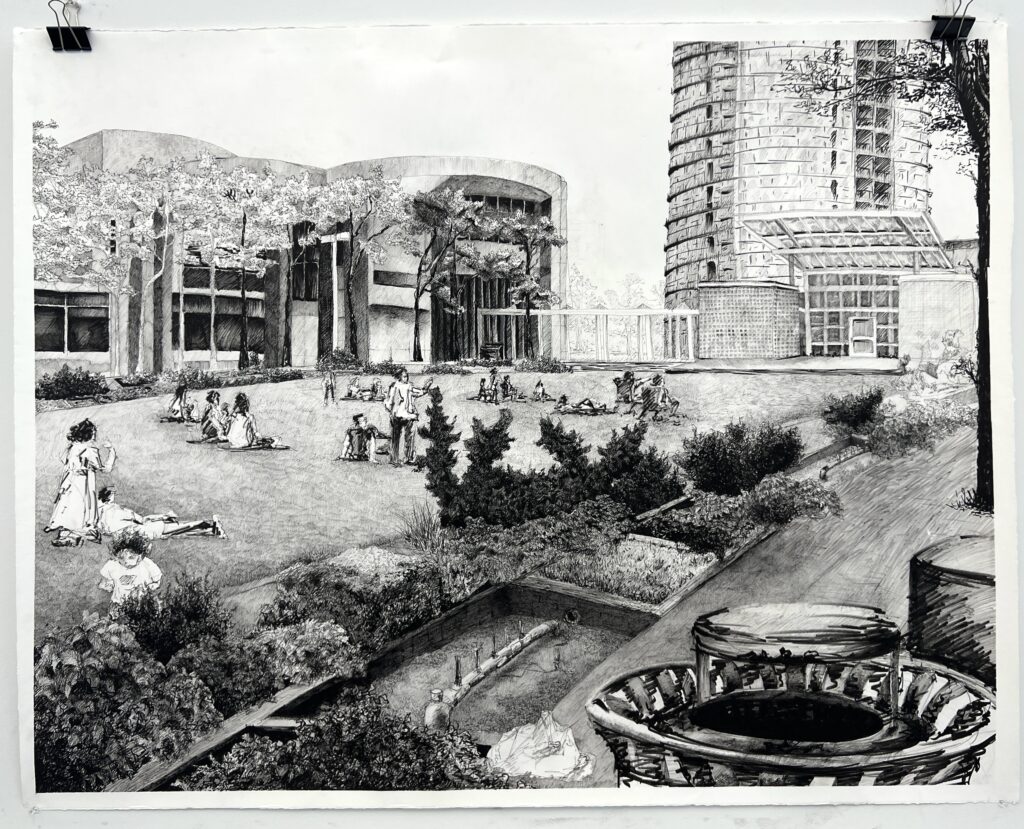
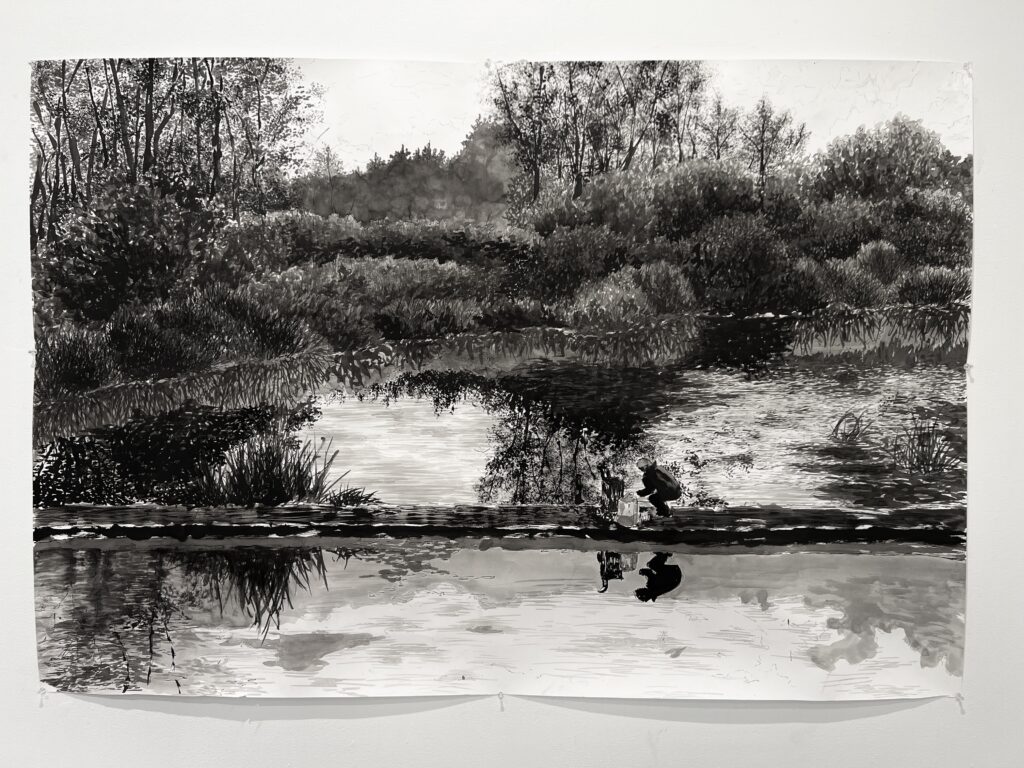
Burnaby Central Park (2023)
Ink & fine liner on paper
53” x 42”
INSTALLATIONS
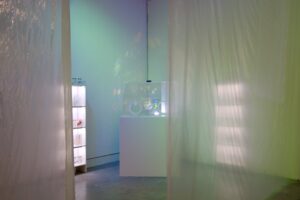
Ink-Well (2025)
“Look but don’t touch.”
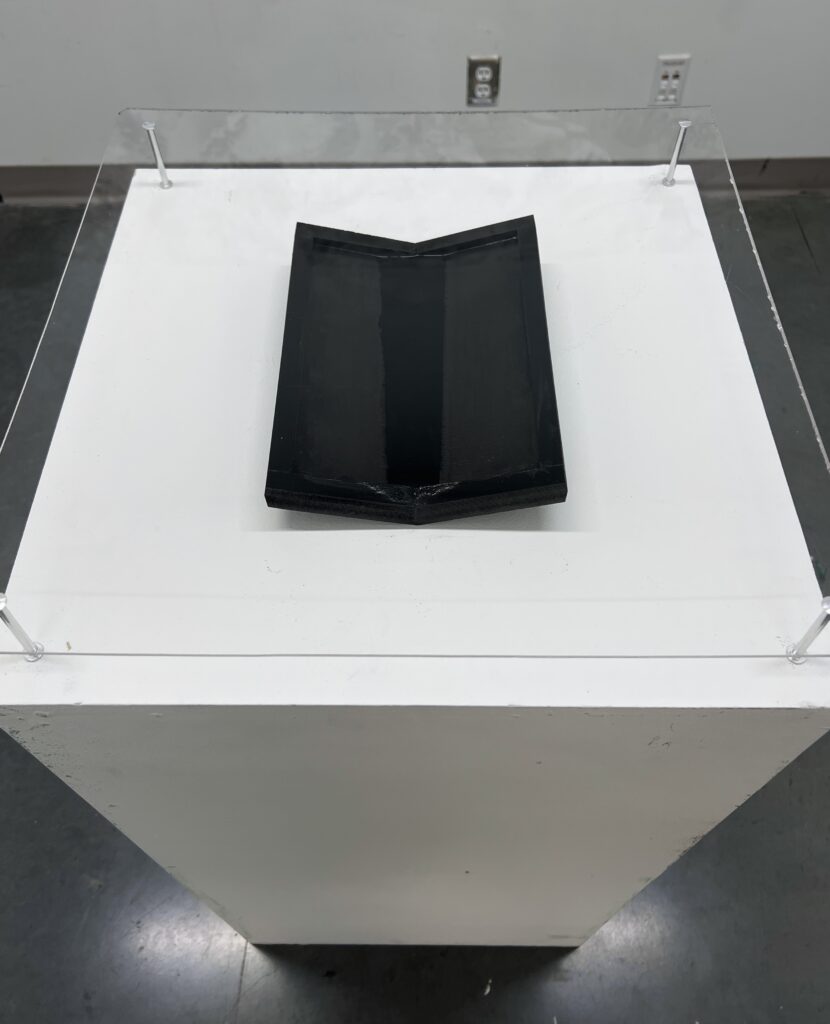
- Orientalism & the Western gaze: the mystification of calligraphy painting.
- What does it mean when calligraphy products are made readily available in the city despite the lack of access to any legitimate program?
Inspiration: Traditional Inkwell & Open book
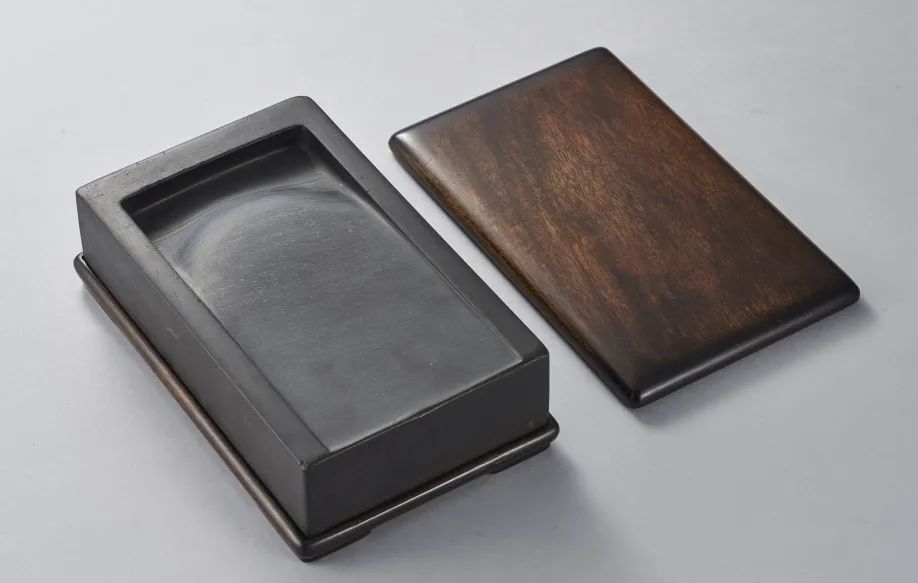

- Removal of both item’s dominant function: The inkwell that cannot hold ink & the inaccessible book placed behind glass.
“Merchandise”
What is being branded and sold? Whose culture is on display?
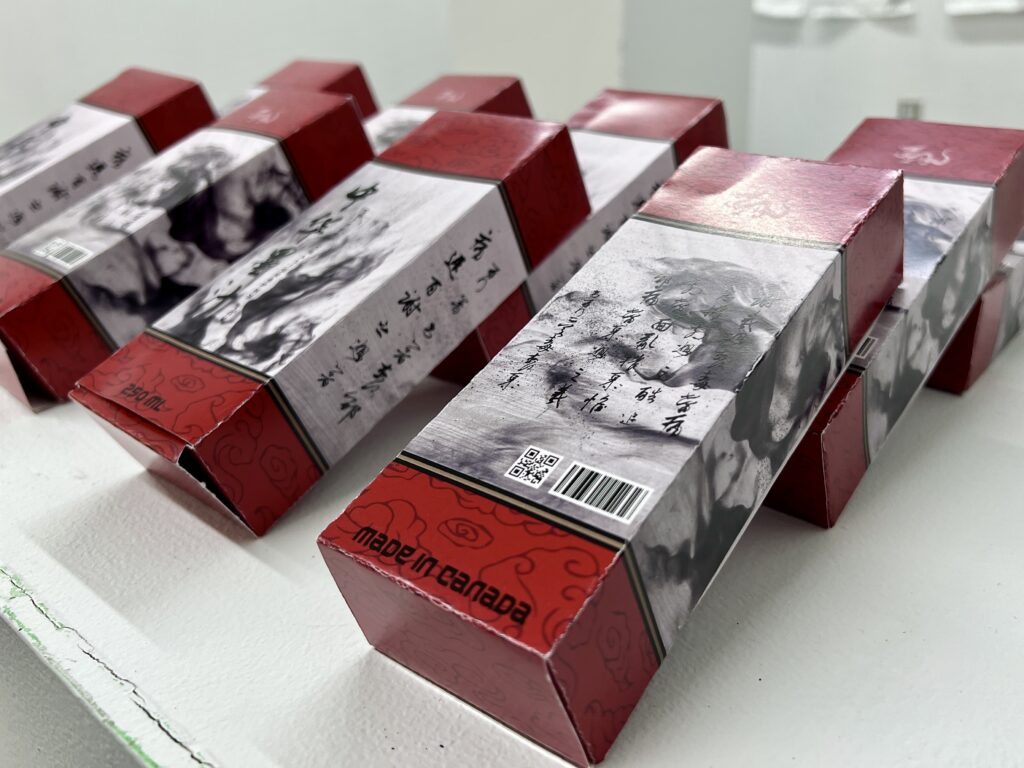
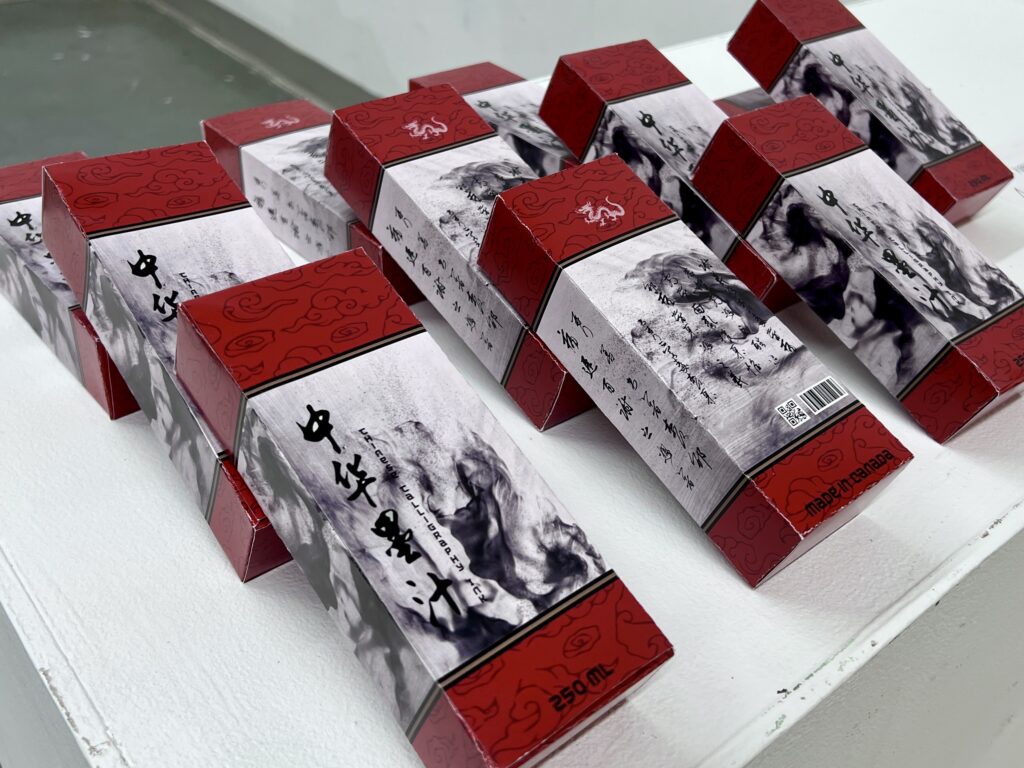
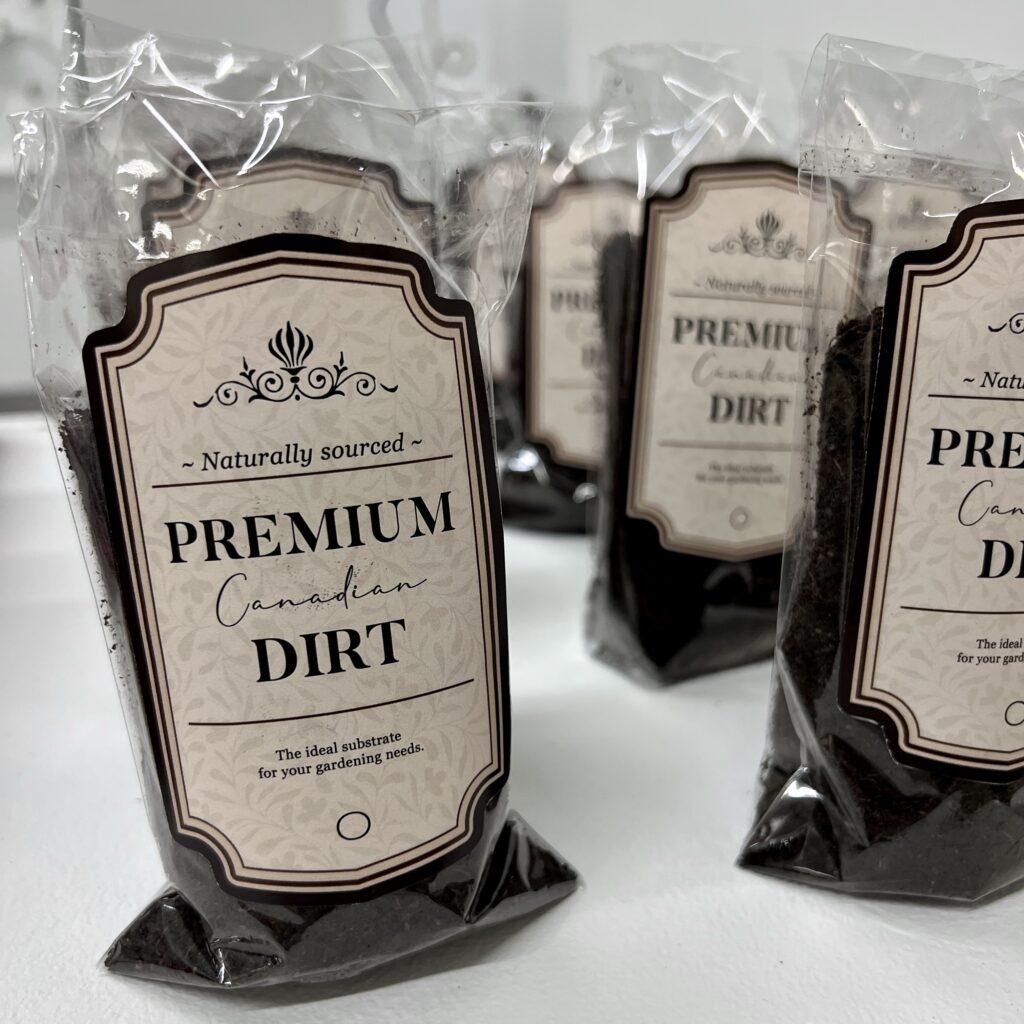
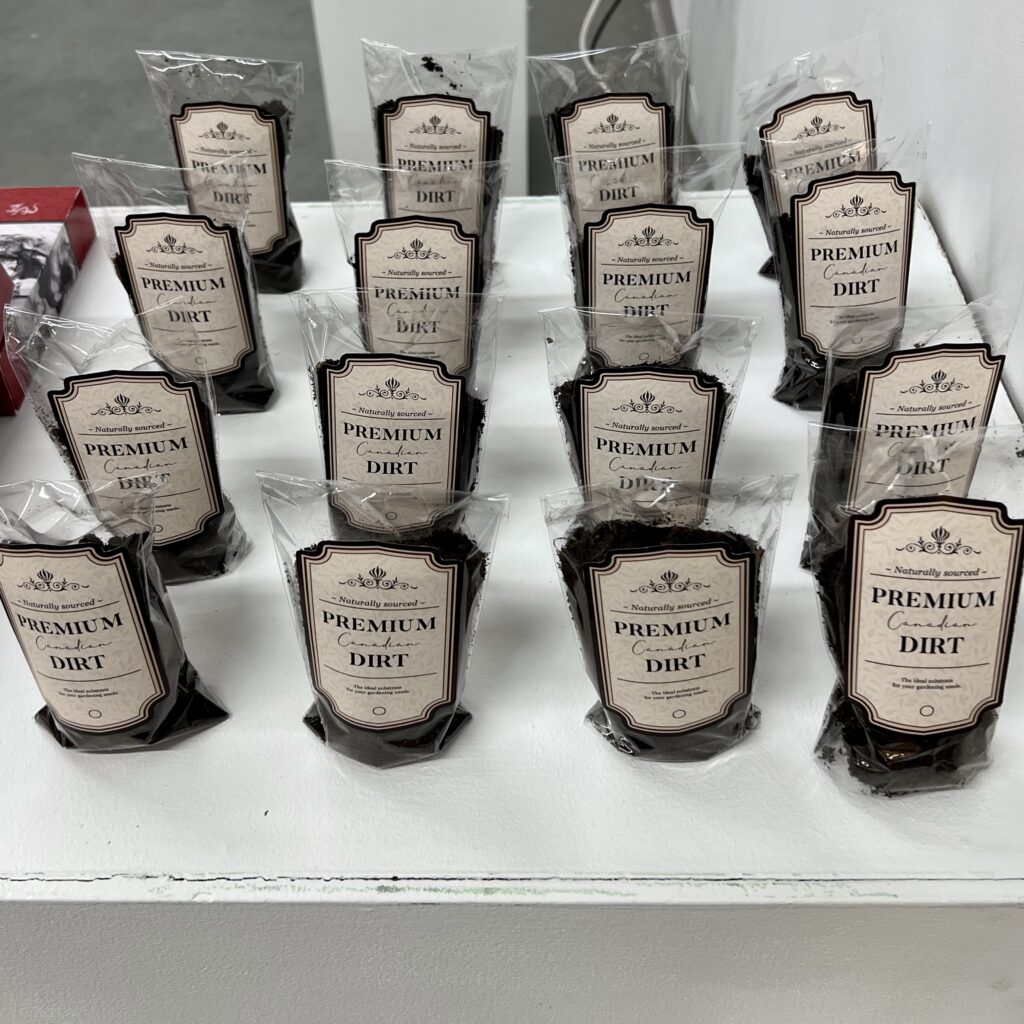
Thinking along the lines of cultural fetishization and appropriation in mass-produced products in both Eastern and Western worlds:
- Ink boxes riddled with nonsensical characters and borrowed oriental symbols.
- Packages of Premium Canadian Dirt, distorting and commercializing parts of a land.
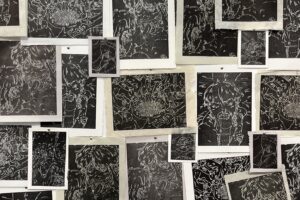
Lineage (2025)
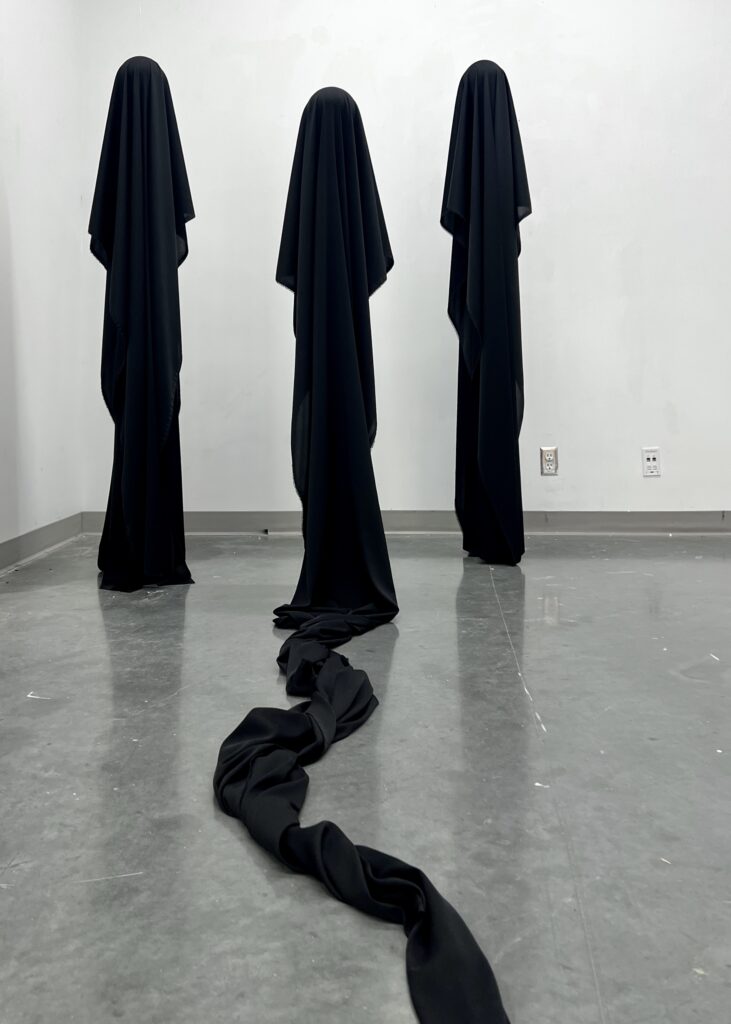
The Chinese term “青丝” poetically refers to hair, translated literally as “black threads.”
- Reflecting on heritage, femininity, and identity – what black hair represents and signifies under the gaze of the Other, as an Other.
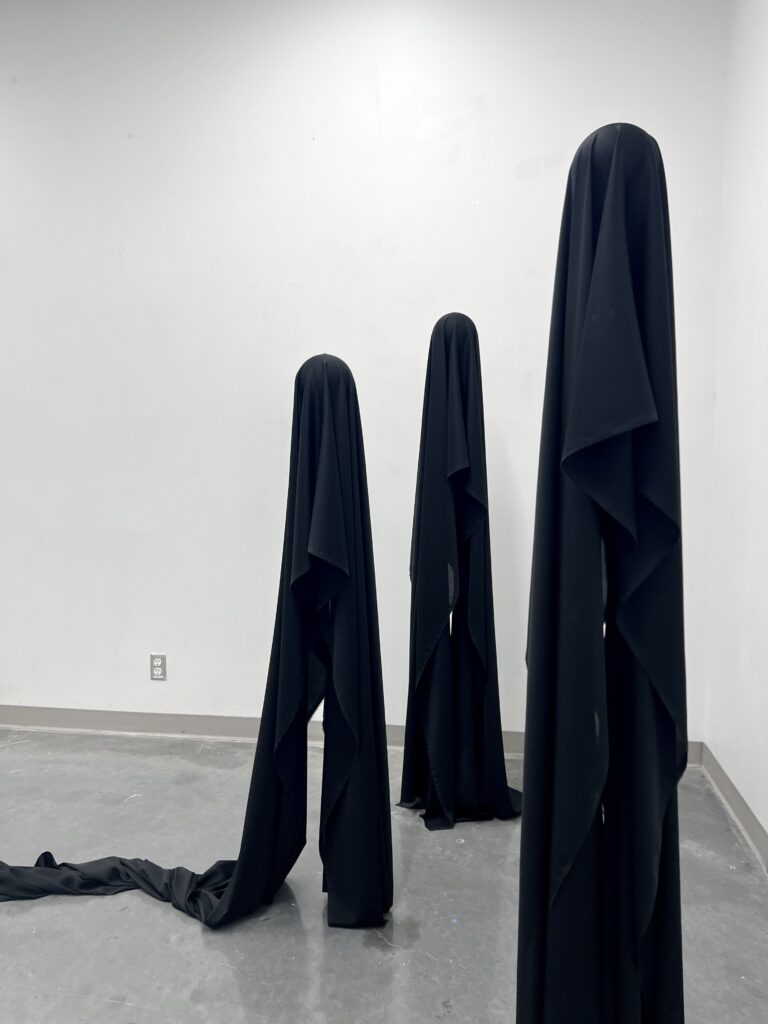
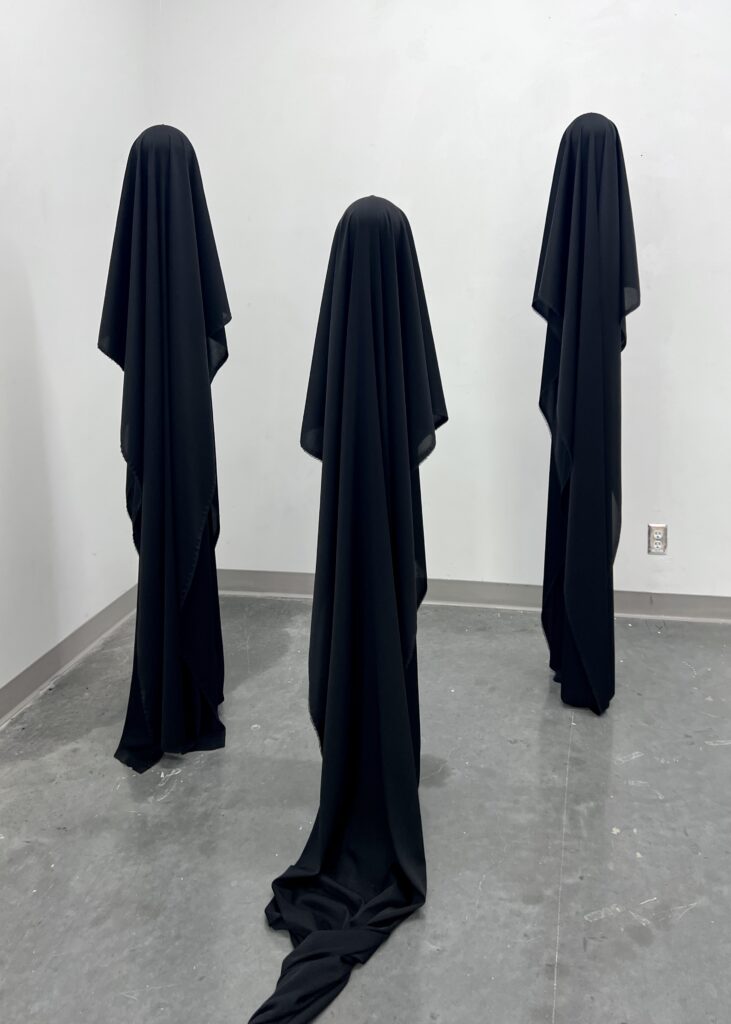
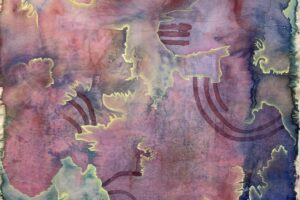
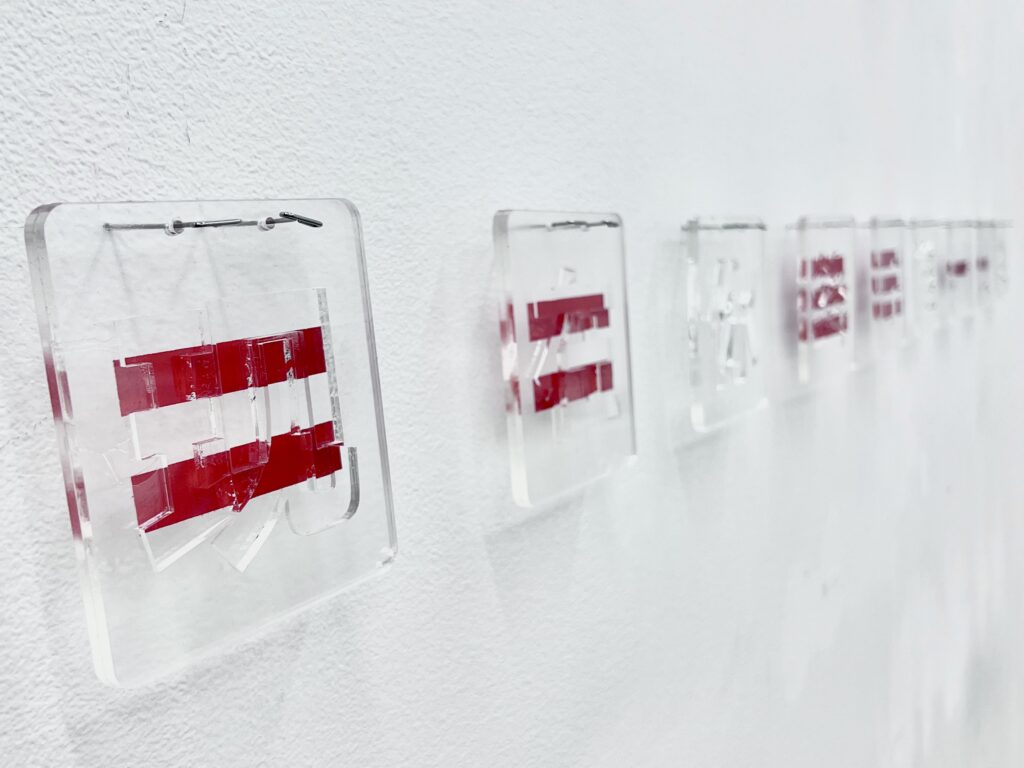
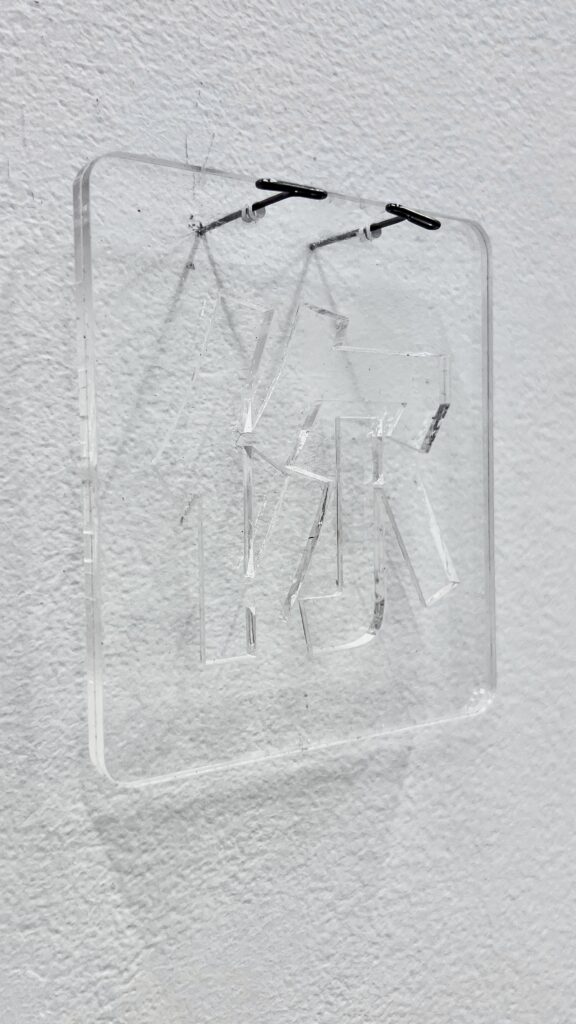
现在你终于能看见我 (2025)
“Now you can finally see me.”
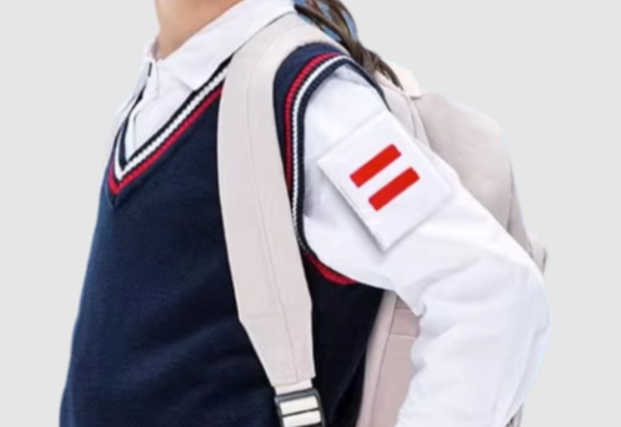
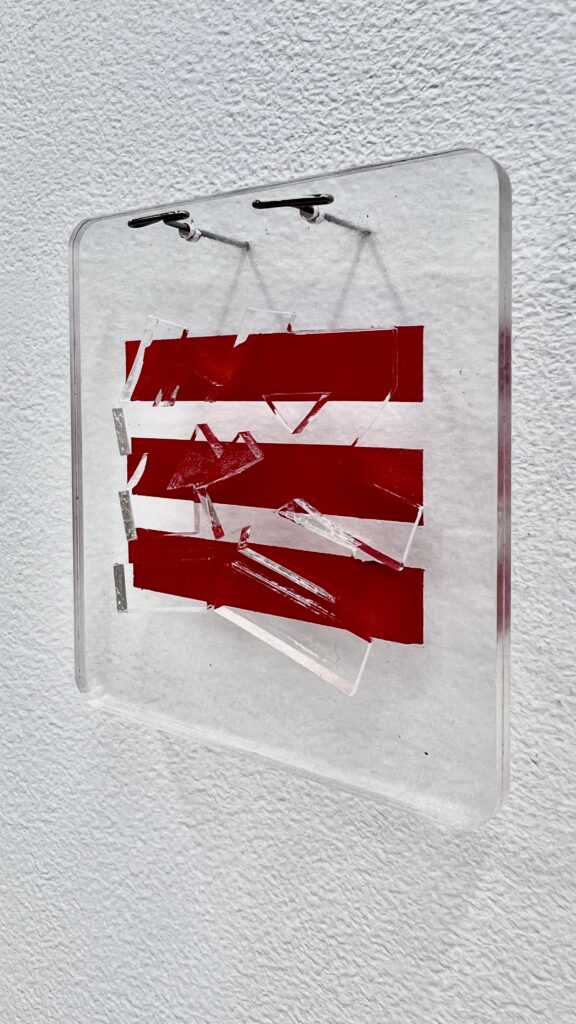
Inspiration: 三道杠 (Marked badges)
- Three variants of sleeve badges, marked by one to three bars. They signify a ranking system based on an elementary student’s obedience and academic grades.
- Representing a selective hierarchal position: Having three bars on the sleeve as a child meant recognition, respect, and privilege among peers and authority.
- The intense focus on a child’s achievements has fuelled an education system driven by the scarcity mindset.
- Children who aren’t competitive are often dismissed and rendered invisible.
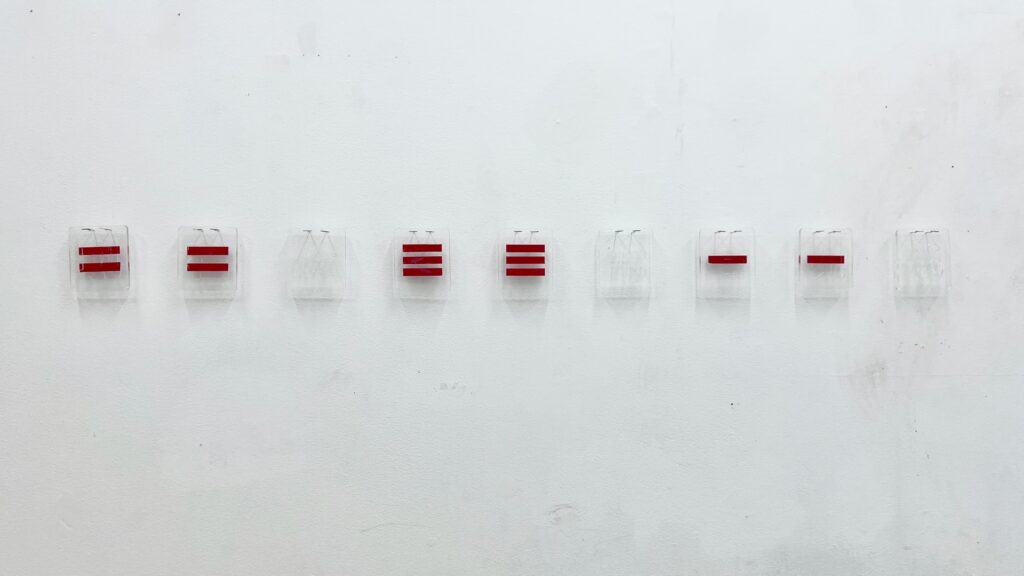
The intended audience is those who have lived through this systematic repression and constant dismissal.
These characters – now you can finally see me – remain obscured, becoming visible and legible only approached at close range.
A quiet plead for acceptance.
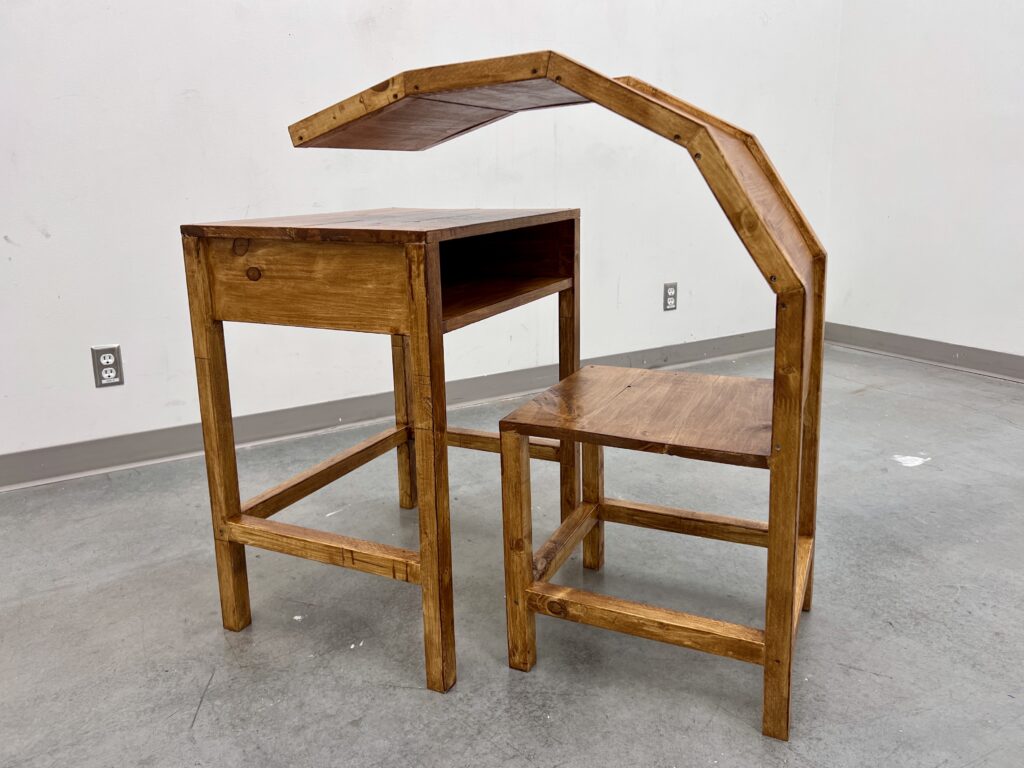
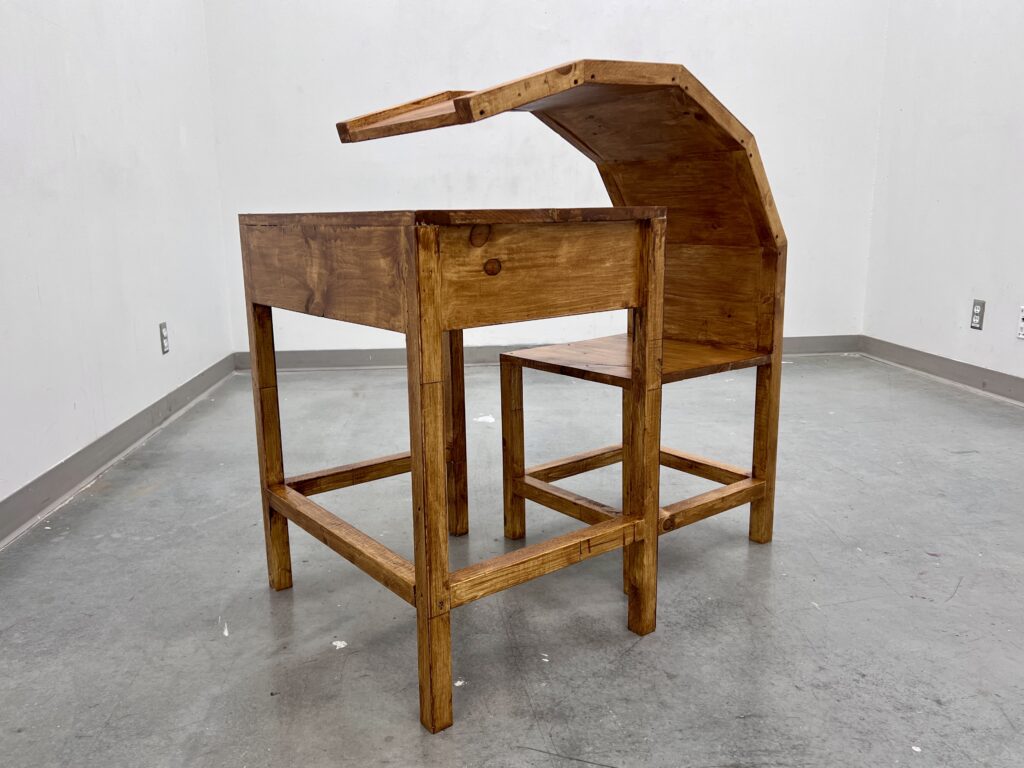
“Sit Up” (2025)
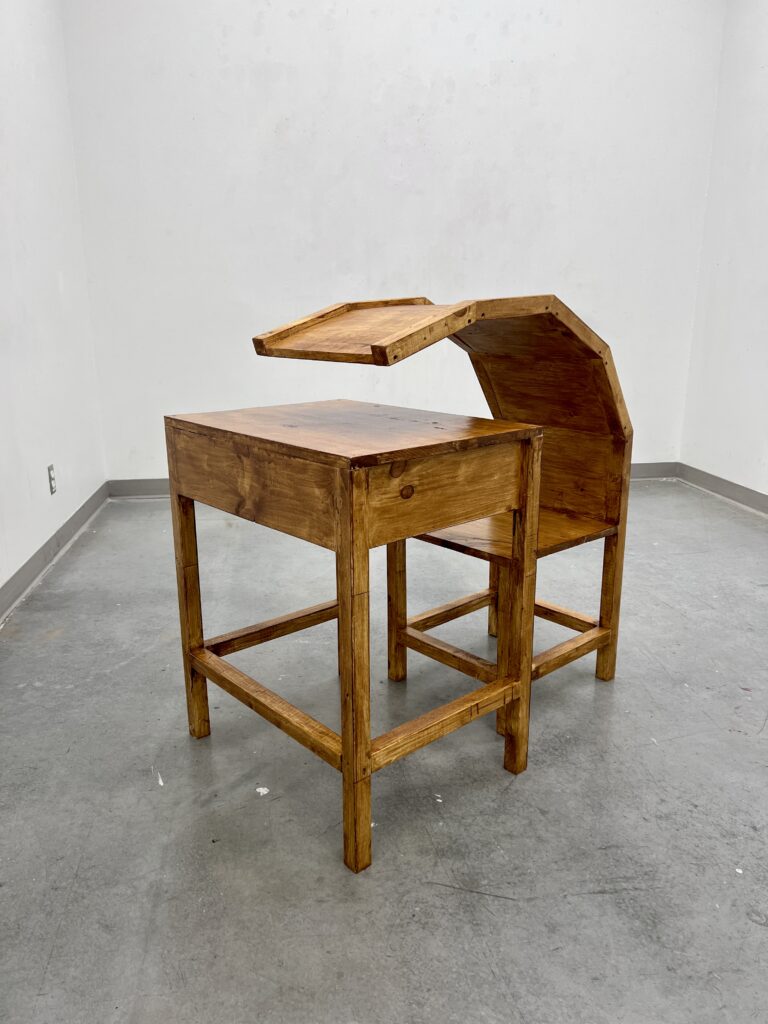
“坐直了。”
“坐直了, 别老弯个腰。”
“你倒想上哪去?”
“回去学习。”
“坐直了。”
“Sit up.”
“Sit up, keep your back straight.”
“Where do you think you’re going?”
“Back to your studies.”
“Sit up.”