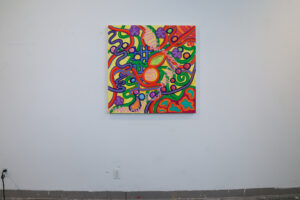
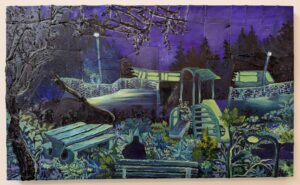
Drawing Without Conclusion
Anna Pyper
See it On Campus: Level 1
Head straight down the hall from the buildings East facing entrance, turning into the enclosed gallery on your first left.
Visitor InfoPervasive realities drawn without conclusion.
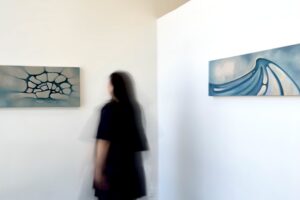
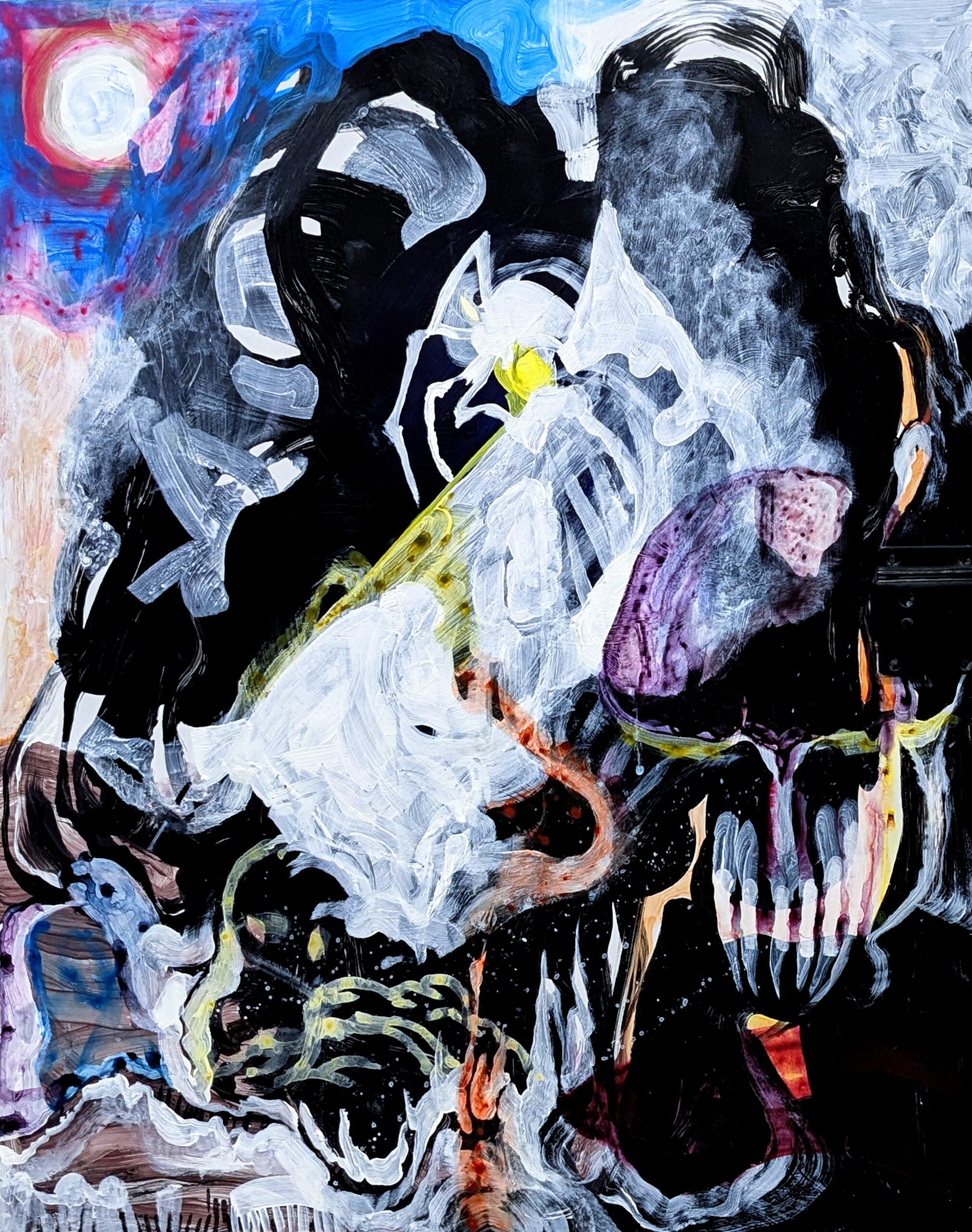
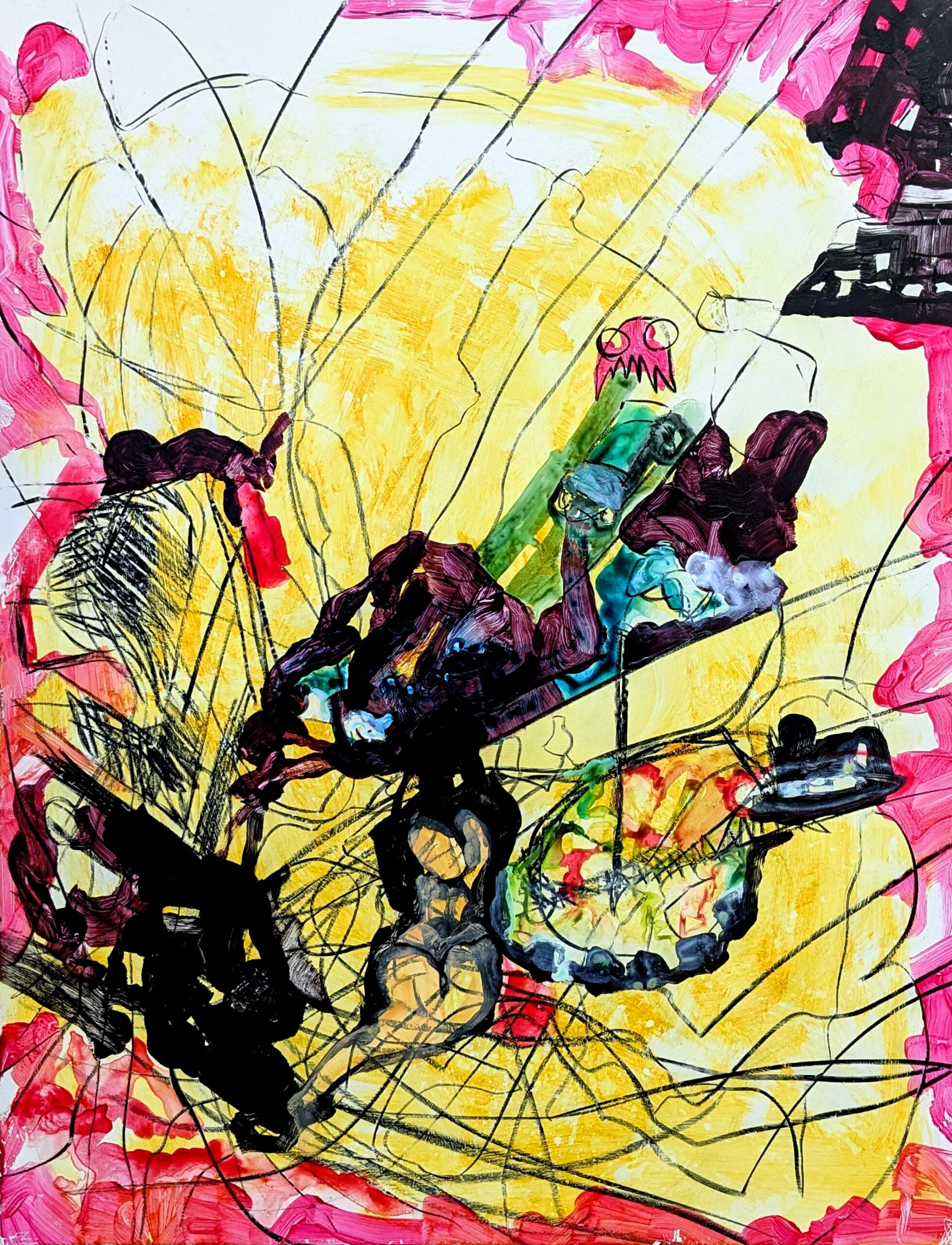
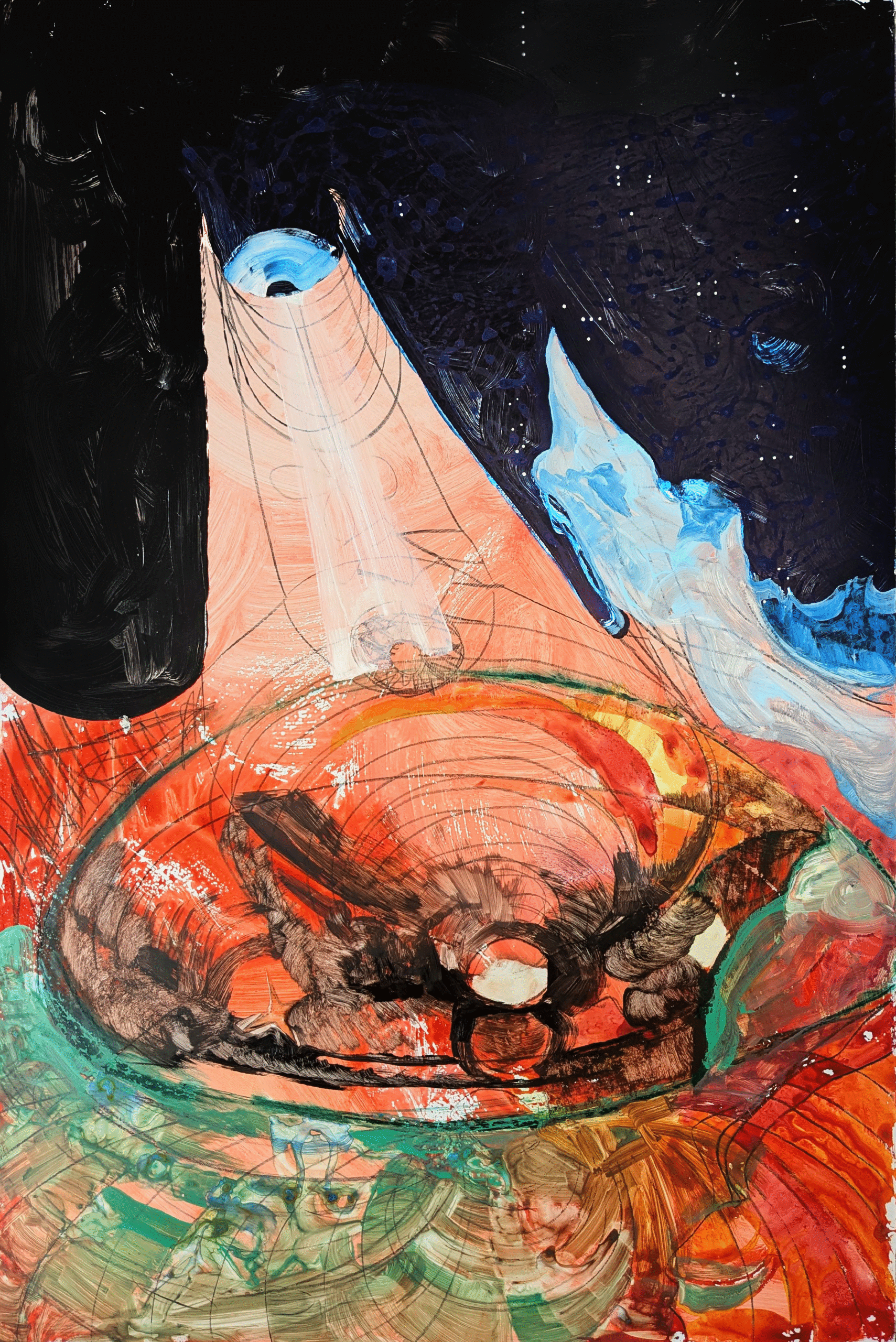
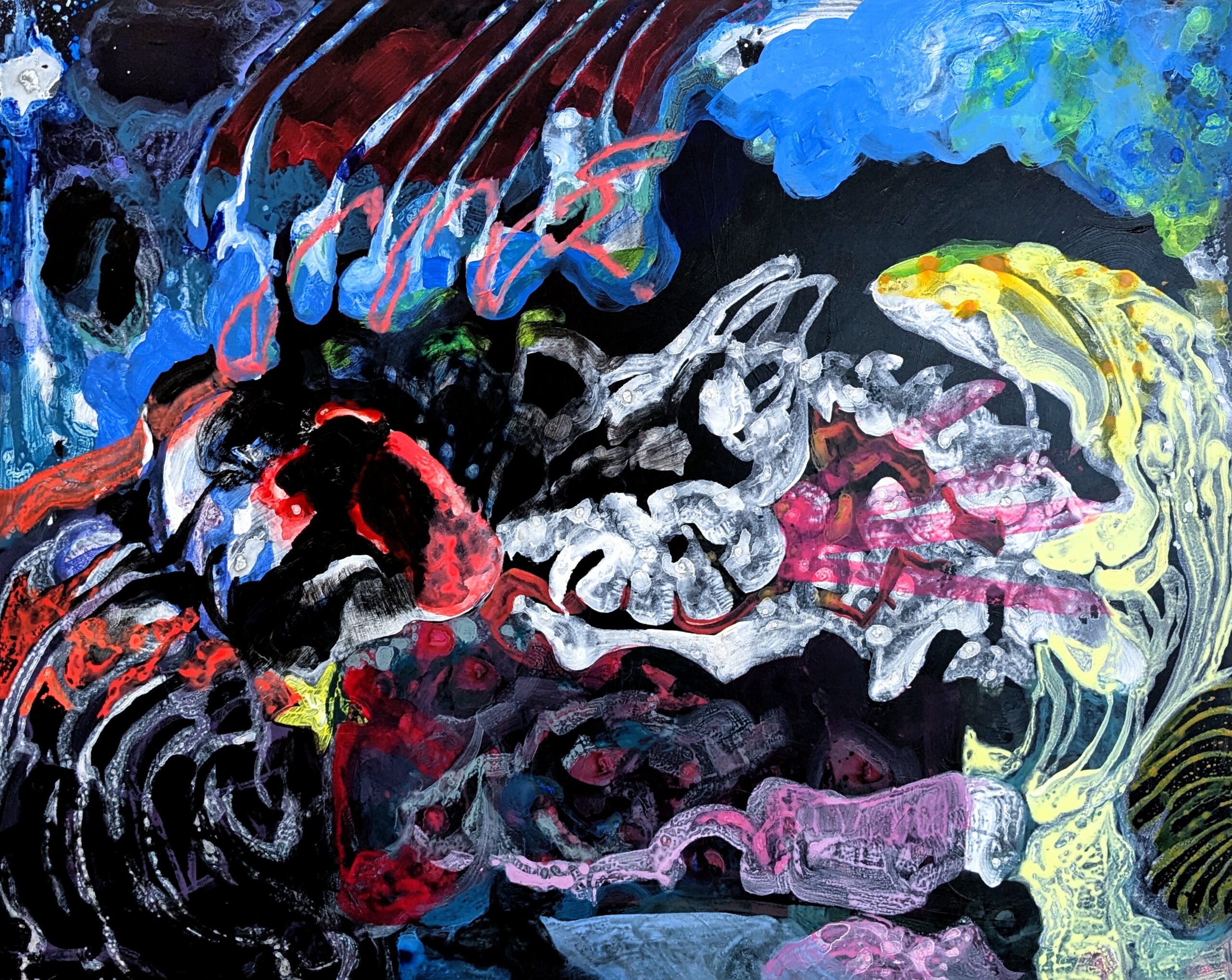
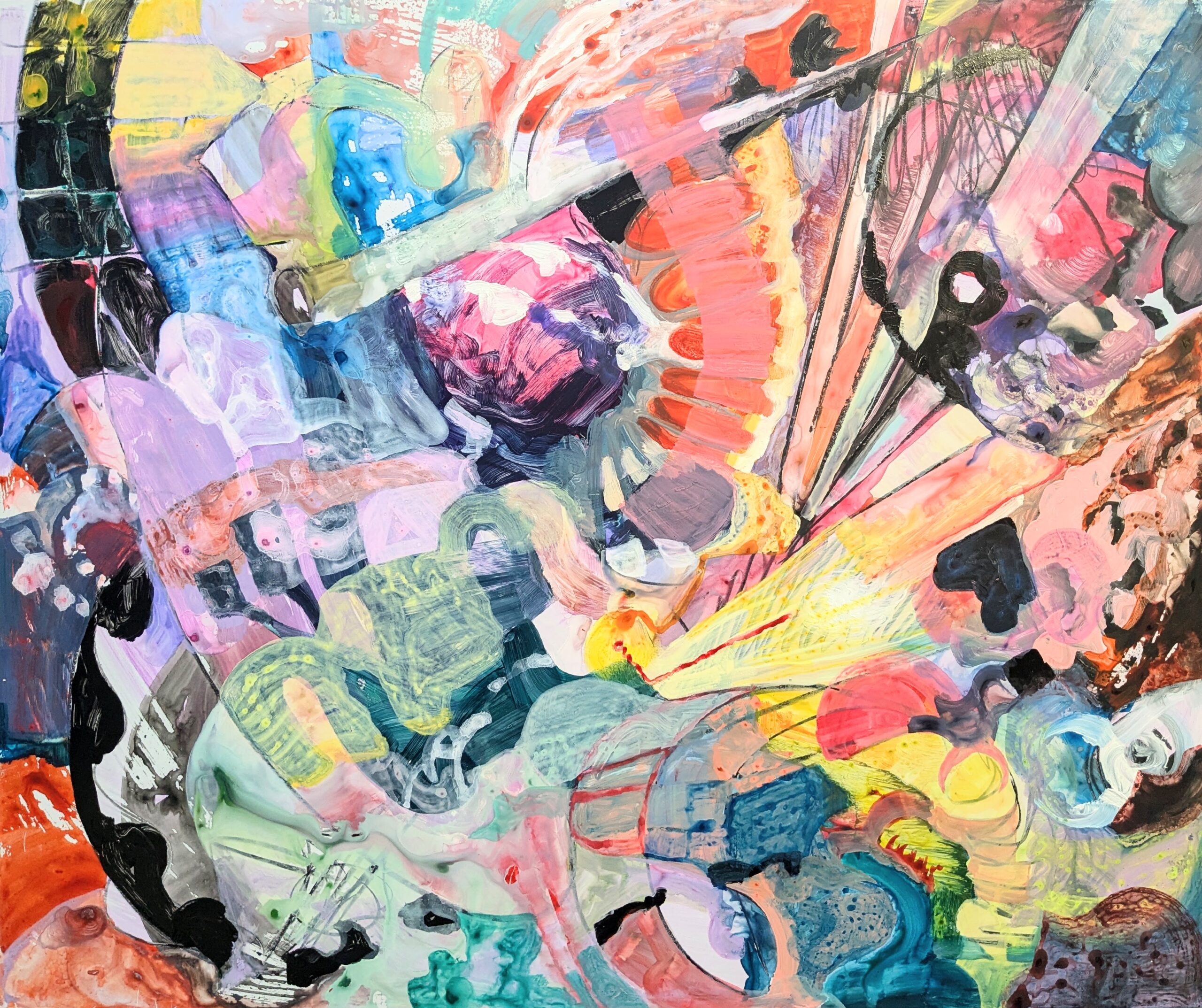
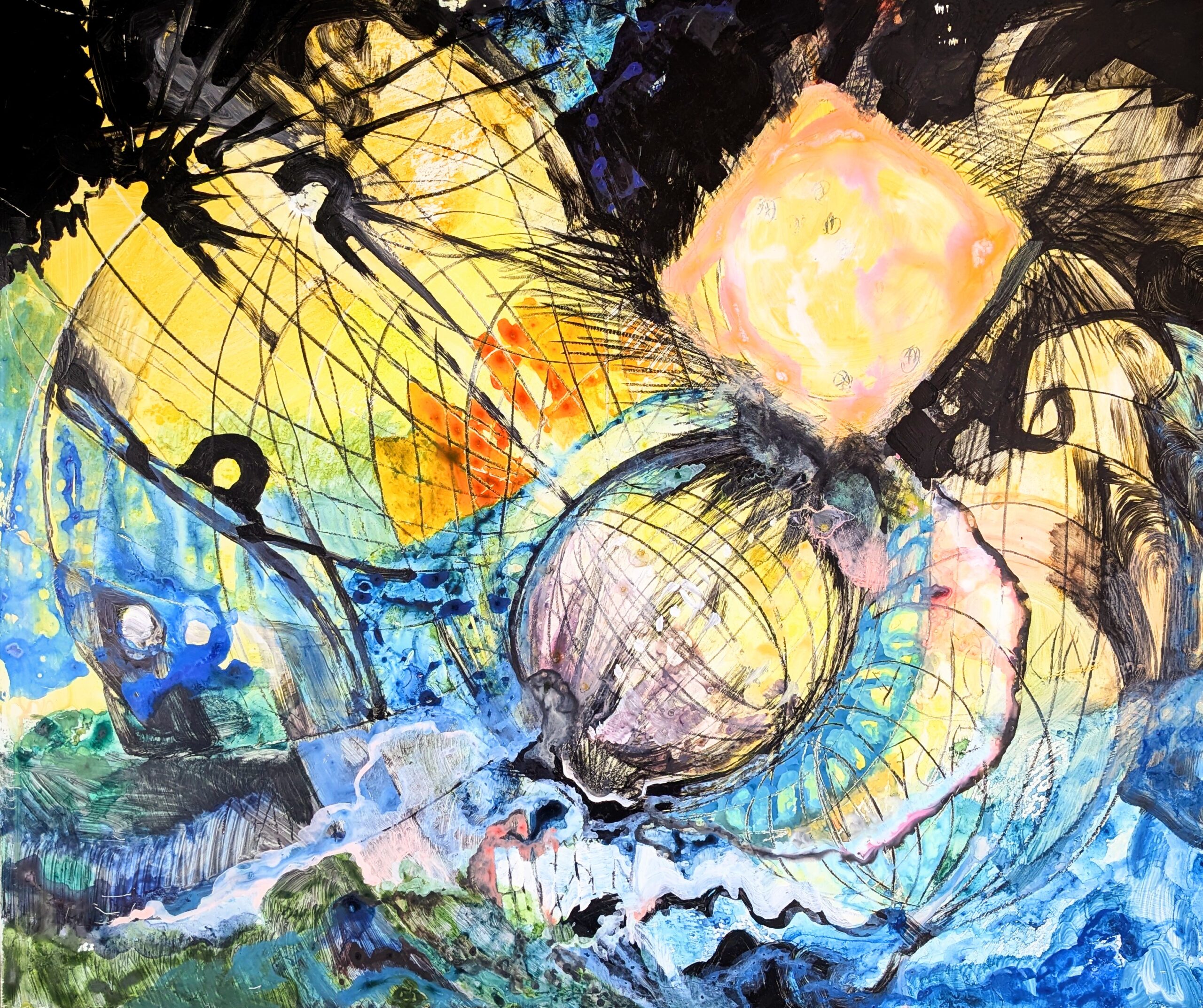
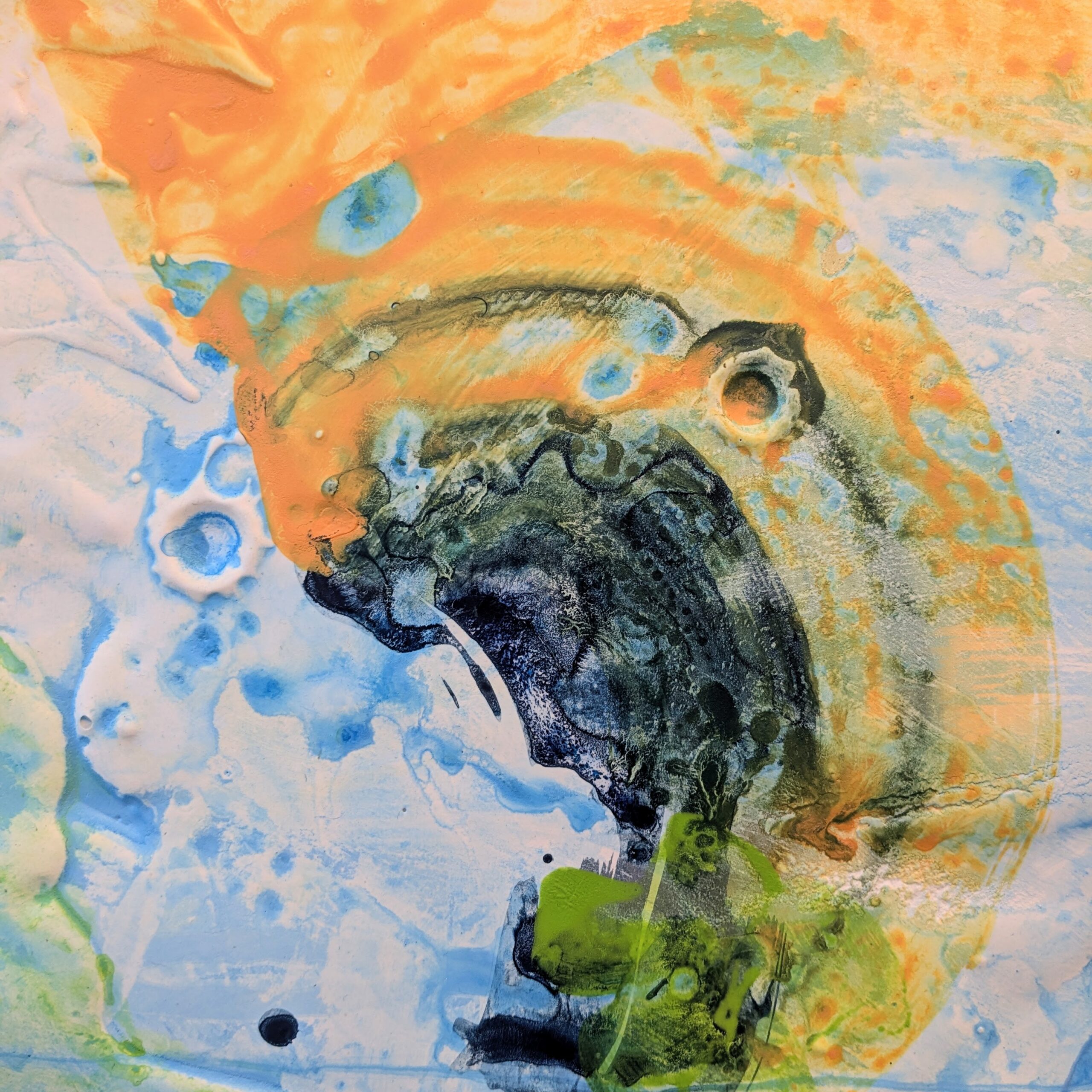
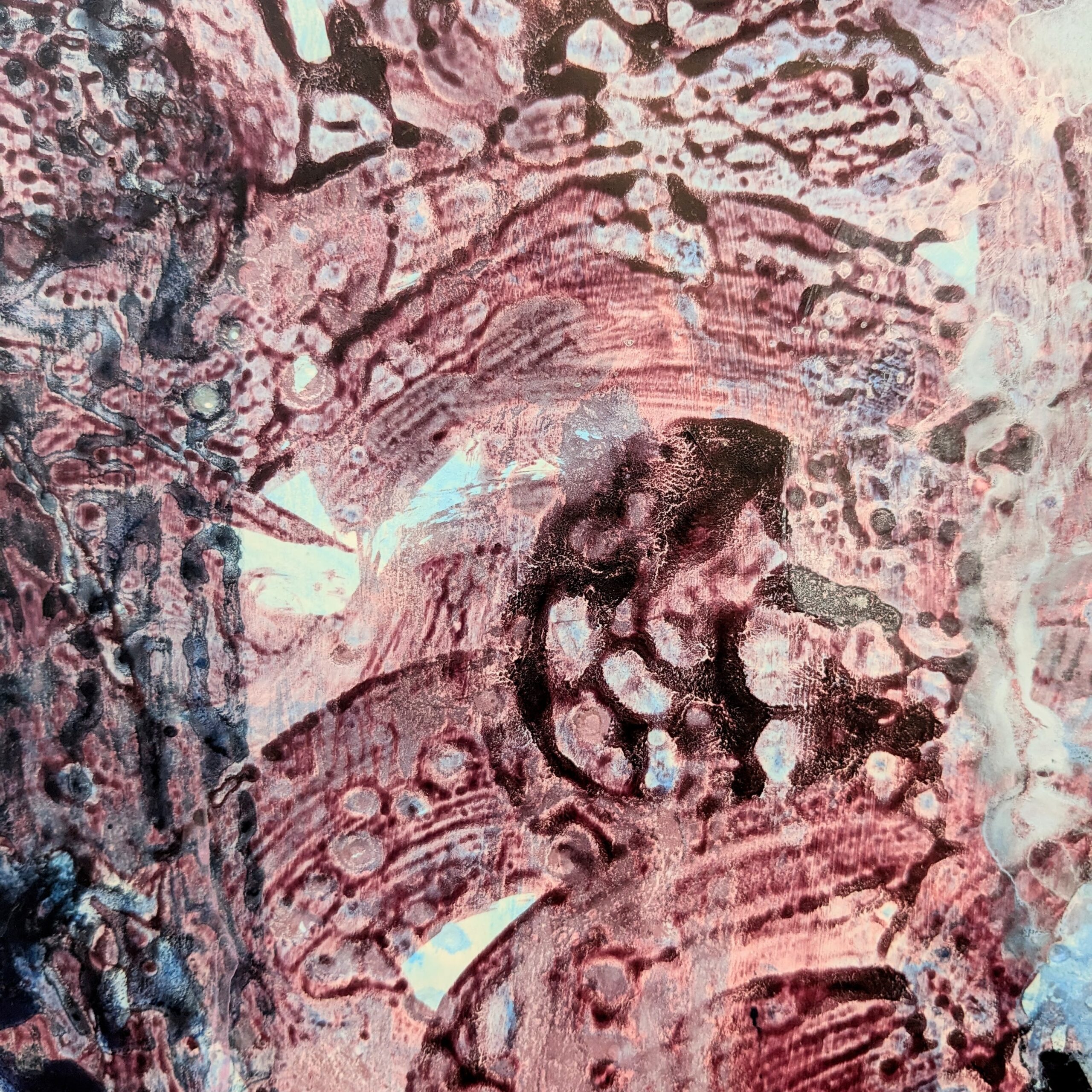
A series of ten paintings completed over the 2025 Spring semester, inspired by conversations from Studies in the Sciences: Obscurities (SCIE-300) with Sanem Guvenc, PhD.
Image Gallery
Click to enlarge a specific work
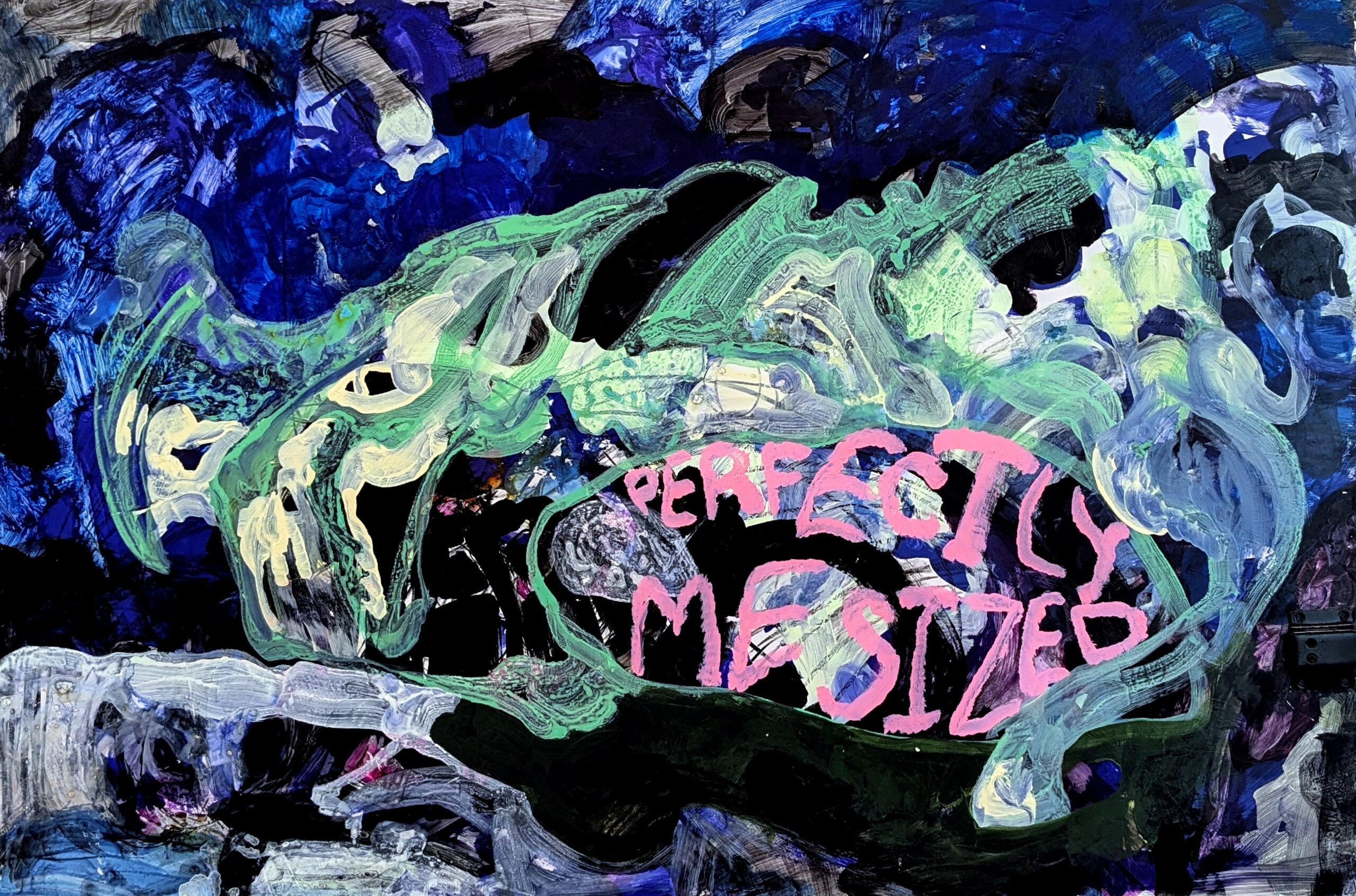
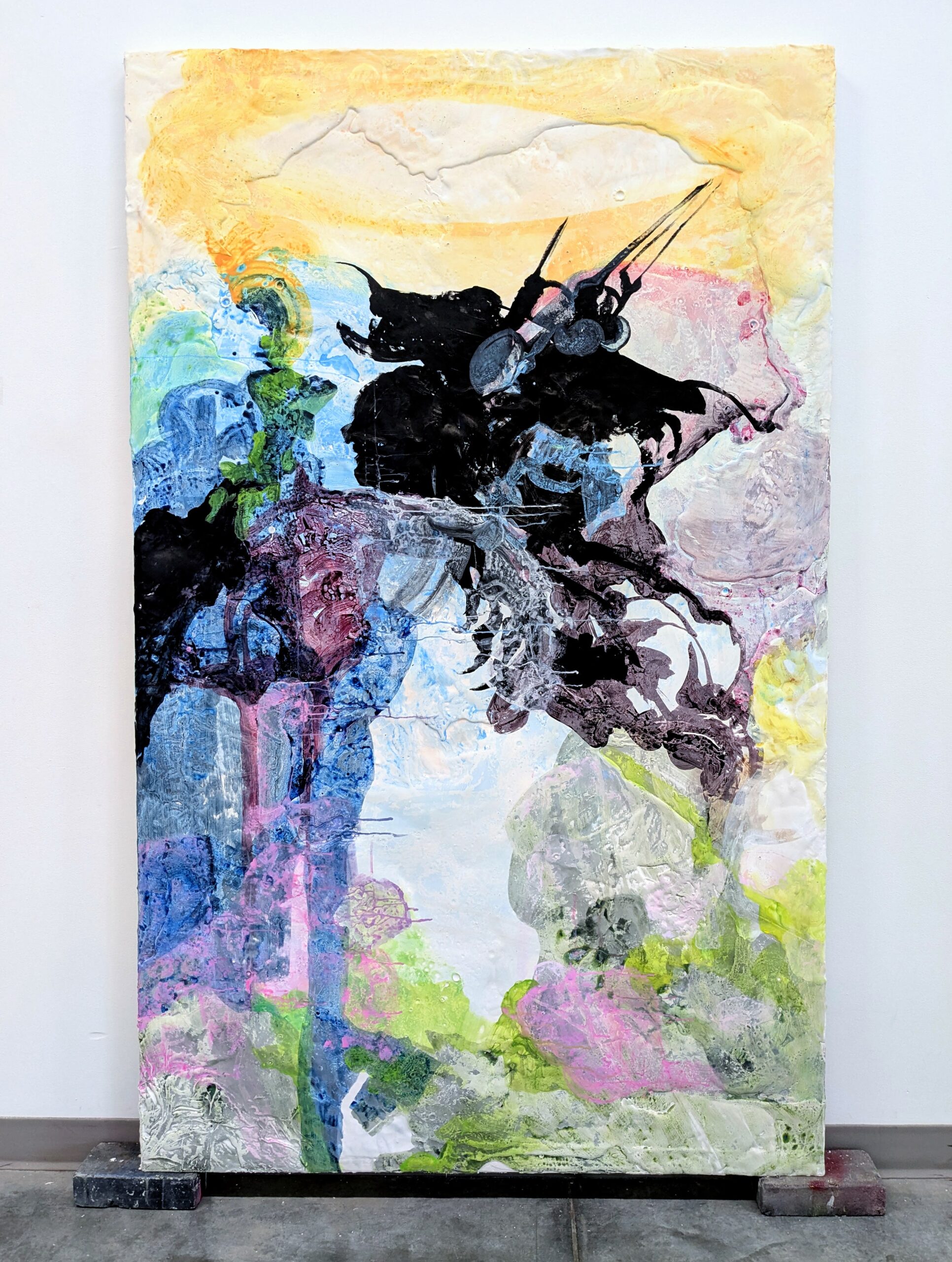
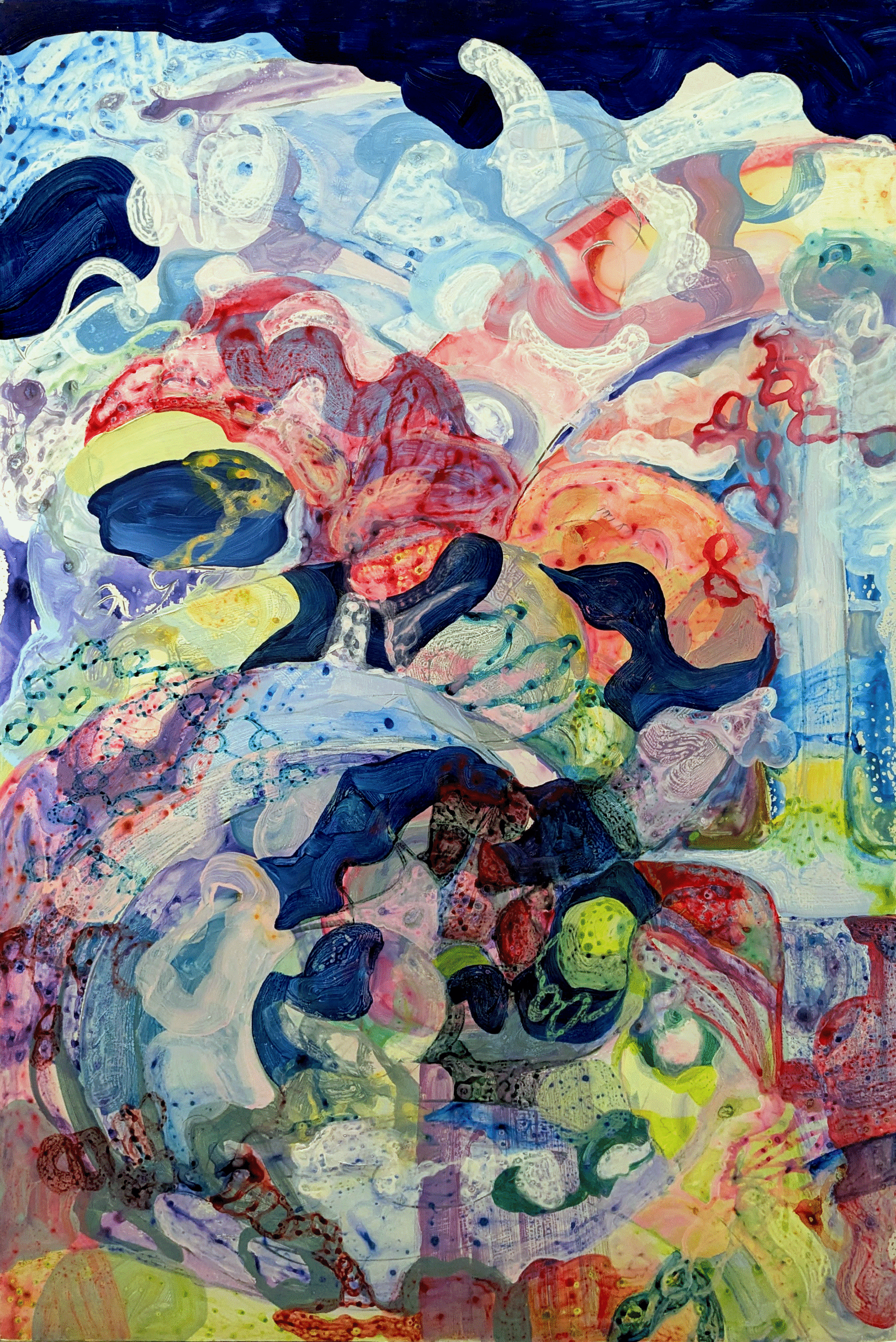
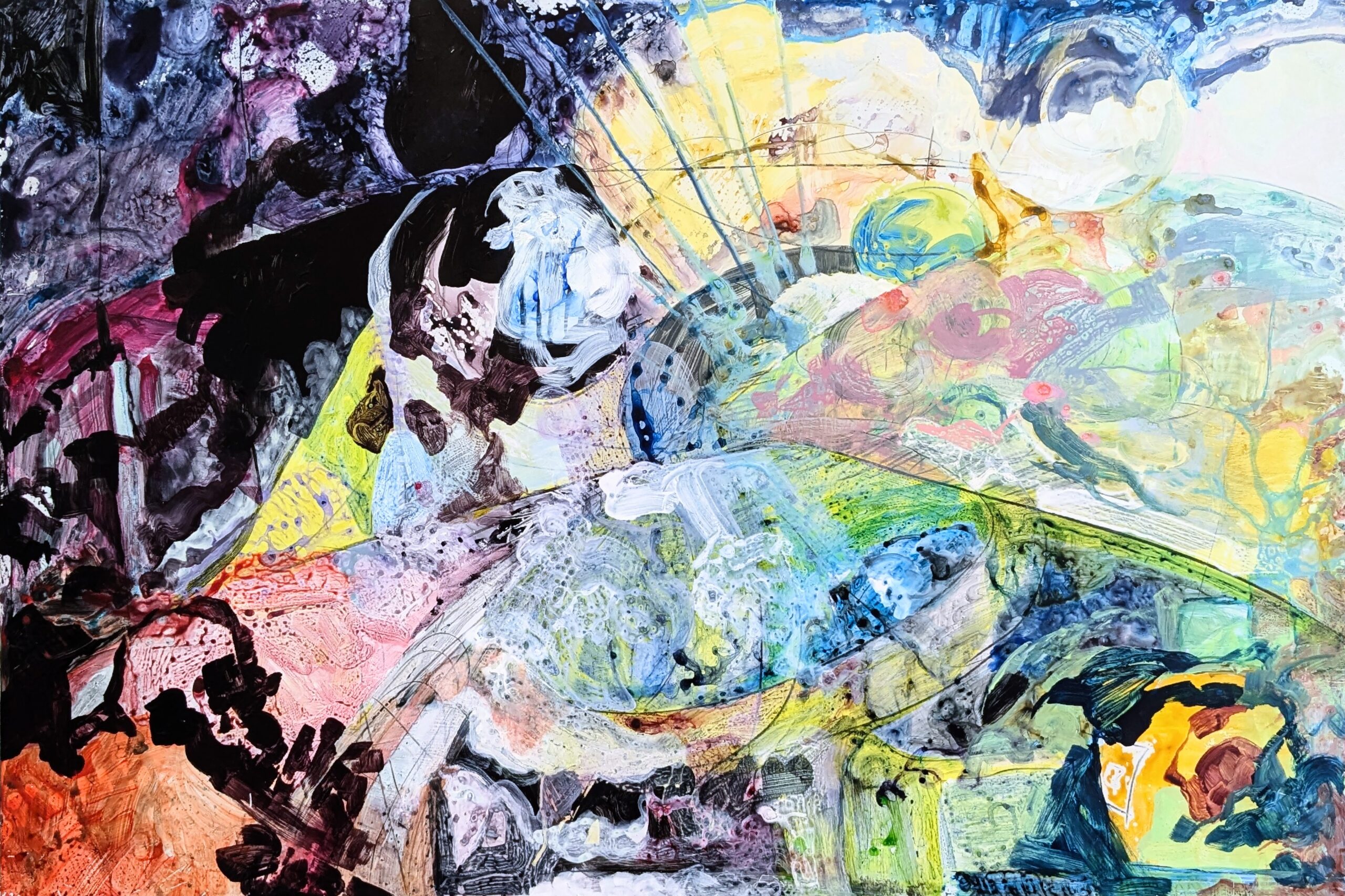
“If we examine the process of “understanding” people and ideas from the perspective of Western thought, we discover that its basis is this requirement for transparency.”
– Édouard Glissant, Poetics of Relation
Project Description
In the process of creating work over the course of my degree I have moved through topics such as nostalgia, memory, dreams and concepts of home without having ever achieved satisfaction with the direction of my practice. In my third year a professor challenged me, stating my lack of conviction was a result of focusing on past experiences and desiring to return to nostalgia. If I continued my pursuit of making work using only this desire to return to the past, I would never achieve work that had momentum and fertility in the present moment. Her critique inspired a drastic change in how I thought about making art, and why I felt the need to make it.
Acrylic, watercolour, gouache, and China marker* on aluminum dibond
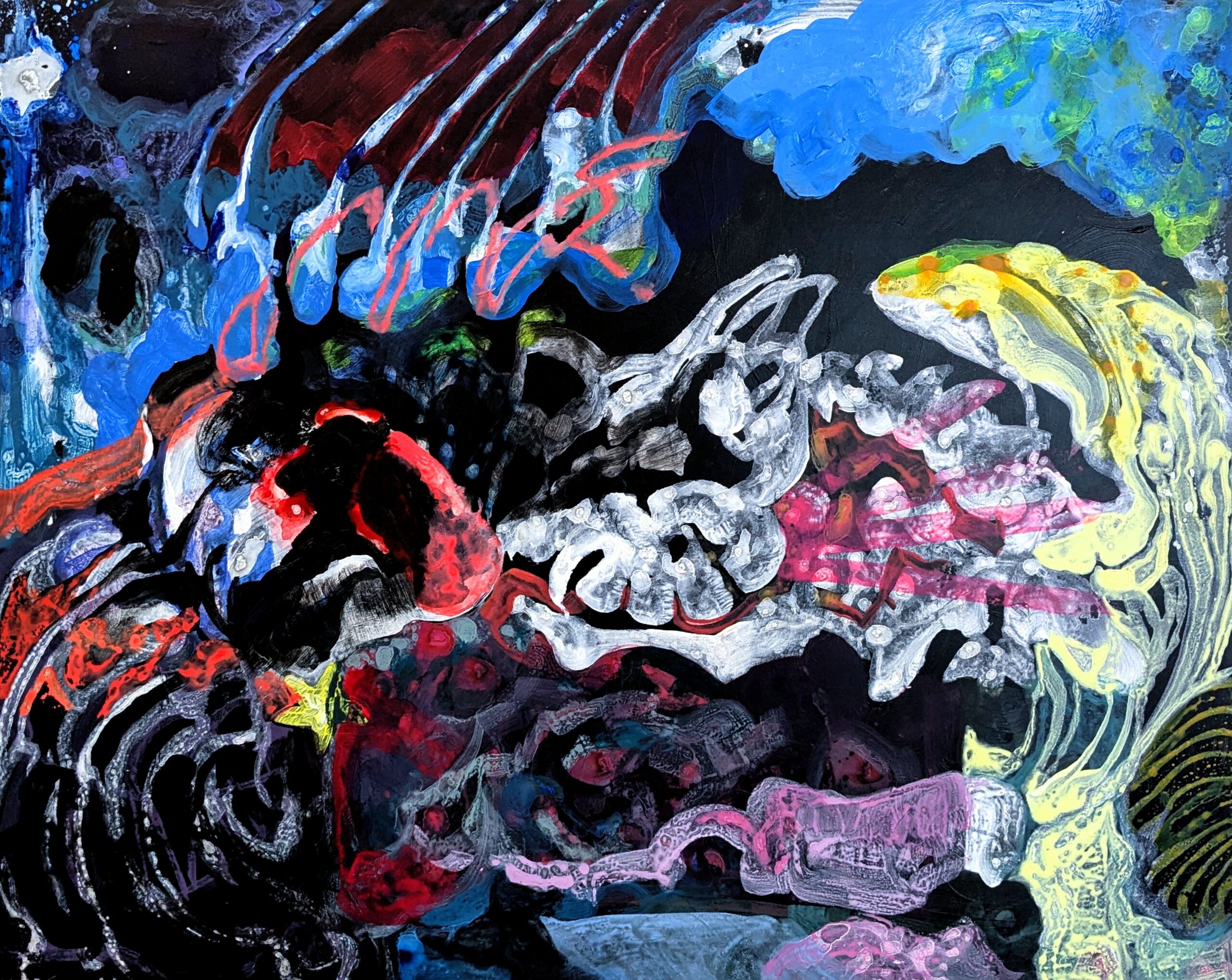
With that in mind, my senior body of work and graduation project, Drawing Without Conclusion was formed around the concept being opaque towards ones self: facets of human reality that are invisible, intangible, just out of reach on the fringes of our consciousness and yet, they exist despite our blindness to them. This work is always situated in the present; it is process based, and formed from impulsivity and an intention to let thoughts pass in an effort to limit planning or forethought.
The concept of opacities was highly influential in my research and process during the Spring semester. Sanem Guvenc’s SCIE-300 class on the topic of Obscurities became my ultimate passion at school as we discussed concepts including Opacities, the Void, Alzheimer’s, Trauma, and many others. We read from Édouard Glissant, Karan Barad and Marina Roy on transparencies and opacities, being and not-being. Our discussions opened up dynamic avenues for creativity; ones that did not become stagnant with the passage of time or rely wholly on a desire to remember the past. In my paintings I leant into expressions of incomprehension and unclarity. I practiced a relationship with impulse; I used it to make marks and begin unmediated chains of actions on the paintings surface, while also allowing impulse to die and not trying to extend it, leading to the natural end of a painting session. I tried to prevent recognition by using impulses to fracture the painting process. Recognition of something I made, I felt, would in turn be a recognition of myself when I was in fact trying to see/experience parts of myself I could not recognize. My body of work emerged as a reflection of a part of my subconscious that is unexposed to light and human understanding, technically incapable of being reflected, and it questions the relationship that we have with the parts of ourselves that are opaque to us.
24×36 inches
Mixed media* on aluminum dibond
“I admit to you existence, within my system. I create you afresh.–But perhaps we need to bring an end to the very notion of scale. Displace all reduction.” – É. Glissant
36×24 inches
Mixed media* on aluminum dibond
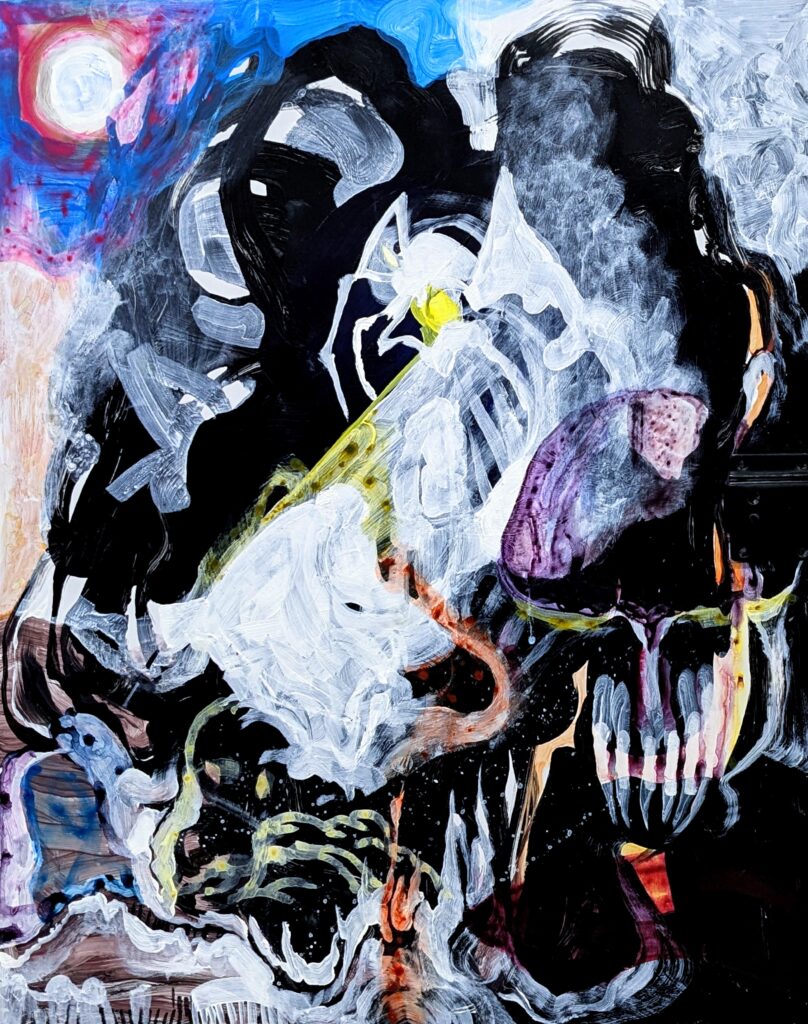
24×16 inches
Mixed media* on aluminum dibond
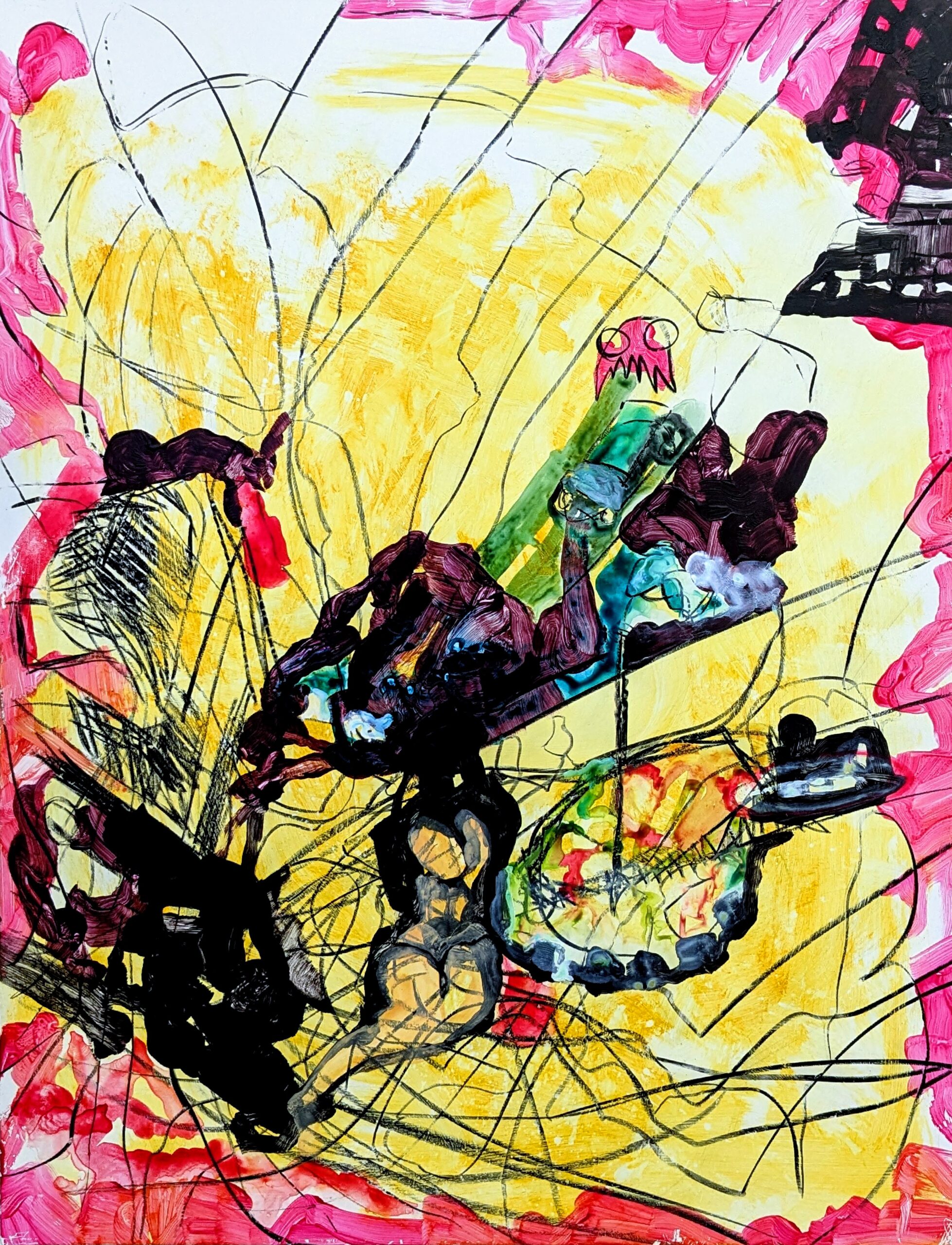
24×16 inches
Mixed media* on aluminum dibond
Process & Materials
The surface I used for all but one work in this series is aluminum dibond, a material typically used for mounting photography. I noticed its suitability for painting after having experimented with thermal plastics in a previous project, Spider Memory (2023), where I would prime parts of the plastic surface by sanding it to introduce grit and scratches for the paint to hold onto while in other places the smooth plastic would cause the paint to bead and be repelled.
20×24 inches
Mixed media* on aluminum dibond
I did not prime the aluminum dibond; I used an oil-based China marker to draw lines that would resist watercolour and gouache paint but could be covered in acrylic. Layering these three kinds of paint on top of each other produced noticeable transparencies and beading effects. Depending on the order they are applied, a watercolour or gouache paint will resist bonding with a dried acrylic layer, sitting on top and requiring long periods of time to dry. Alternatively painting acrylic overtop watercolour/gouache may reactivate dried pigments, blending and smearing colours. Most interesting to me were the effects of watered-down acrylic and thick gouache over the raw aluminum. The surface is susceptible to picking up grease from handling, so as I began painting some parts would cover easily while fingerprints and smudges would reveal themselves in other places.
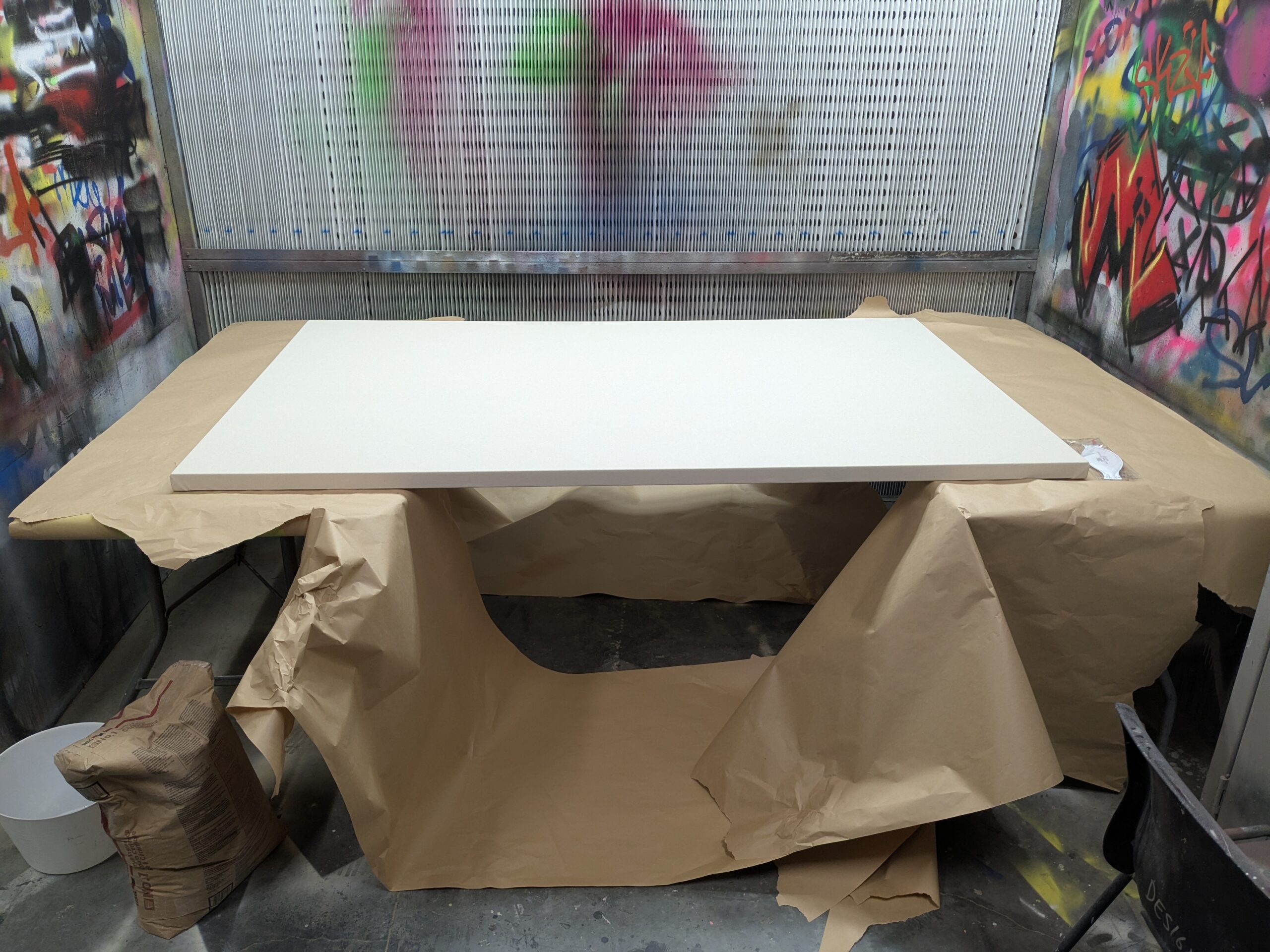
Studio: Works in Process:
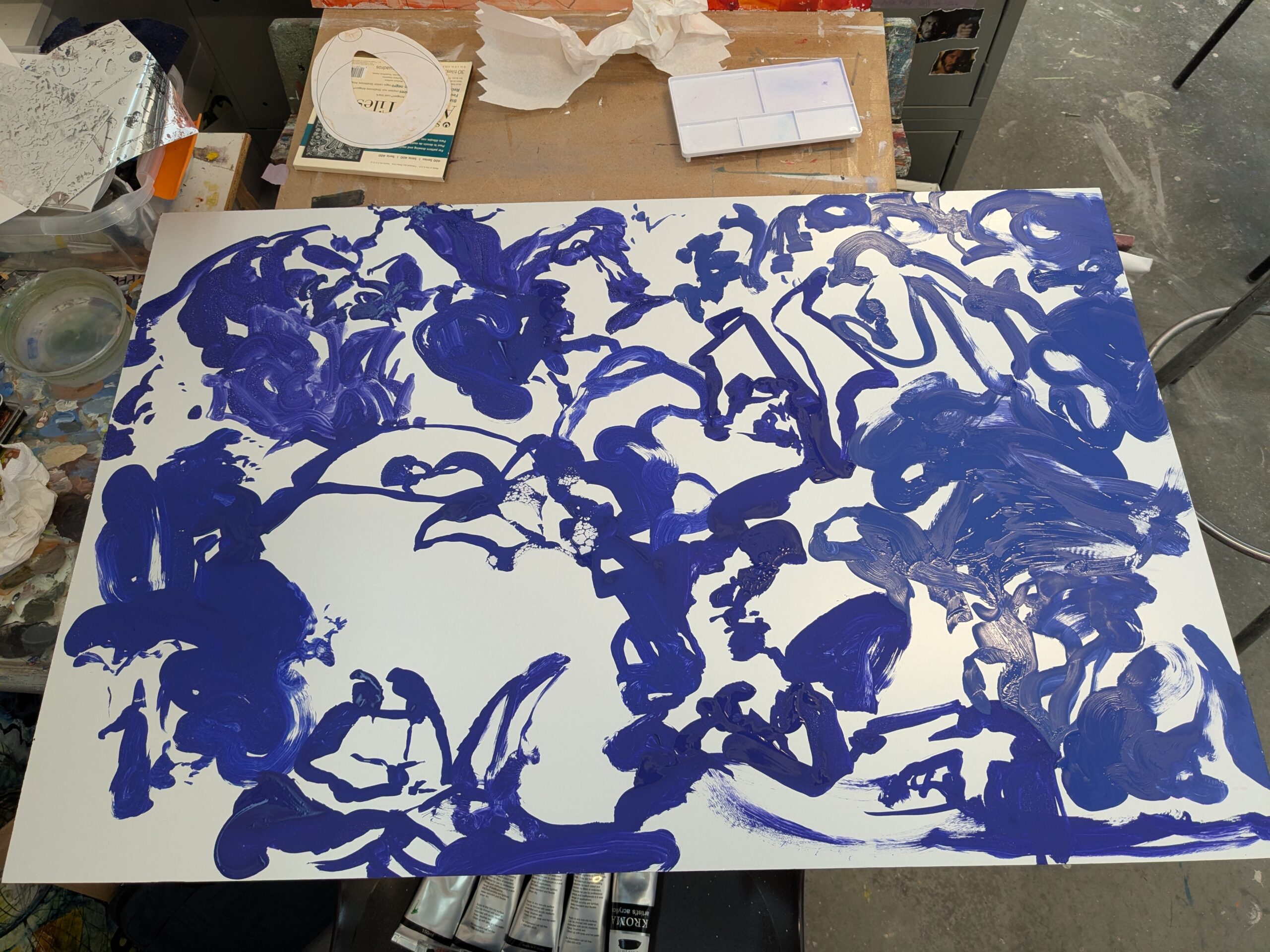
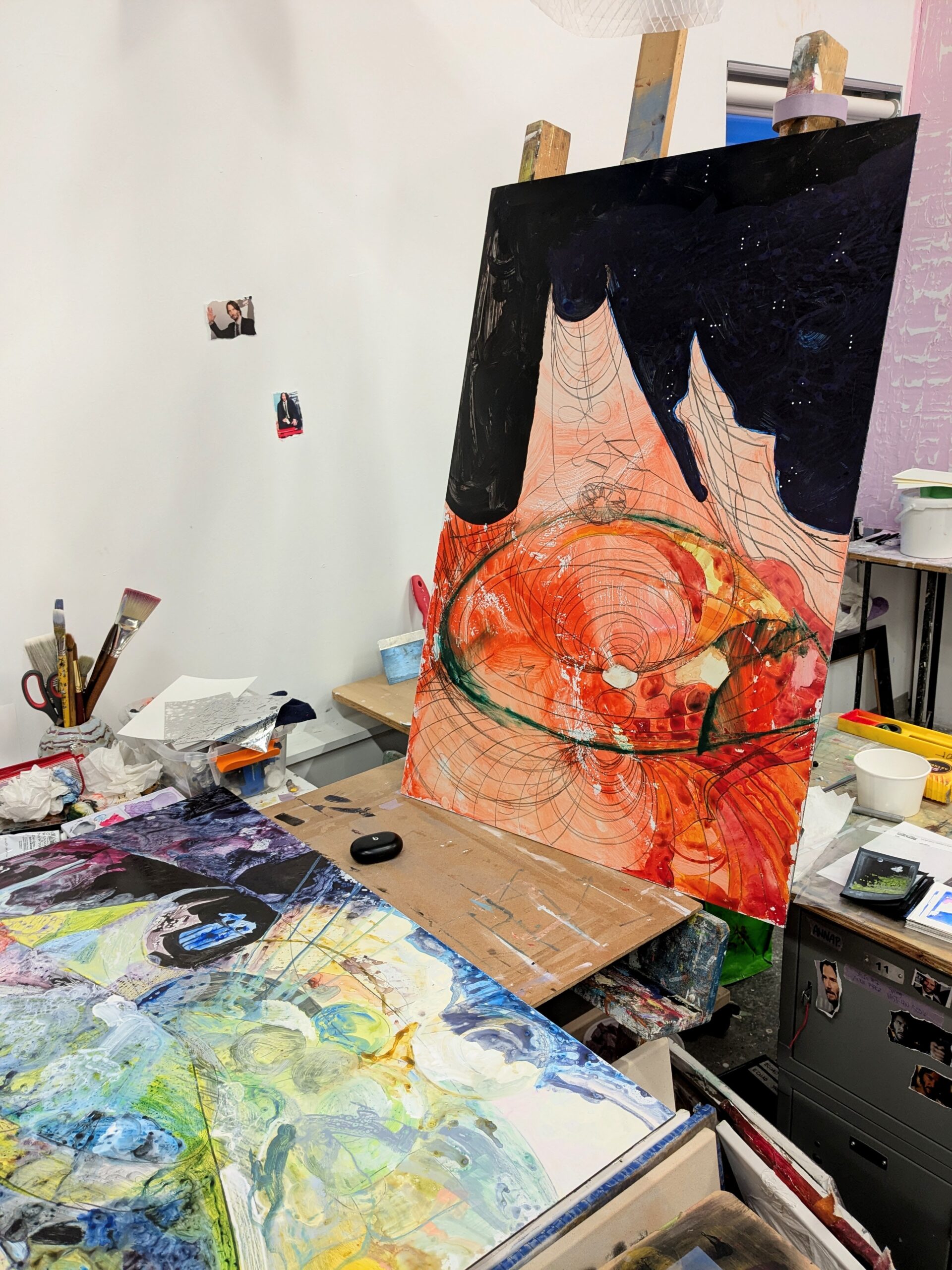
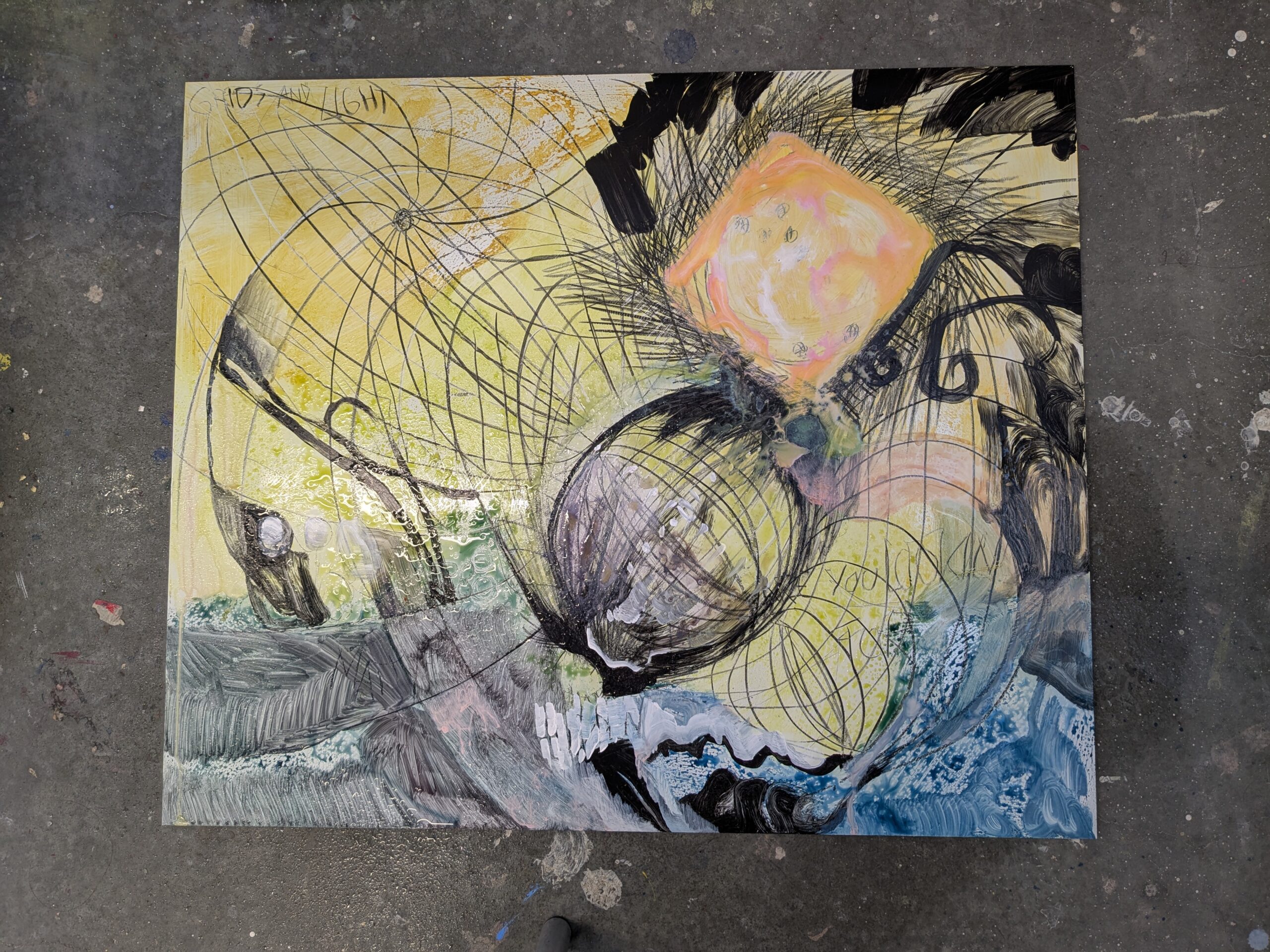
The finished works have extremely fragile surfaces that are easily scratched and damaged because of the paints poor adhesion. I spray them with a workable fixative to try and prevent this, but it is in the nature of the work to be fragile and easily corrupted. Repairs can be made, scratches painted over, and the integrity of the finished pieces remain intact. The physical marks serve to continue the dialogue of a human’s interaction with the painted surface.
24×36 inches
Mixed media* on aluminum dibond
36×24 inches
Mixed media* on aluminum dibond
16×24 inches
Mixed media* on aluminum dibond
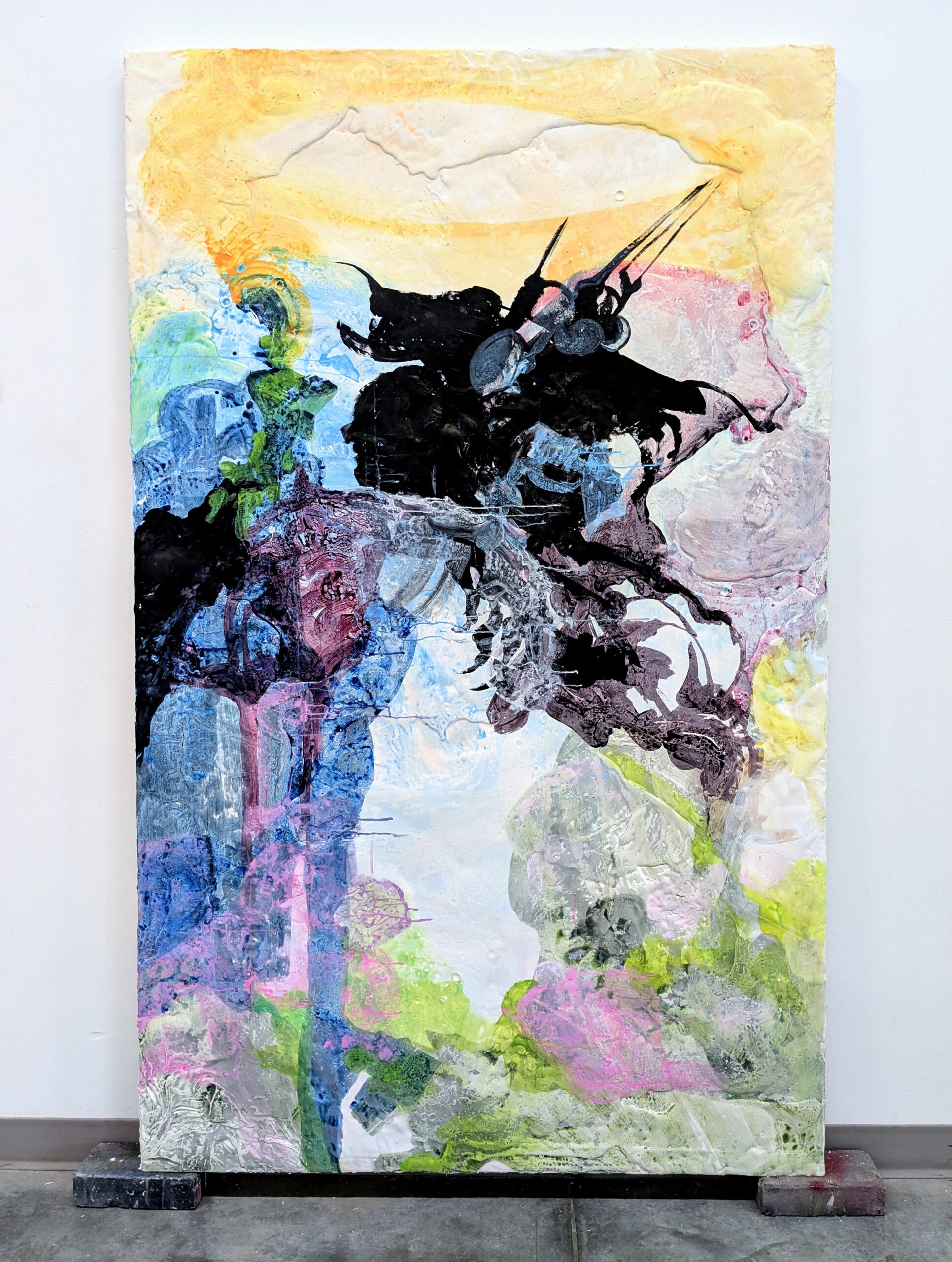
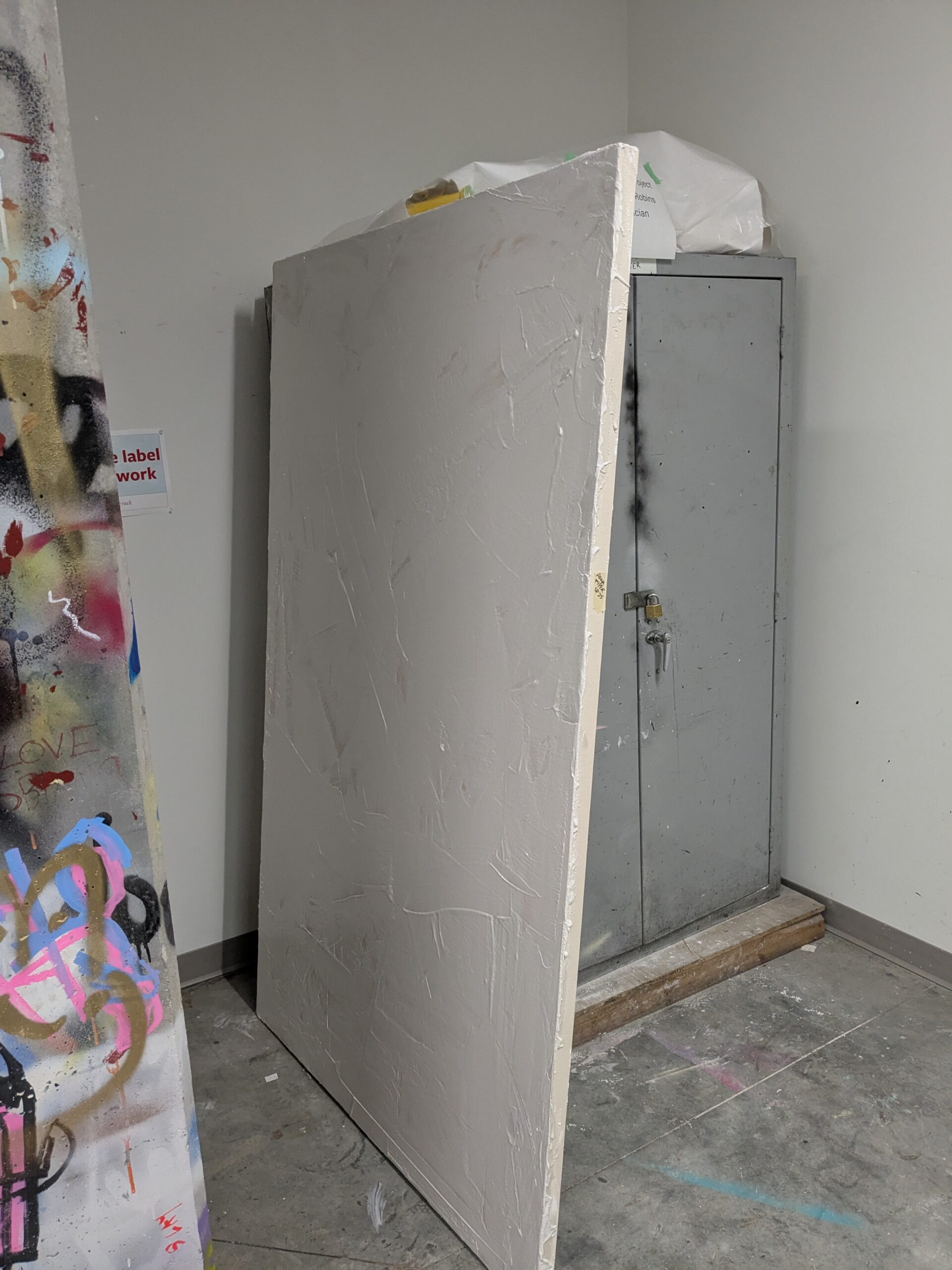
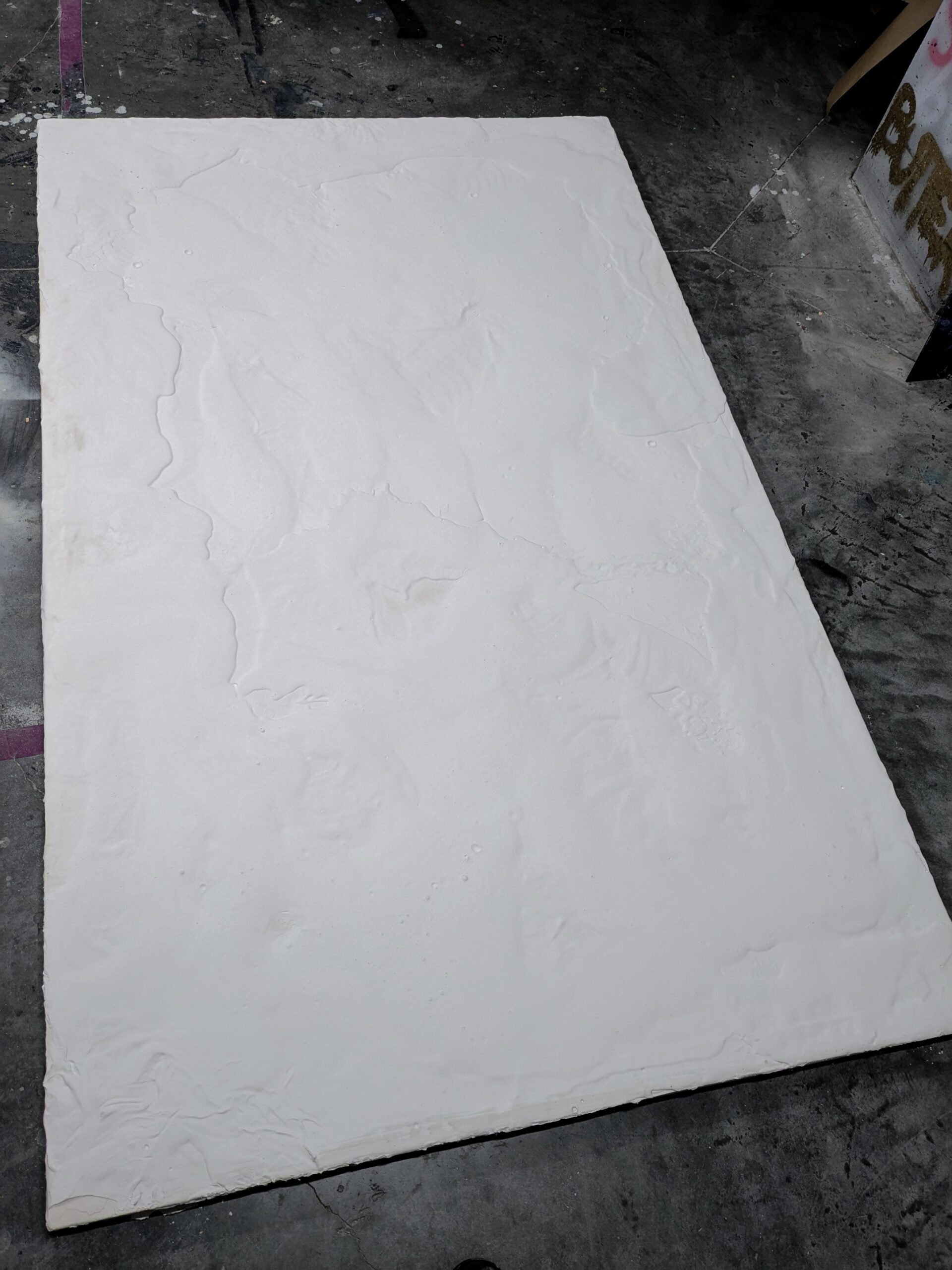
4×6.5 feet
Acrylic on plaster, canvas support
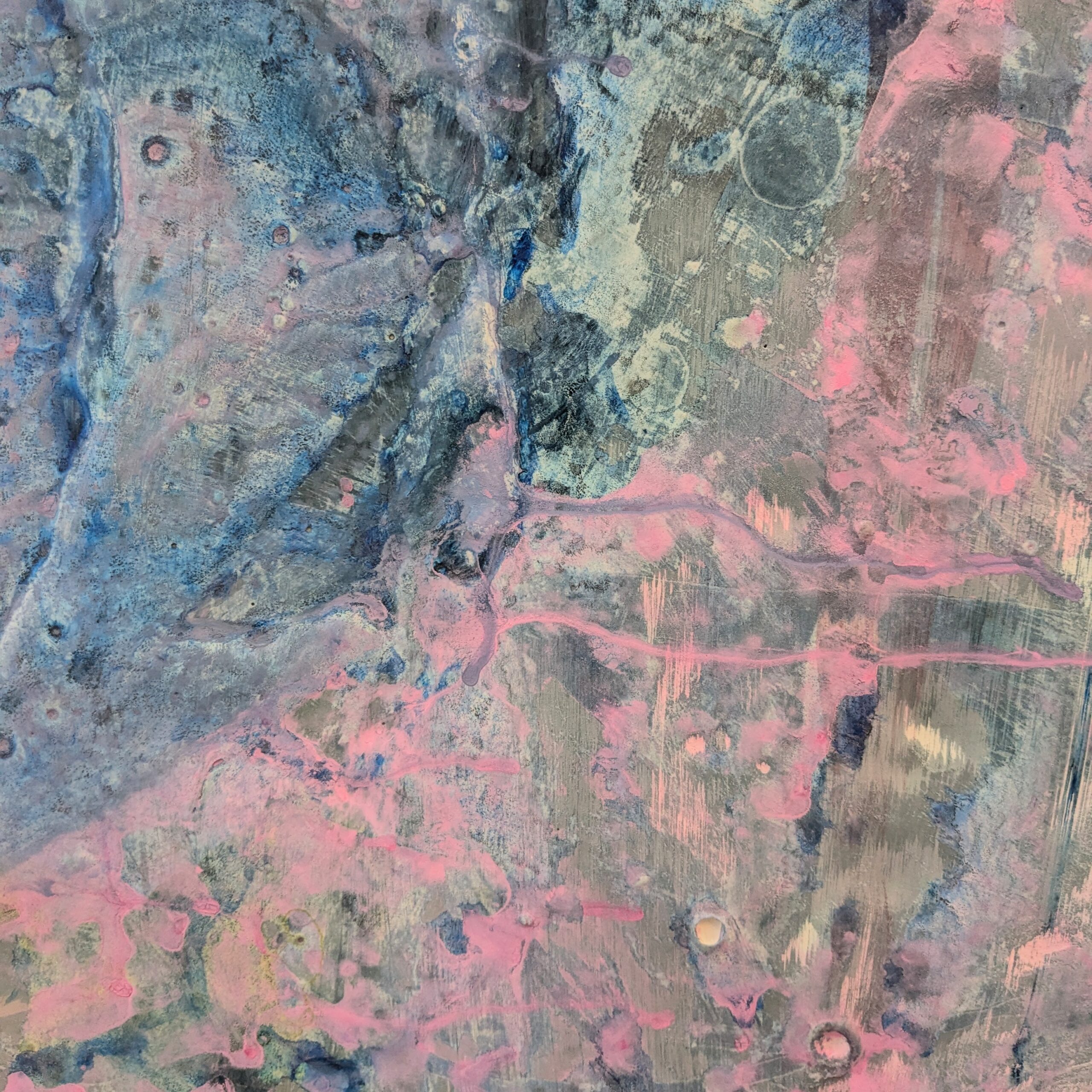
Two-Dimensional Crater experimented with the application of plaster onto a stretched canvas. Plaster is used by many faculties in the school and I wondered how its unique properties would be affected by a) the porous material of the canvas, b) gravity (the finished piece probably weighs 80-90lbs) and c) the application of water based paints.
The plaster was applied in 3 layers, thin to thick with the addition of acrylic medium mixed into the solution to help bond the layers together. I initially intended to score the dried surface with chisels and knives, but became more interested in the natural surfaces pocked and cratered effect, causes by bubbles in the plaster popping as they dried.
I applied a clear acrylic medium to sections of the canvas with a dry brush, before painting using watered down acrylic.
Artist Statement
I am a visual artist living and working in Vancouver, BC on the unceded traditional territories of the xʷməθkʷəy̓əm (Musqueam), Sḵwx̱wú7mesh Úxwumixw (Squamish) and səl̓ilw̓ətaʔɬ (Tsleil-Waututh) peoples. Painting was secondary to me for many years while I enjoyed drawing and computer graphics & composition in high school, and only in my senior year did I begin exploring paint as a medium I could learn to manipulate. Excitingly, the possibilities of what I could create only multiplied as I continued to practice, experimenting with semi-realism, impressionism and abstraction. A childhood interest in arts and crafts turned into an all-consuming predilection for engaging with visual stimuli. My practice continues to evolve from accumulating experiences in drawing, painting, printmaking, and most recently in the preparation and use of untraditional surfaces. My goal is to continue manipulating preexisting forms and materials to interact with each other in uncanny and visually interesting ways, without forcing a rigid narrative onto what I appear to, or am trying to communicate.