A Field Guide to Birds – that Might Cease to Exist
Samaah Siddiqui
See it On Campus: Level 2
Glenmore Custom Print + Packaging Award — Winner

…
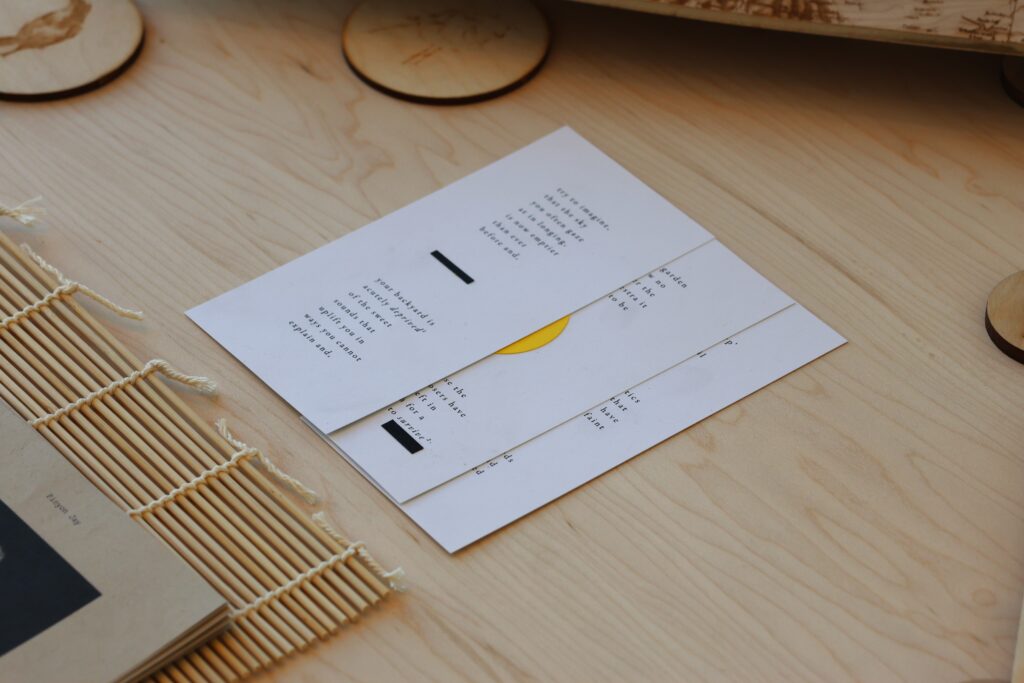
“Try to imagine, that the sky you often gaze at in longing, is now emptier than ever before, and,
your backyard is now acutely deprived of the sweet sounds that uplift you in ways you cannot explain, and,
your garden is now no longer the orchestra it used to be, because the composers have left in search for a better place to survive.”
…
…
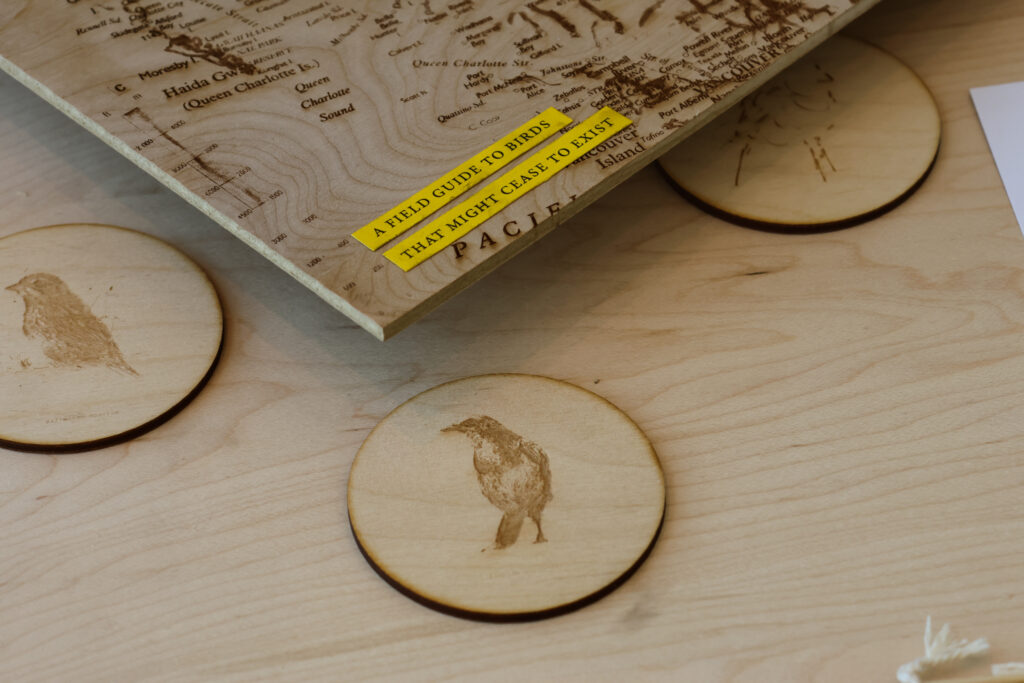
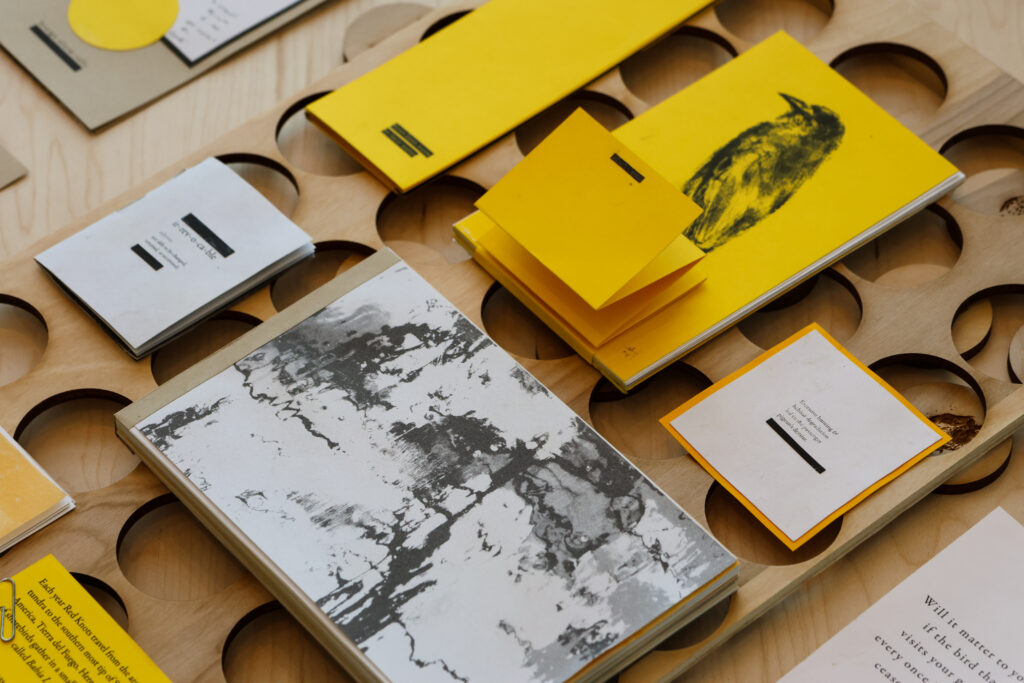
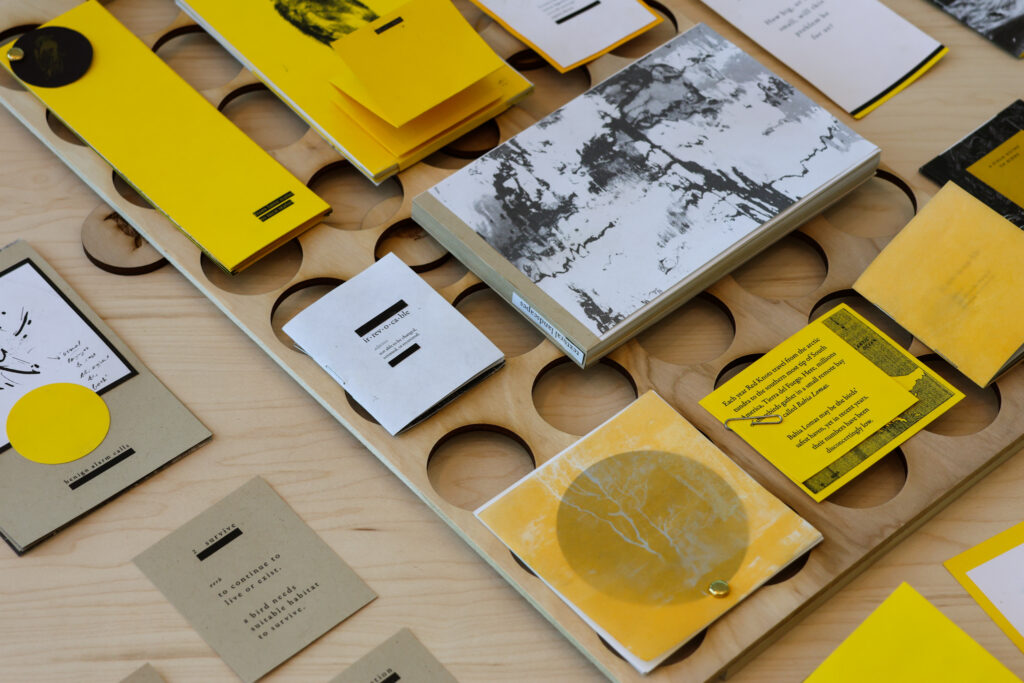
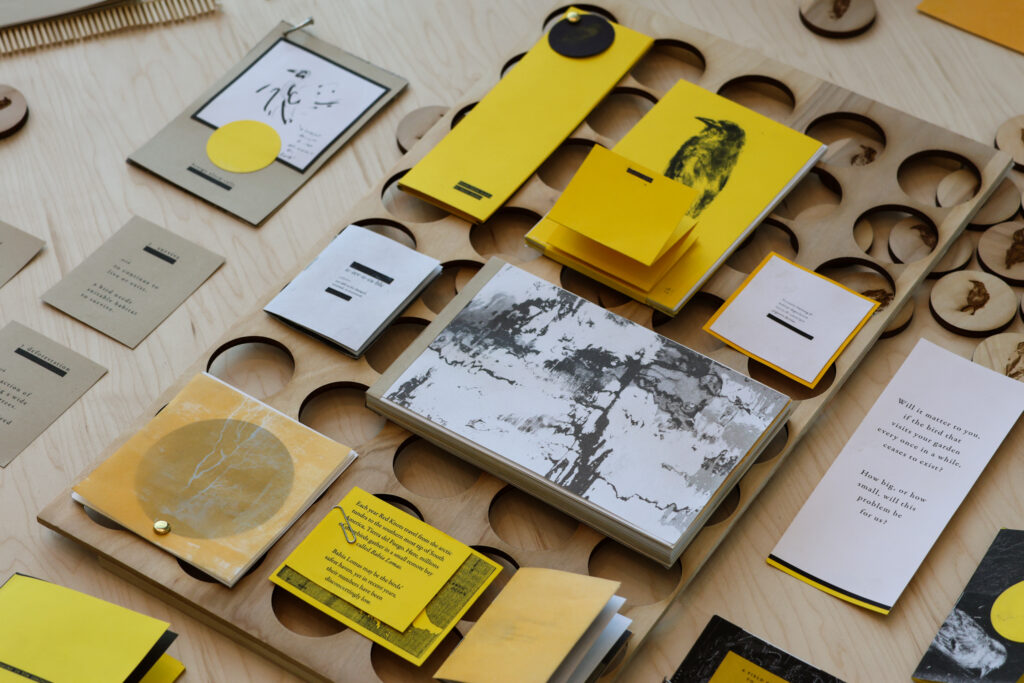
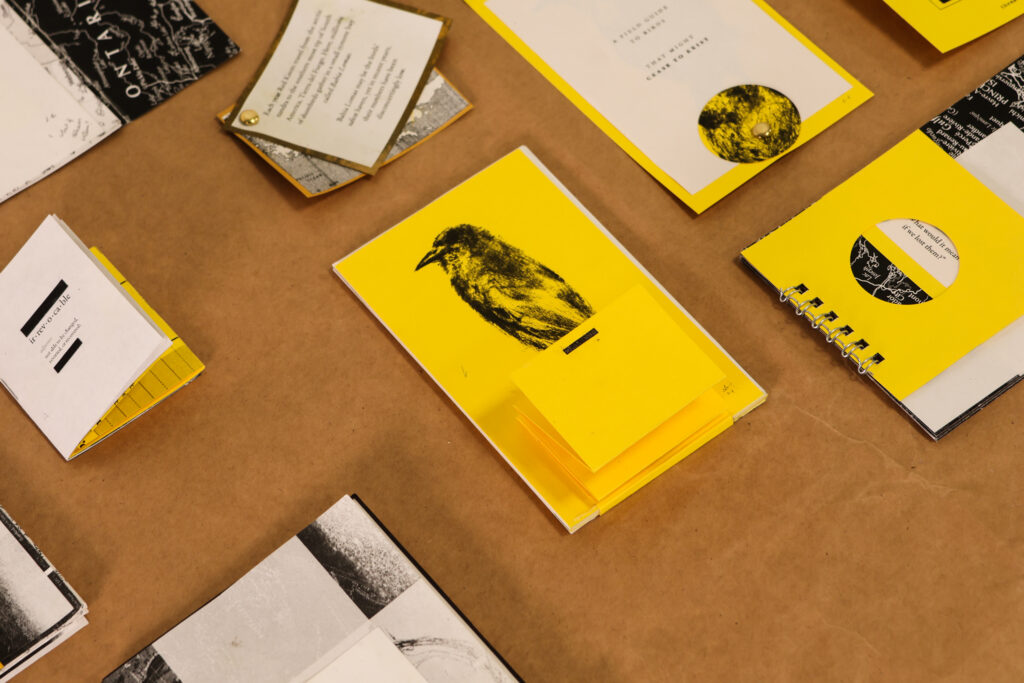
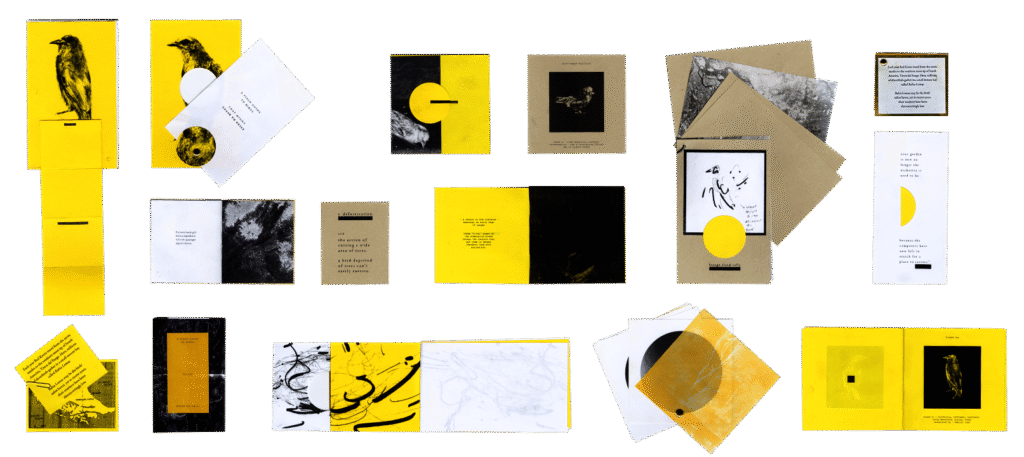
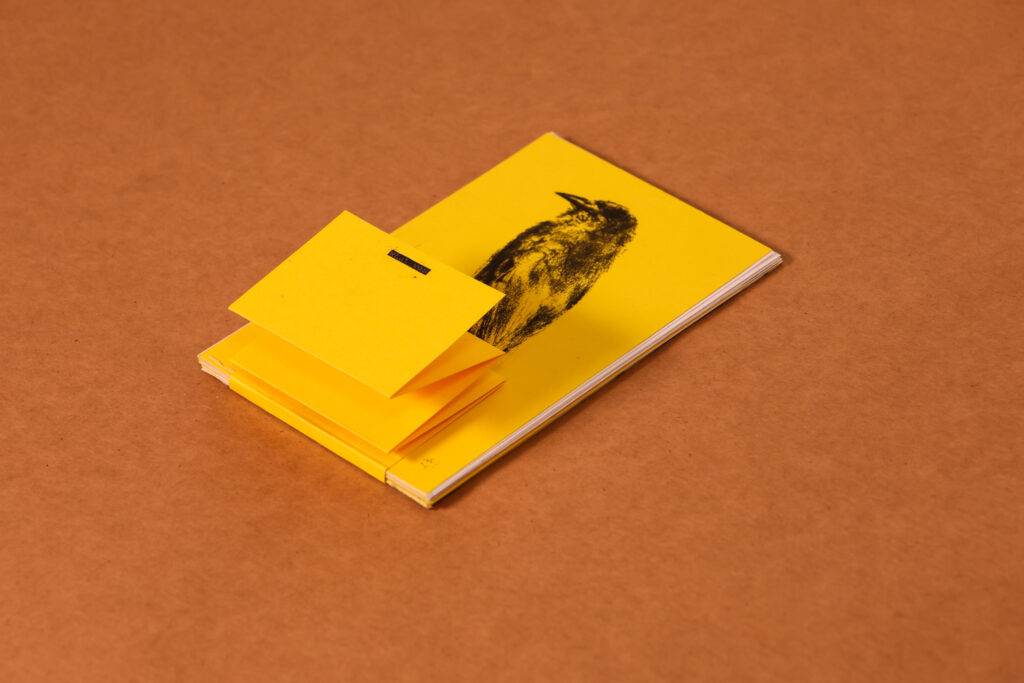
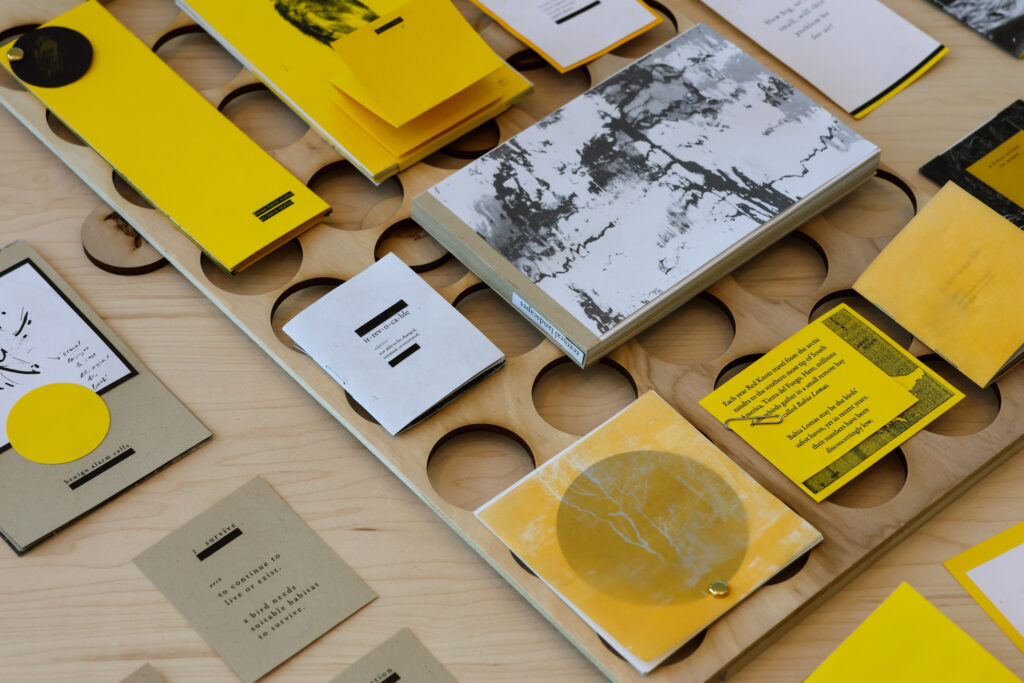
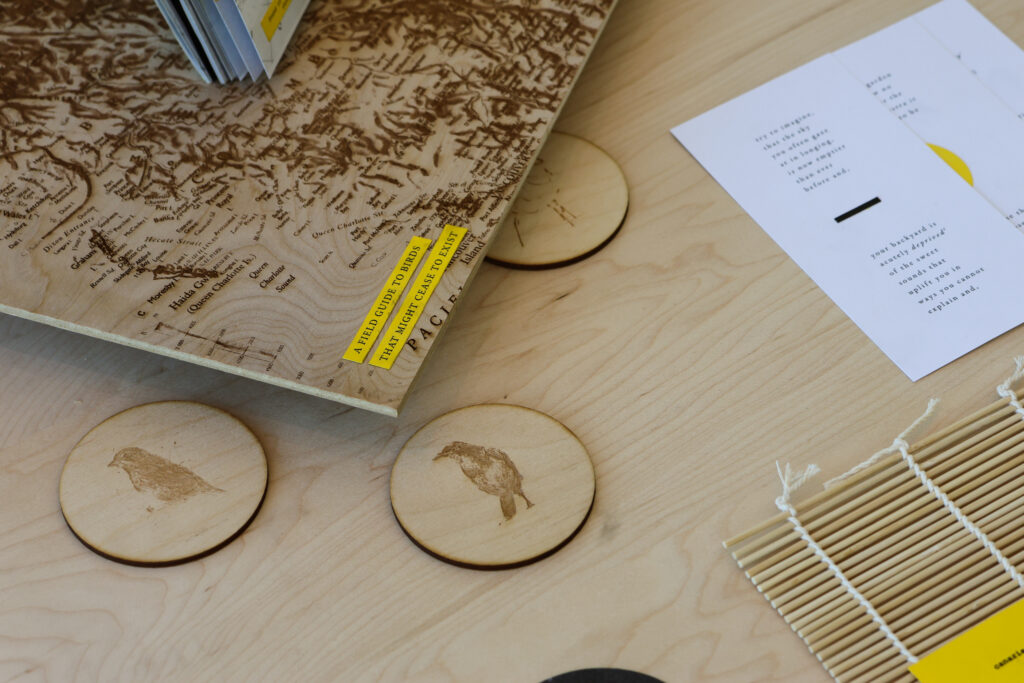
A Field Guide to Birds – that Might Cease to Exist is a bookmaking project that invites you to appreciate the awe and wonder of birds. More importantly, it is an invitation for all of us to think deeply about the dangers faced by our avifauna today. Dangers that puts these birds at the risk of extinction. Dangers such as habitat loss, climate change, and urban development, to name a few.
The goal was simple – to better understand how habitat loss and climate change are becoming a great threat to our animal and bird life, and our biodiversity as a whole. This field guide takes a peep into a selected number of bird species that are endangered, vulnerable to, and threatened by the effects of global warming and deforestation.
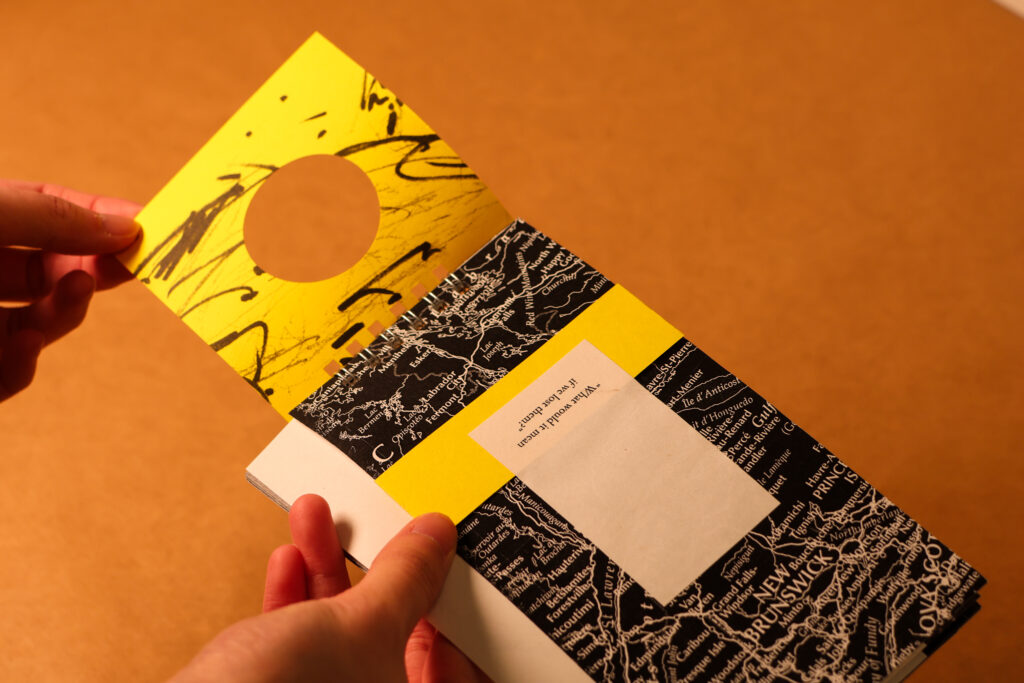
It prompts us to ask ourselves, “What would it mean if we lost them?”
…

…
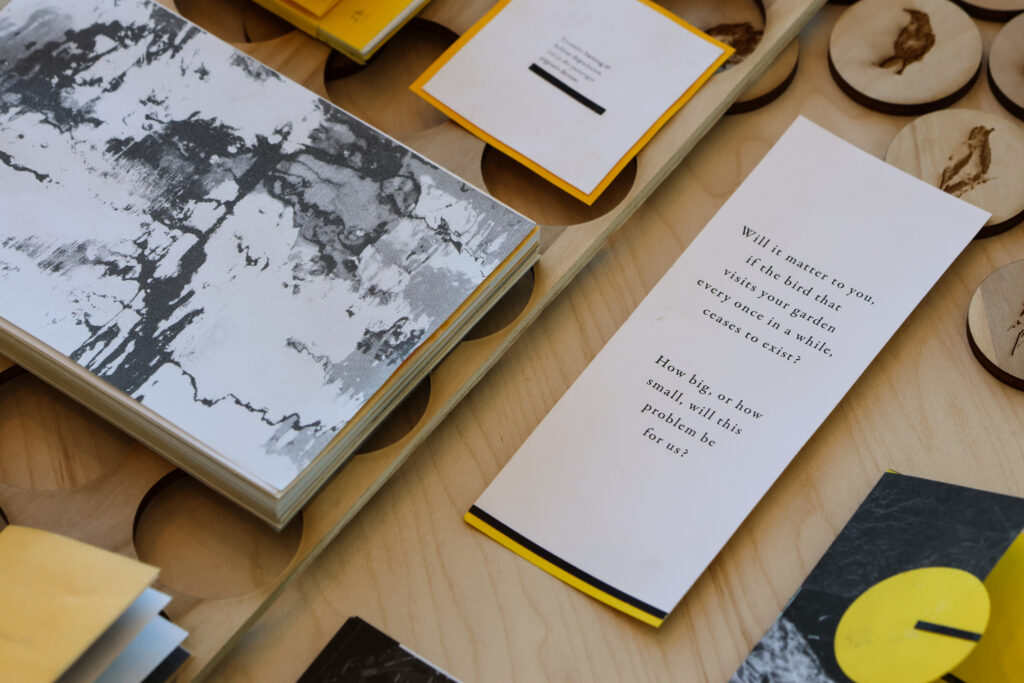
Will it matter to us, if the bird that visits our garden every once in a while, ceases to exist? Will it concern us?
Well, this project was designed in hope to plant a feeling of concern in our hearts, towards these beings that beautify our environment and enrich our natural world, as they soar over vast geographies without navigation and sing melodies when we need it the most.
…
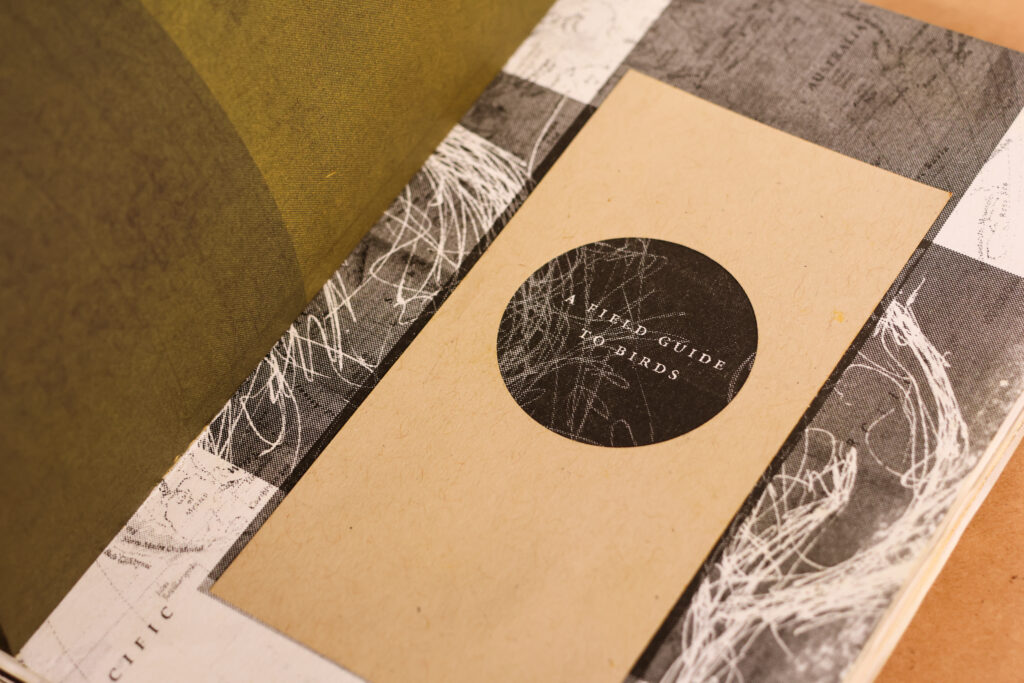
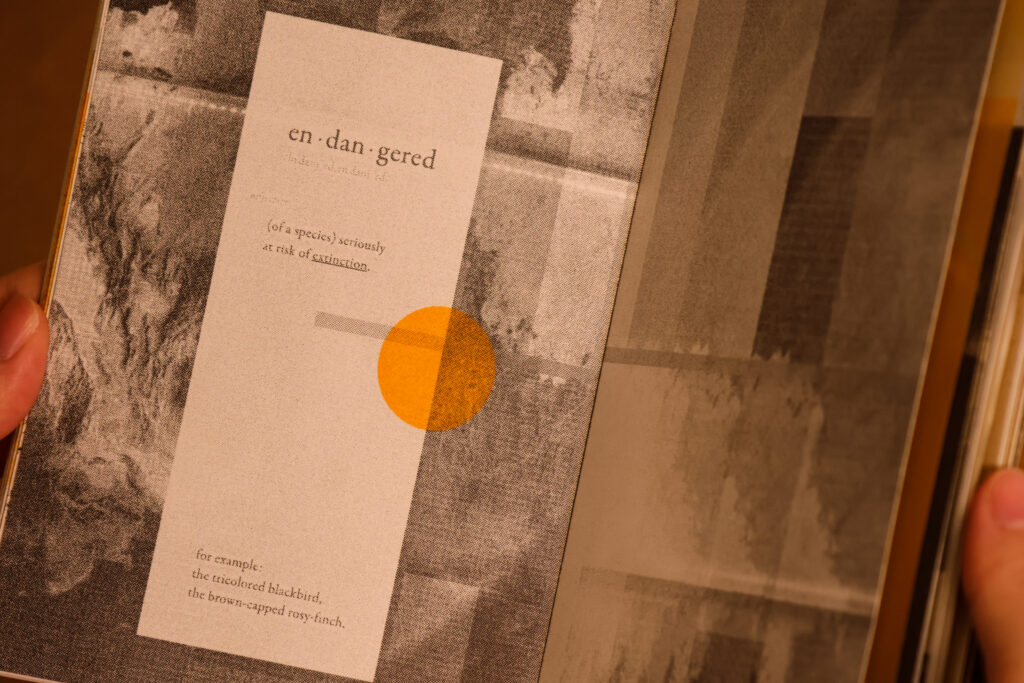
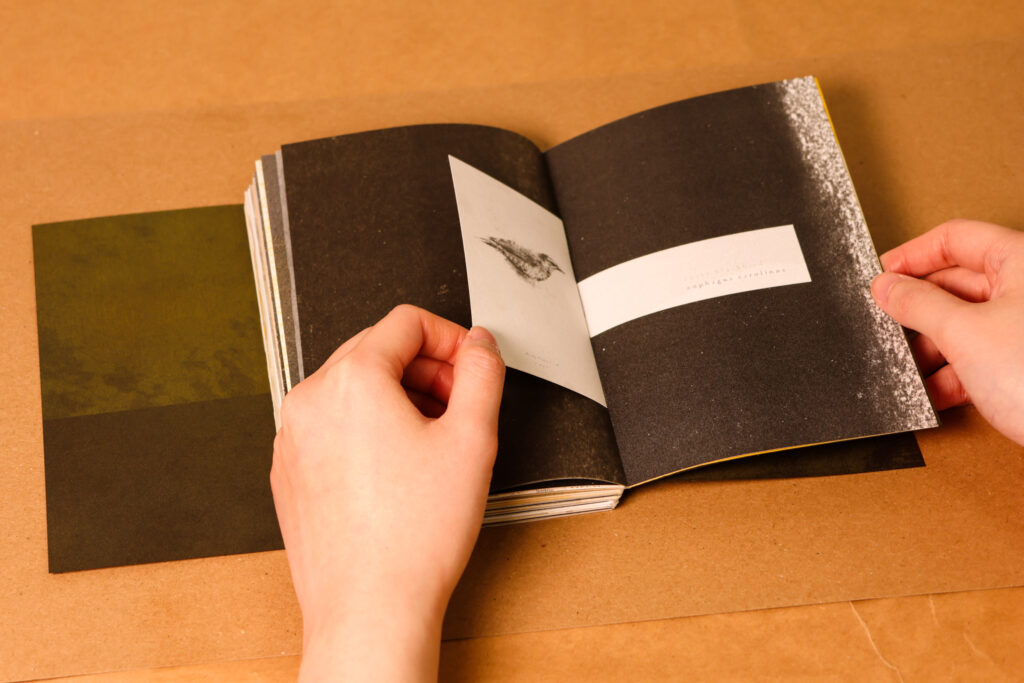
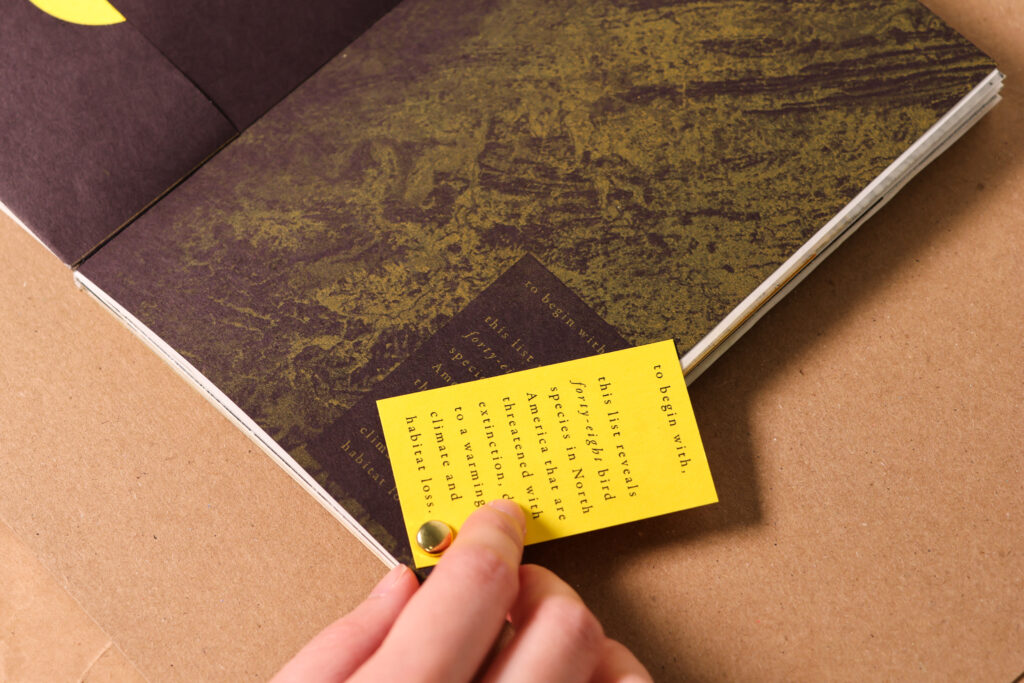
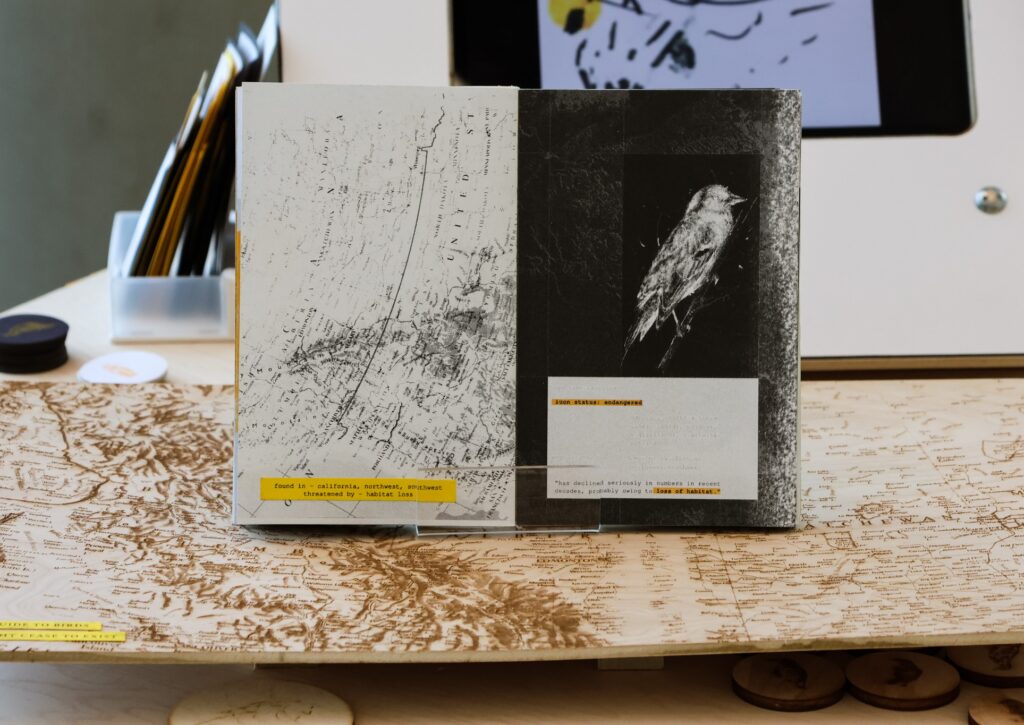
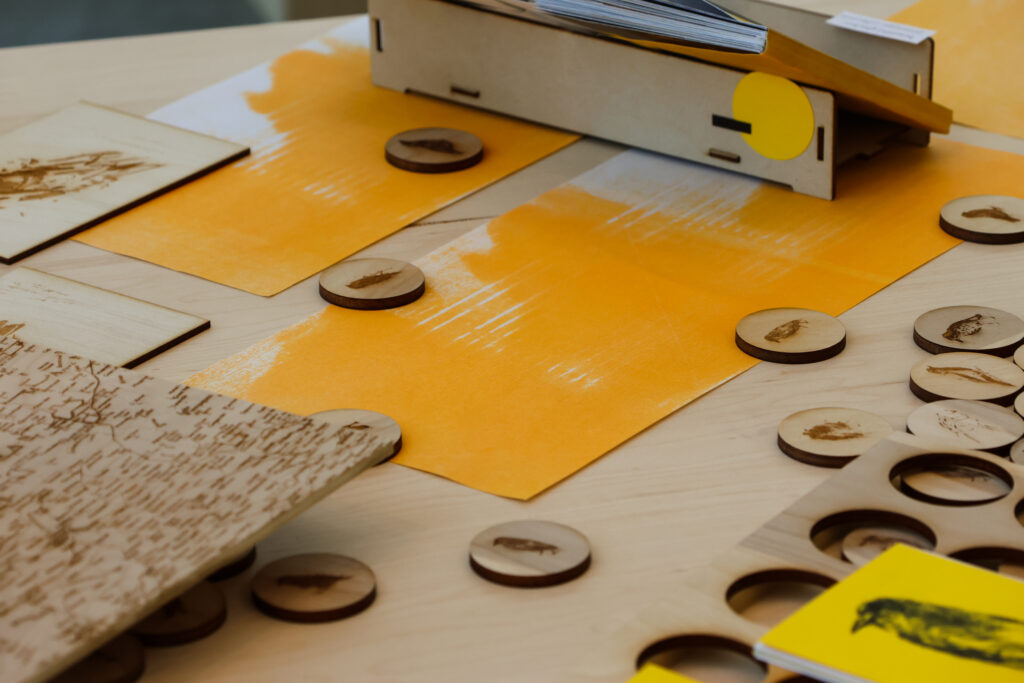
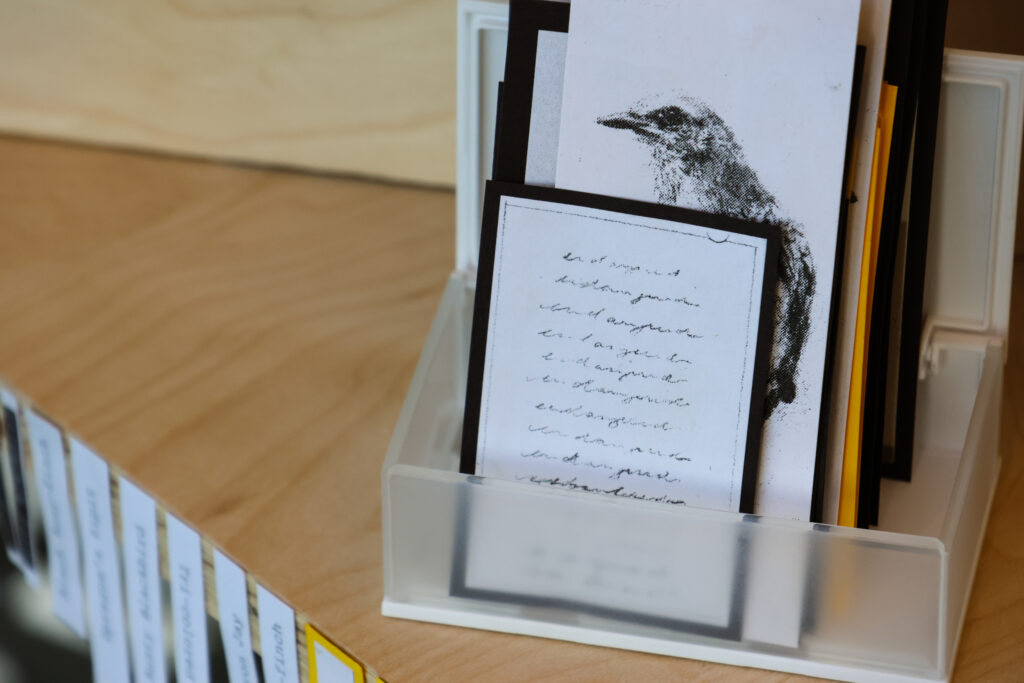
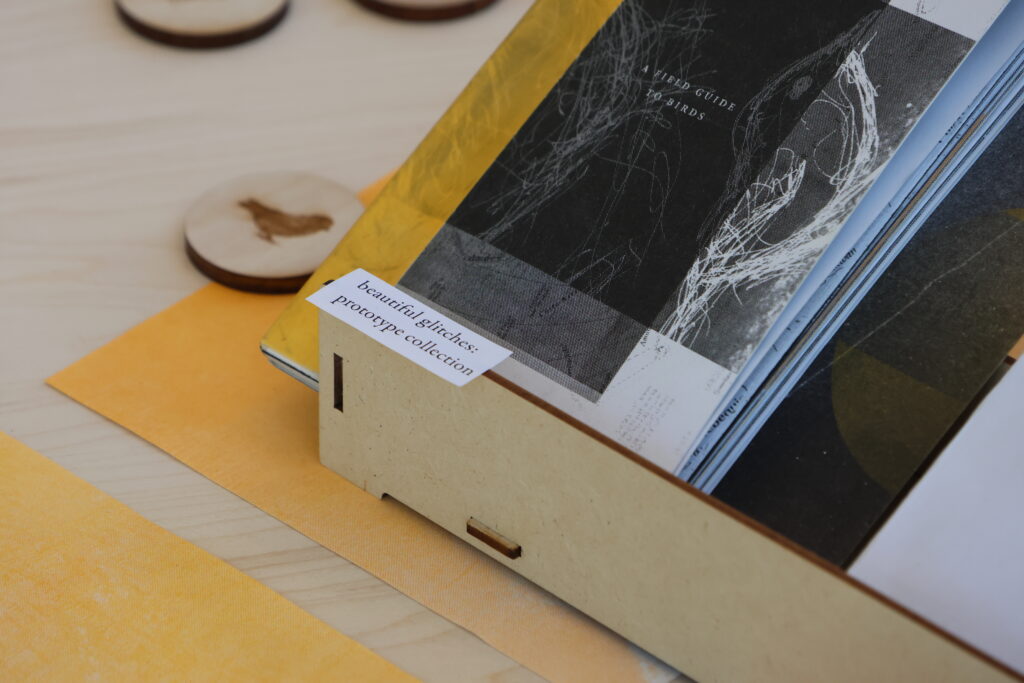
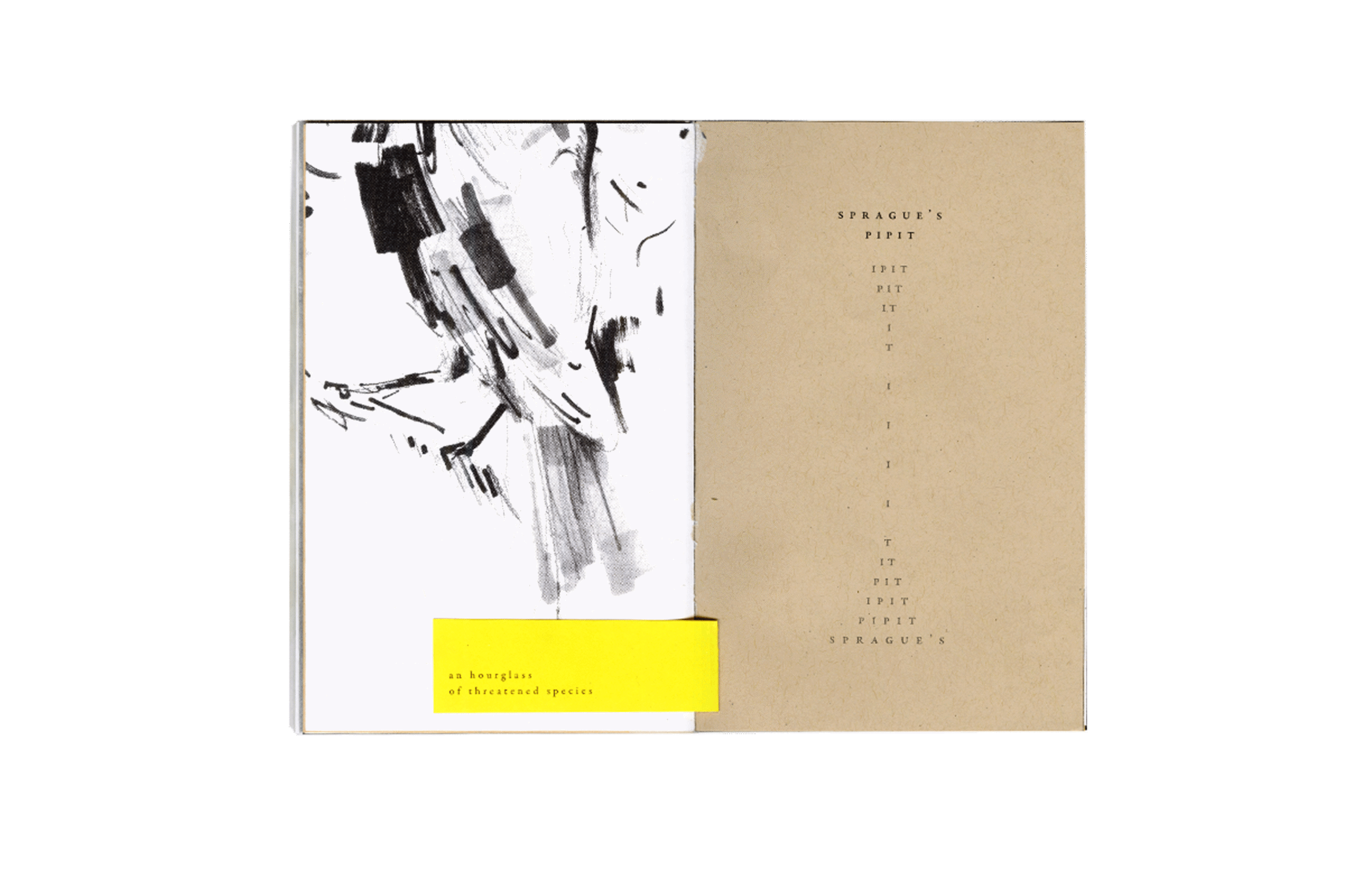
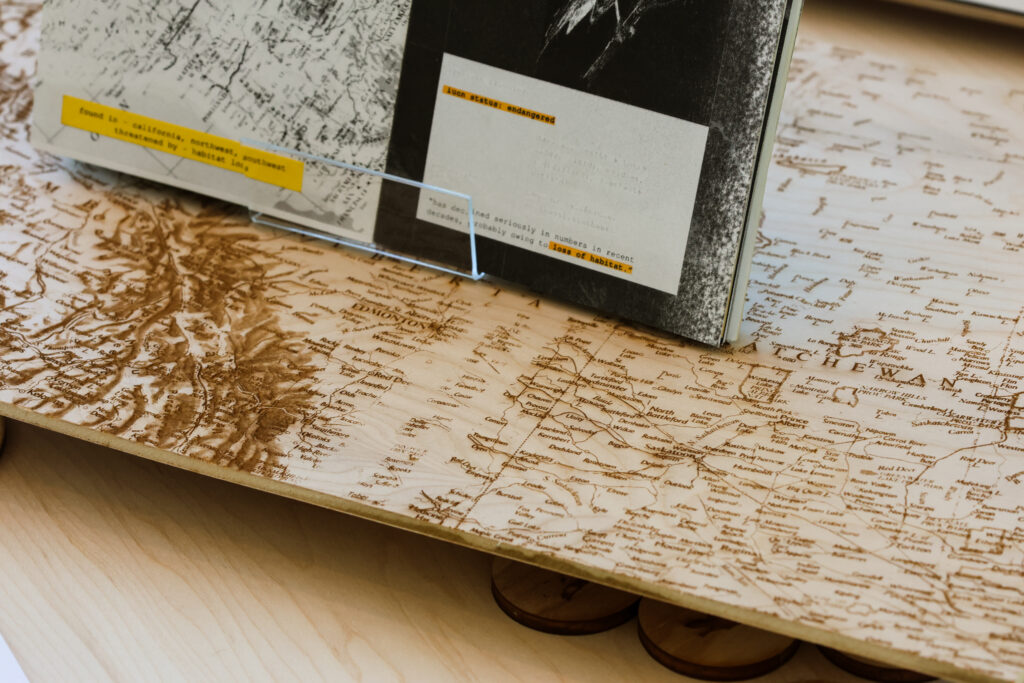
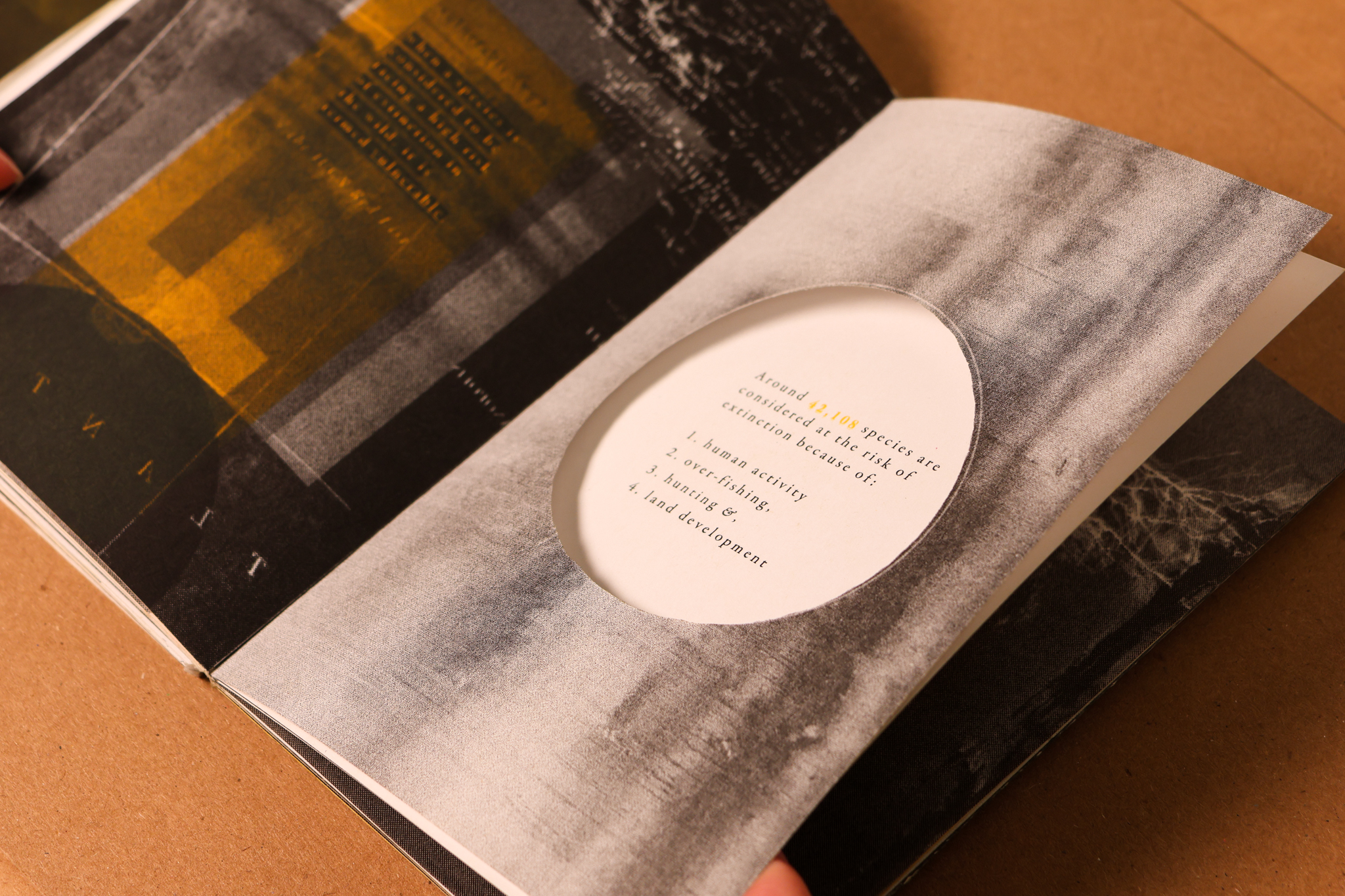
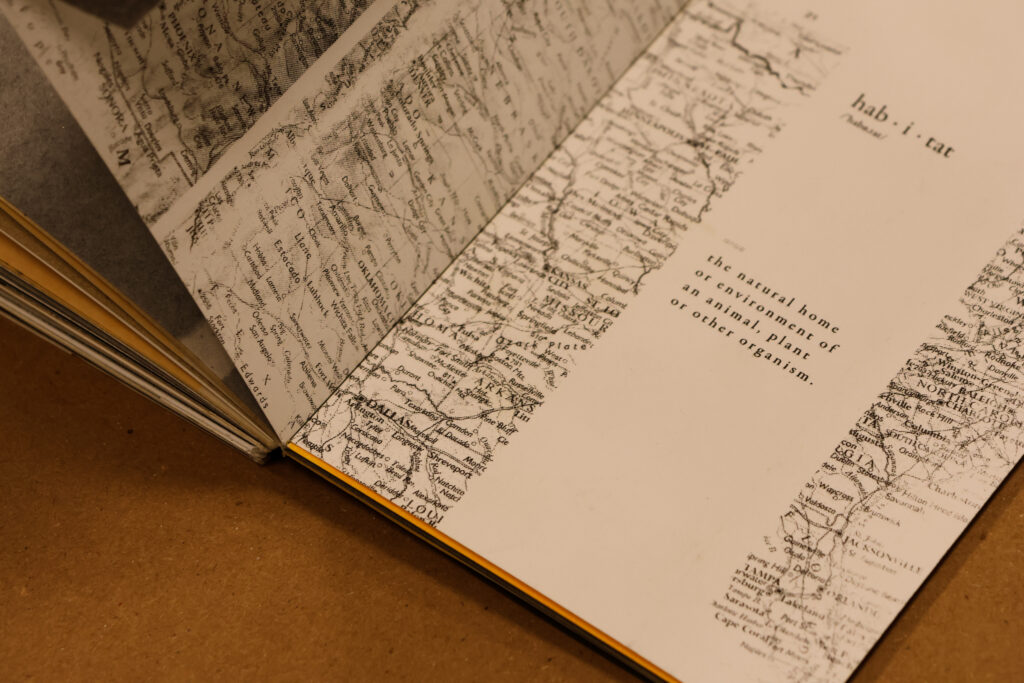
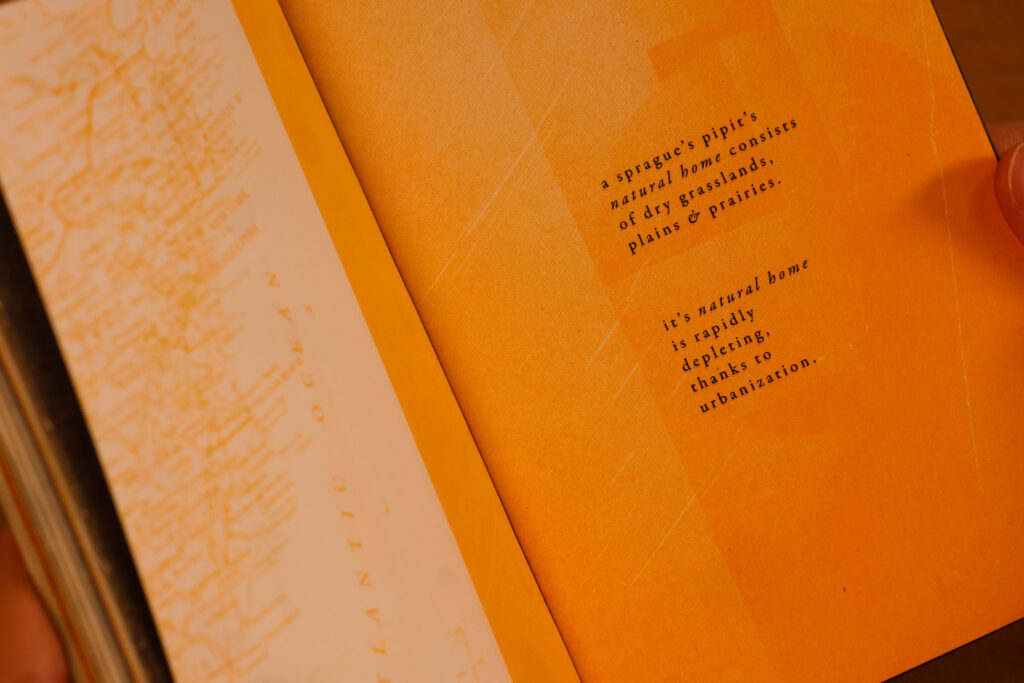
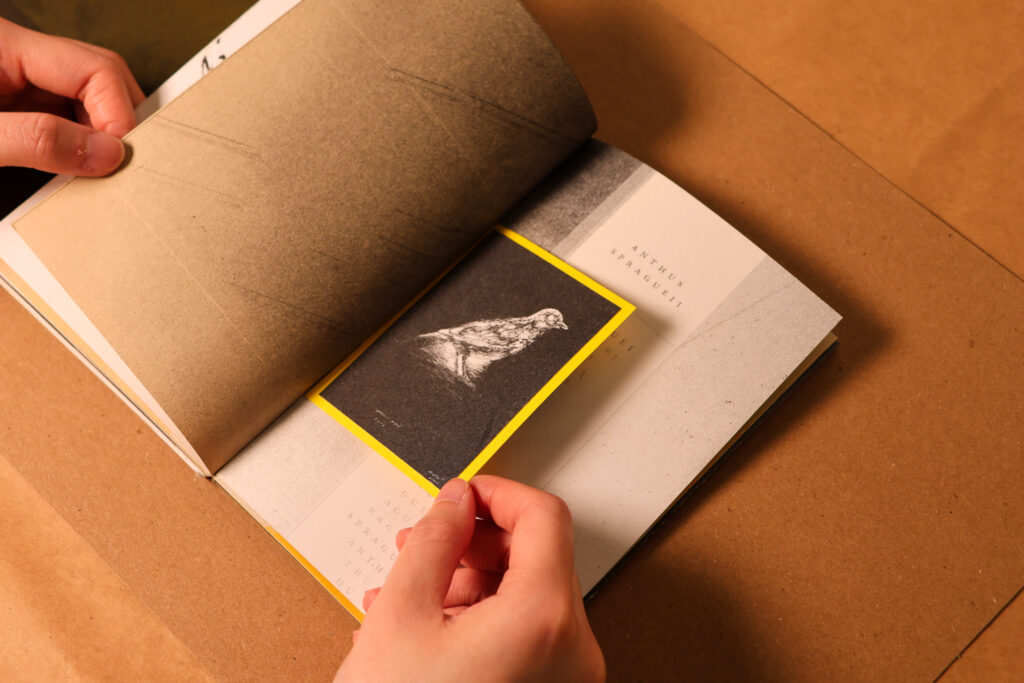
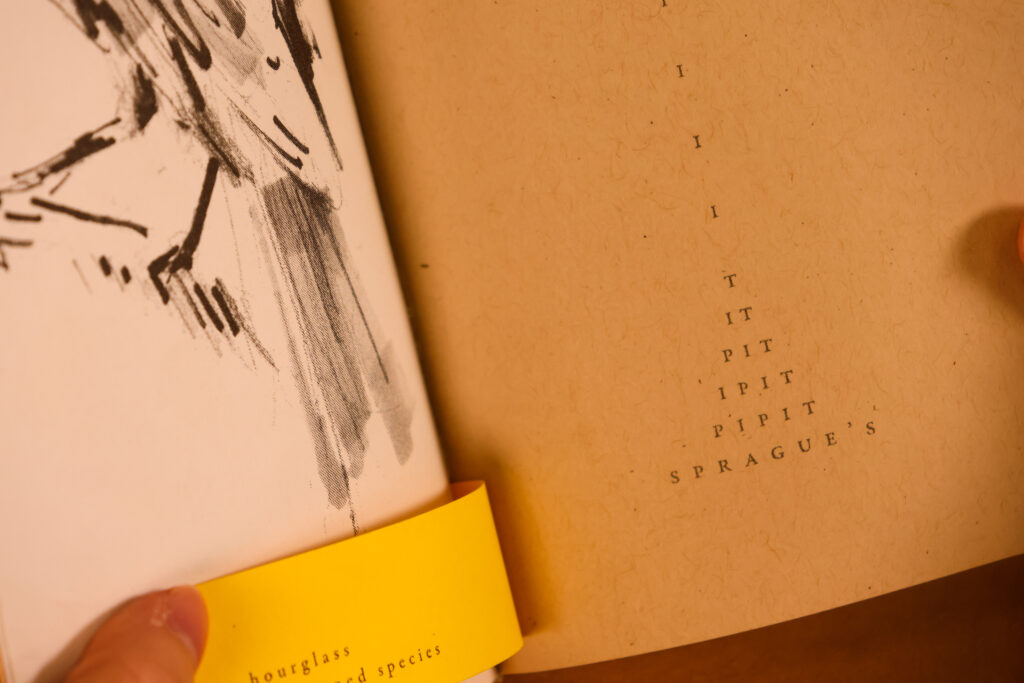
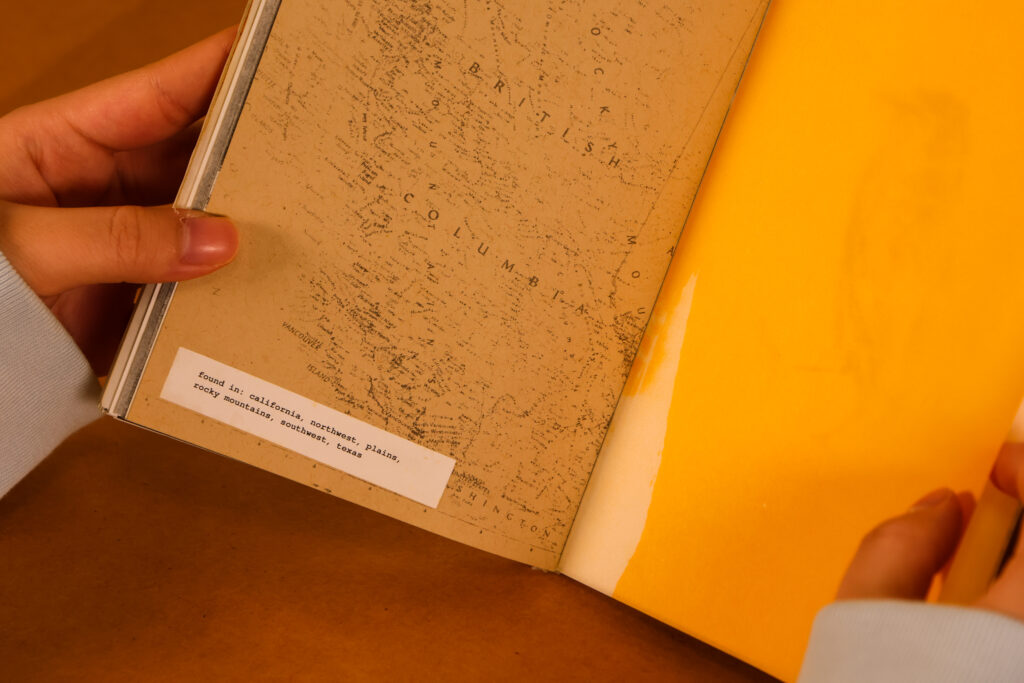
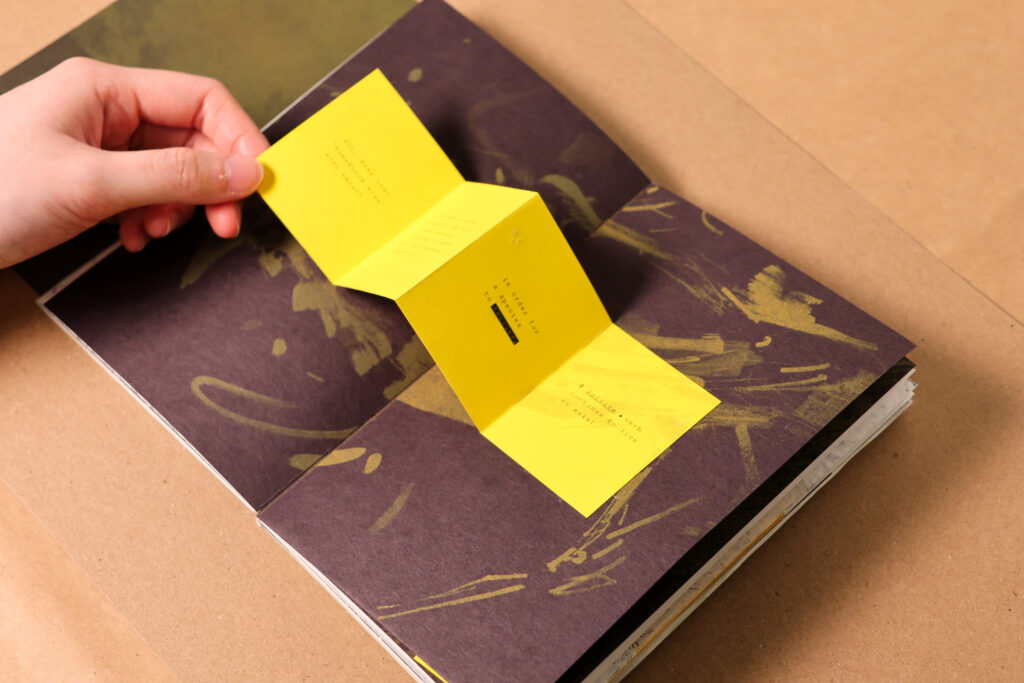
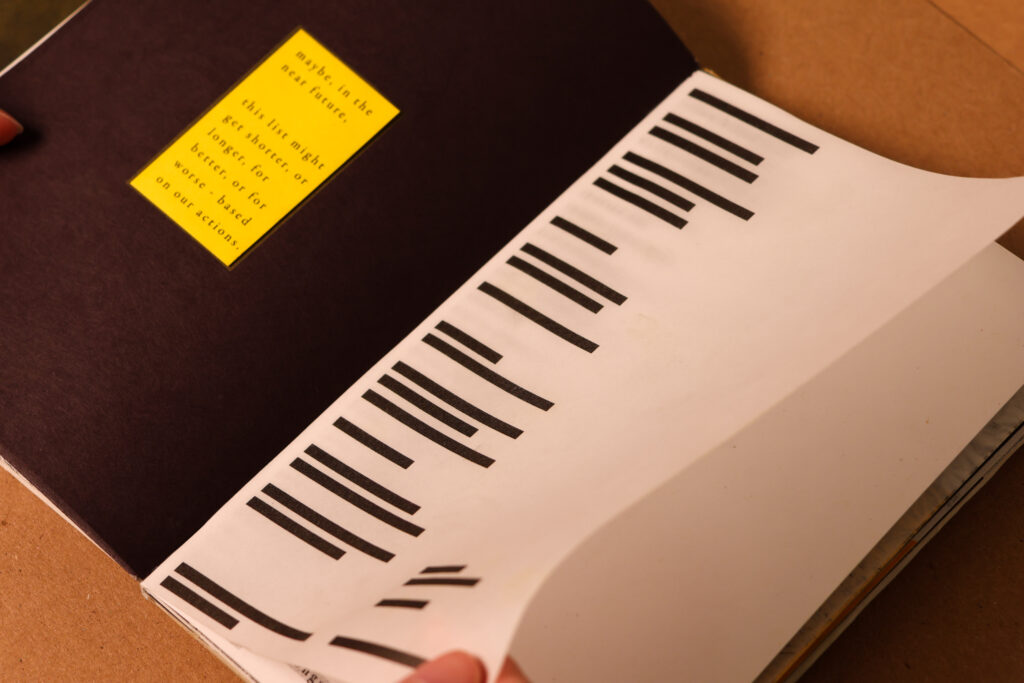
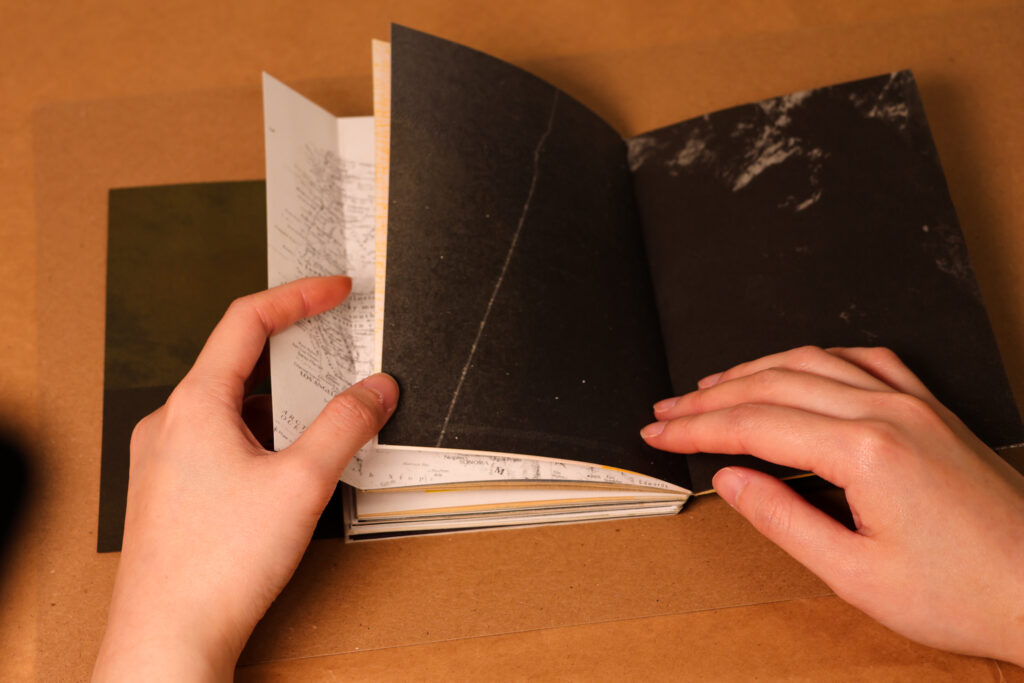
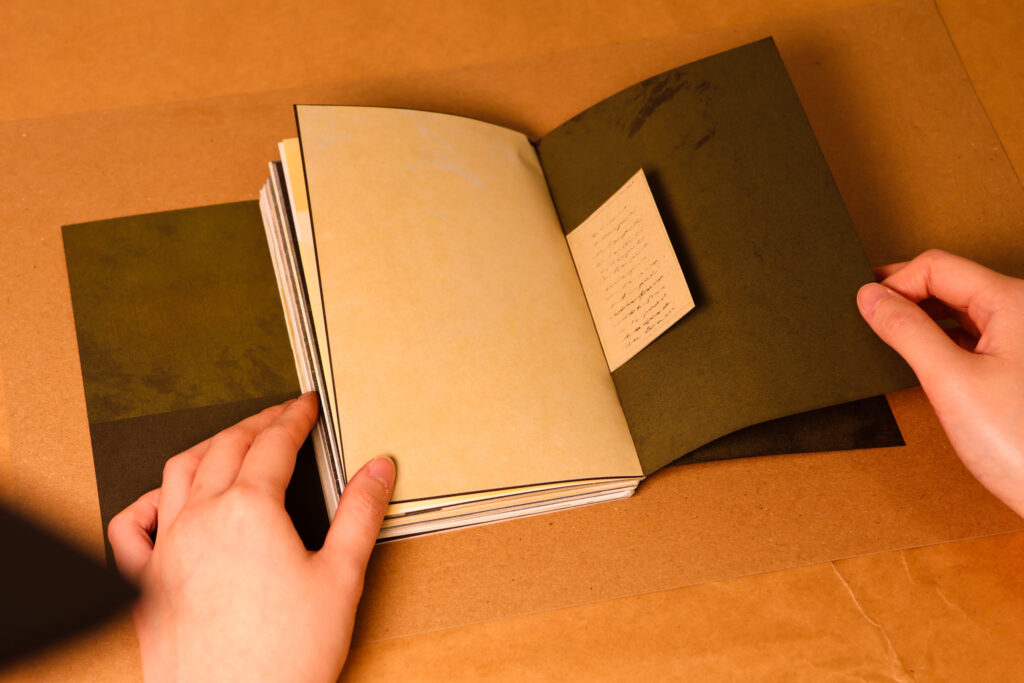
This book is a blend of illustrations, poems, maps, and alarming facts – that fuse together to emotionally engage the reader with the stories of endangered birds in North America. A poetic field guide that aims to tell you a little bit about these birds and where they’re found, and more importantly, how and why they’re slowly vanishing from the face of the earth.
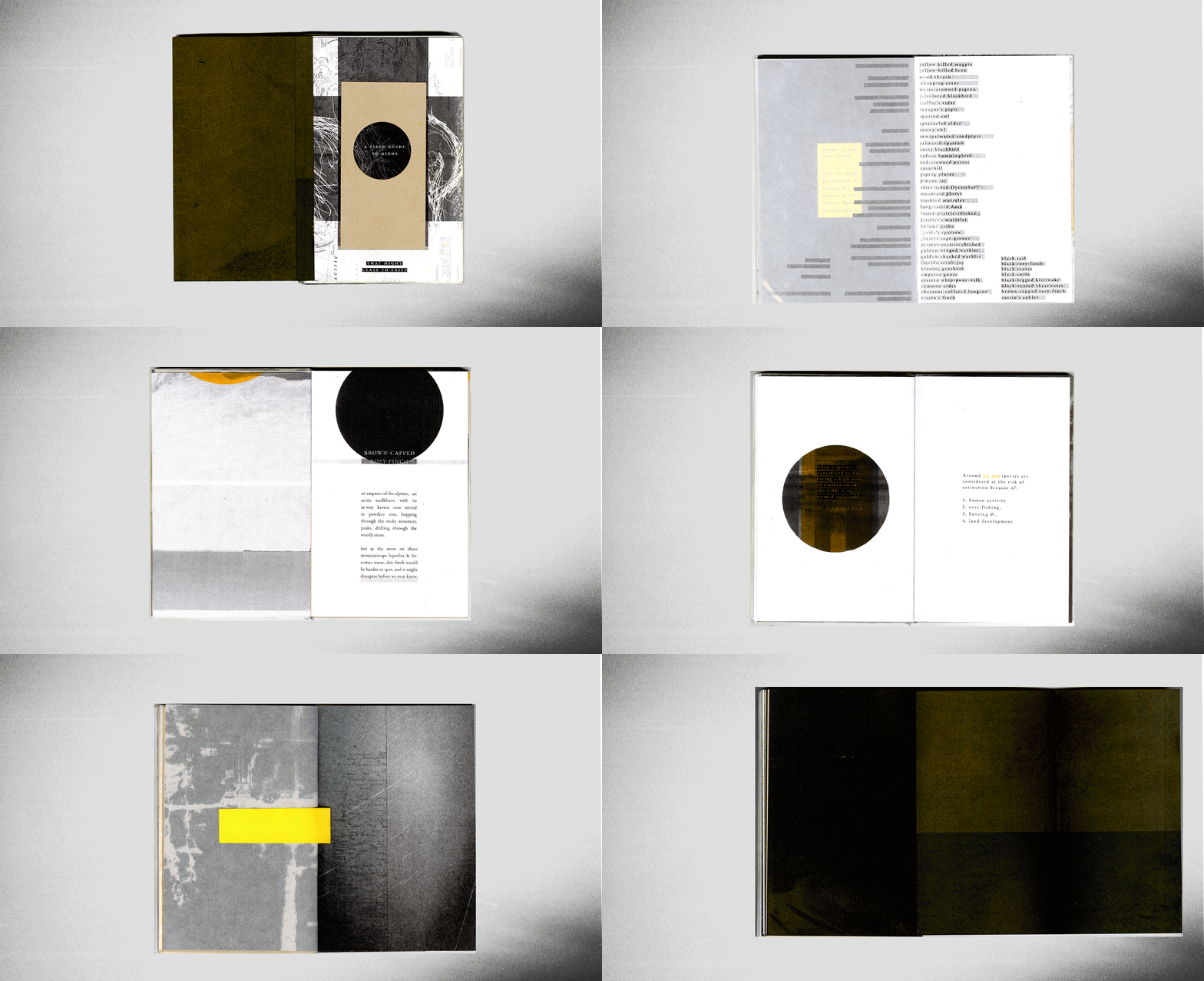
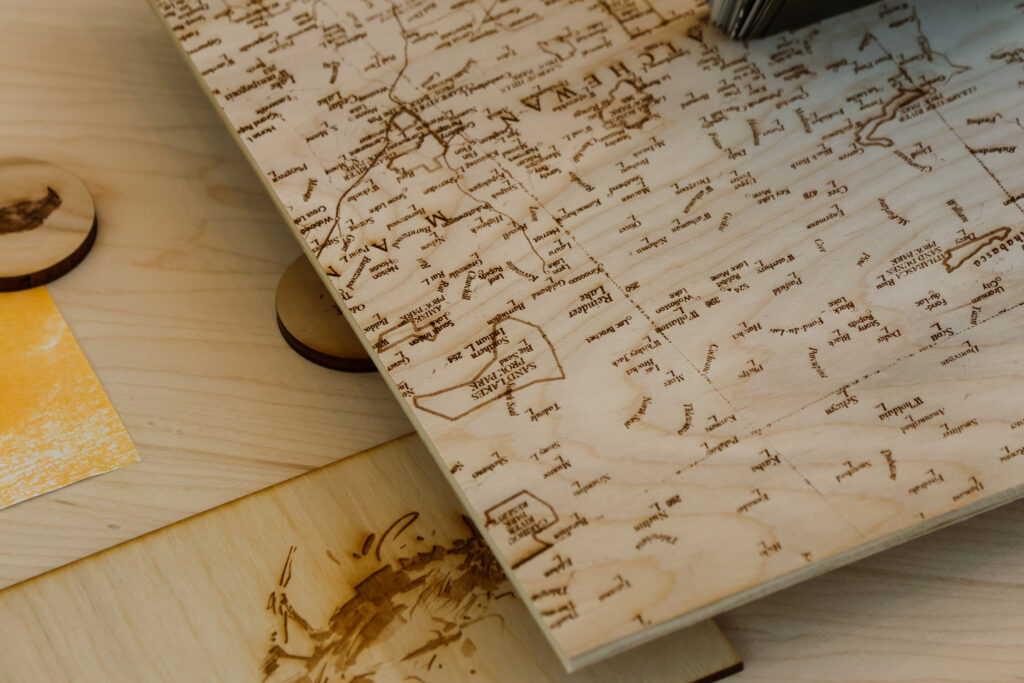
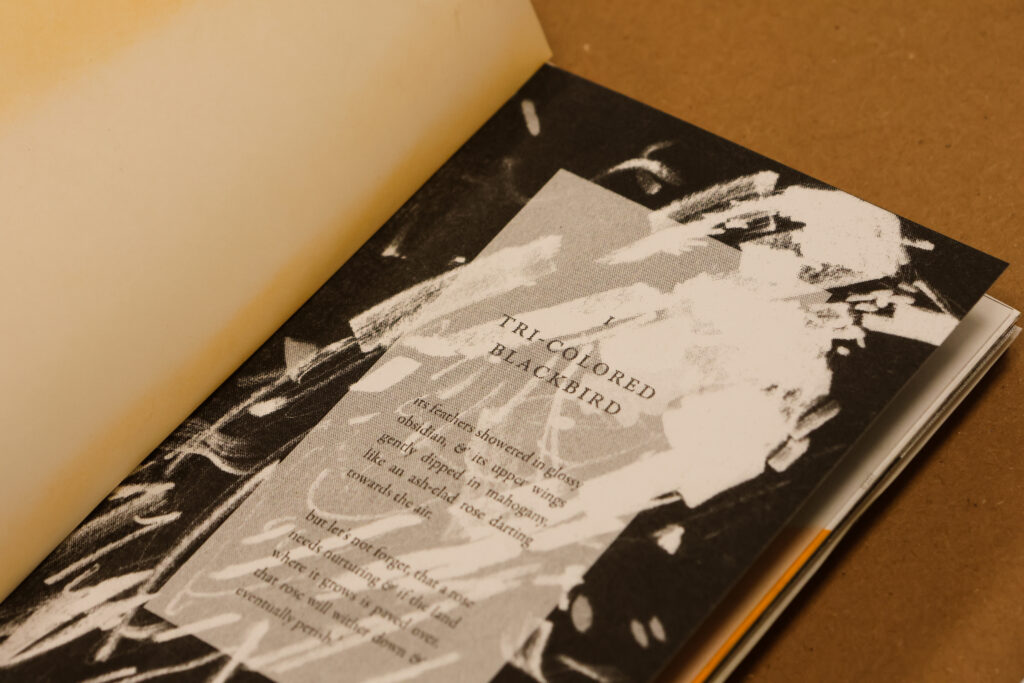
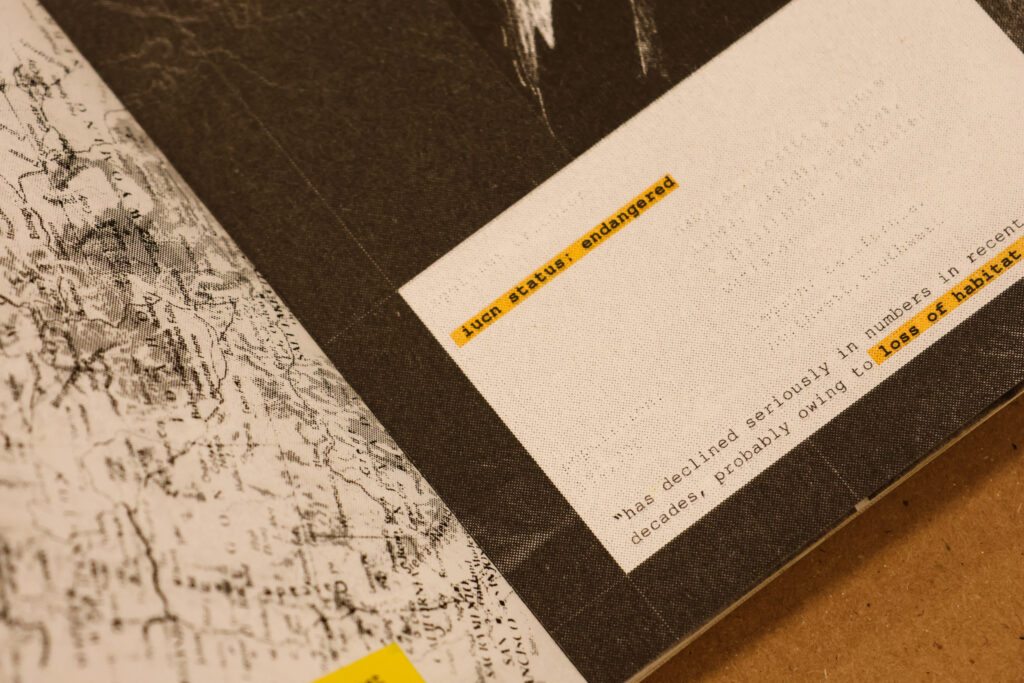
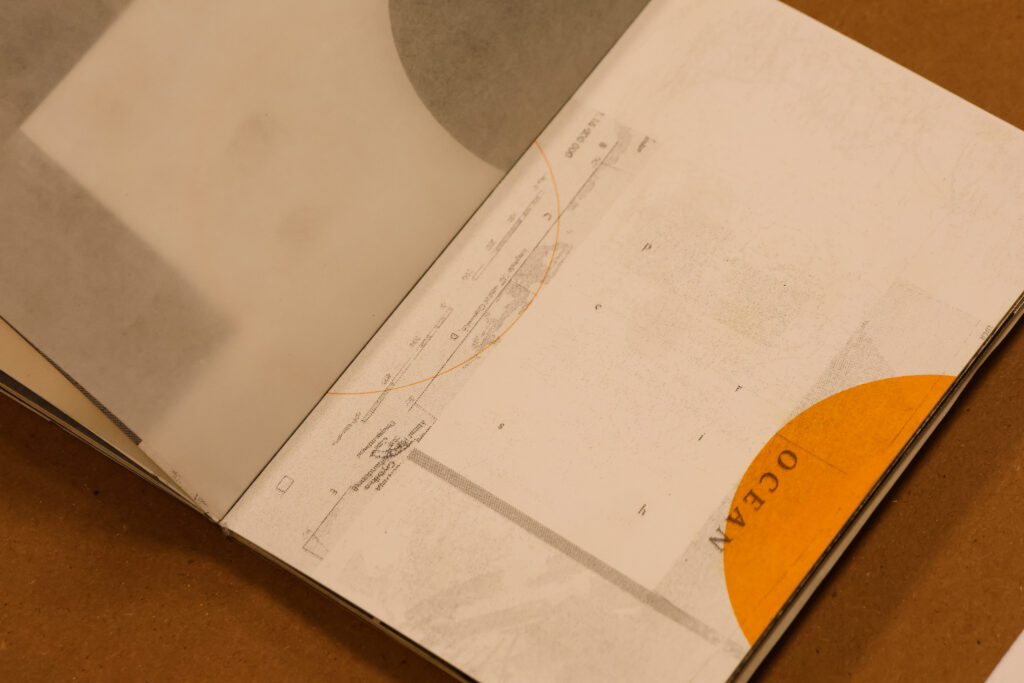
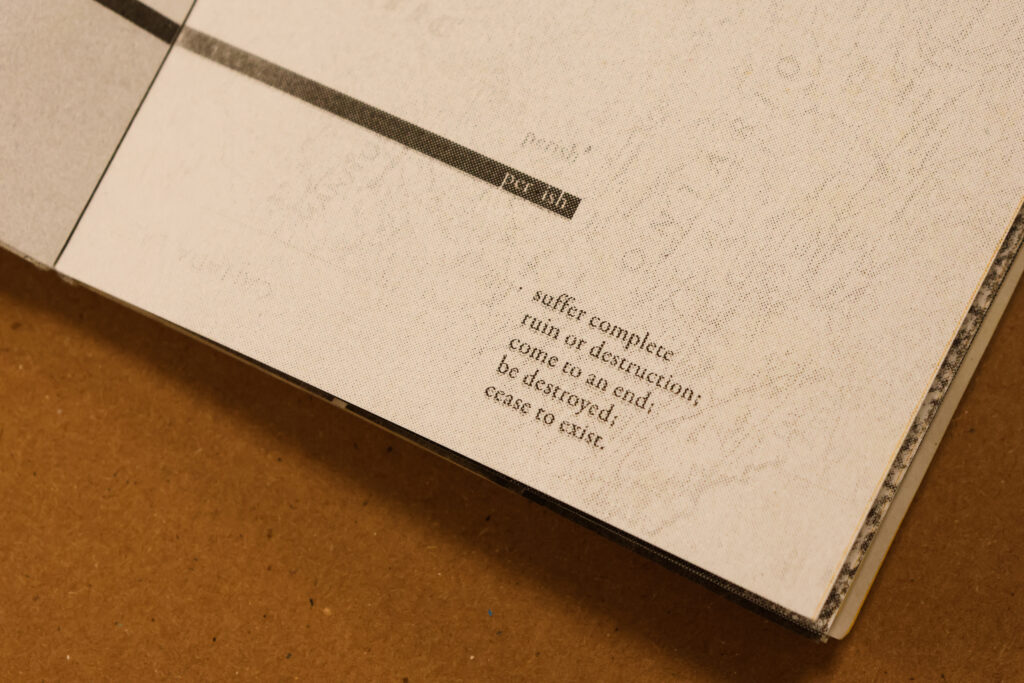
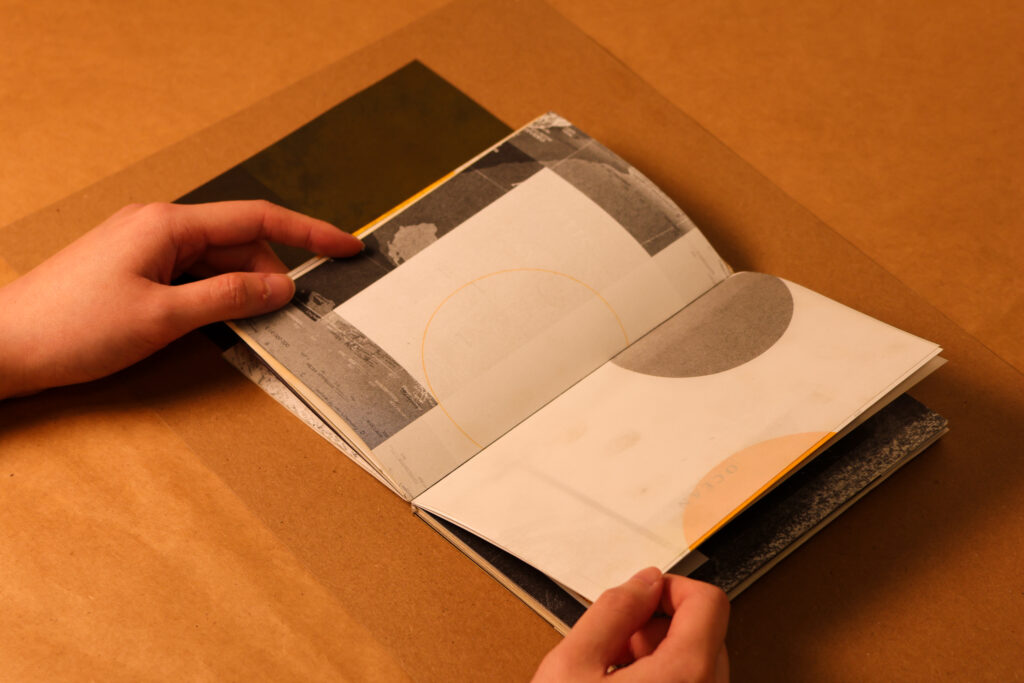
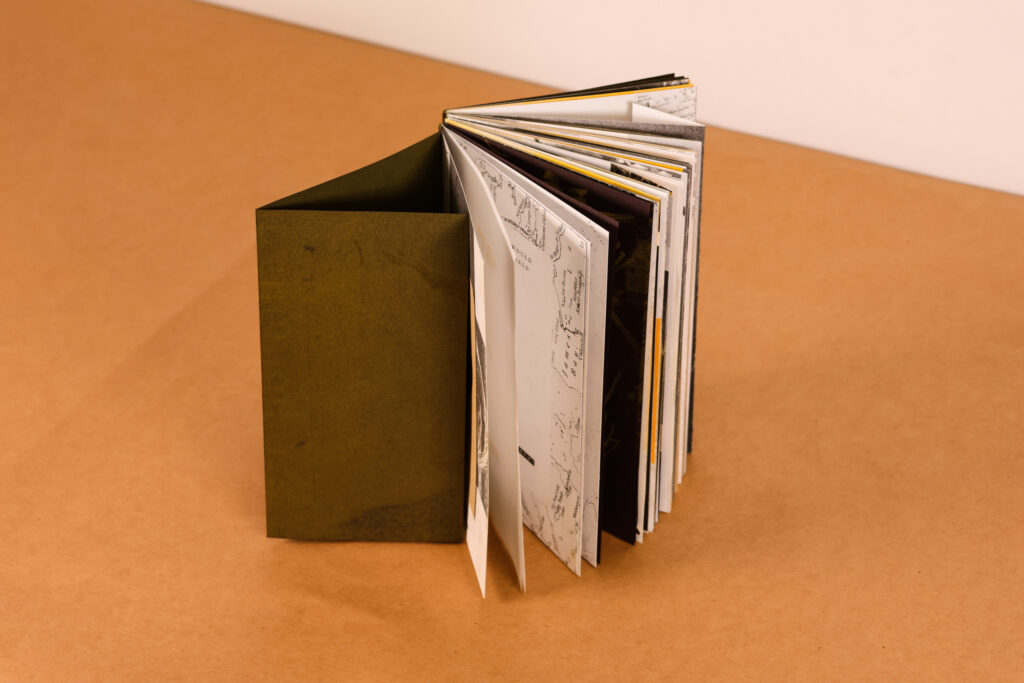
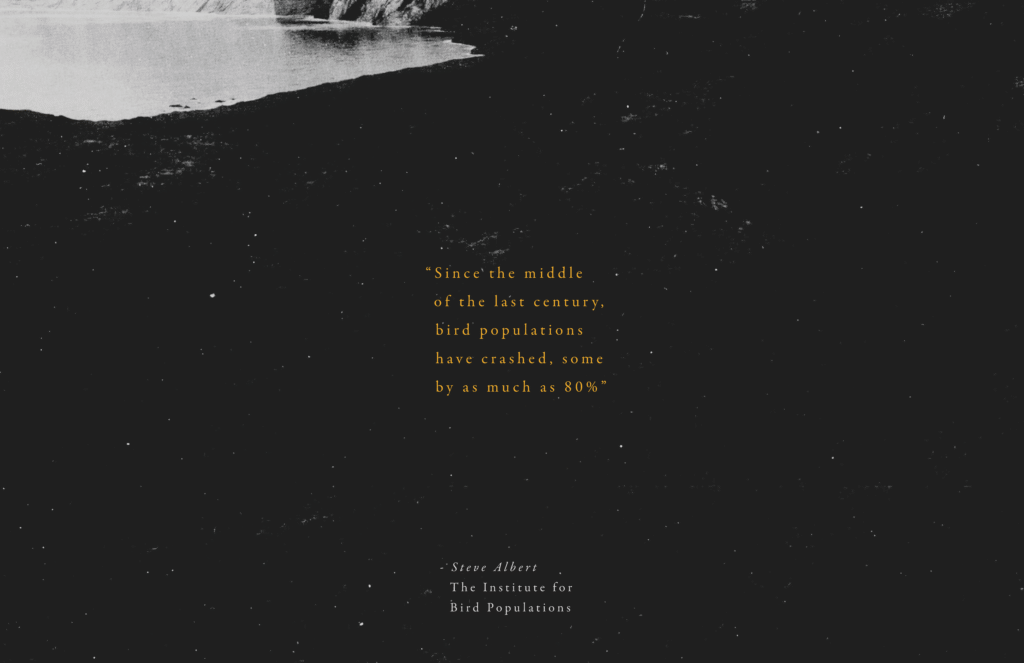
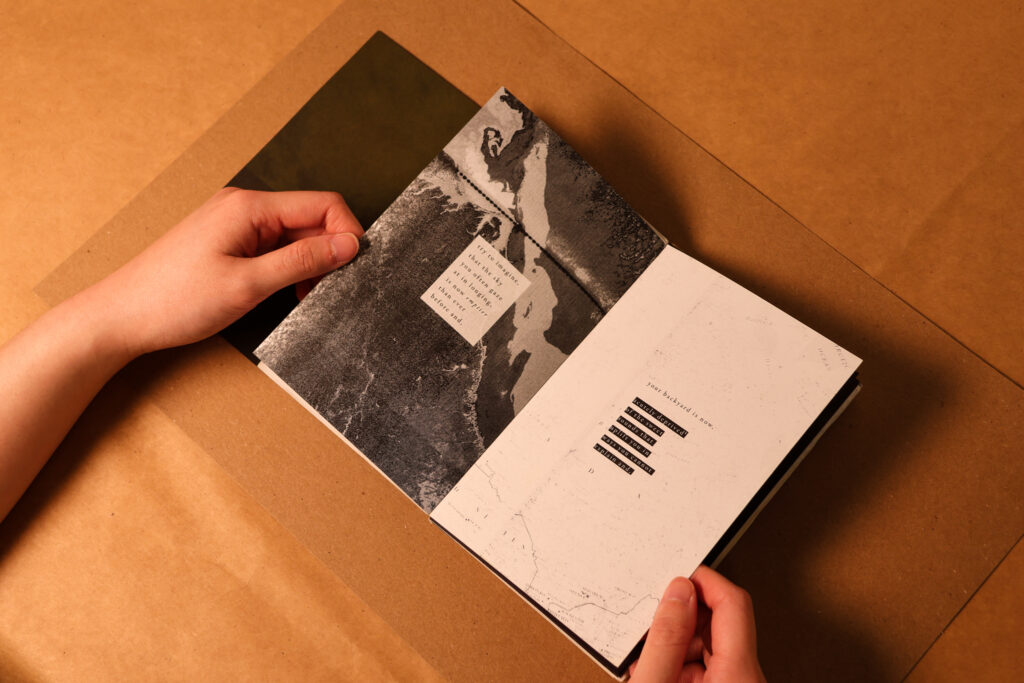
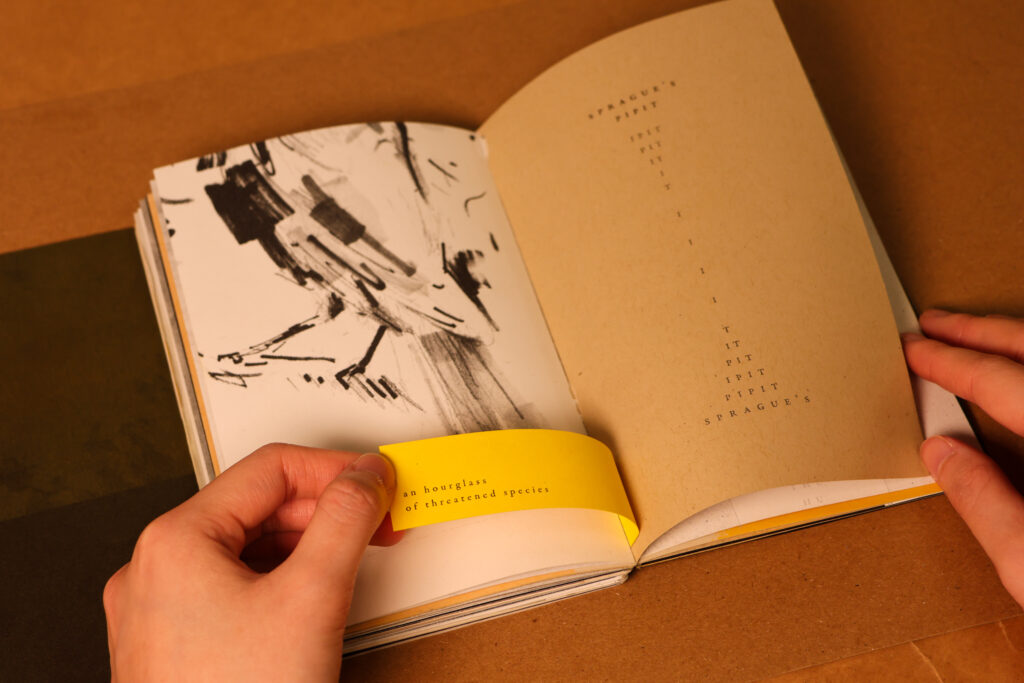
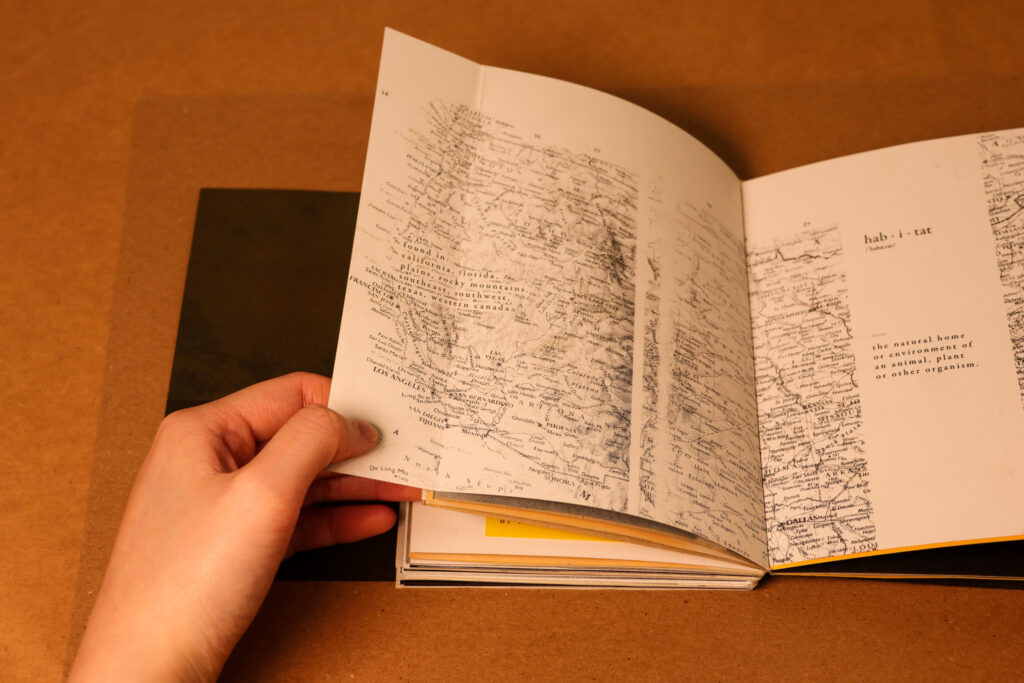
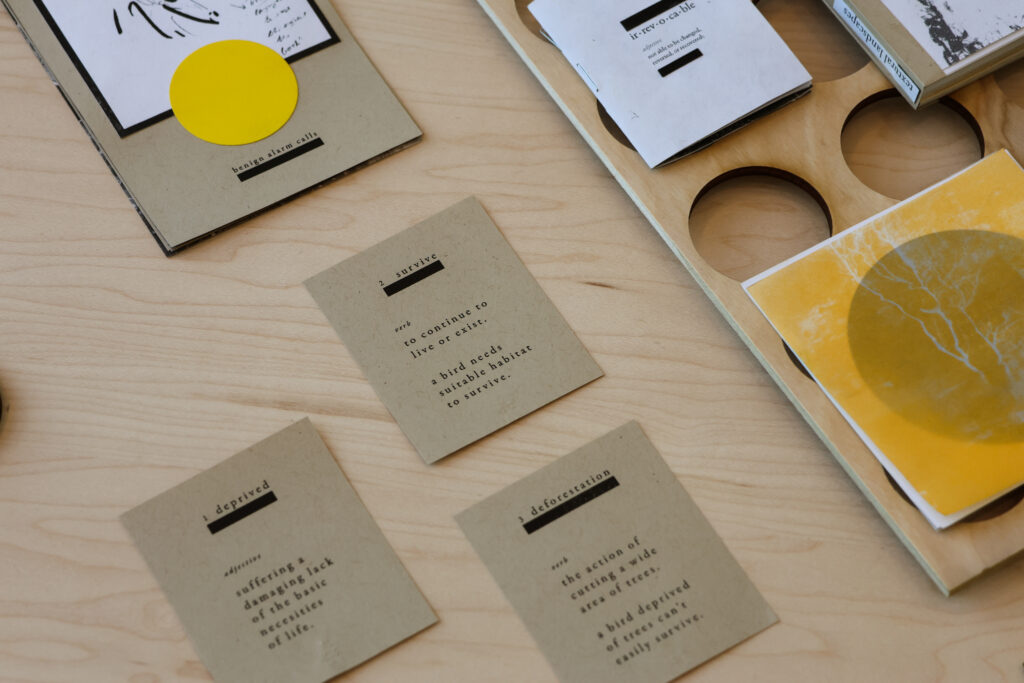
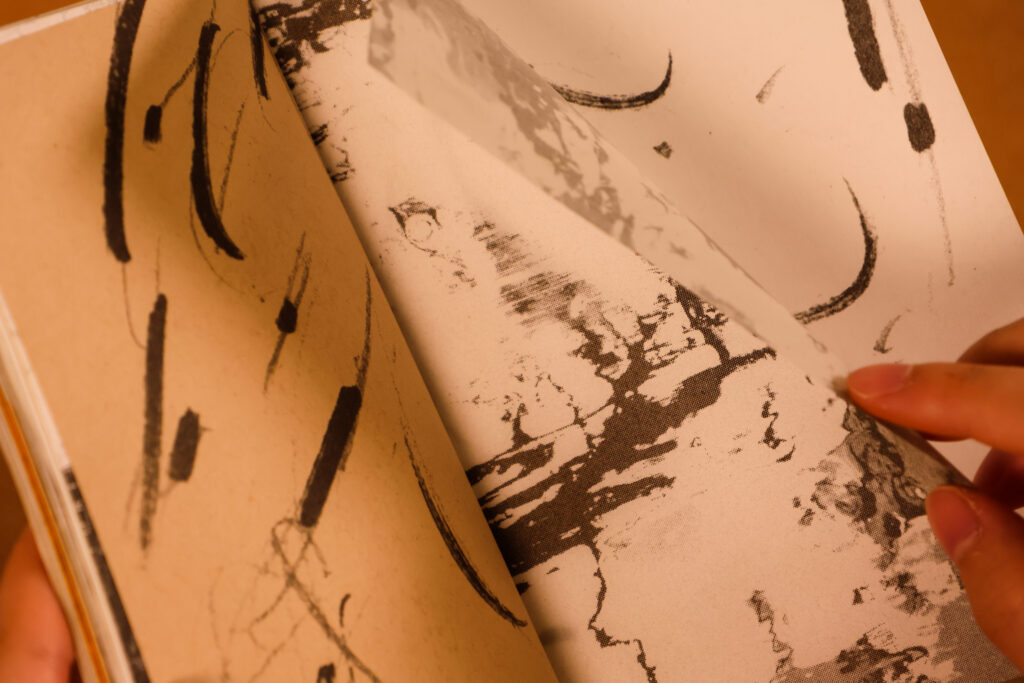
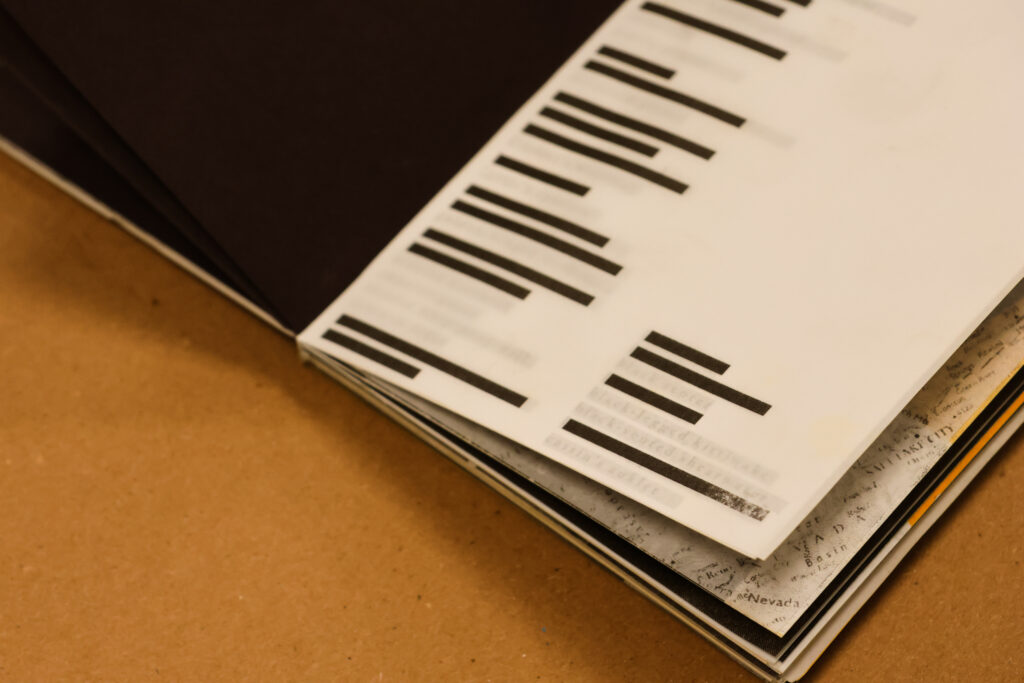
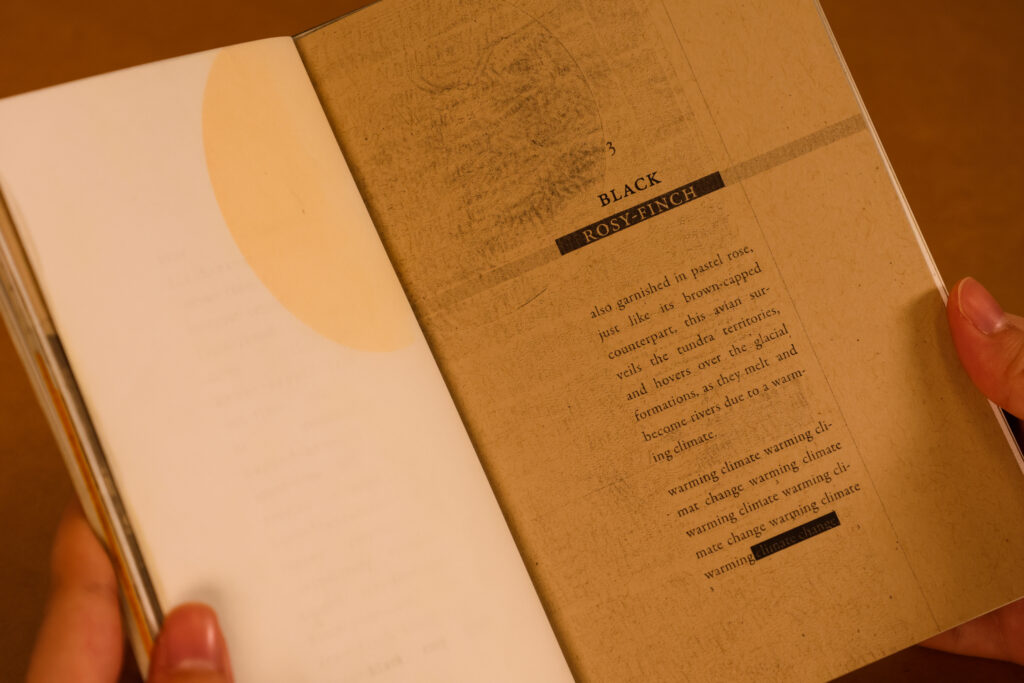
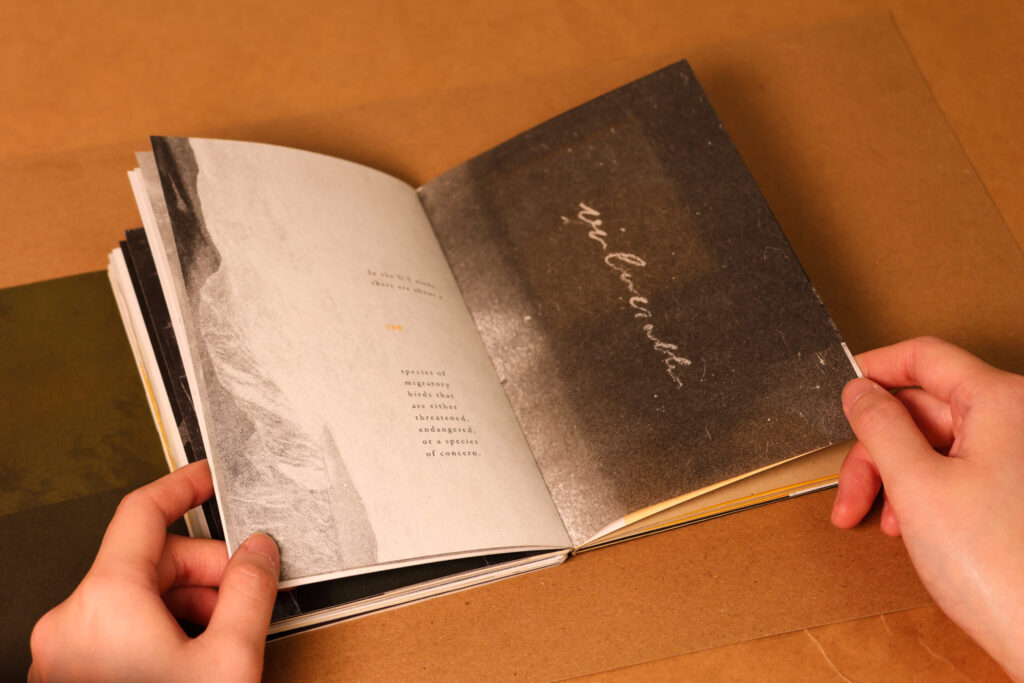
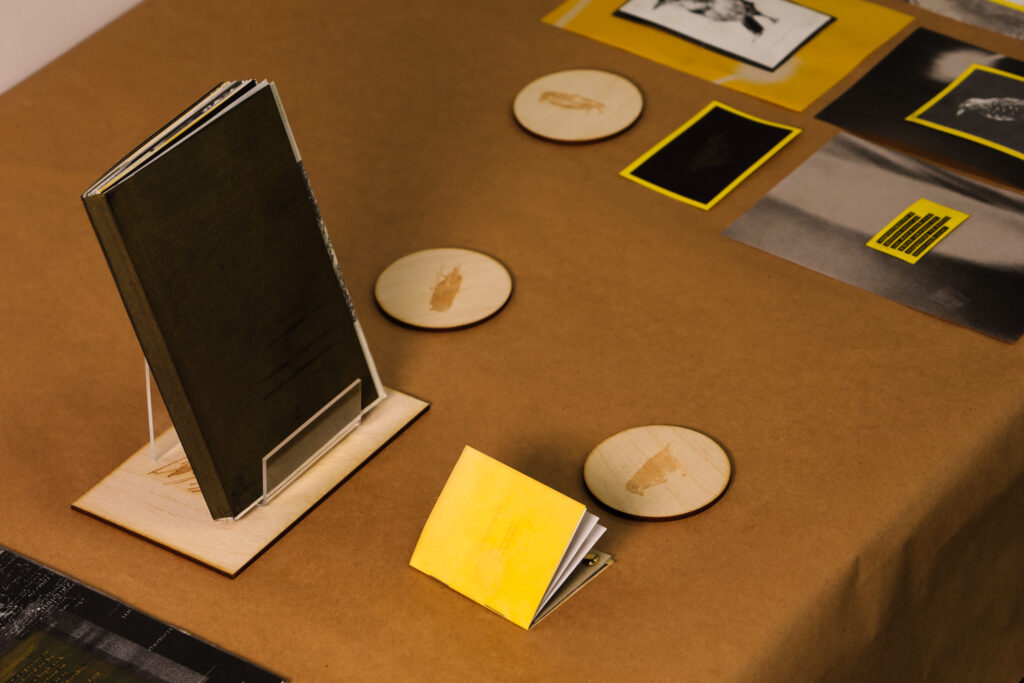
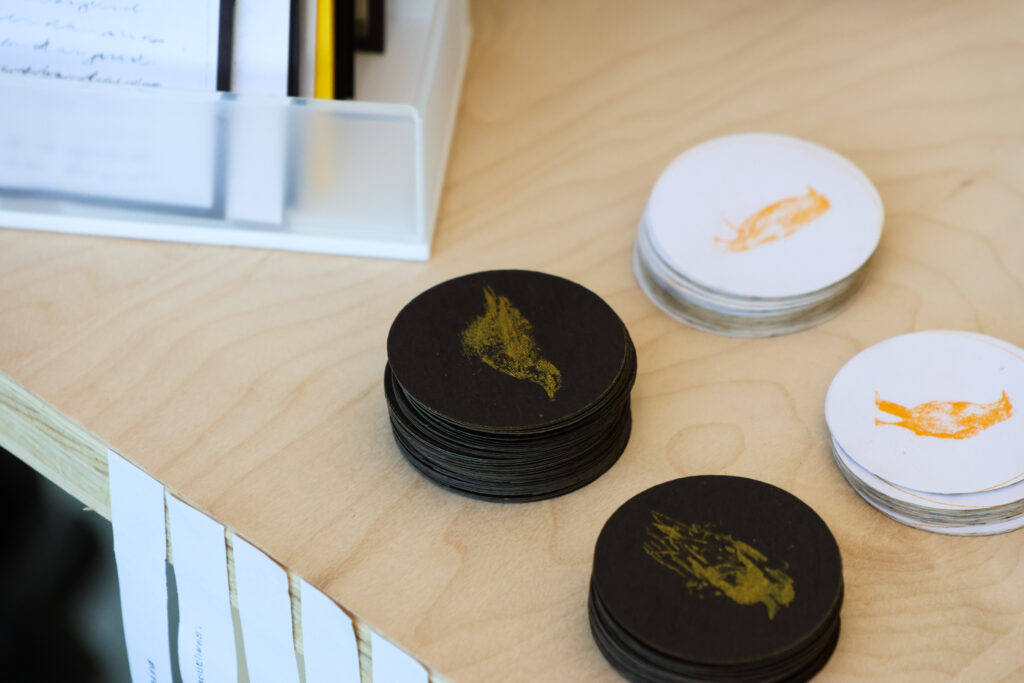
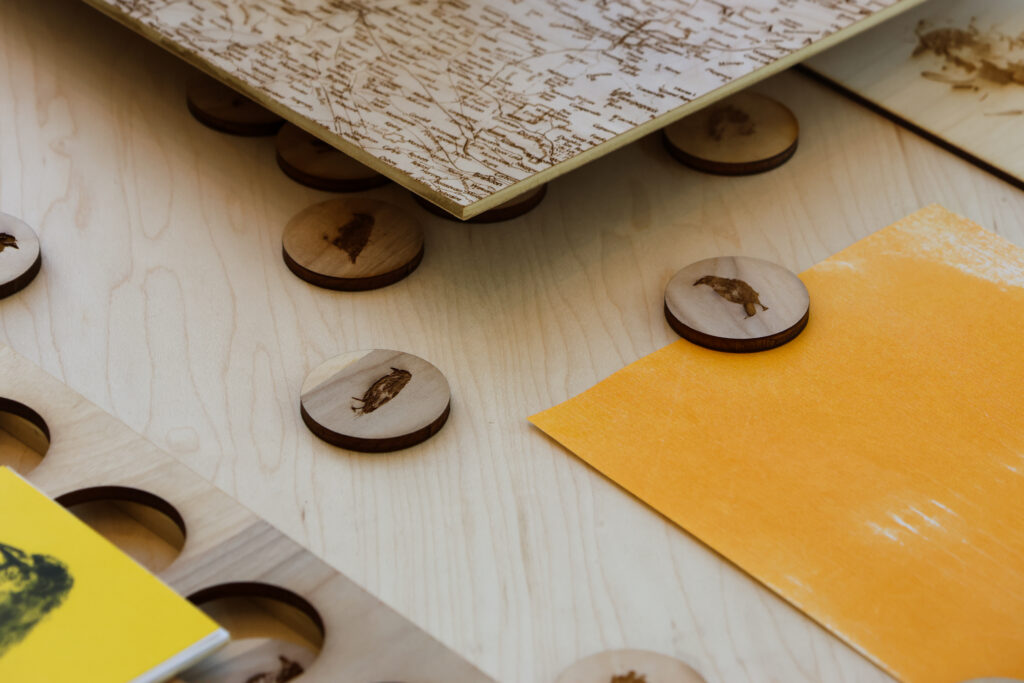
During the process of making the book, I experimented with various bookmaking techniques that would enhance the quality and materiality of the publication. I utilized different types of papers such as vellum, mohawk, cardstock and craft.
…
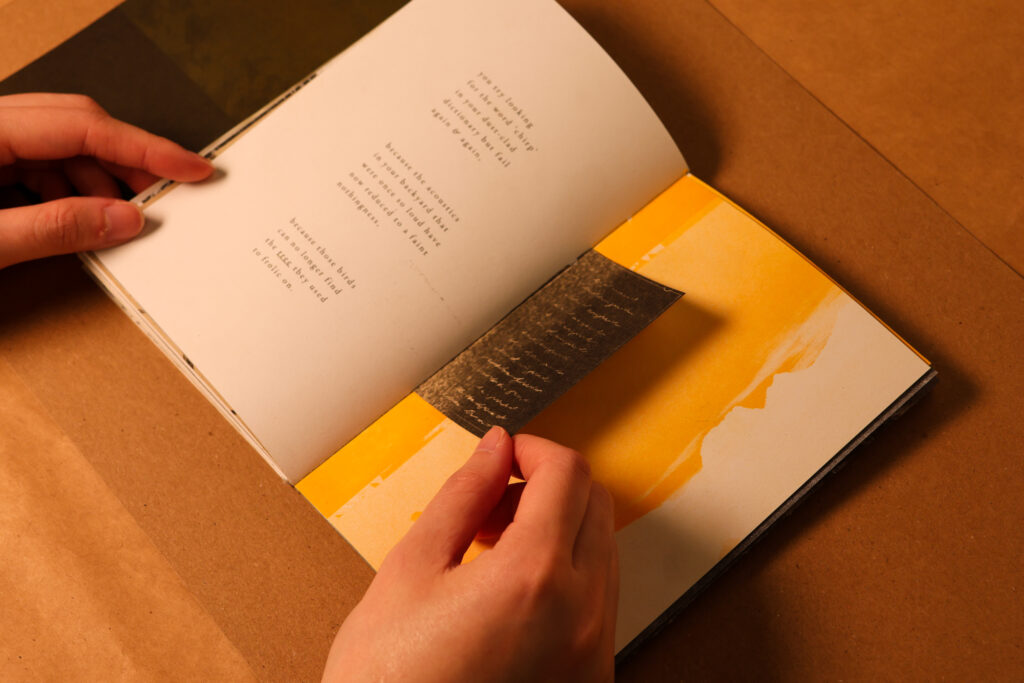
“You try looking for the word ‘chirp’ in your dust-clad dictionary but fail again and again,
because the acoustics in your backyard that were once so loud have now reduced to a faint nothingness,
because those birds can no longer find the tree they used to frolic on.”
…
Briefly, the book is an attempt at looking into accounts of a number of endangered bird species in North America, found primarily in the West Coast, to understand what factors are leading to a fall in their populations, and factors that are forcing them to relocate and migrate to regions more suitable for survival. Time and time again, I was reminded that deforestation, climate change and habitat loss are the primary threat to these species.
You might or might not have heard of these names: tricolored blackbird, black-rosy finch, brown-capped rosy finch, pinyon jay, yellow-billed magpie, rusty blackbird, saltmarsh sparrow, white-crowned pigeon. Here, I have mentioned only eight of the 389 bird species in North America that are at the brink of extinction – according to a climate report published by Audubon Society. (https://www.audubon.org/climate/survivalbydegrees). The birds discussed in my field guide are either endangered or vulnerable according to the IUCN Red List (International Union for Conservation of Nature), which is a universally recognized index used to identify the extinction risk of biological species.
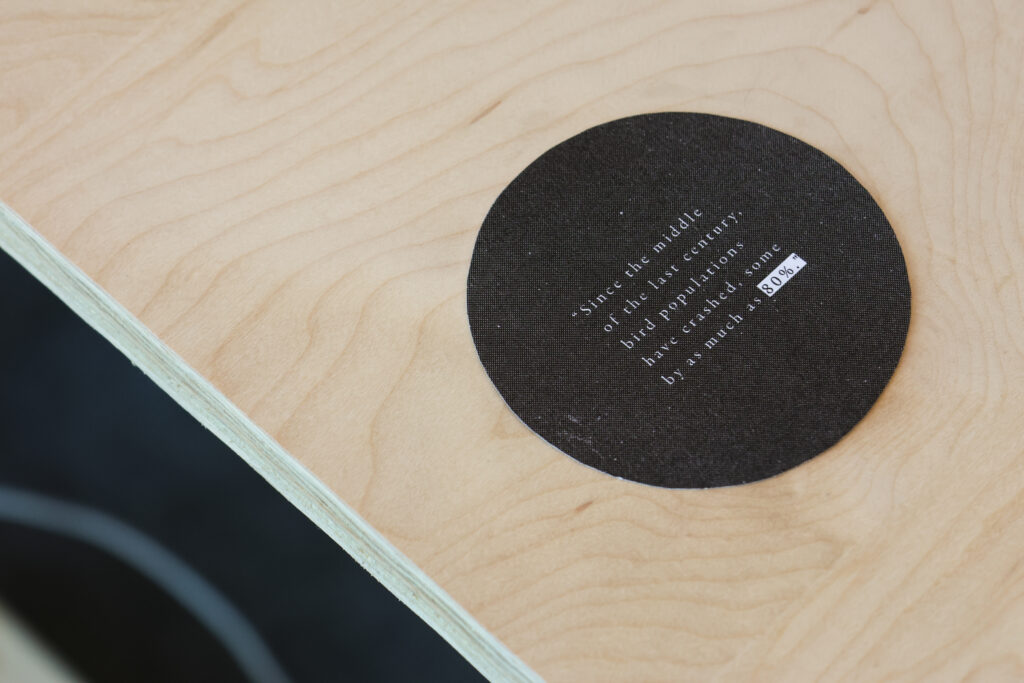
There’s only so many birds I could cover within three months, but I think these the species discussed in the book are like a doorway for us to at least be informed about this growing problem of biodiversity loss – thanks to human activity and climate change. I see these birds as canaries in the coalmine, like alarm calls waiting to be heard so that we, for once, understand that our natural kin is in peril. And the numbers don’t lie.
…

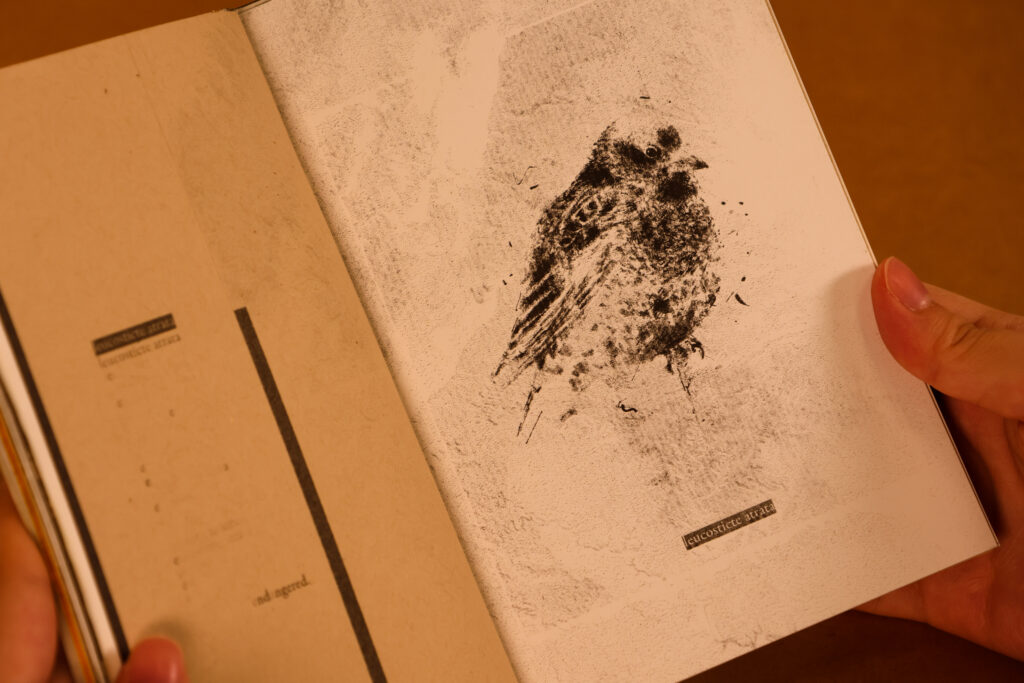
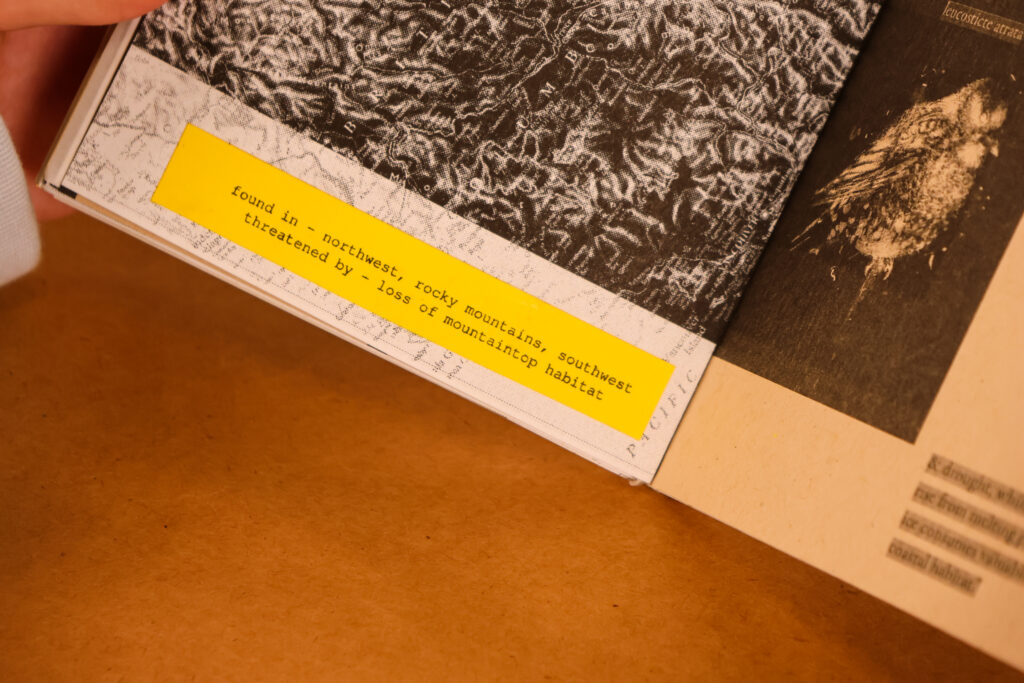
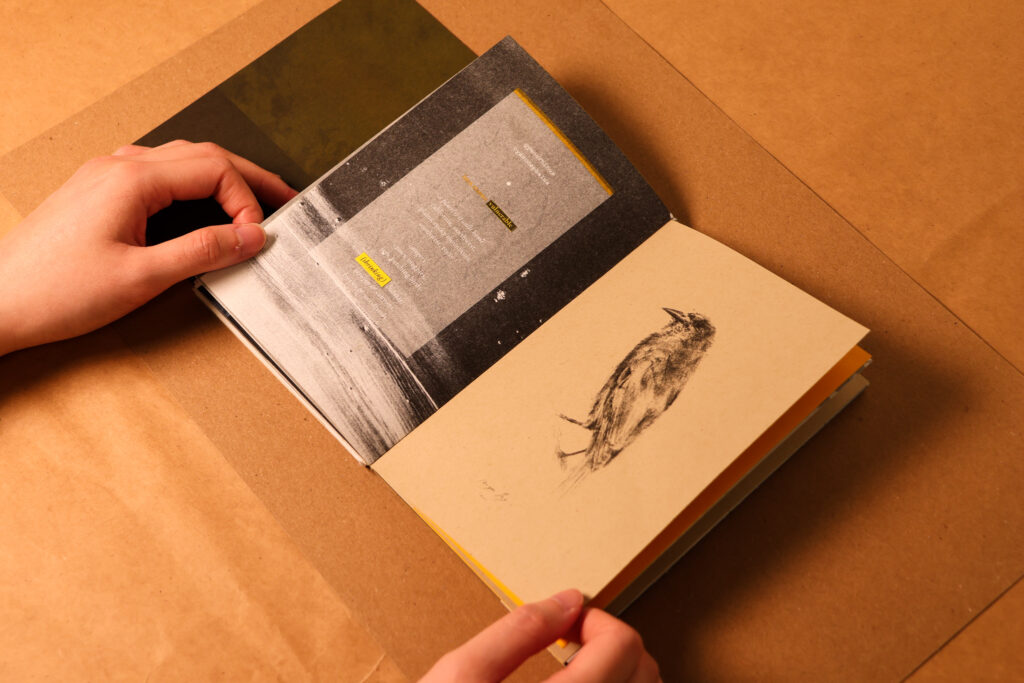
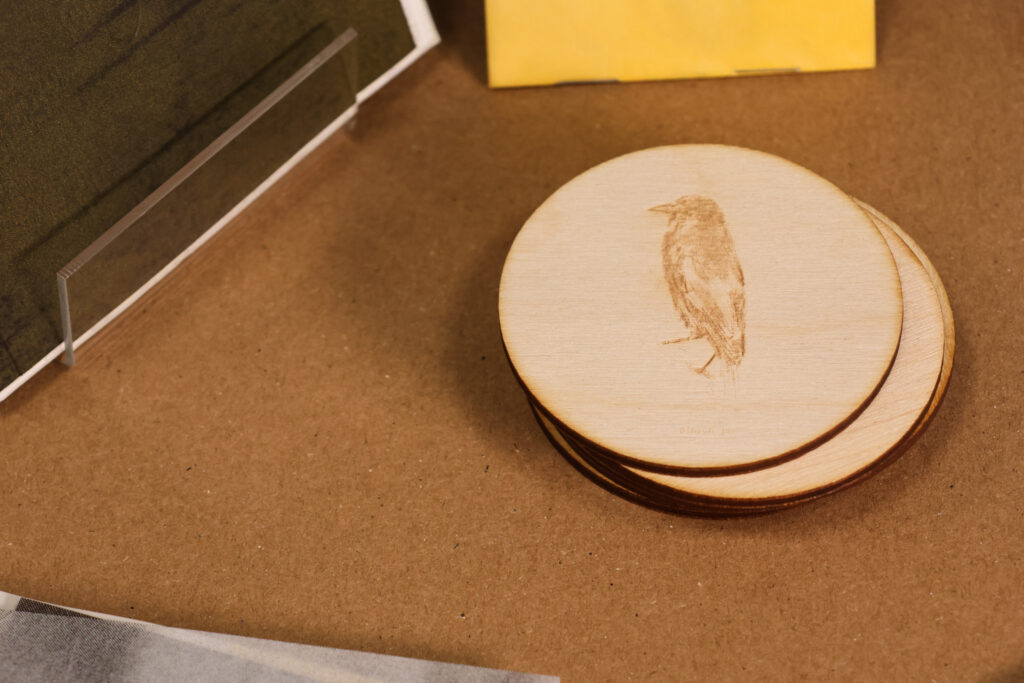
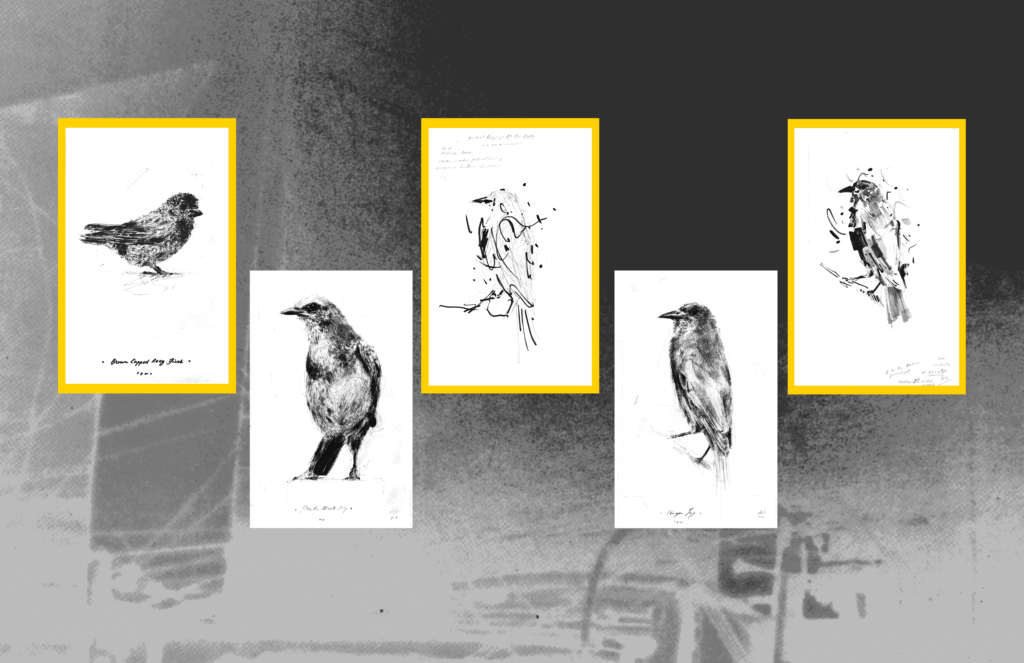
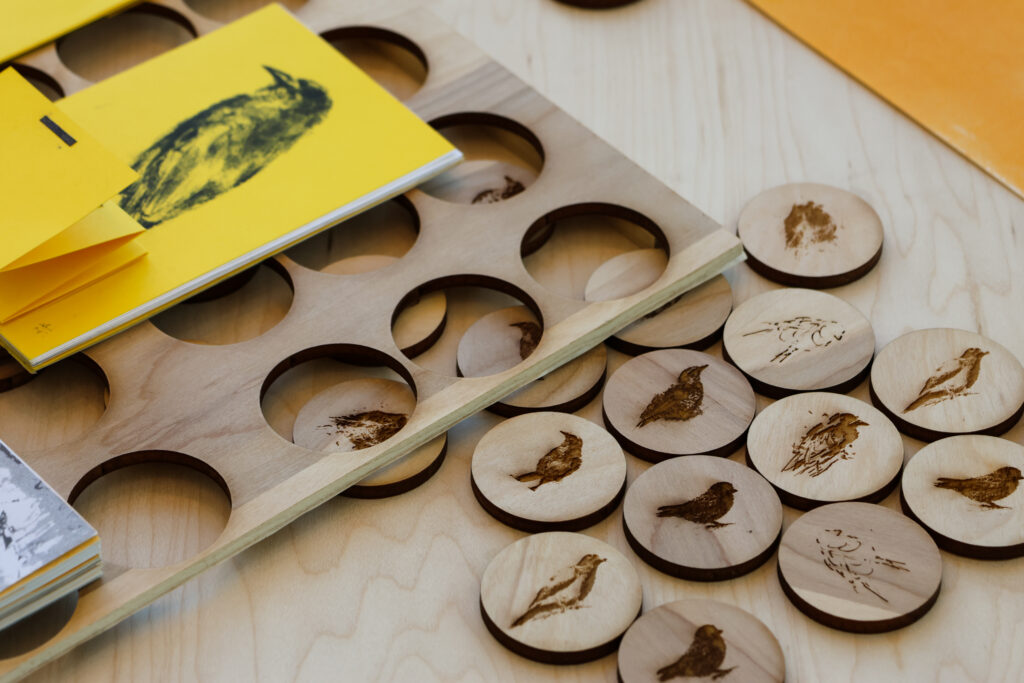
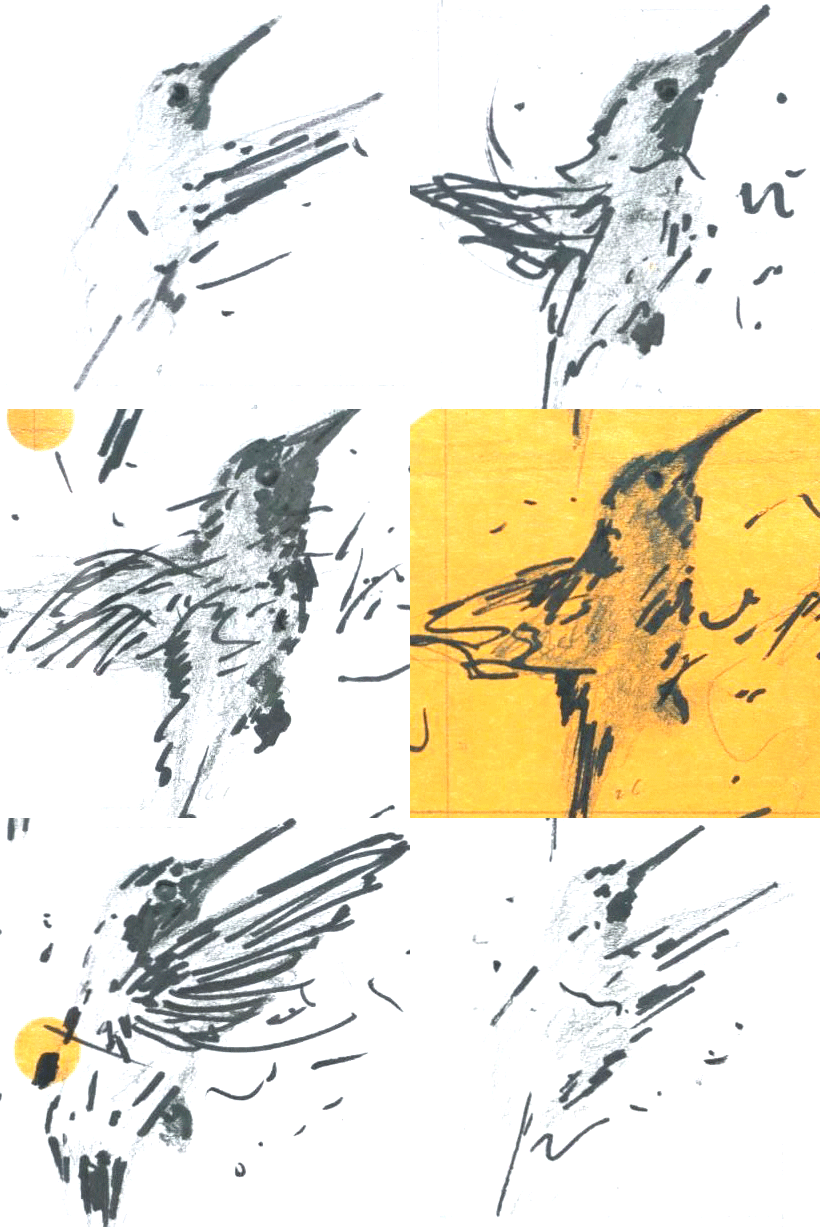
Here are a few illustrations that were made for the book. I incorporated a mix of two drawing styles for the field guide:
1) Realistic / scientific and, 2) stylistic / gestural. These drawings acted as direct representations of the species, as well as added visual richness to the book through the mark-making. The species shown here are – Brown capped rosy finch, Florida-scrub jay, and Pinyon Jay (left and right). All victims of habitat loss and global warming.
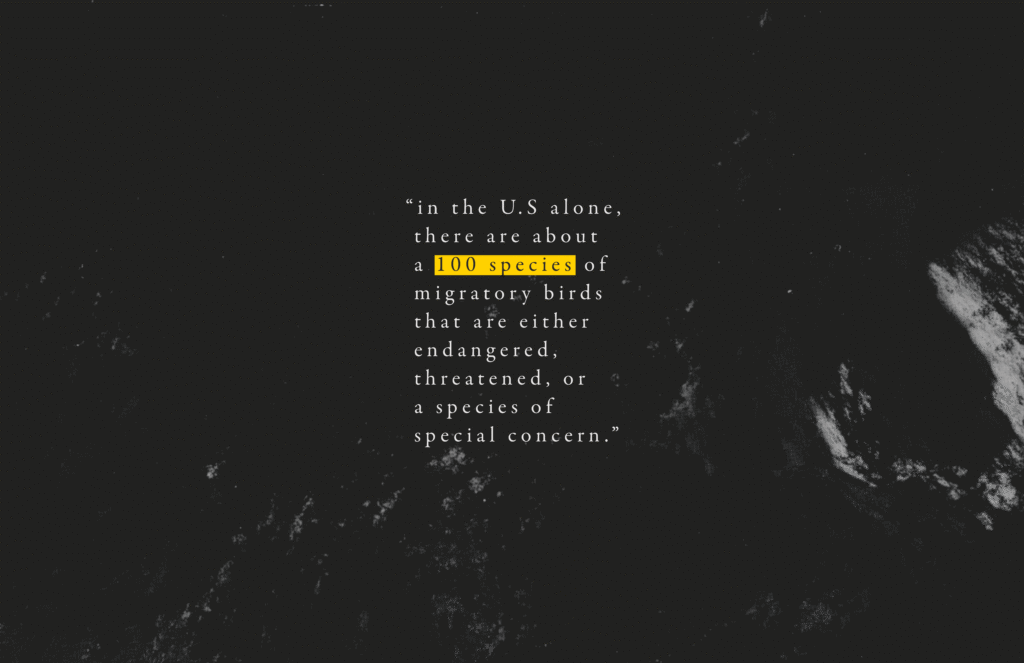
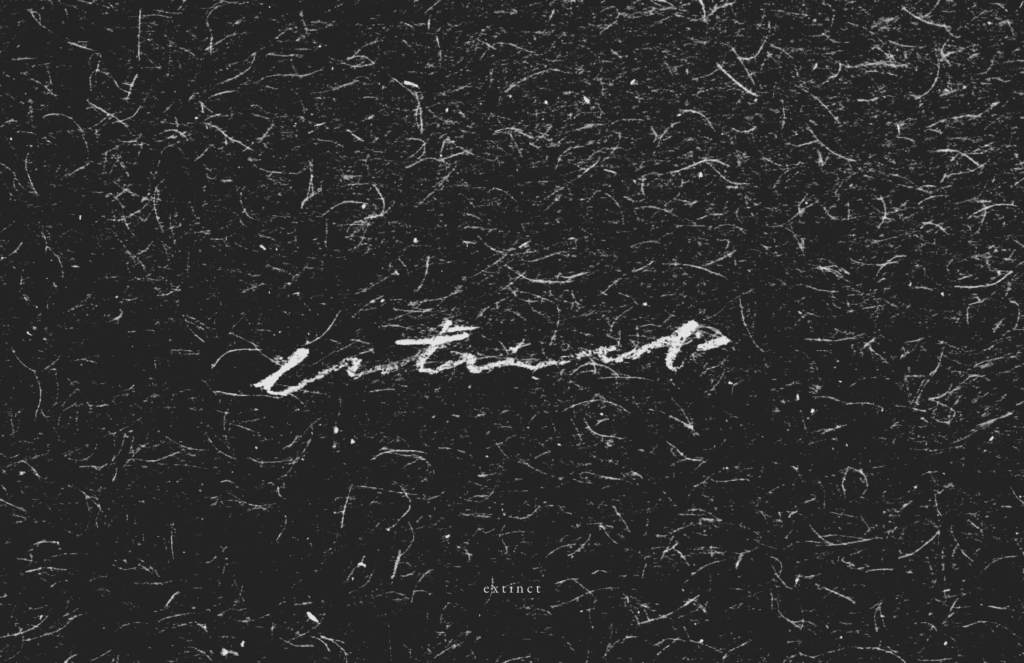
Approximately 42 million trees are cut down each year which amounts to a staggering 15 billion trees each year.

…
“How can a species, that was once so hard to unsee, become but a distant memory?
only to be read and seen in books, only to become a lesson to learn for mankind,
so that, this history, does not, ever, repeat itself, and for good reason.”
…
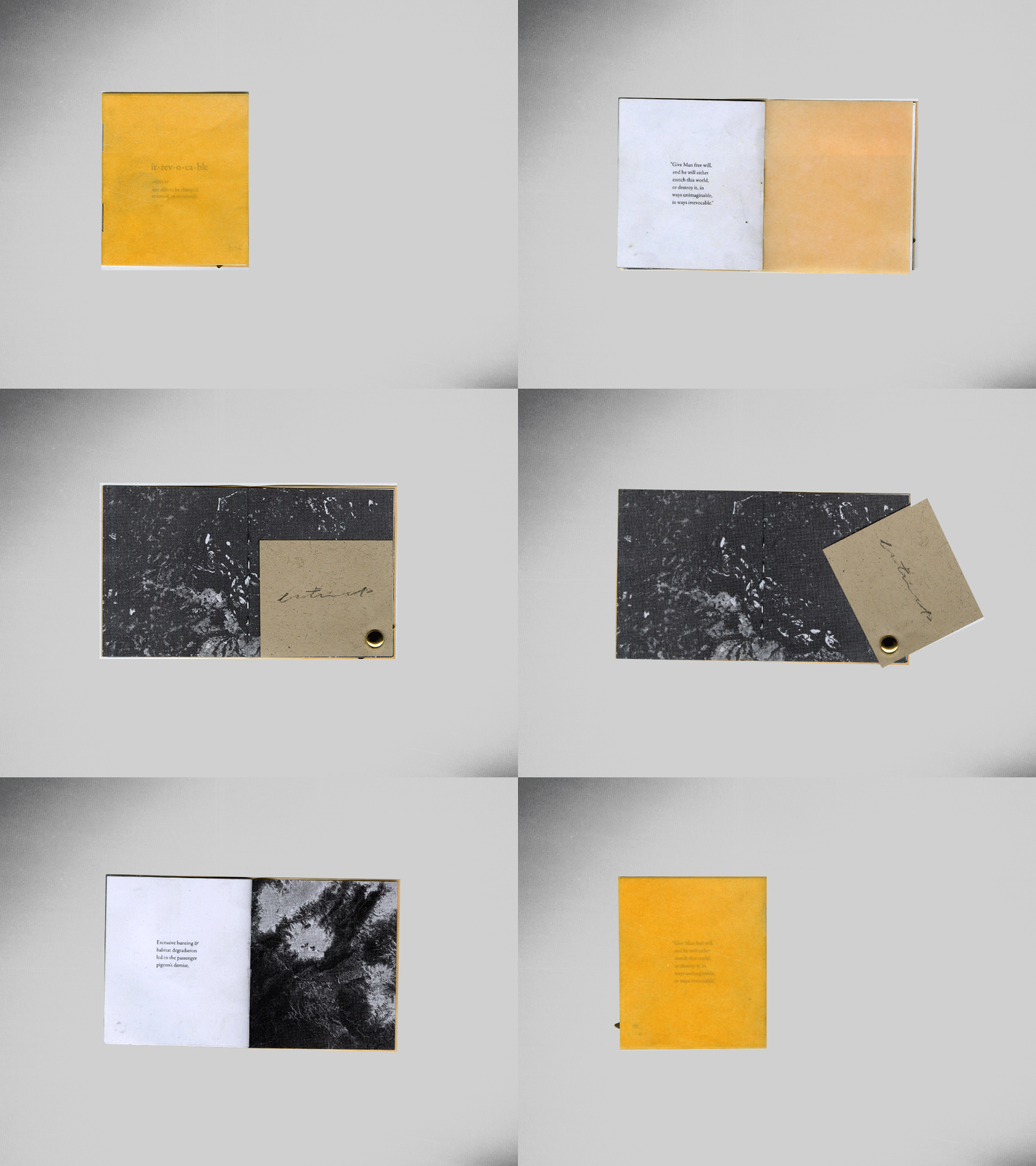
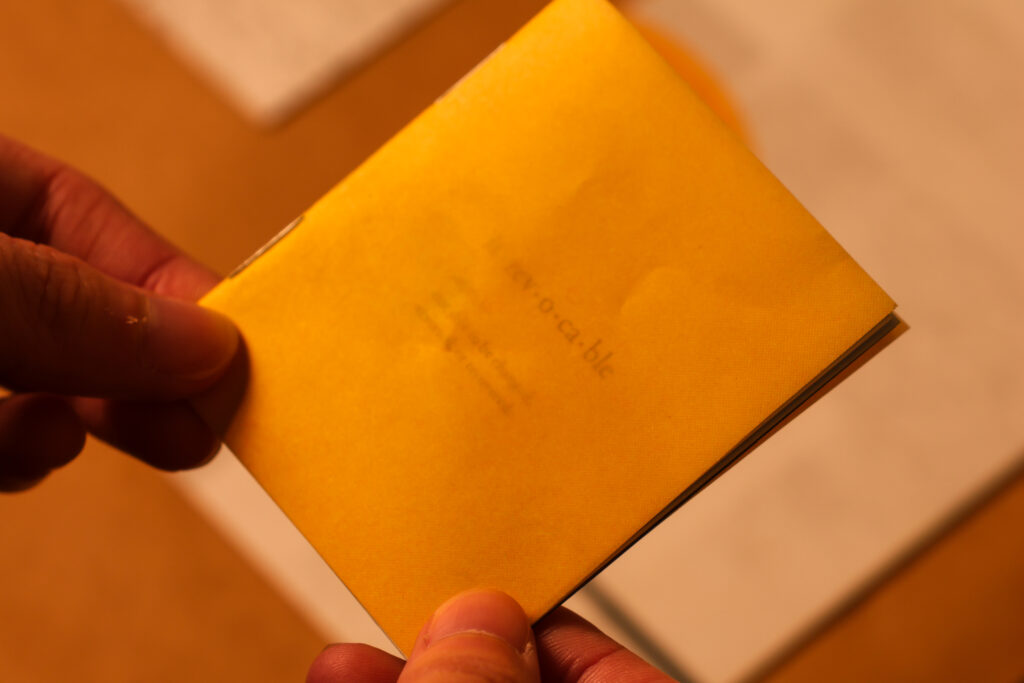
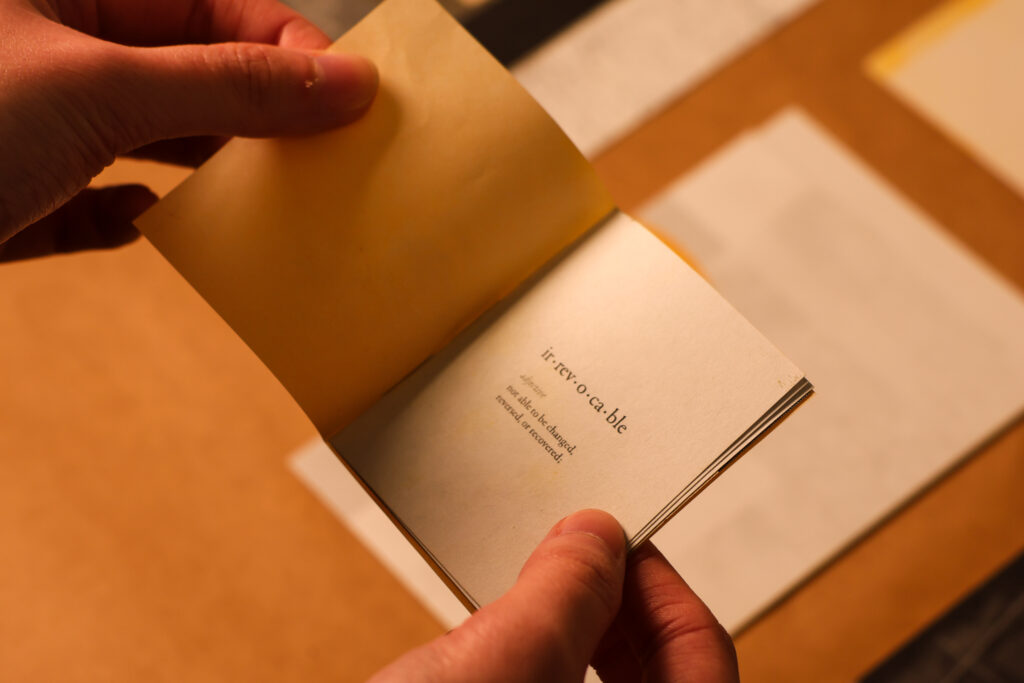
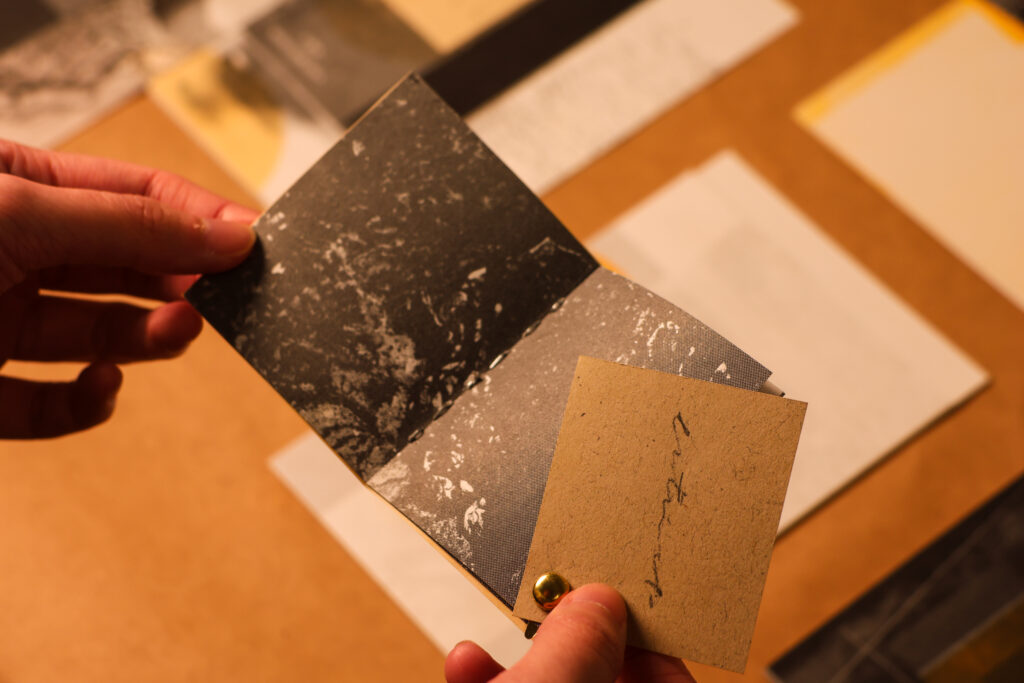
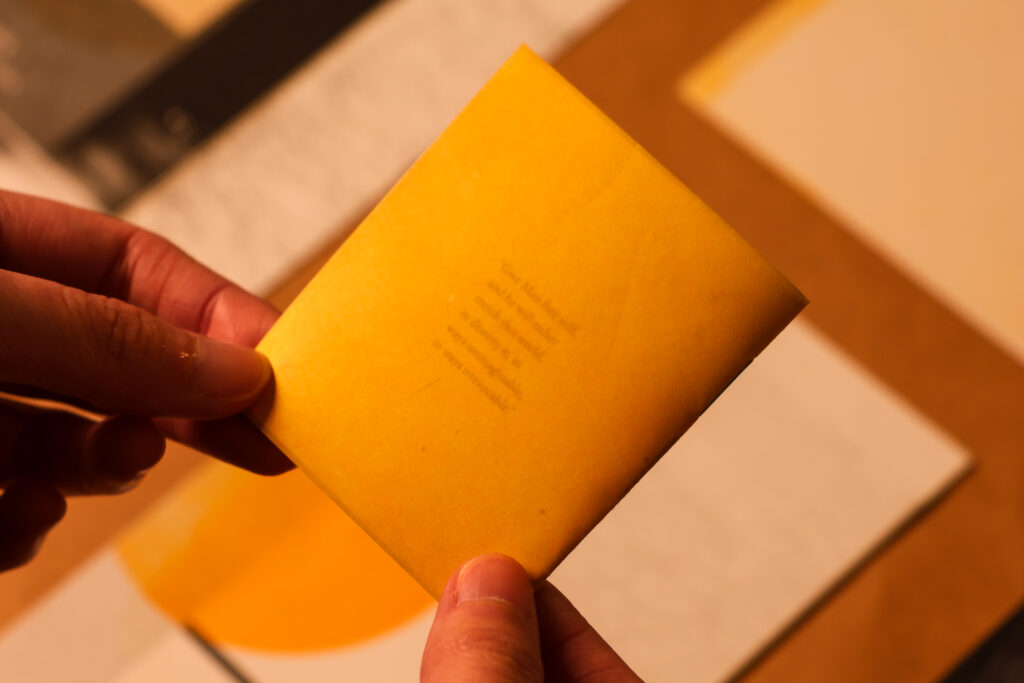
Irrevocable: The Story of the Passenger Pigeon is a mini book that accompanies the field guide and was made in remembrance of ectopistes migratorias – the Passenger Pigeon. This pocket-sized zine dives into the story of the passenger pigeon and its tragic extermination. I took reference and inspiration from the book “A Feathered River Across the Sky” by Joel Greenberg. A little snippet from the book goes like this,
“How prophetic, for although a billion pigeons likely crossed the skies of Toronto in May of 1960, little more than fifty years later passenger pigeons were extinct. The last of the species, Martha, died in captivity at the Cincinatti Zoo on September 1, 1914.”
…
…
Excessive hunting and habitat degradation led to the passenger pigeon’s demise.
What if, in the next fifty years, due to habitat loss and climate change, the birds in this field guide suffer the same fate? What if they cease to exist?
Well, that really depends on us, and our actions.
…
…
…