Serene
Luisa Raigoza
See it On Campus: Level 2
Inside Rennie Hall
Visitor Info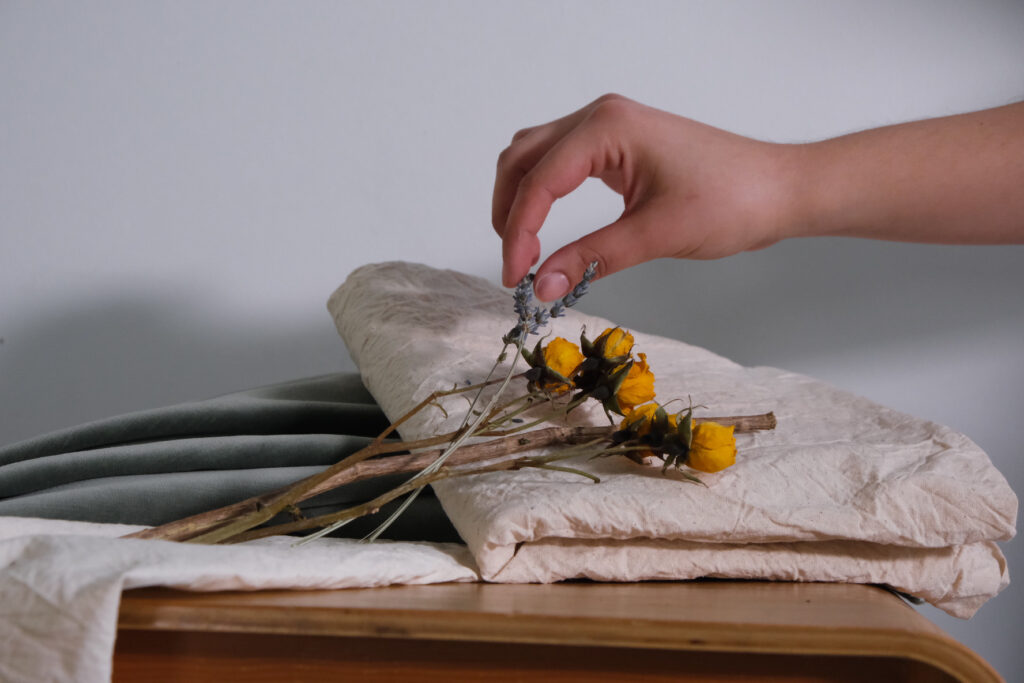
Where skin & nature meet
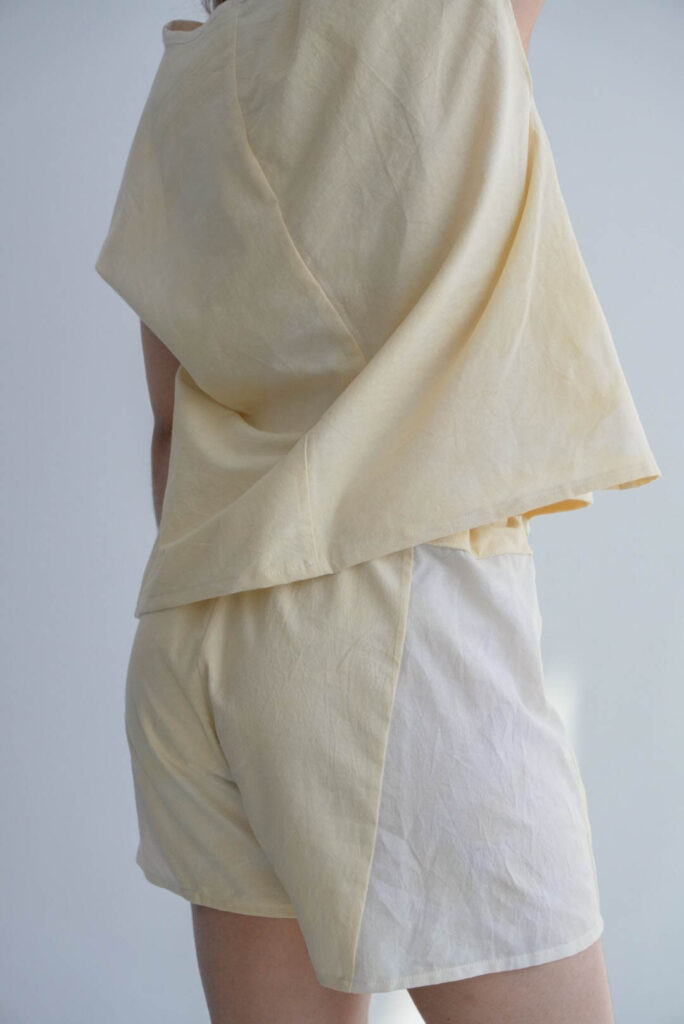
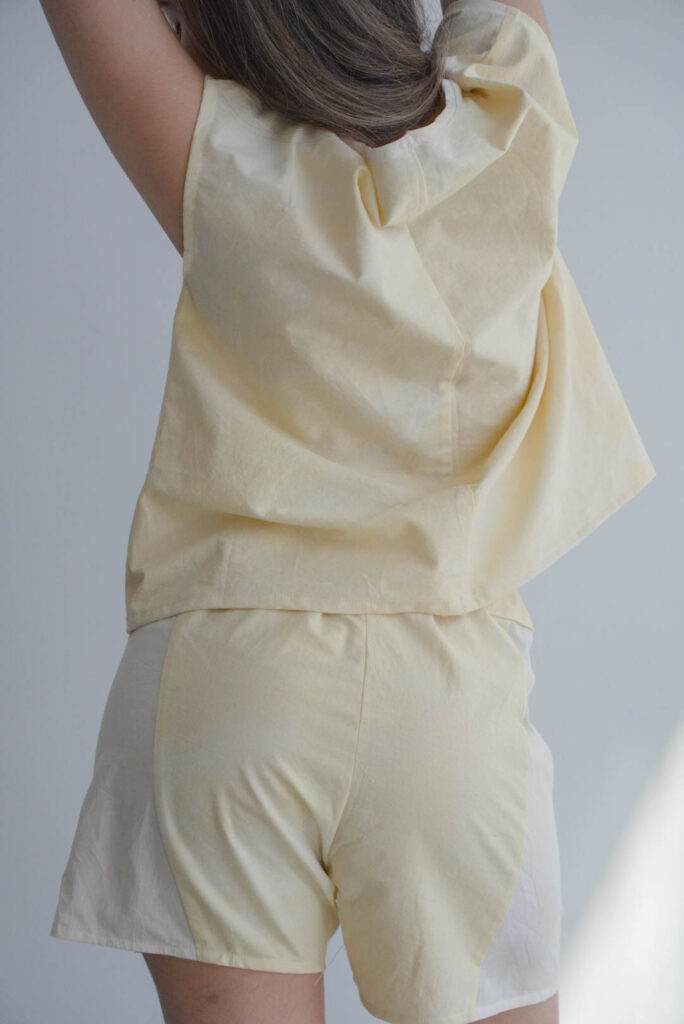
Serene is sleepwear designed for individuals with atopic dermatitis, prioritizing comfort and breathability using natural dyes and 100% cotton fabrics, free from the harsh chemicals and synthetic fibers commonly found in everyday clothing.
Personal Connection
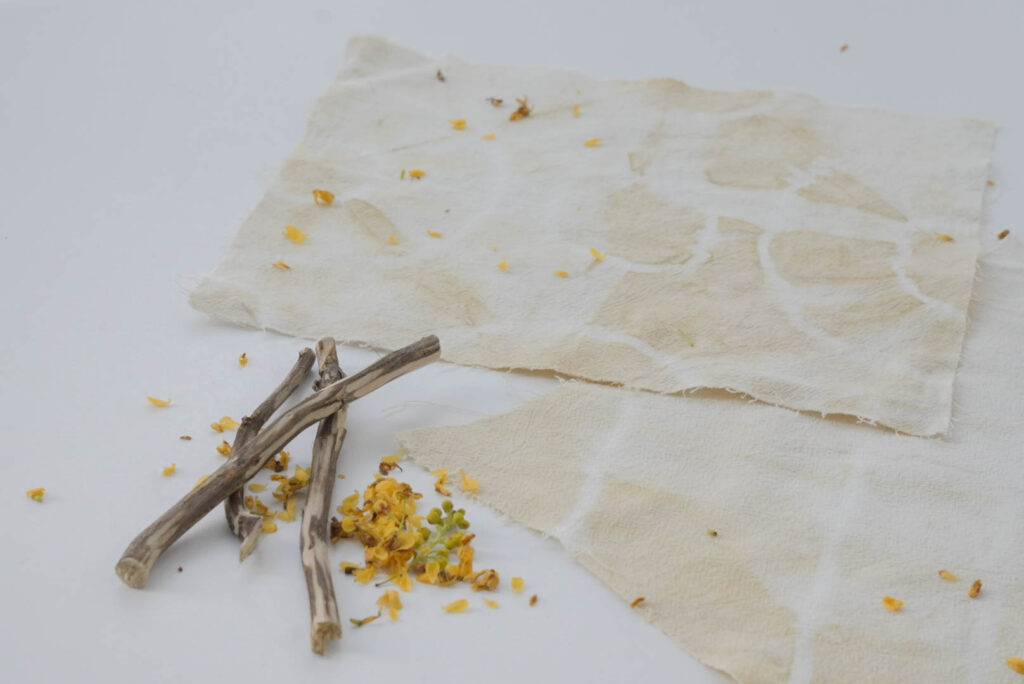
Three years ago, I was diagnosed with atopic dermatitis, more commonly known as eczema — a long-term skin condition that causes inflammation and irritation.
At night, when our skin loses moisture and becomes most sensitive, sleeping became one of the most difficult parts of living with atopic dermatitis. My clothes and their seams would rub against my skin, triggering an uncontrollable itch — and the desperate need to scratch, even though I knew the relief would be temporary and quickly followed by pain and regret.
I found myself longing for peace.
After being advised to wear only 100% cotton garments, I wondered why and what else in my clothing might be affecting my skin.
That’s how this project was born.
How are our clothes made, and how do they impact our health?
Through my initial research, I found that two main components in our clothes affect our skin and pose a threat to our health.
Synthetic Fibers
Chemical Dyes
- Polyester:
- The most used man-made fiber
- A bad conductor of heat and sweat
- Can cause skin rashes, redness, and itching
- Spandex:
- A lot of strong chemicals are used in its manufacturing
- Can cause skin allergies
- Doesn’t absorb sweat
- Nylon:
- A bad heat conductor
- Azo dyes are some of the most common toxic chemicals in clothing
- These colourful dyes are carcinogenic
- It affects consumers and garment workers
- If they are water-soluble, they can be absorbed through the skin
- Can cause allergic reactions, endocrine disruptions, and tumour formation.
Cotton as Care
Why is cotton good for Atopic Dermatitis/Eczema?
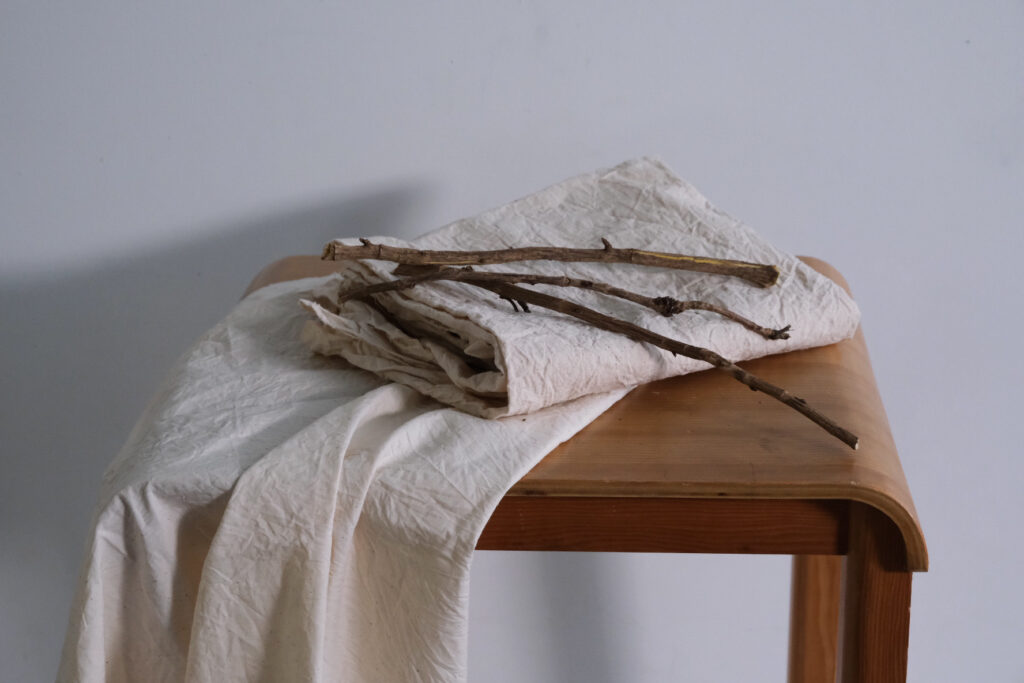
Cotton is often recommended for those with eczema due to its gentle, natural fibres that soothe rather than irritate. For this reason, Serene is crafted from 100% organic cotton — both mid-weight and lightweight fabrics — and sewn entirely with cotton thread, ensuring softness and comfort throughout.
Benefits of cotton
- Natural – Since it’s plant-based and doesn’t include synthetic fibers, cotton itself is organic.
- Durable – Cotton doesn’t stretch much, and extra-long cotton in particular is built to last.
- Skin-sensitive – Fabrics containing at least 60% cotton are less likely to be itchy, irritating, stiff or clingy
- Breathable – Lighter cotton-based fabrics (like jersey and muslin) are designed to breathe and absorb sweat while repelling odor.
Dyeing with Care
Wanting a more thoughtful, safe, and meaningful alternative to chemical dyes, I was drawn to the gentle practice of natural dyeing.
Natural Dyes
Natural dyeing is an ancient craft that uses pigments drawn from nature to colour cloth. For over 6,000 years, it has left its mark in vibrant textiles that continue to endure. However, with the rise of industrialization, synthetic dyes quickly replaced natural dyeing, as they were cheaper to develop and far less labour-intensive to produce.
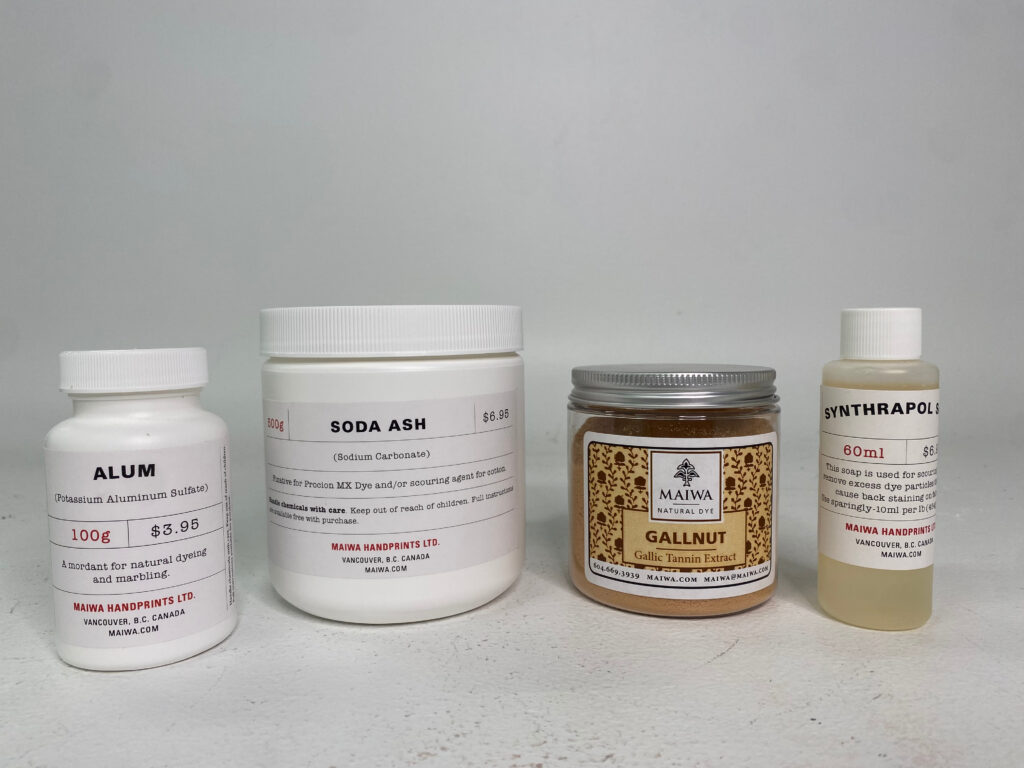
Each step in natural dyeing requires time, precision, and, in its way, care and intention to properly prepare the fabric for a successful result.
The preparation of the fabric begins with scouring — cleaning the material using Synthrapol and soda ash. Next, a tannin (Gallnut Tannin Extract) is applied to help the dye bond to the fibres, followed by a mordant (Alum and soda ash) to further fix the dye to the fabric. The mordant process is essential when working with cotton fabrics.
It was important to me that the materials I used for dyeing aligned with the context and values of my project.
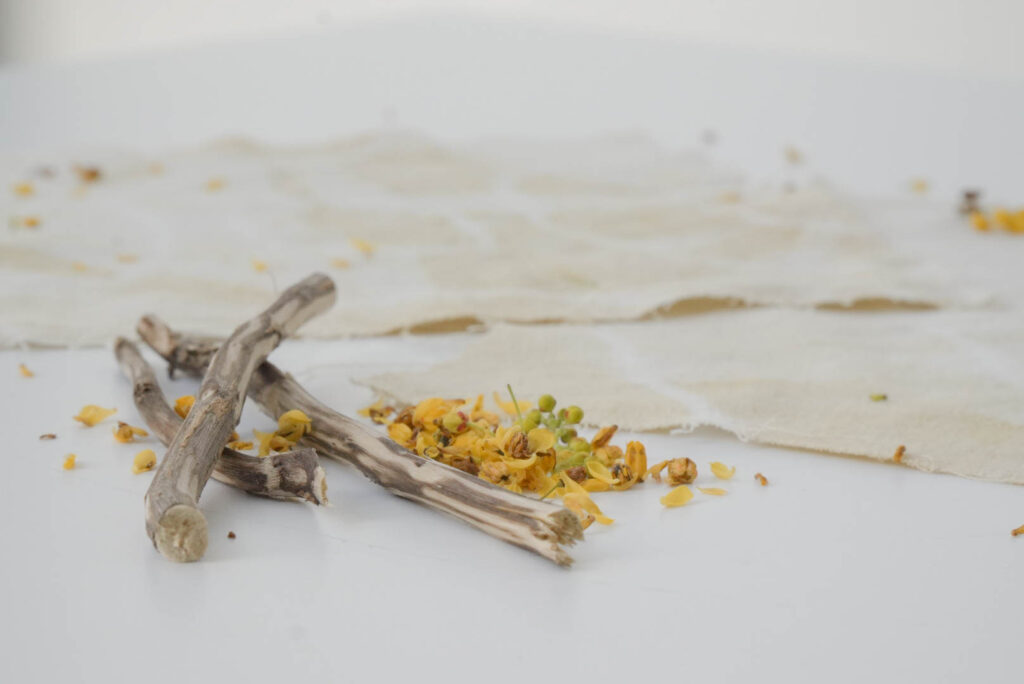
Chamomile
Anthemis tinctoria
- It grows throughout North America, Europe, and the Himalaya region
- May provide benefits for wound healing, inflammation, hyperpigmentation, eczema, and acne
- Known for its antibacterial and skin-soothing properties
Studies on Chamomile are limited, and many are conducted on animals
Oregon Grape
Berberis Nervosa
- A plant native to the western coast of North America
- History of use in American Folk medicine
- Contains chemicals that might help fight bacterial and fungal infections
- Might also reduce inflammation from skin conditions such as Psoriasis
- Used for scaly and itchy skin, eczema, and indigestion
There is no scientific evidence to back up Oregon’s grape use on the skin
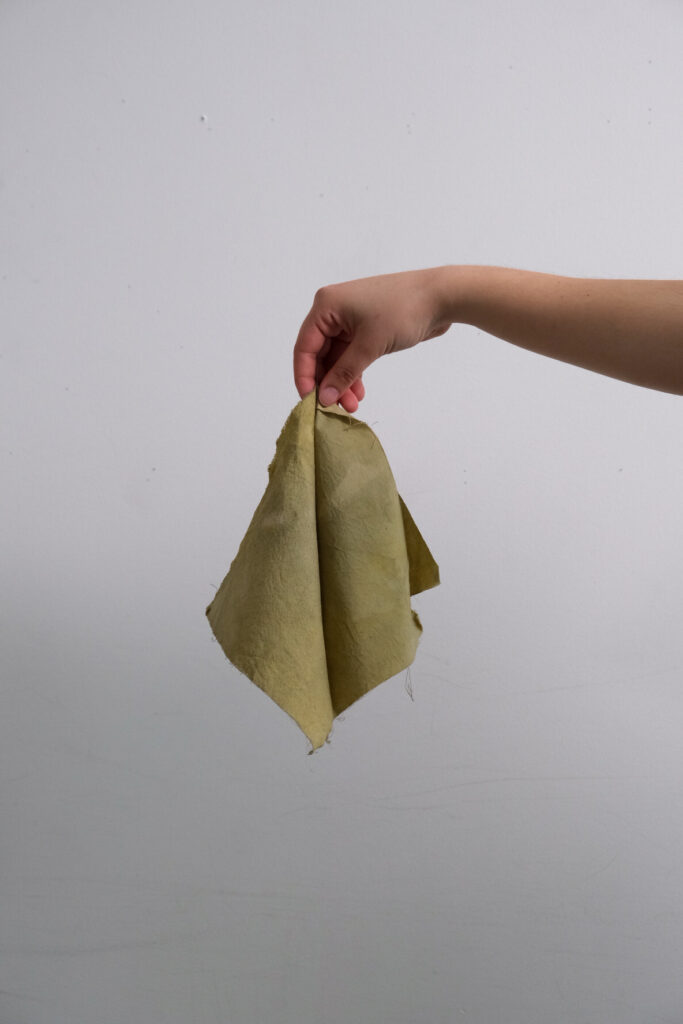
Dye samples
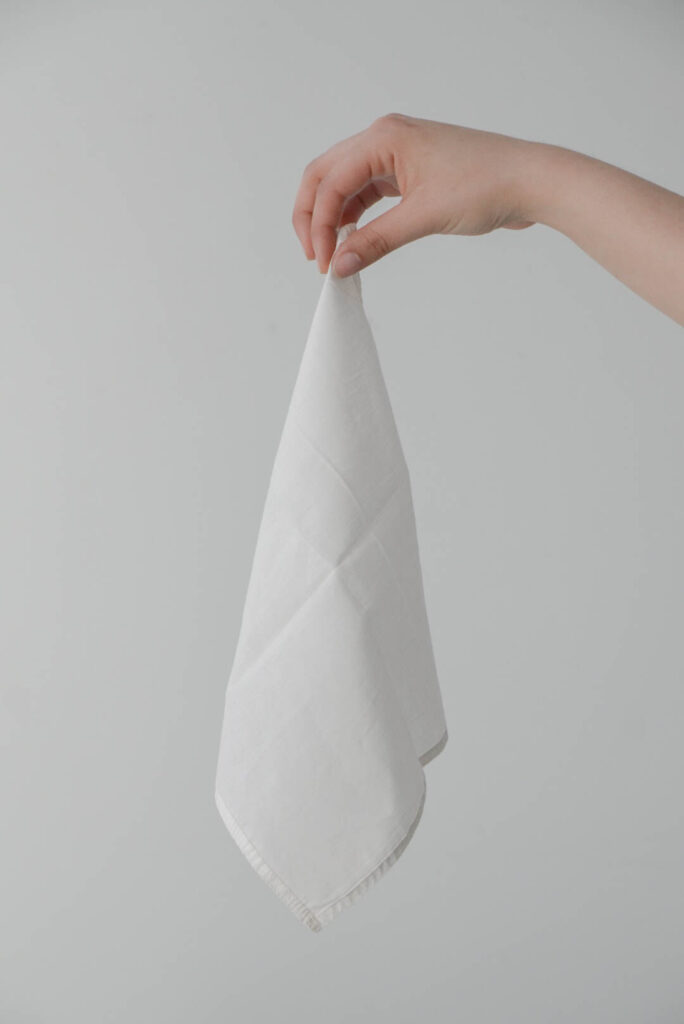
Undyed
Oregon Grape
15% Tannin
Tea bag as Tannin
7% Tannin
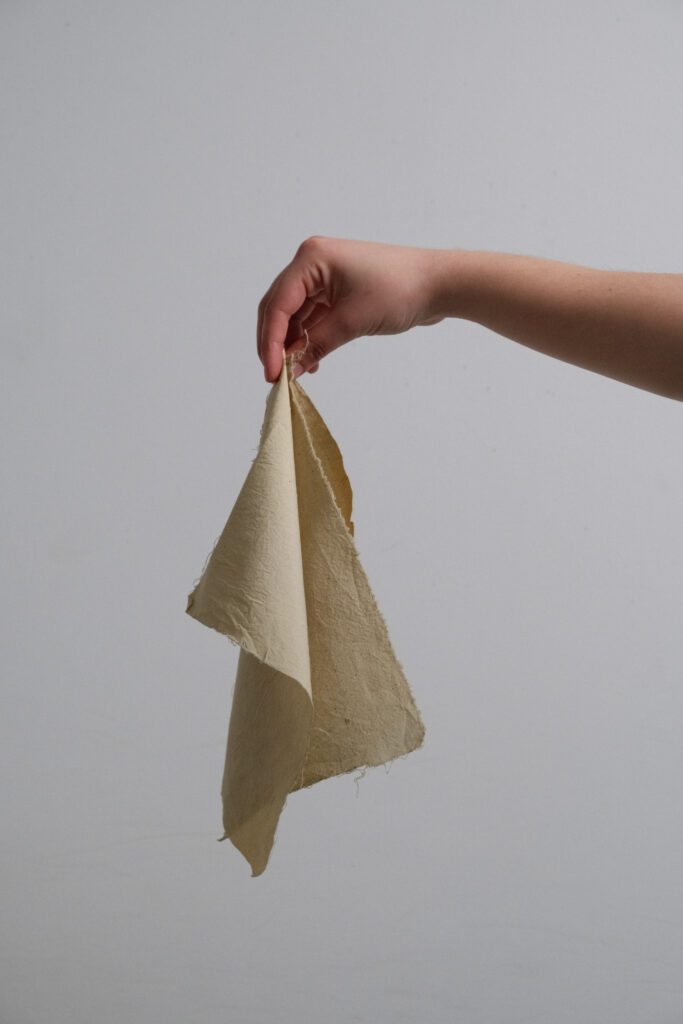
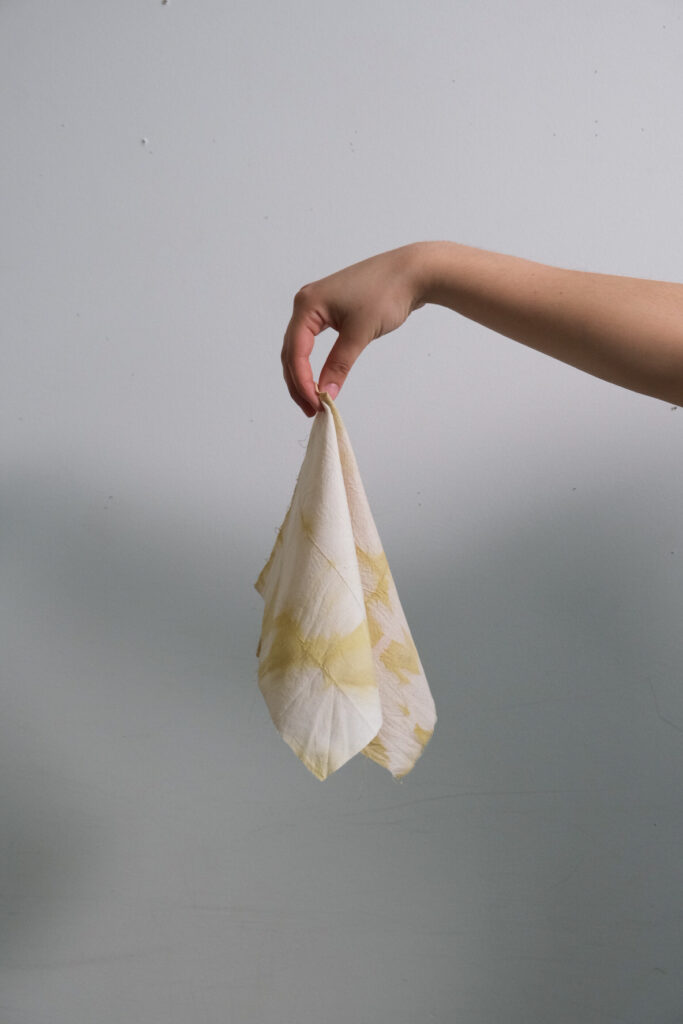
Chamomile
8% Tannin
10% Tannin
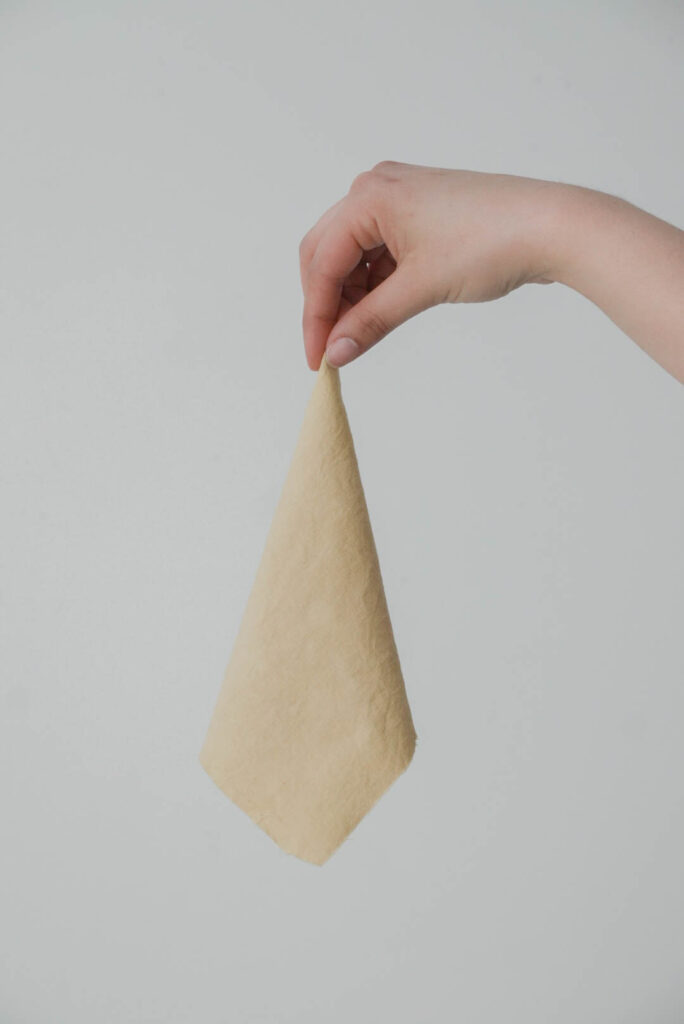
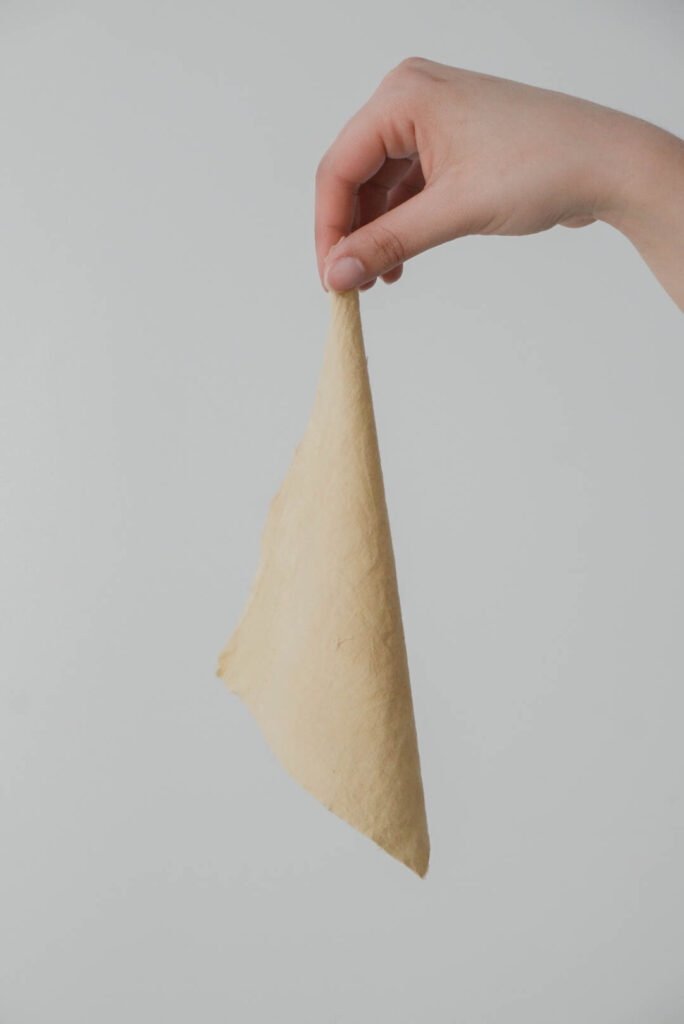
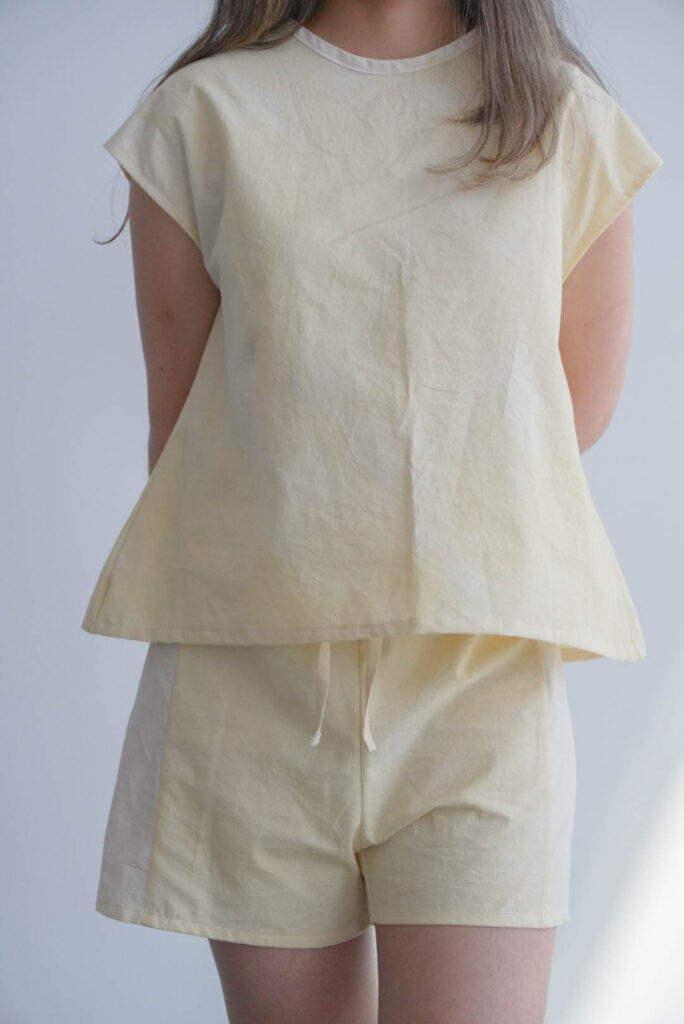
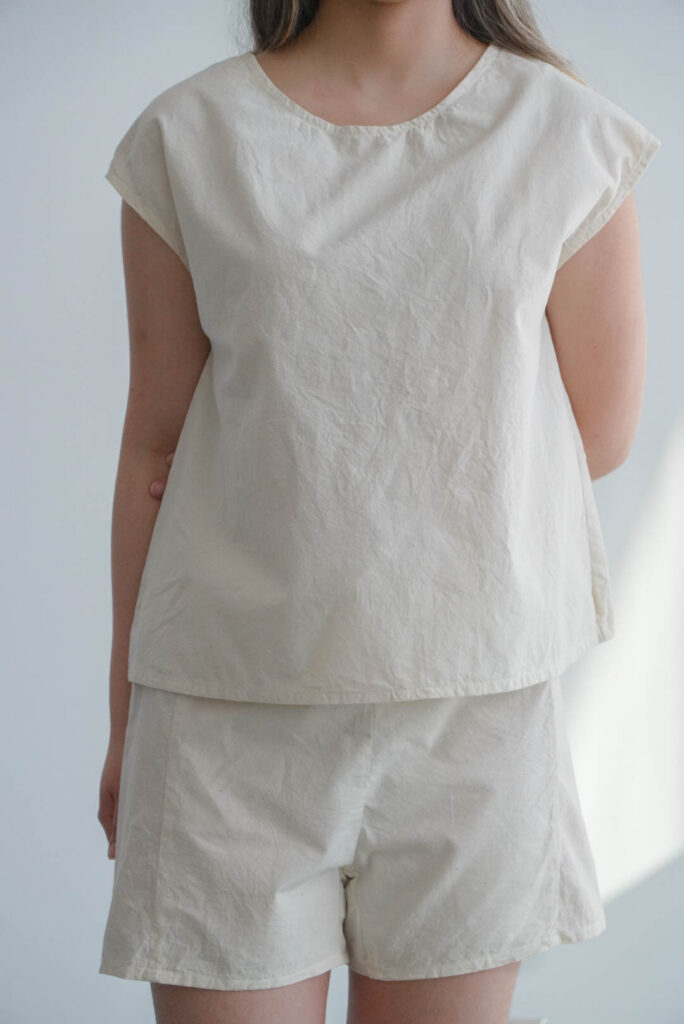
Using a consistent design, I created two outfits dyed separately with Oregon Grape and Chamomile.
Garment Construction as a Practice of Care
It was important to me that care be present in the design, materials, and construction of my sleepwear.
Serene’s design is based on my personal sleepwear preferences, with careful consideration of the areas where atopic dermatitis commonly appears and where I experience flare-ups.
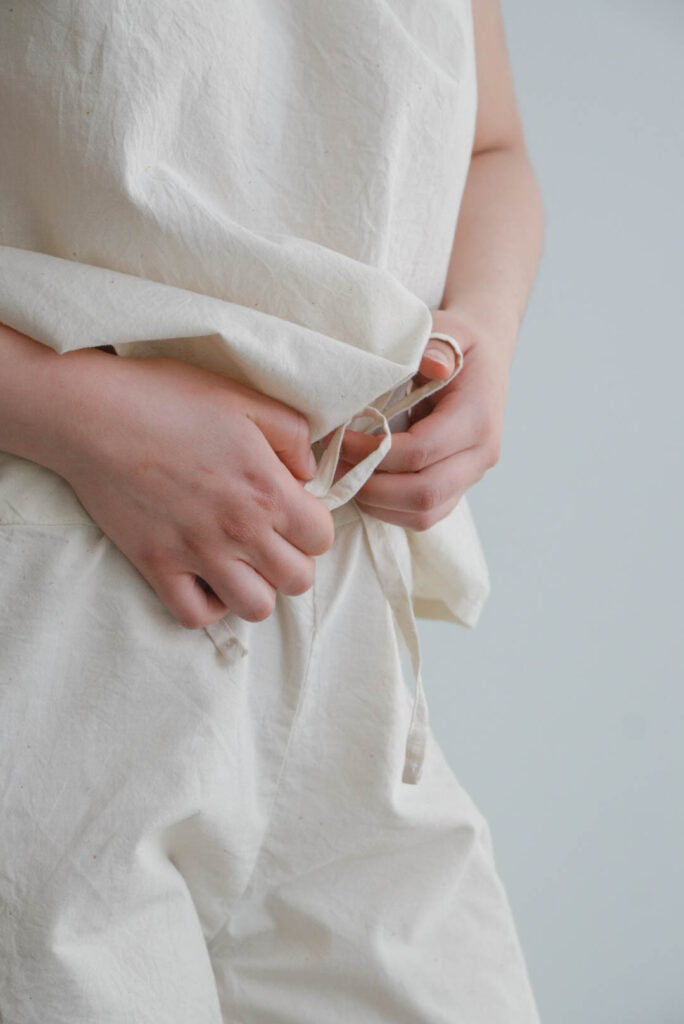
Serene features a drop shoulder and a flowy fit for ease of movement, with exposed armholes to let the skin breathe in those areas. The shorts are finished with a drawstring for adjustable comfort, avoiding the irritation and marks often caused by elastic waistbands.
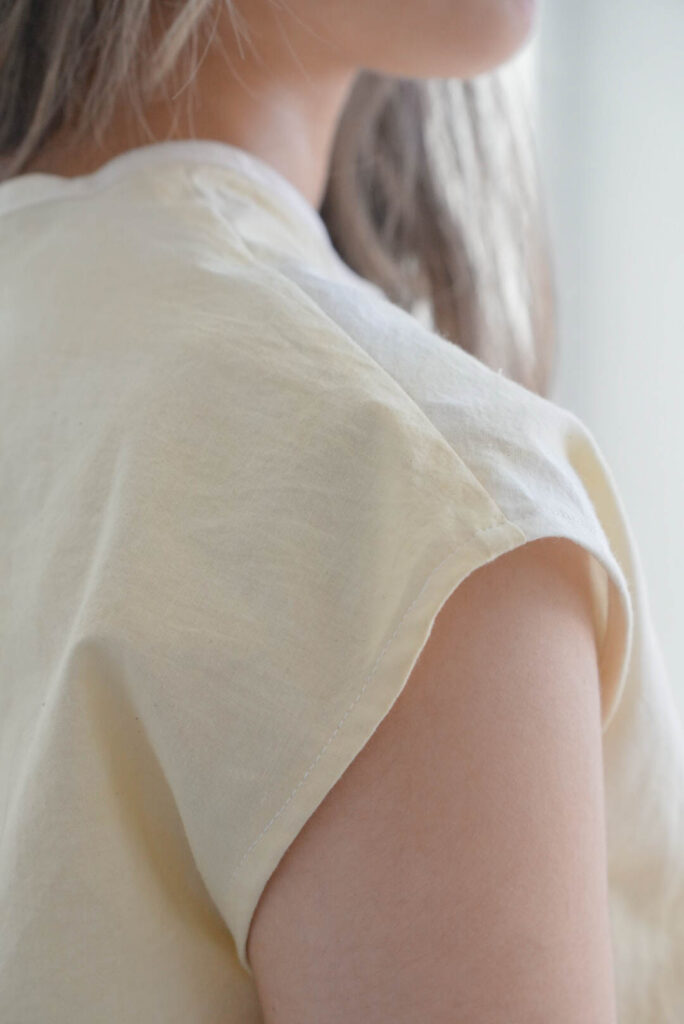
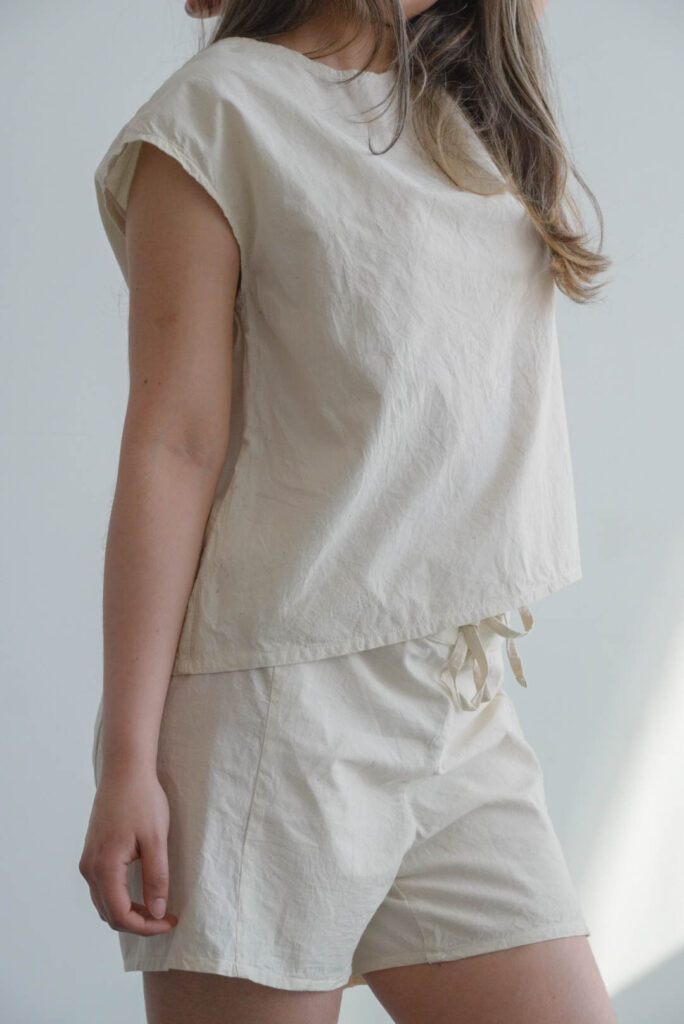
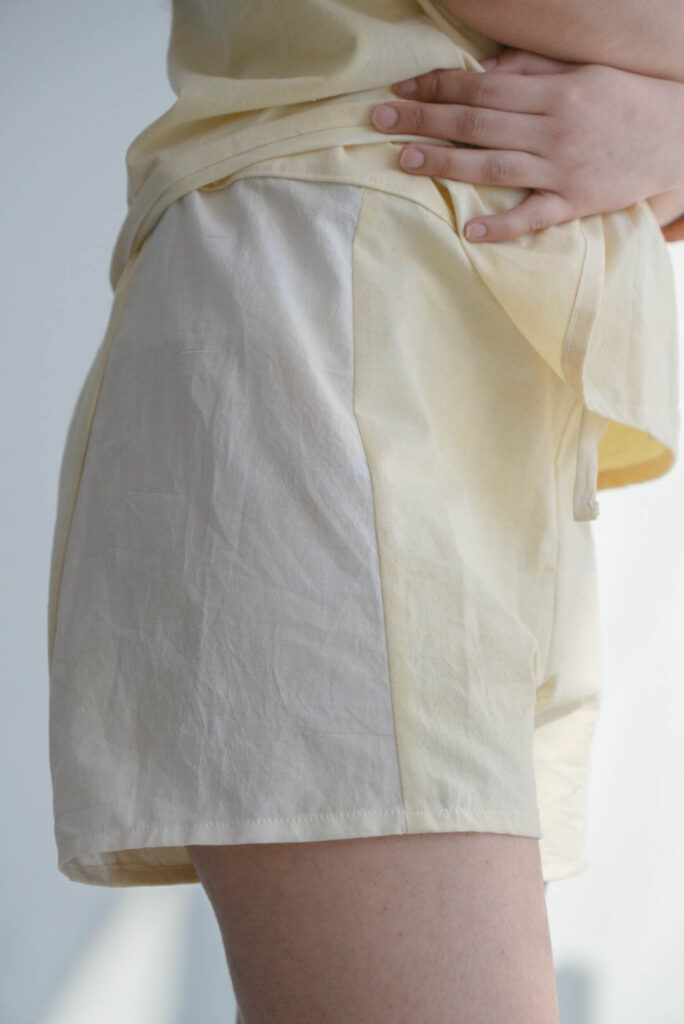
Our clothes are typically finished with serged seams, which are quick to produce on an industrial scale. In contrast, Serene uses French seams — a slower, more time-consuming technique often found in baby clothing for its gentle, enclosed finish. By eliminating exposed threads and reducing the possibility of friction against the skin, French seams offer greater comfort and reflect an intentional act of care for sensitive skin.
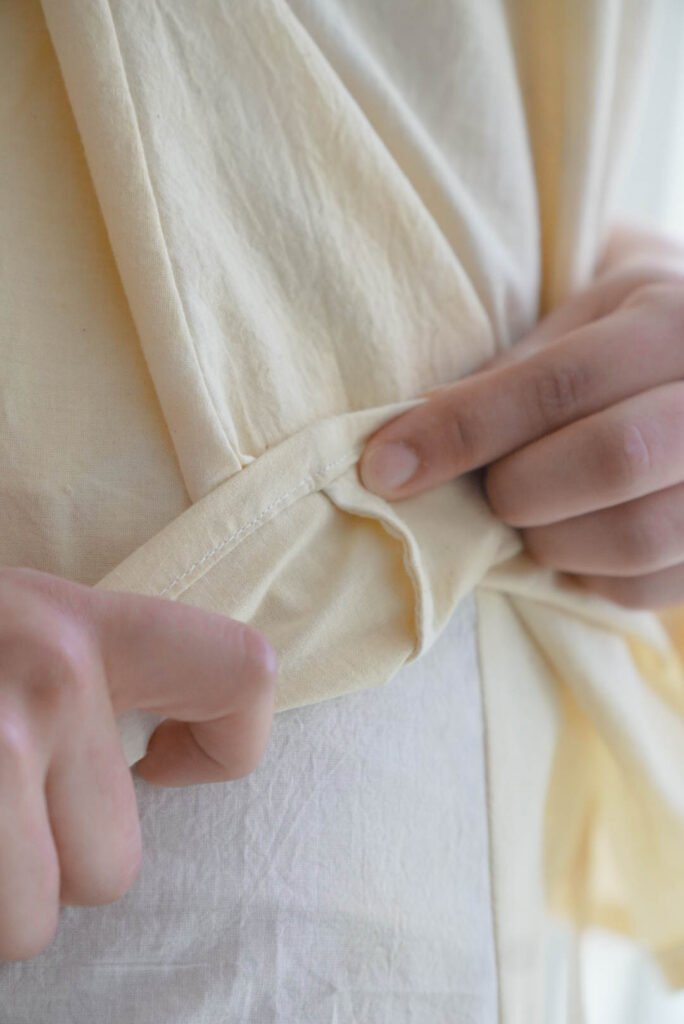
For the shorts, the side seam was divided into two French seams to create a looser fit and allow the skin to breathe, while also positioning the seams in areas of the leg where the skin is less sensitive. This decision helps prevent irritation in typically sensitive areas, offering greater comfort and care for the skin.
Serene is more than just a sleepwear project — it’s a personal journey of learning, care, and connecting with nature through design. It’s my way of bringing peace to my skin, while also questioning the materials and systems that surround us every day.