Have a Seat at My Table
Nadia Jones
See it On Campus: Level 1
Located in room D1362
Visitor InfoBFA Visual Arts 2025
Ceramic, manipulated found materials
5 feet x 3 feet
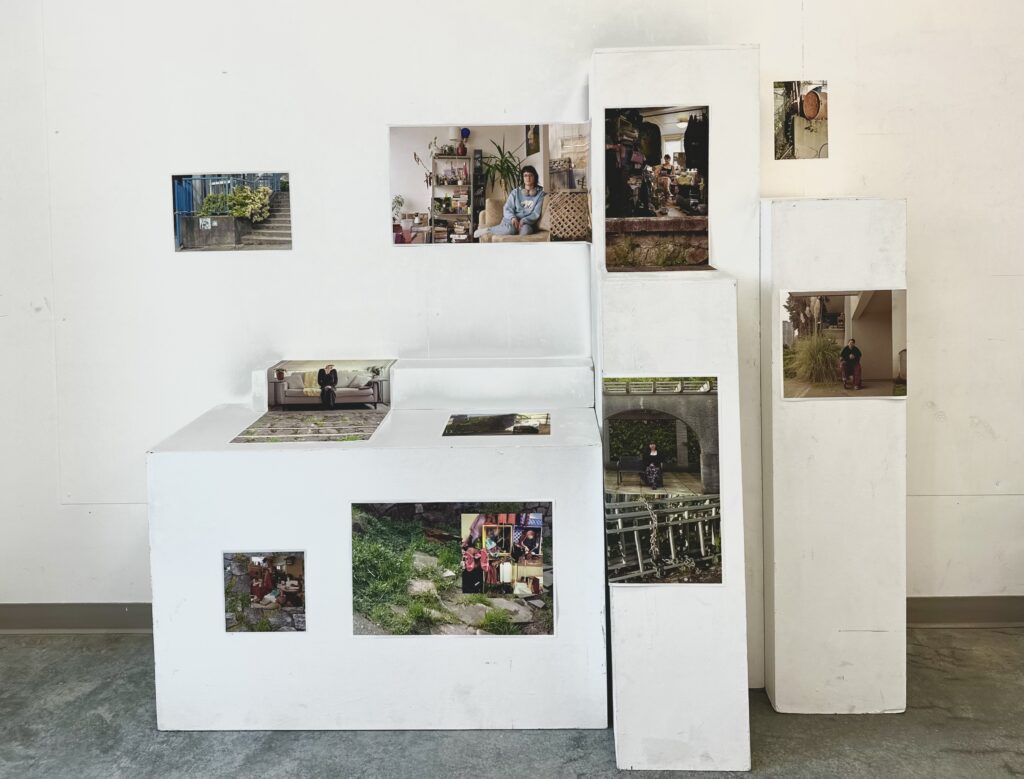
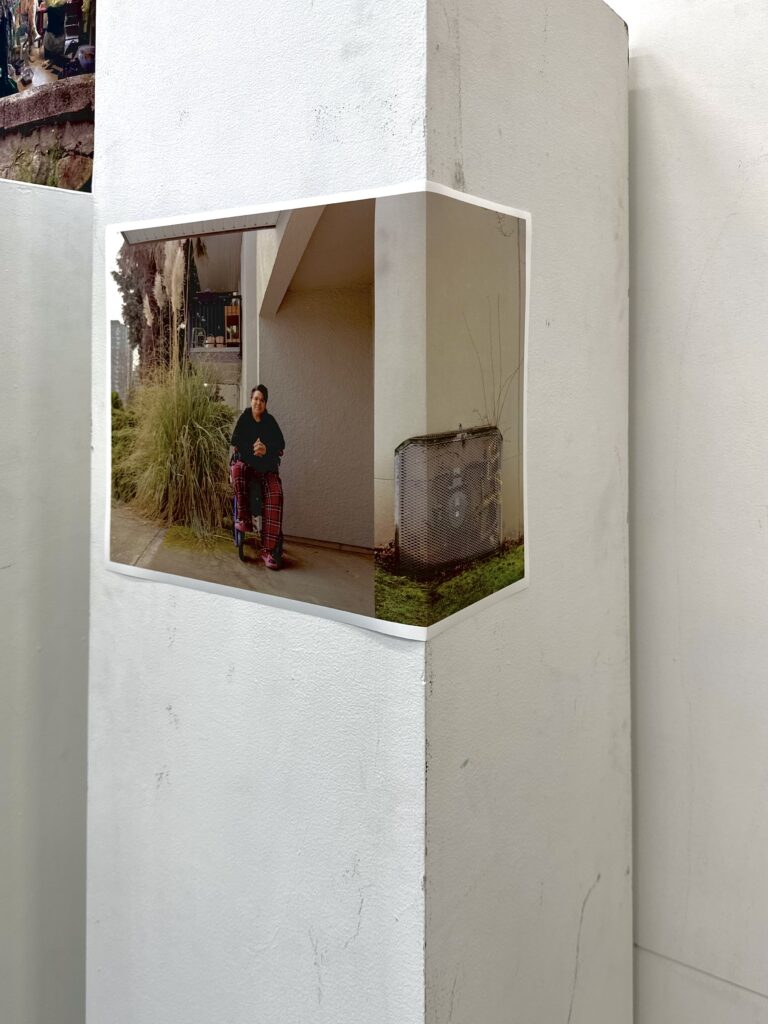
The concept of this project stemmed from my research surrounding disability and the idea of feeling oriented in physical space. Thinking about Sara Ahmed’s writing on Queer Phenomenology and orientation, as well as crip theory and late onset disability theory my hope was to create a piece that disrupted typical ideas of accessibility. To feel oriented is to feel safe and comfortable in your surrounding, this might mean physical environment or social environment. Because of the ableist structure we live under finding this orientation can be challenging for disabled individuals. To be disabled is to live in a constant state of adaption. This adaptation looks different for everyone and is often more associated with the people you choose to surround yourself with rather than the place.
For me personally (besides having to deal with the obvious issues embedded within the healthcare system) I mostly experience inaccessibility in consequences to the public lack of knowledge on my disability. As someone who was diagnosed as a type 1 diabetic later in my life I’ll admit before my diagnosis I had little to no understanding of the condition. Now I have a fear of being alone without people I trust as I know if something were to happen most people wouldn’t know how to help me. For me accessibility is about understanding and trust, something that can be difficult to find and uncomfortable to build.
Accessibility is about more then physical access and functional design, accessibility is about being able to find comfort in a place that’s designed uncomfortably (for both disabled people and anyone that doesn’t fit into this patriarchal mold). Have a Seat at My Table confronts these assumptions that accessibility revolves solely around the physical world and asks viewers to embrace discomfort the way disabled people do everyday.
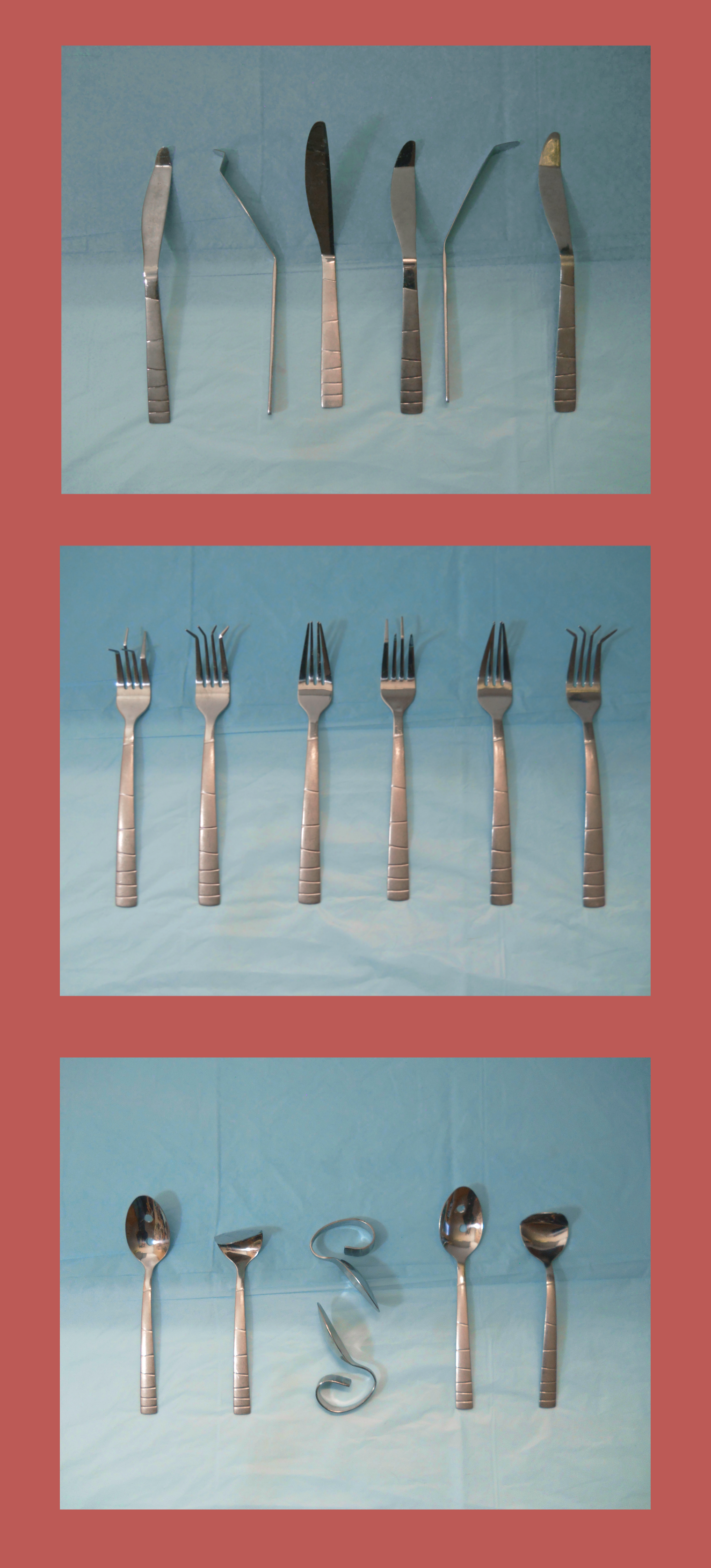
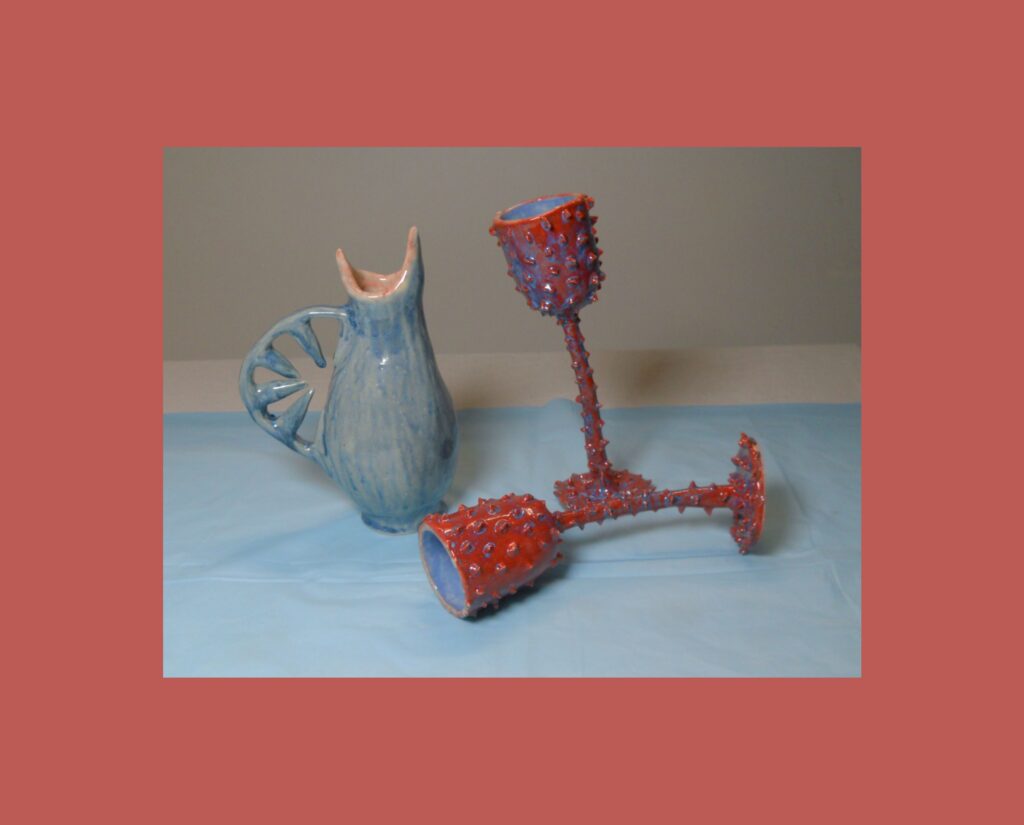
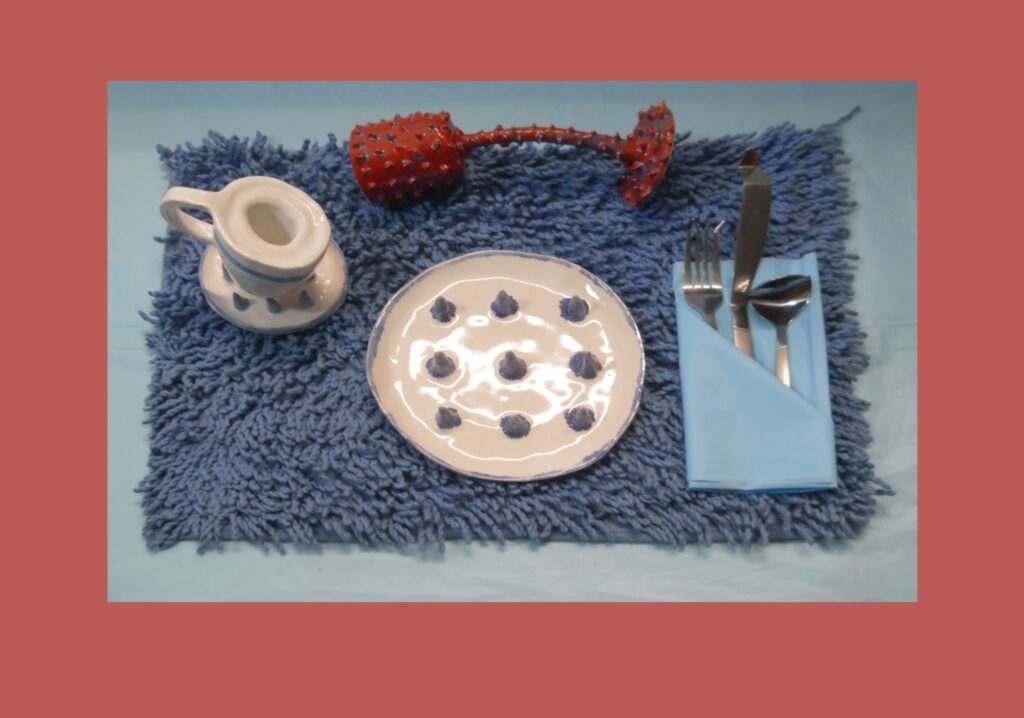
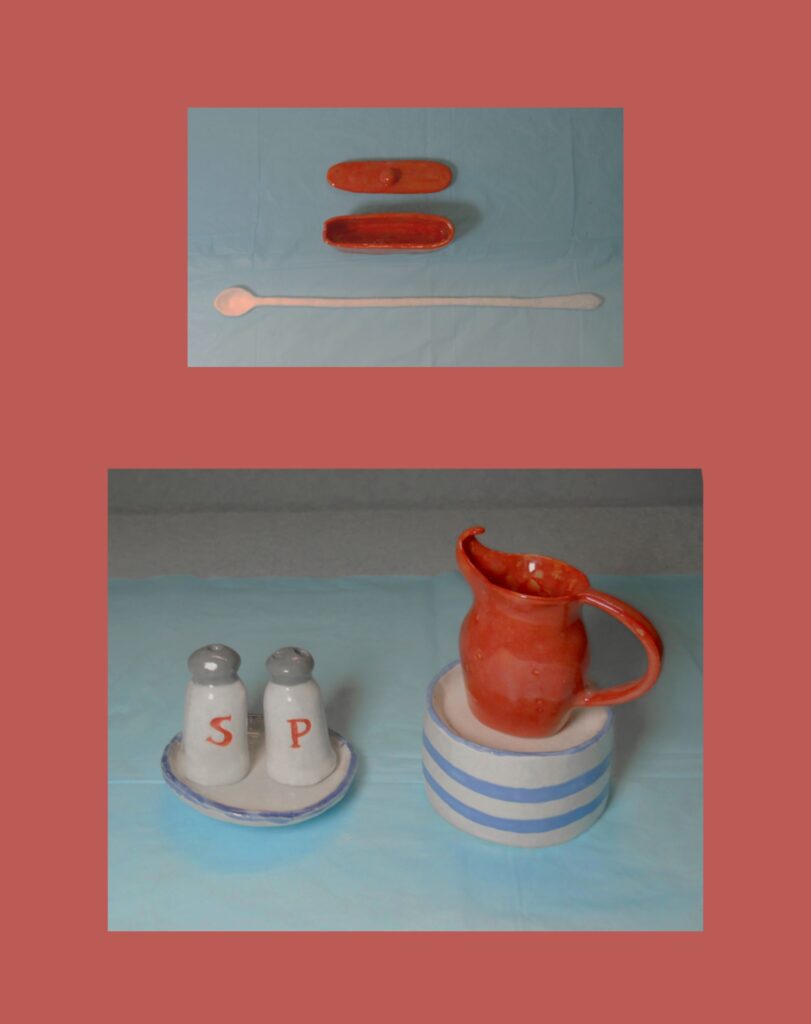
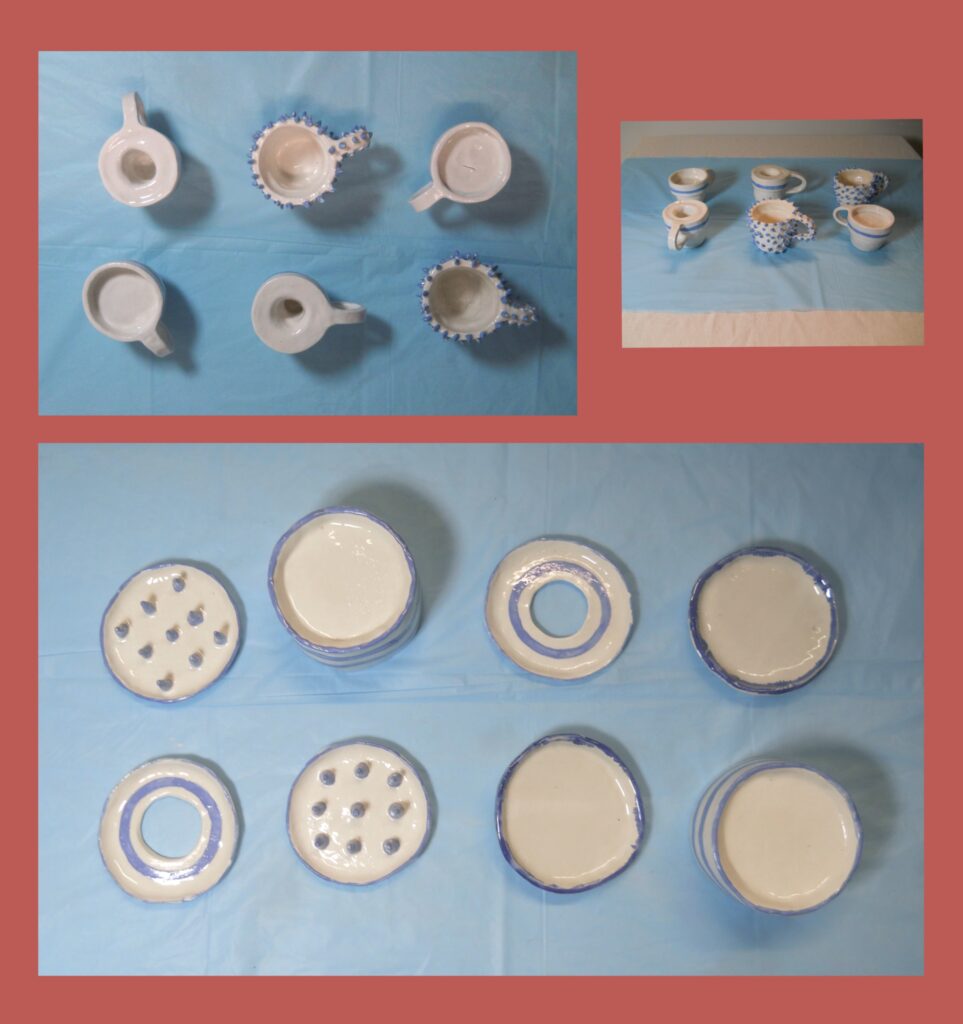
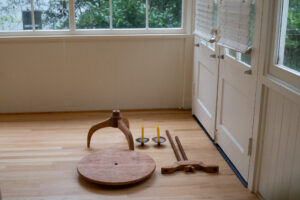
Stills of objects featured in Have a Seat at My Table (2025)
Growing in Sidewalk Cracks (2025)
Medium format and 35mm colour film iso 100-200
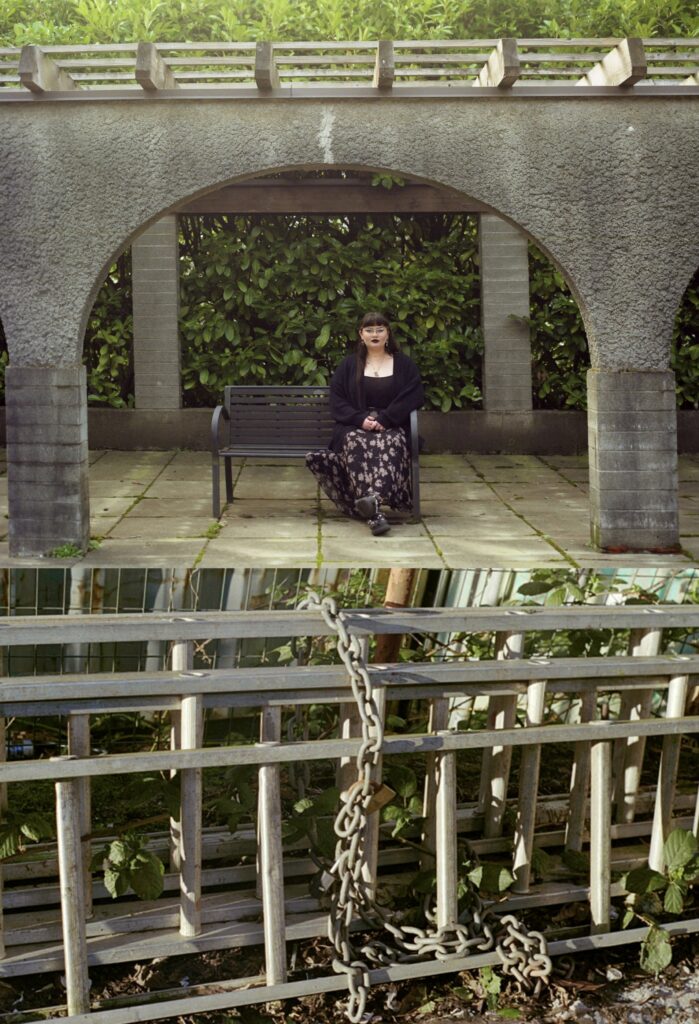
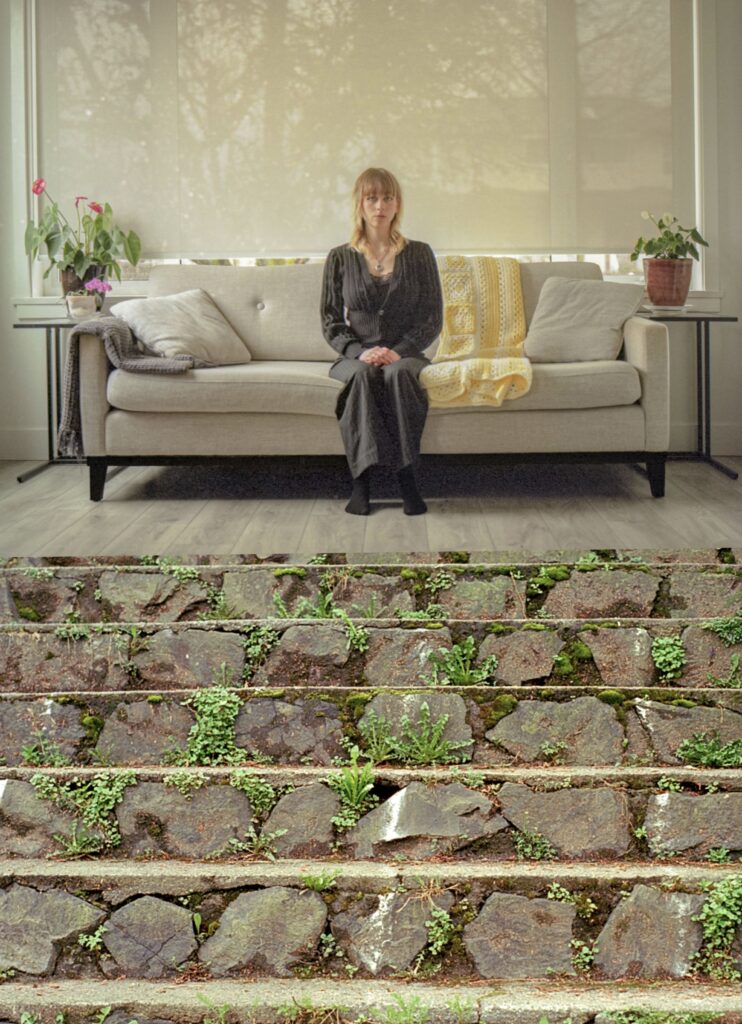
The development of this project started with a conversation I had with a few classmates surrounding disability. I had brought up the question of whether it was ok for me to use the label ‘disabled’ as a type 1 diabetic. I explained my hesitation and how since I generally can live “normally” with the right medication, I was concerned I would be taking up space that wasn’t meant for me. The immediate response was “well who’s space would you be taking up?” This took me off guard and I didn’t know how to answer, I guess I was thinking someone “more disabled” but I knew this was a damaging way of thinking and in the end not a valid answer. I answered with a simple “I don’t know yet” and waited to hear whether they had the answer for me. The rest of the conversation was an unraveling of all the ableist ways of thinking embedded within the systems we live under.
I am disabled and will always be disabled. My denial of the label ‘disabled’ stemmed from the ingrained idea of disability being an inherently “bad thing, a disadvantage”. This idea doesn’t make a lot of sense for multiple reasons, one of which being late-onset disability theory. This theory explores the ideas surrounding aging and disability. It is a known fact that as we age we will eventually become disabled in some way, this could mean anything from fading of vision and hearing to loss of mobility. Disability is a universal experience and yet this world isn’t built for it. When things are built we build stairs and then add ramps, even though ramps can be used by all stair users but not all ramp users can use stairs. To be disabled in this world means to be in a constant state of adapting in consequence to the many levels of inaccessibility that exist within these ableist systems. Like seeds fallen between sidewalk cracks and vines existing among rubble, we have to learn to grow within disabling environments and push against the systems constricting our success. As disabled people we must cater our personal spaces in ways that accommodate ourselves, as safe and comfortable spaces can be hard to find. We think about our space because no one else does. For me curating my space is filling it with people that bring me security, belonging and understanding. During the process of this project I got the opportunity to connect and interview many disabled individuals in my community, this is how I have and will continue to curate my space.
Photos of installation (5 x 5 feet)
Holding onto Grass (2024)
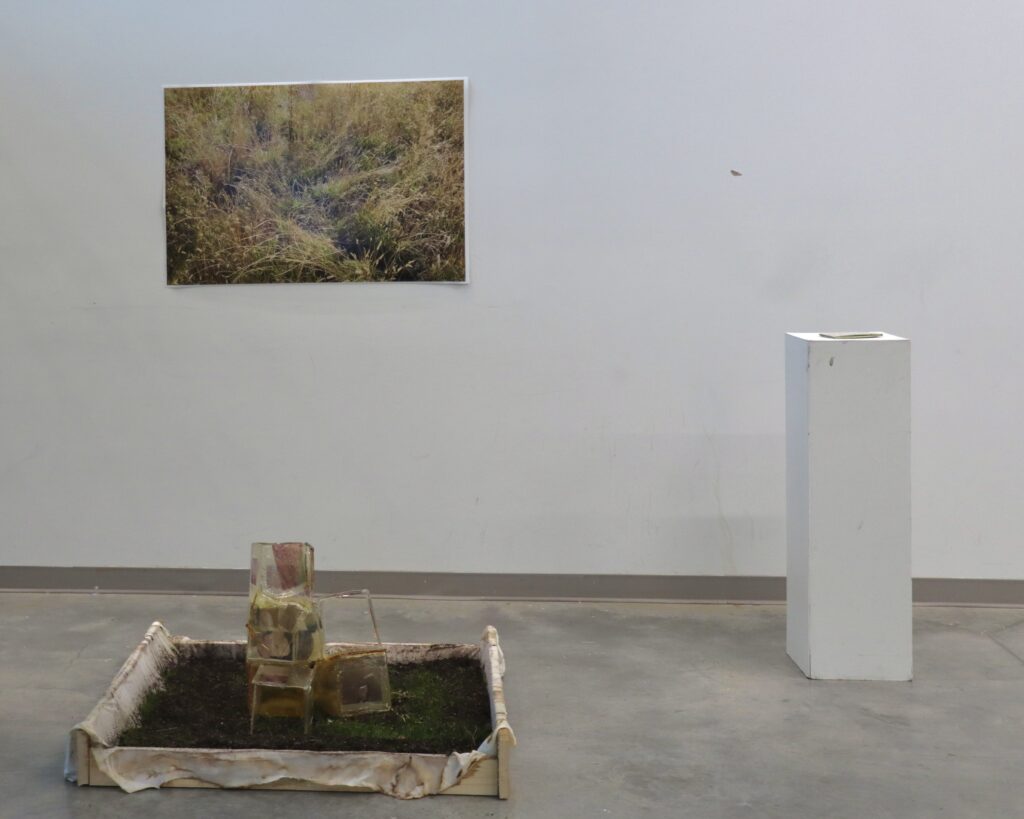
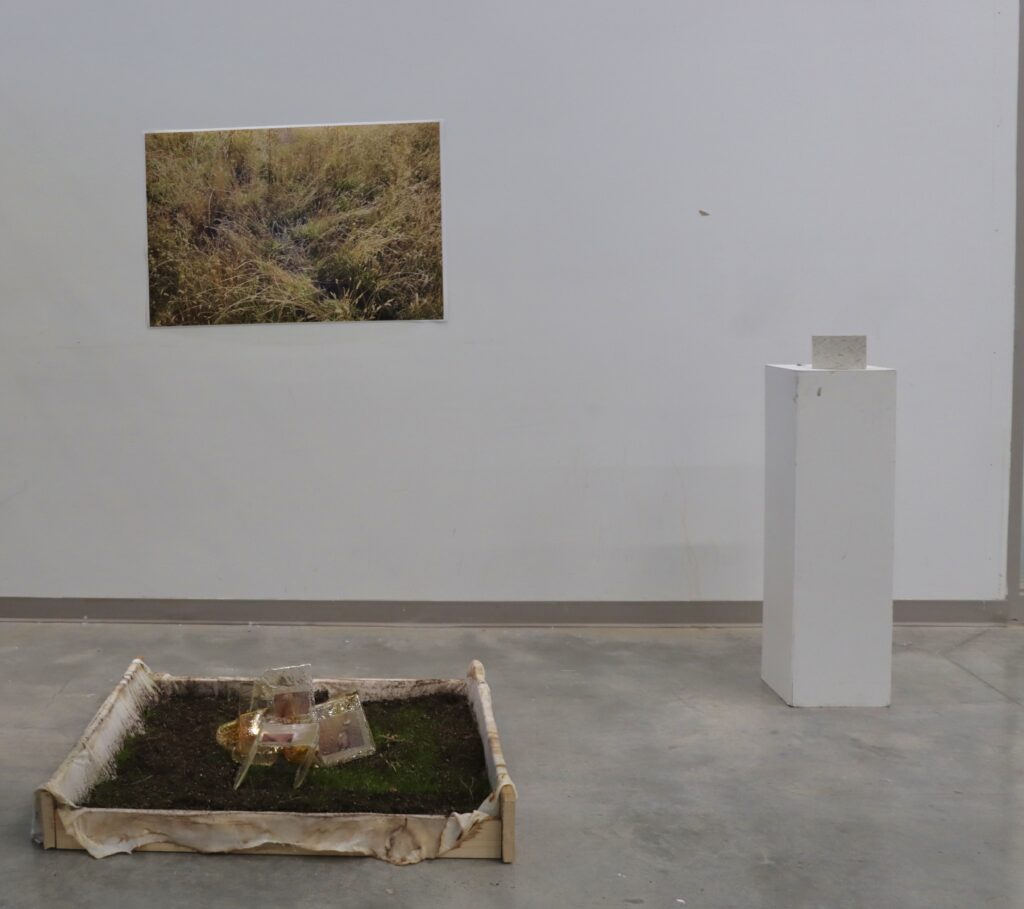
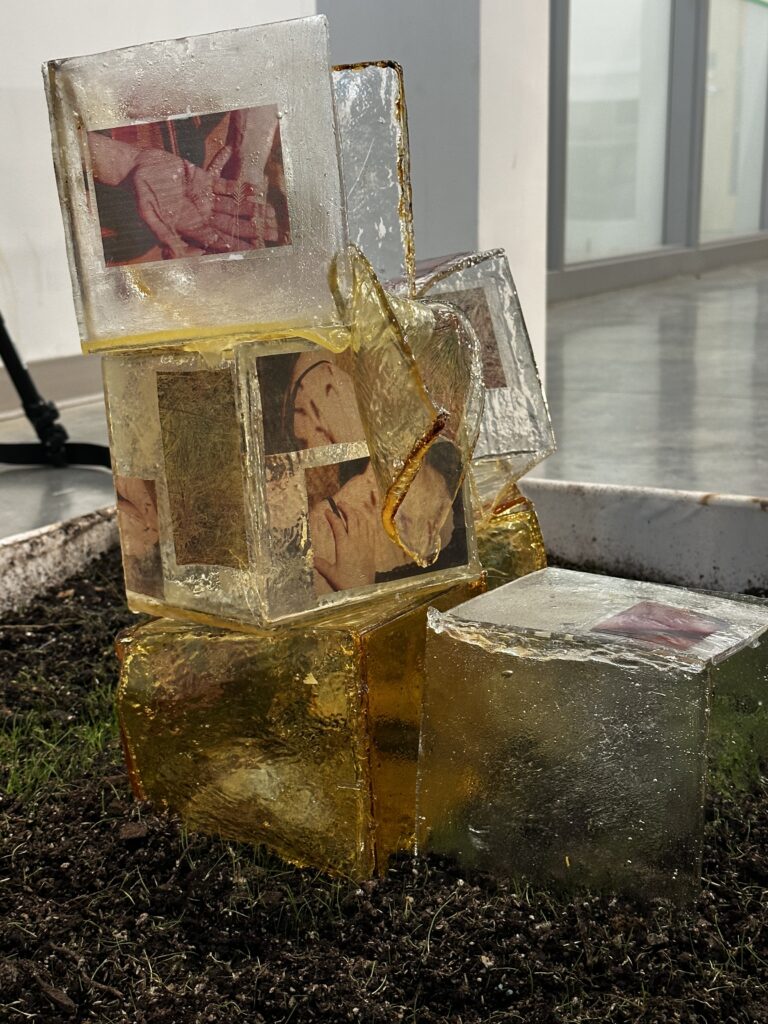
Holding onto Grass, 2024
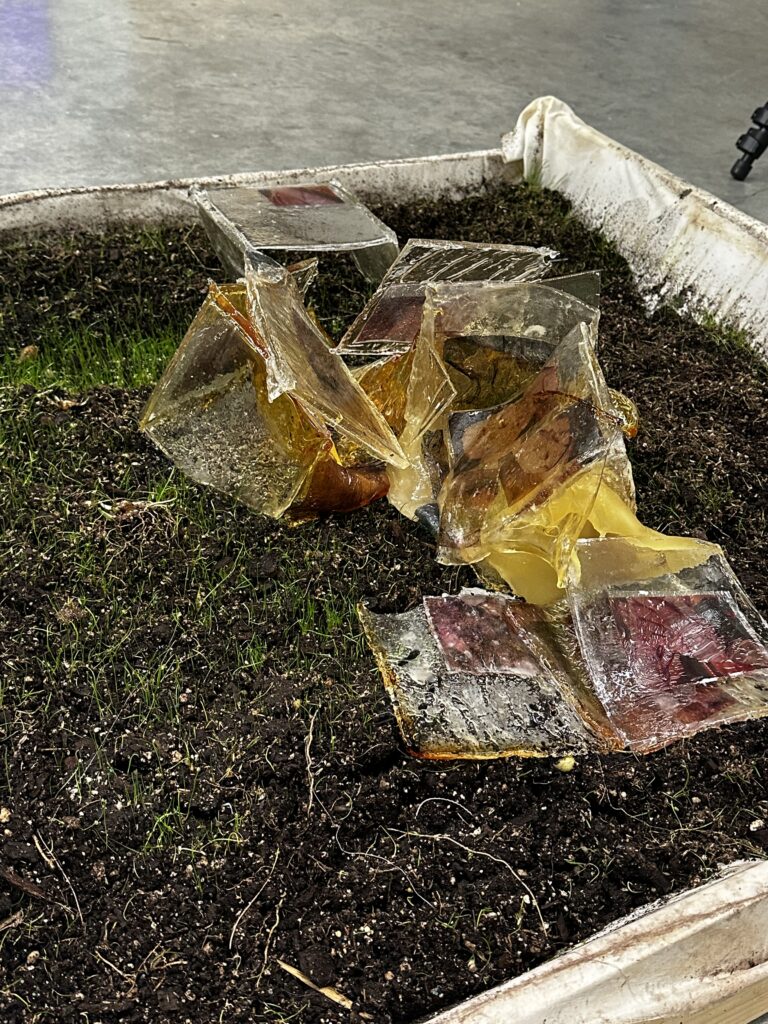
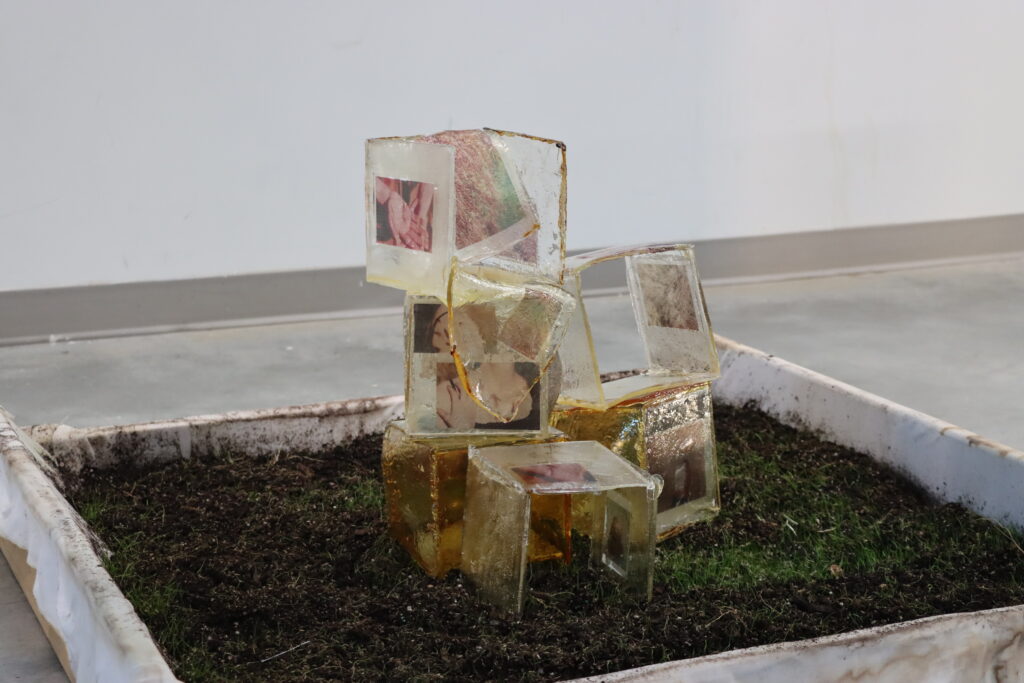
Sugar glass, slide decals, grass seed, soil, wood, cloth, digital photography, water, portable shower, twine, paper
Holding onto Grass was a multimedia sculpture installation exploring ideas of temperance and grief. In its original form, the sculpture had six cubes made of sugar glass stacked and rested on a square of growing grass. Each cube was covered in images using temporary tattoo paper (dissolvable). Above the cubes hung a constructed ‘rain machine’ that released a slow drip of water onto the sugar glass cubes causing in to slowly dissolve completely into the grass, leaving nothing but space. I was thinking of the water as a sort of “generational heirloom”, one of the only things we share physically with our ancestors. The sculpture was made as a metaphor to symbolize our temperance but also permanence, in regards to language.
I was thinking about grief, death, life and memory; contemplating permanence and temporality of our “physicalness”. I wanted to know what was left behind physically after you die; thinking about photos, heirlooms, memories and collections, I came to the conclusion that over time there really is nothing left except for the space you took up. Photos age, collections disperse, memories are forgotten. This led me to thinking about the importance of words and the influence of them on our permanence. Teaching, telling stories, sharing opinions and thoughts are all things that become generational heirlooms. To immortalize yourself you must share what’s in your brain; it’s the only thing with the potential of living on. The direction of the project was guided by a poem I wrote surrounding these ideas, called Holding onto grass. The book itself is bound using paper I made out of grass and contains photographs taken from my hometown where long grass thrives!
Here is the poem/contents of the book
Steps cushioned by dampened sod -I pace where you had lay-Thinking of aged conversation-The things I had left to say-Your permanence is ice-Having melted into dirt-Your memory is all I have-Holding tight enough to hurt-What’s left is a shadow-A shadow of who you were-Kept present by the things you said-Become visceral through words-I think about the thoughts unspoken-Words that were never read-I think about you under grass-What was left inside your head-Untold stories now held by grass-Opinions that were never made-Words that never saw the sun-Now kissed by growing blades-For when I go-Everything is gone-Except for the things I’ve said-The things people hold onto-And the stories I have spread-I hold onto grass-For it holds memories-And all the buried thoughts -I hold onto grass-For it holds forgotten-To mourn stories we forgot-I hold onto grass -Hold it tighter-Tight enough to absorb -The thoughts forgotten of those underneath-The grass that I will hold-I hold onto grass-To learn it’s stories-And keep them from staying lost-I hold onto grass -To learn it’s lessons-And teach what couldn’t be taught-I speak with grass-Speaking of everything-Everything circling my mind-For she listens to me with tender ears-And keeps safe from passing time-I speak with grass-Listening to it whisper-All thoughts that were never spoken-I speak with grass -For it’s where wisdom lies-And secrets that haven’t been opened -Holding onto grass -Blades wrap round fingers-Wrapping close to skin-Humming songs bearing ancient thoughts and stories-Crying tears of forgotten sins-I hold onto grass-Carrying her with me-Carrying the unsaid she holds-I hold onto grass-Letting her guide me-Letting stories get retold-So I’ll keep on telling stories-And keep speaking my thoughts-With nothing left unsaid-And nothing left untaught-Because when I go-Those thoughts are lost-And with me they are dead-Because when I go -I won’t be forgotten-In my under-grass bed
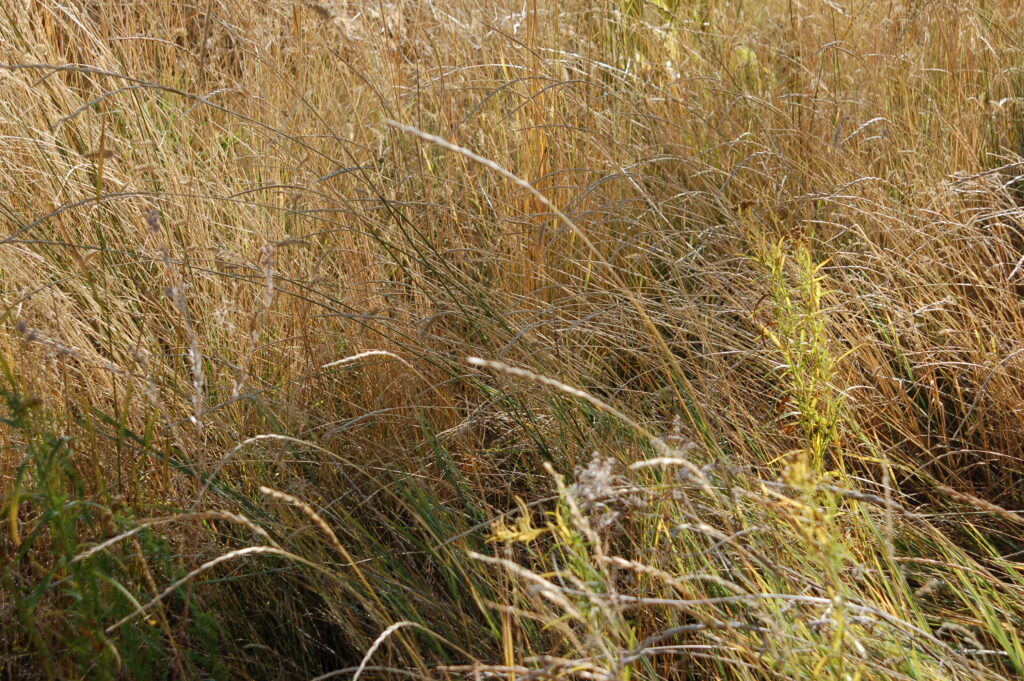
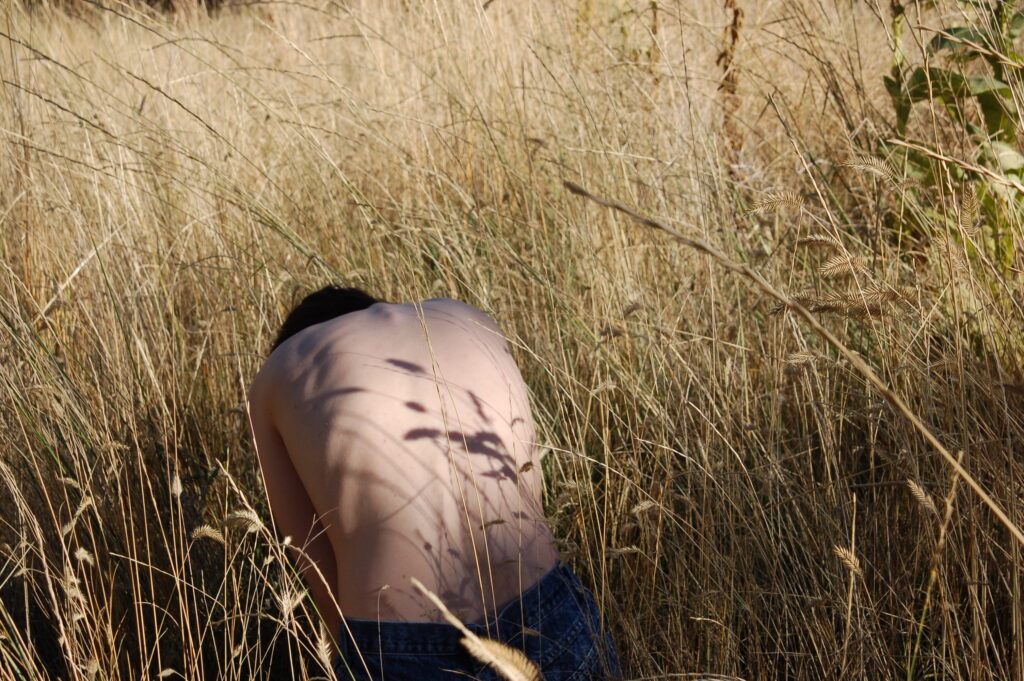
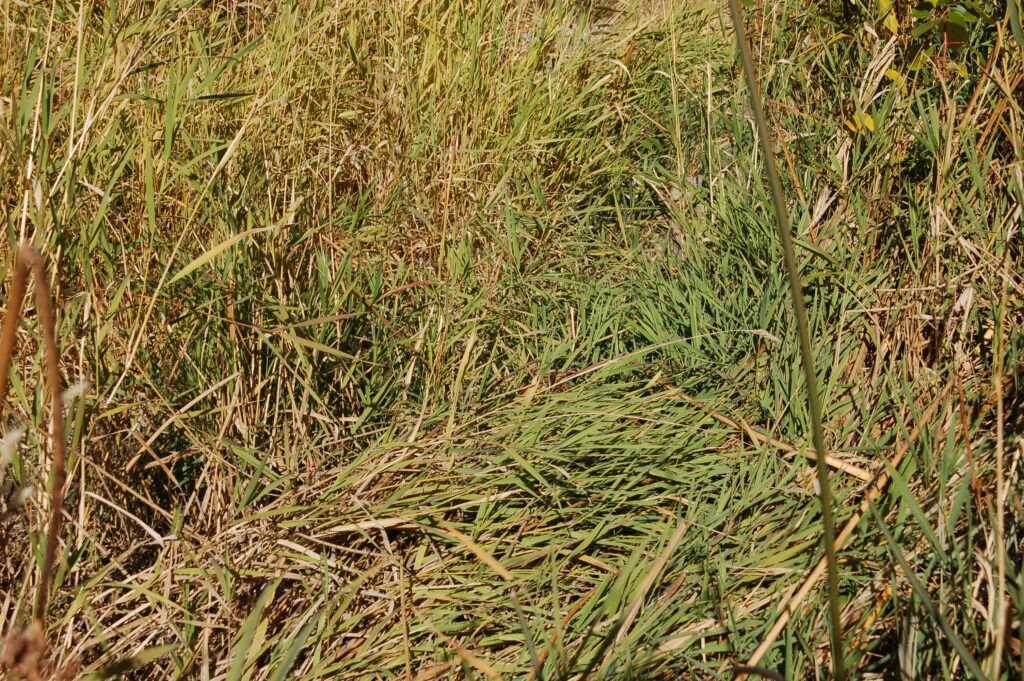
Video capturing performance of Holding onto Grass
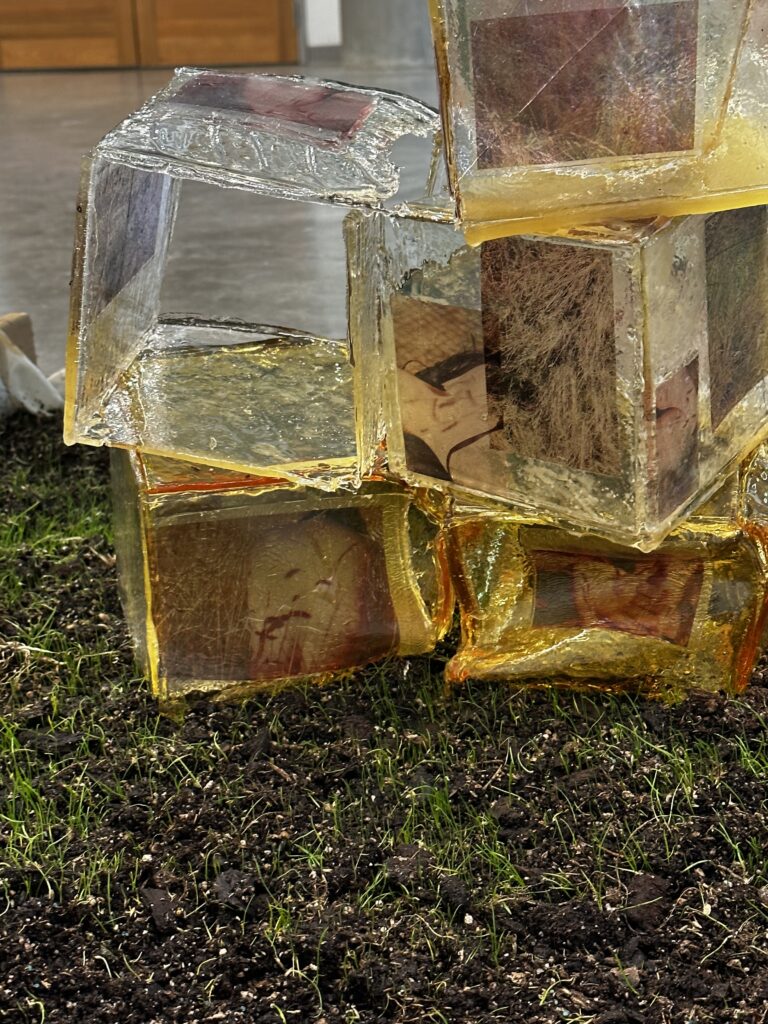
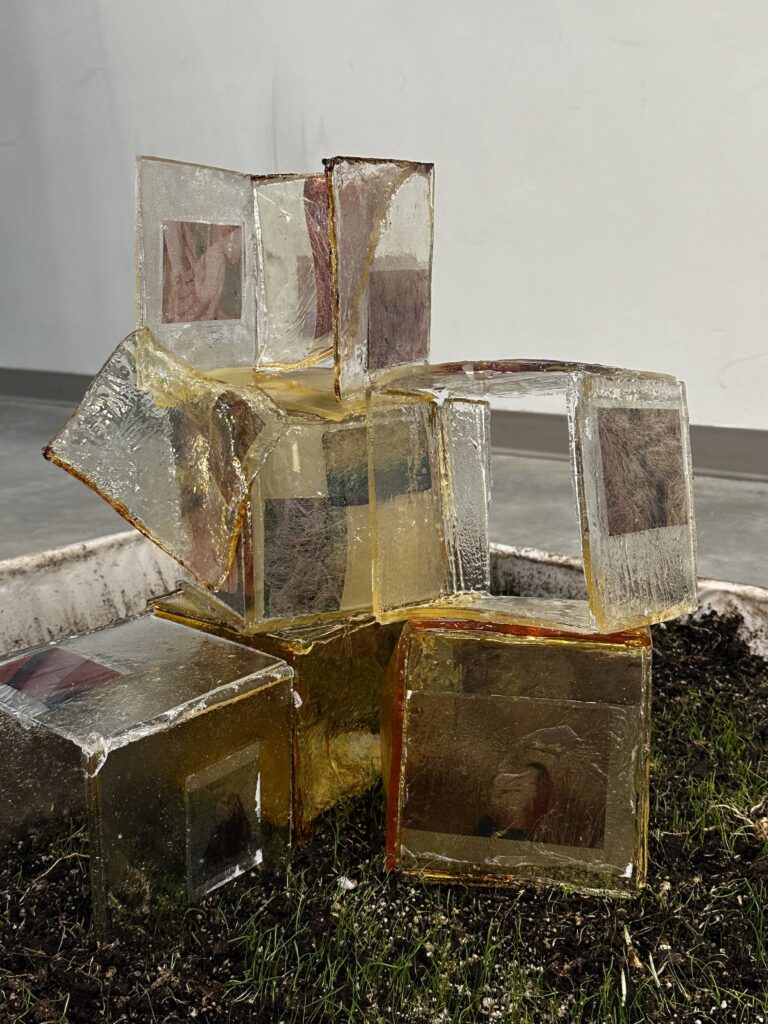
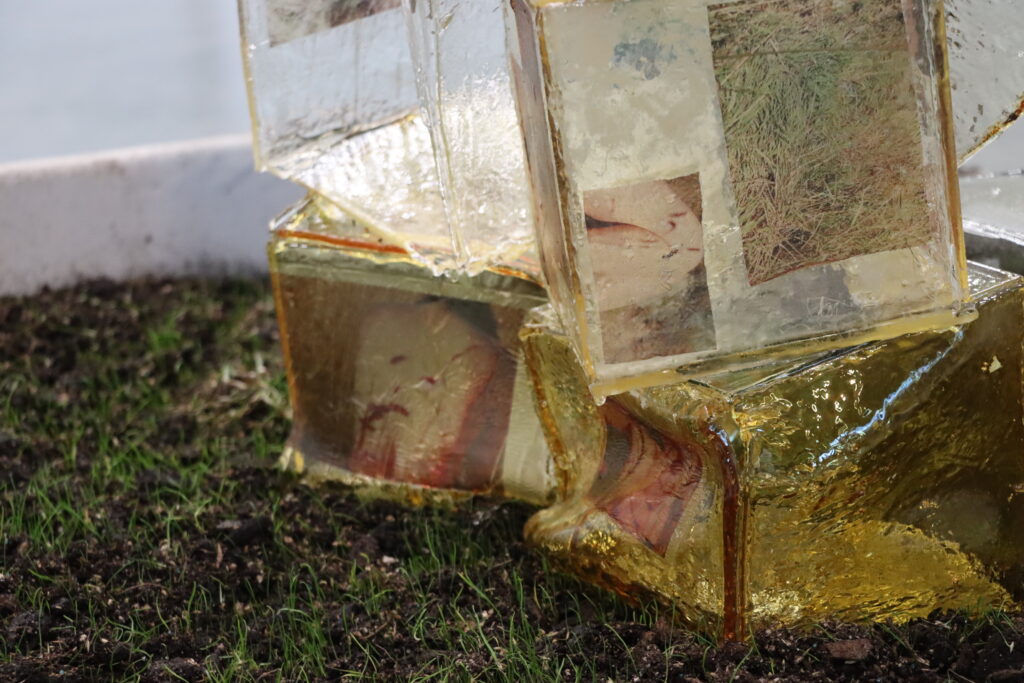
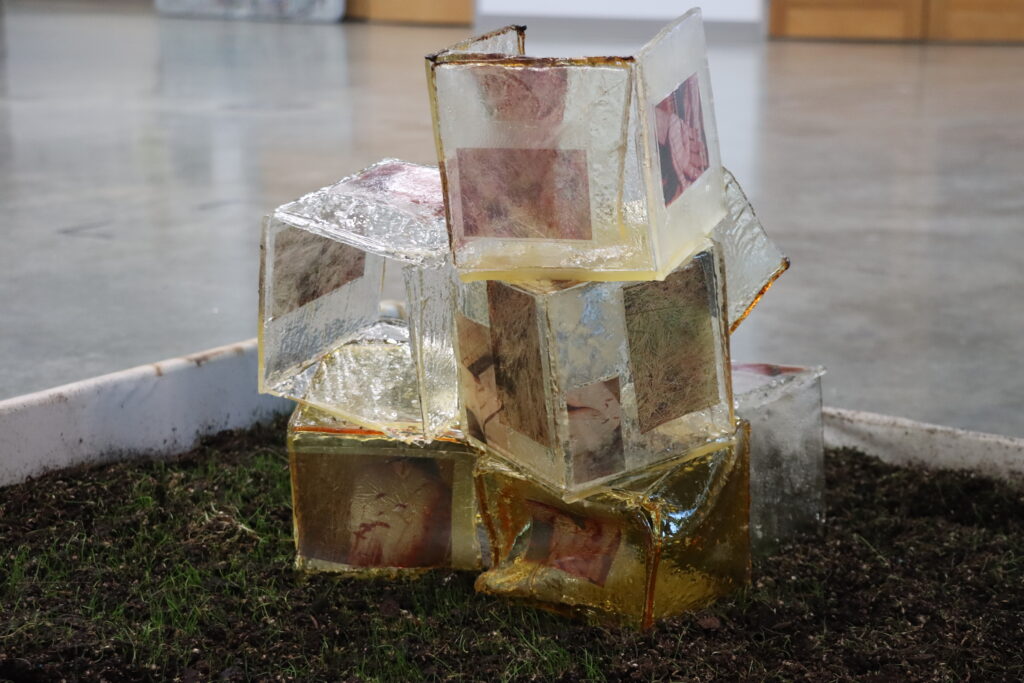
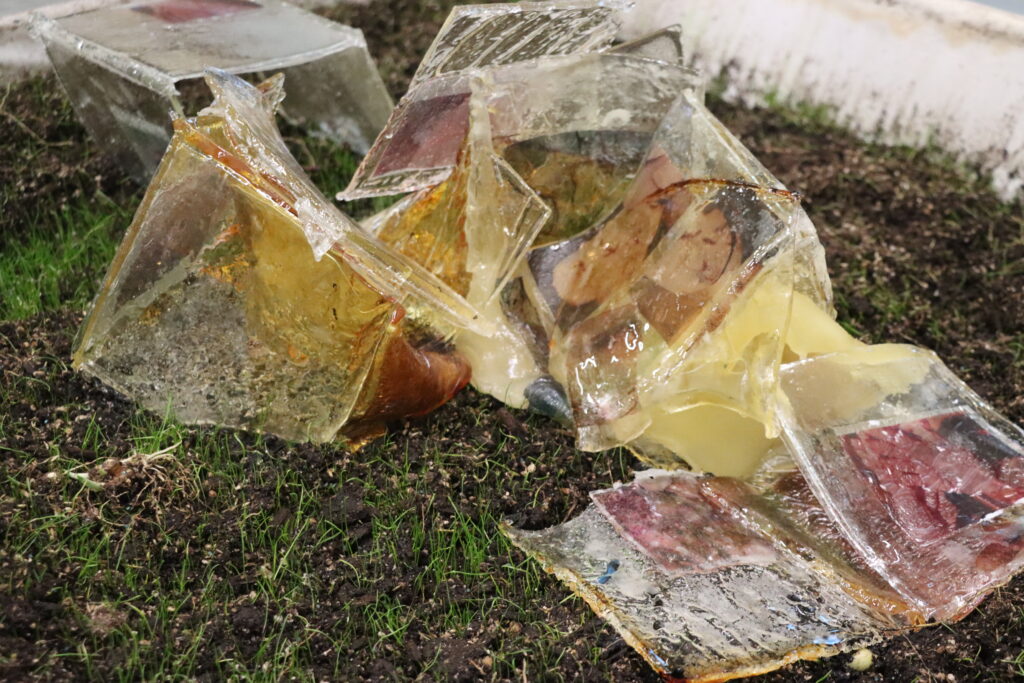
Stills from 24 hr period sitting under dripping water.