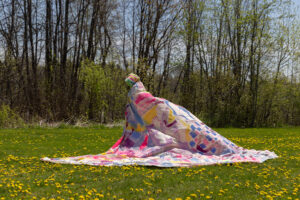
mère-fille: an archive of care
Claudia Goulet-Blais
See it On Campus: Level 2
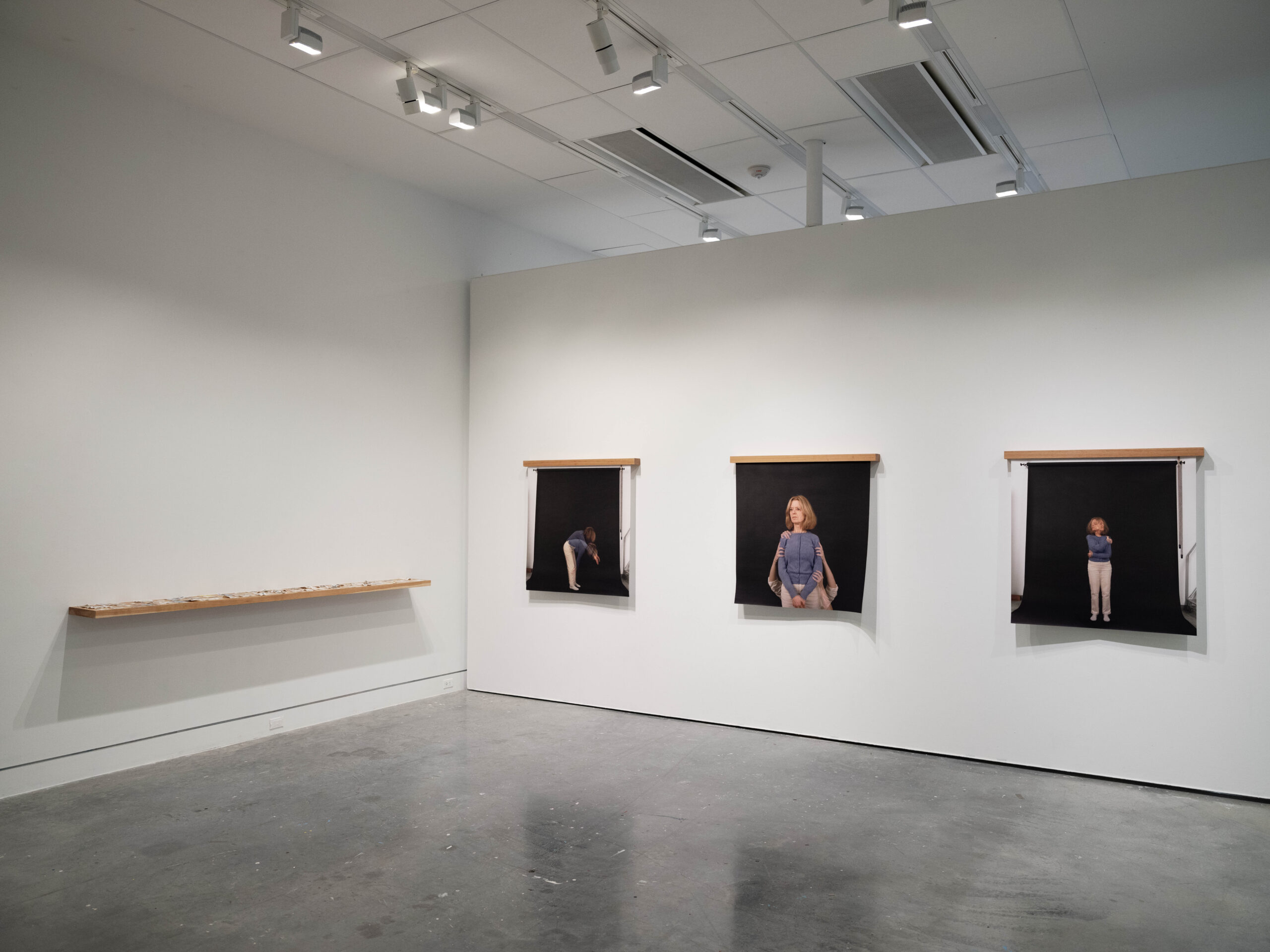
"Hidden Daughter" (2025) and "Entre ce qui nous sépare, ce qui nous lie (Between what separates us, what unites us)" (2025) Libby Leshgold Gallery
Visitor InfoSaralee James Memorial Award — Winner
All photographs are memento mori. To take a photograph is to participate in another person’s (or thing’s) mortality, vulnerability, mutability. Precisely by slicing out this moment and freezing it, all photographs testify to time’s relentless melt.
Susan Sontag, On Photography
Artist Statement
Claudia Goulet-Blais’ autobiographical, image-based practice navigates how family dynamics and relationships shape our sense of self. Through photographic installations, she works with photography, video, and sculpture—each medium engaging different dimensions of relational kinships and revealing their inherent nuances and underlying tensions. The deliberate slowness of her process, often involving those close to her, and her use of analog photography and ceramics, creates space for reflection, where care is produced in each stage of making. Her research focuses on the shifting roles and responsibilities within relationships, particularly the undervalued labor or care women take on in domestic and other spheres. Informed by historical photography, such as 19th-century hidden mother photography and found images, Claudia considers gestures and body language as ways to surface the complexities of human interaction. Her work creates a space where memory, vulnerability, and the layered tensions of closeness and distance unfold through photographic staging and material form.
mère-fille: an archive of care
Featured in The Show 2025 at the Libby Leshgold Gallery :
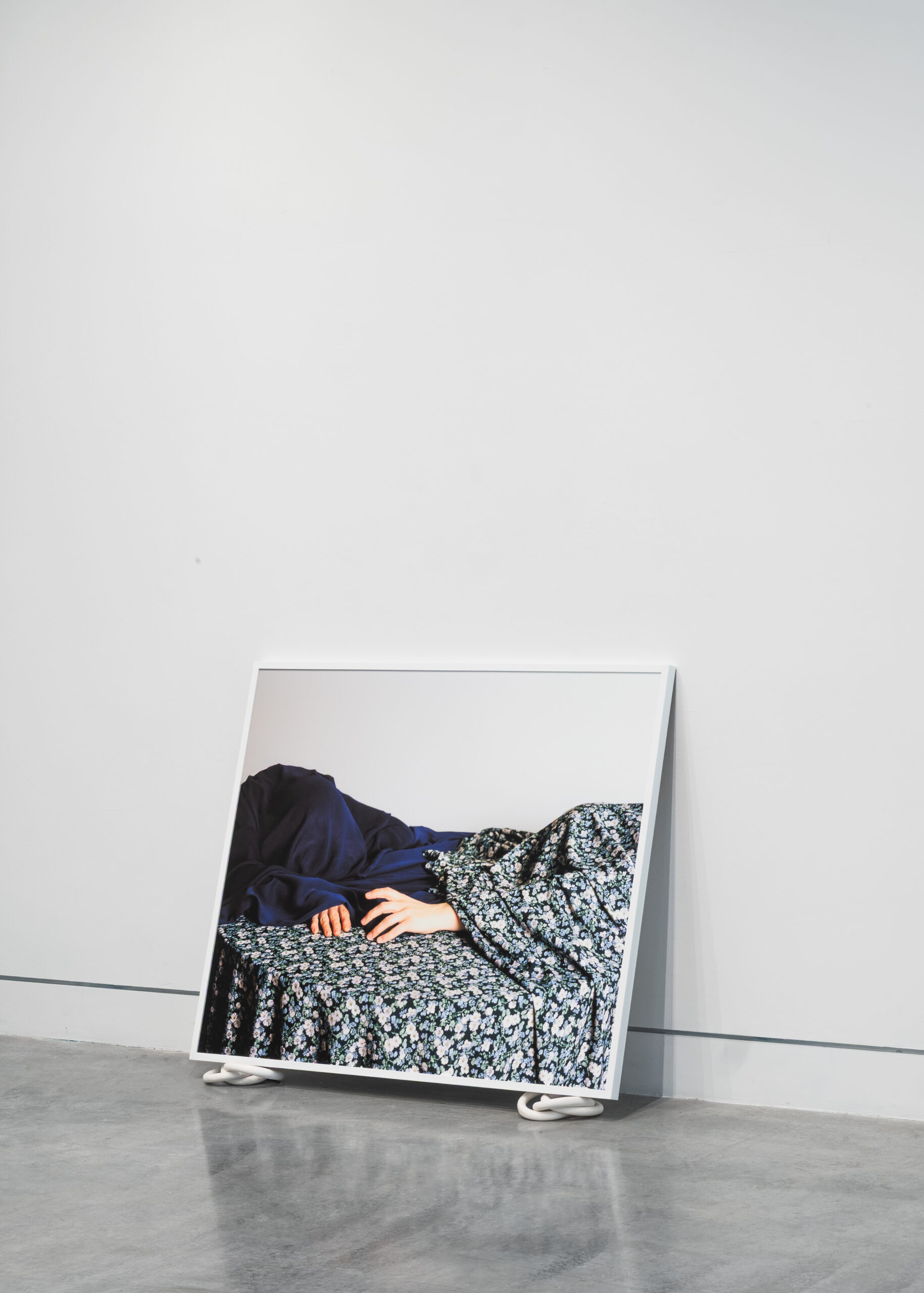
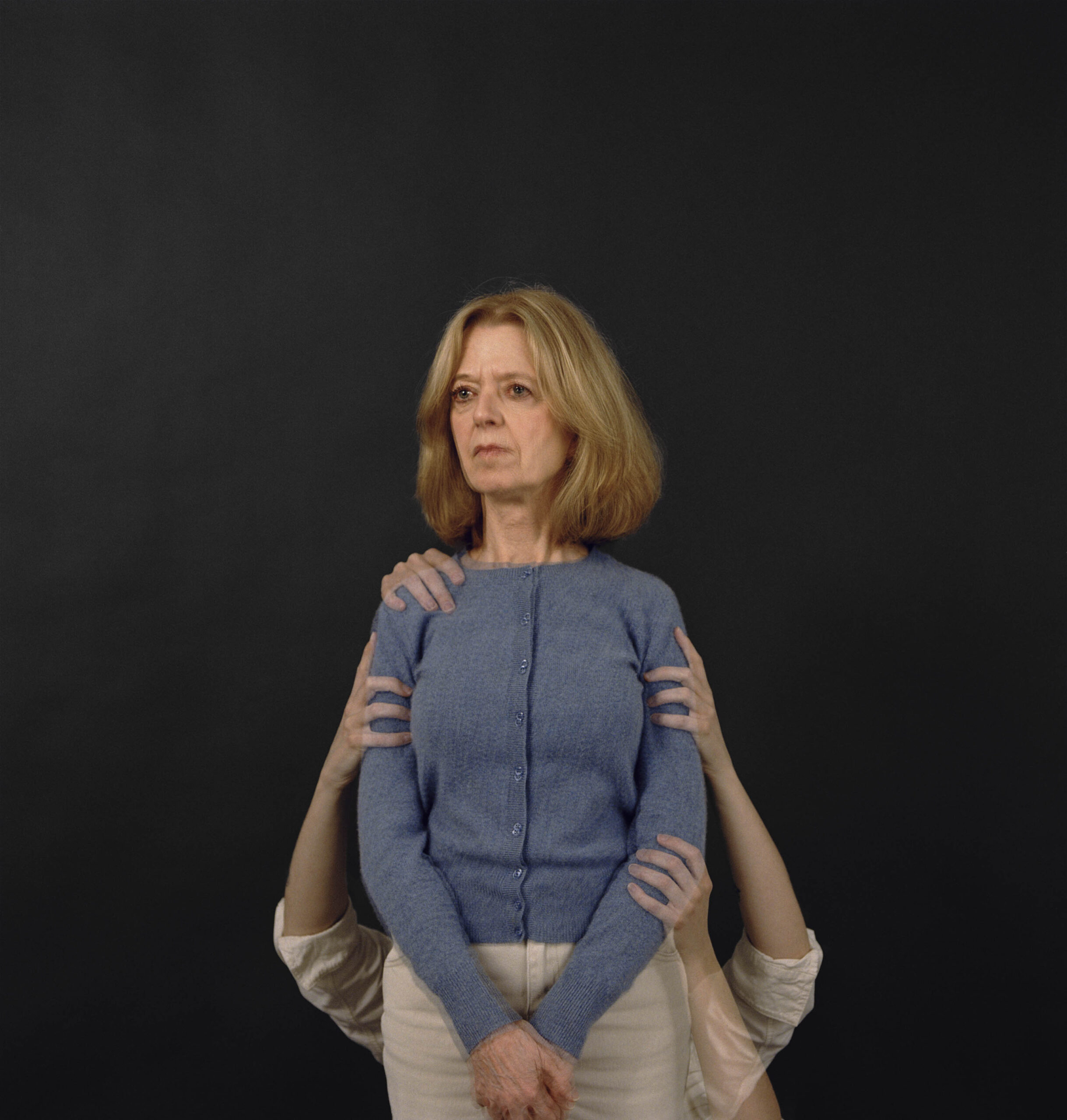
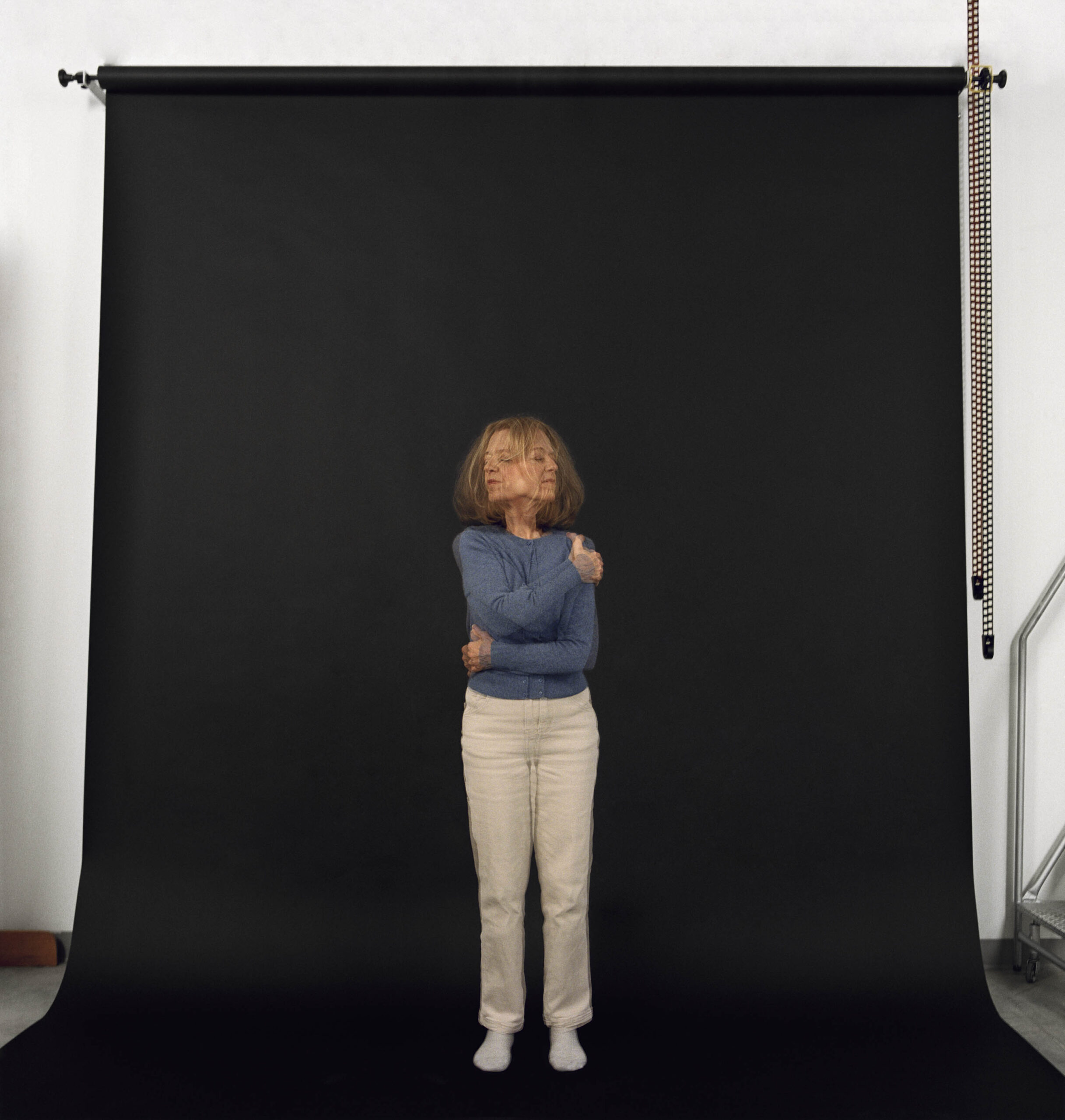
Untitled I from Hidden Daughter series (2025)
Inkjet prints, porcelain
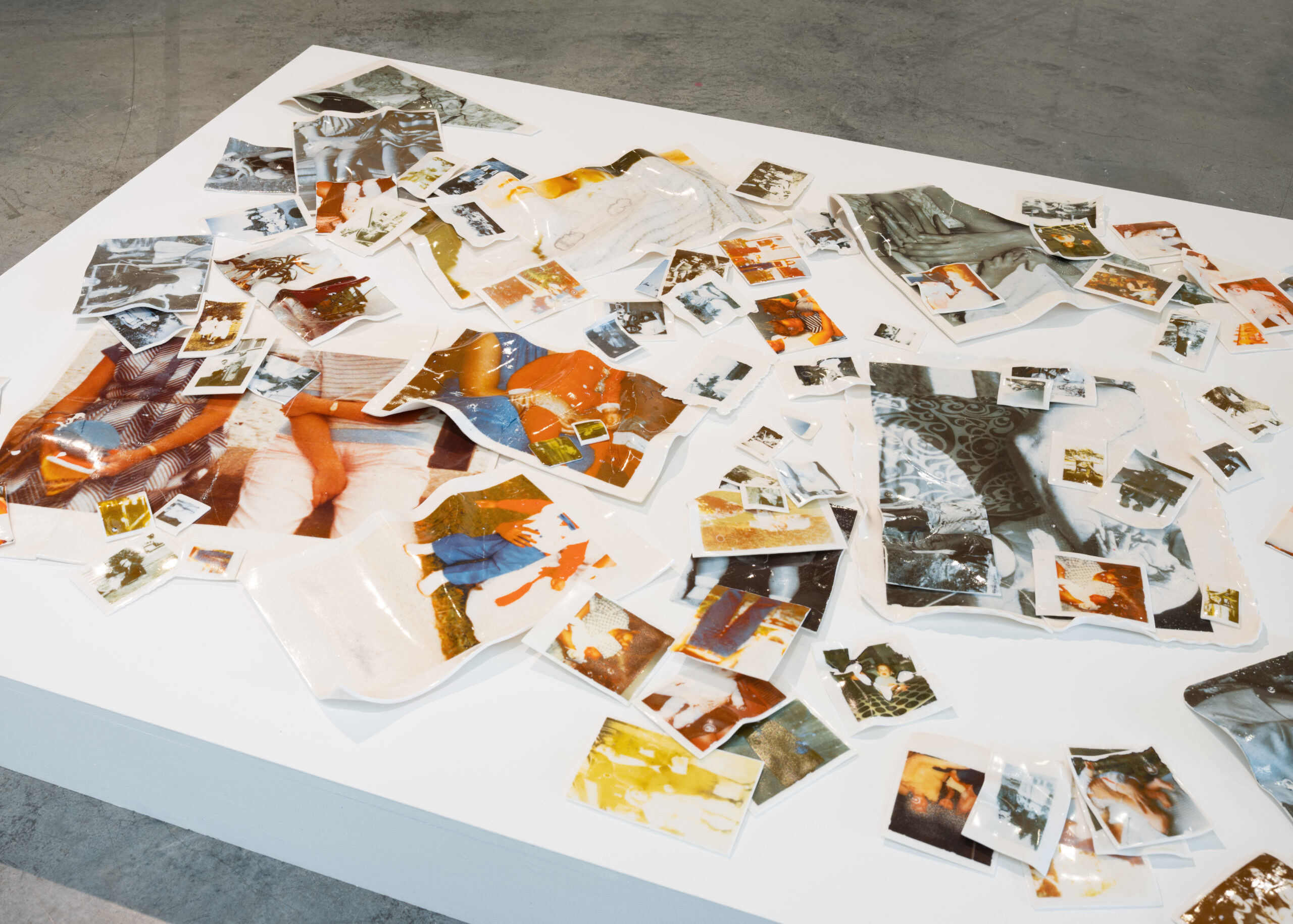
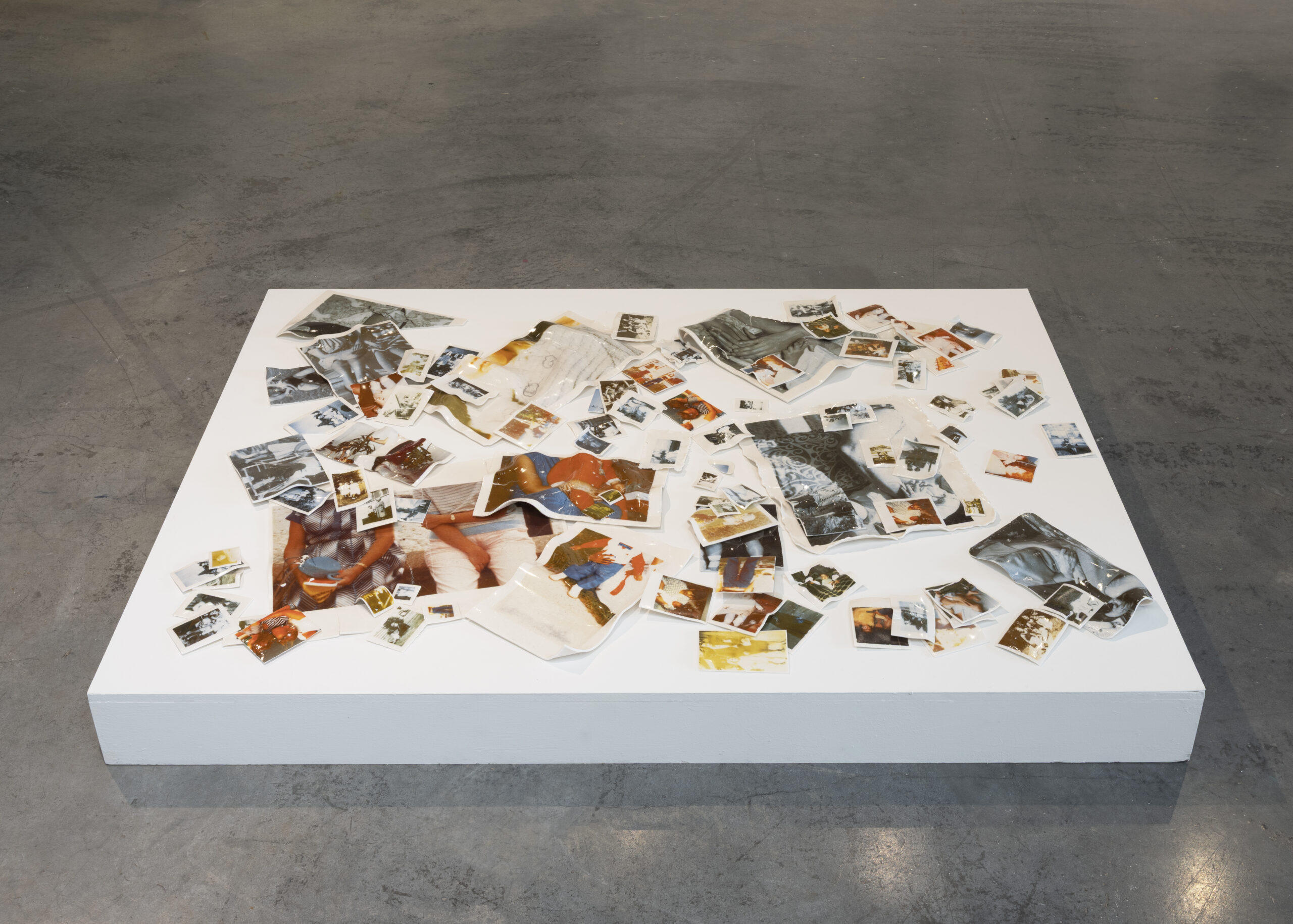
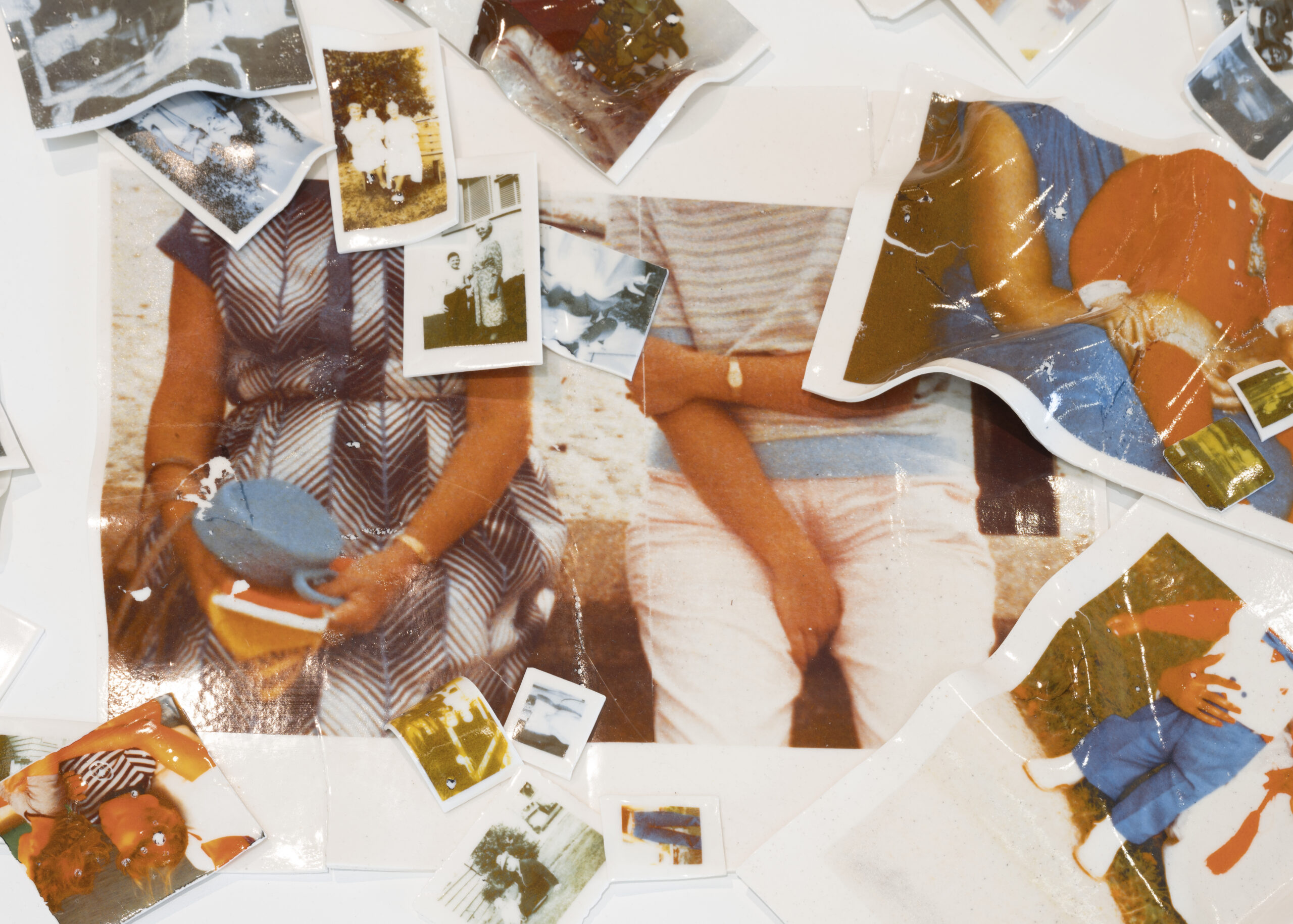
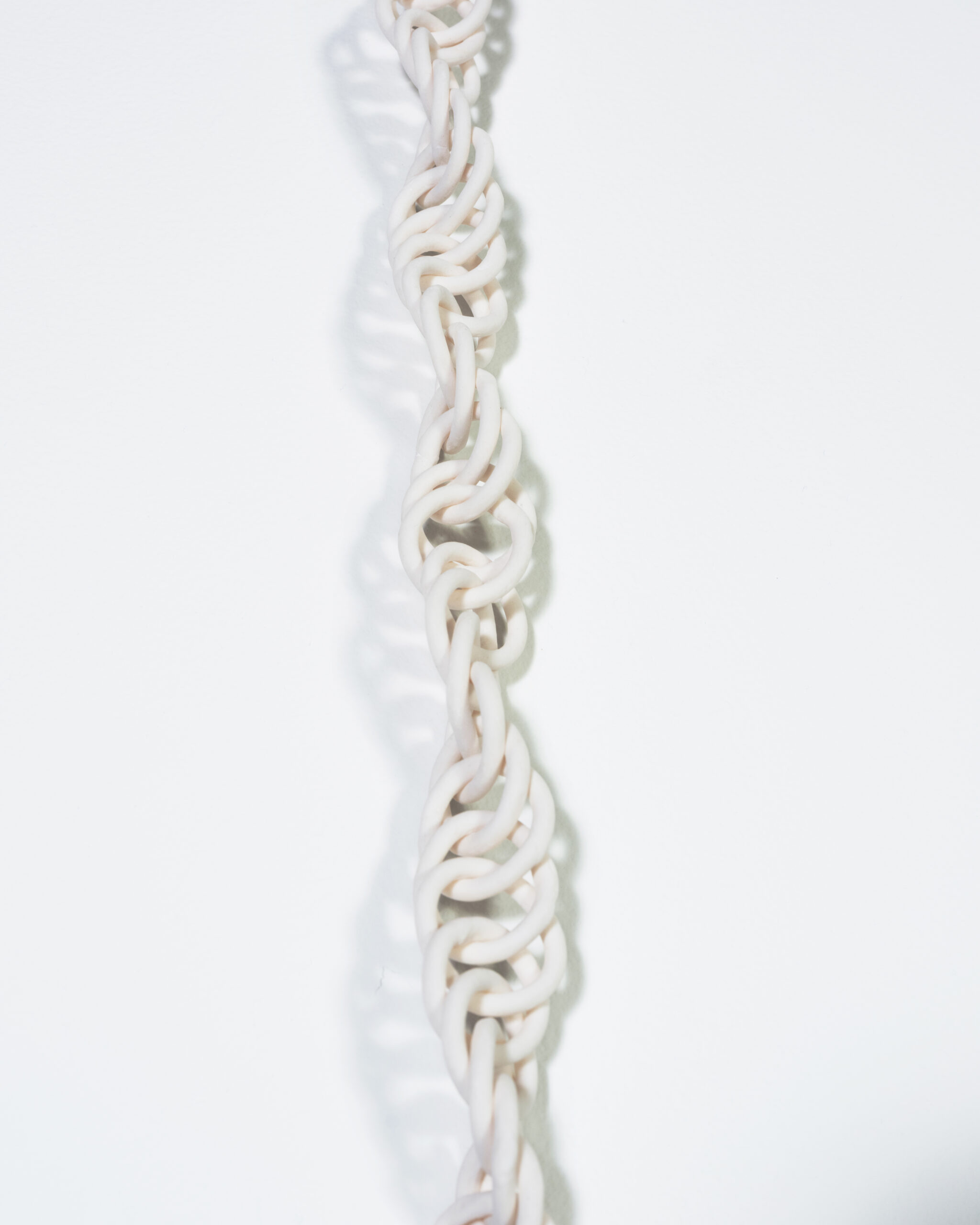
Porcelain, found archival imagery
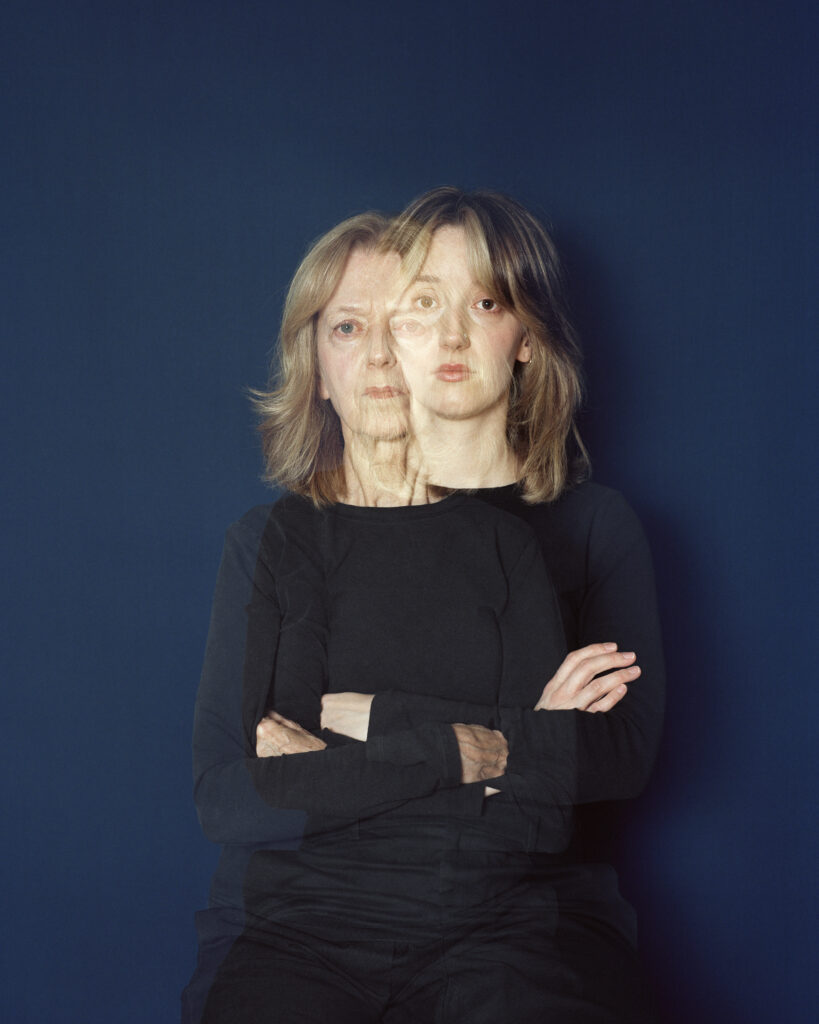
Inkjet print
Full Project :

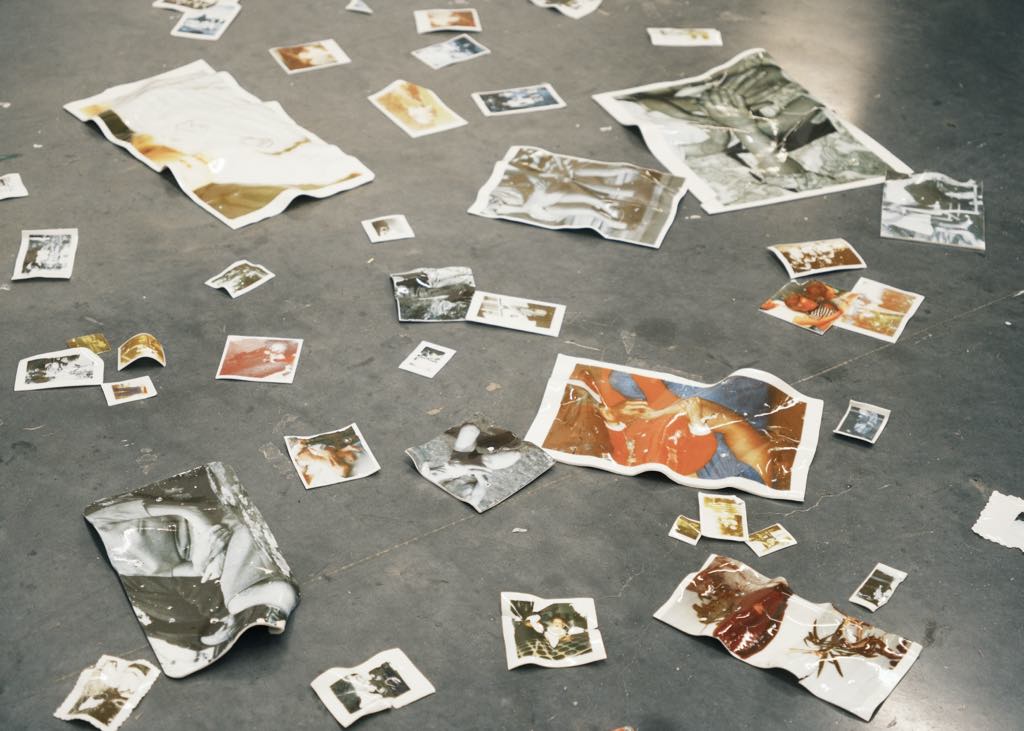
mère-fille (mother-daughter): an archive of care reflects on the evolving dynamics within family relationships with a focus on the medium of photography. By combining found archival photographs of maternal interactions with images created by the artist and her mother, the work centres on the embrace as a gesture of connection. The project draws inspiration from 19th-century hidden mother photography, exploring the tensions of both physical and emotional proximity and distance, reflecting on mortality and loss, and examining the historical undervaluing of women’s care work. Photographs, video, and ceramics engage with the complexities of shifting roles that accompany aging, through both subject matter and material presence. Rooted in the slowness of analog photography and ceramics-making, the project fosters care through collaboration and providing time for reflection. The relationship between sculptural form and images unfolds as a dialogue between materials: porcelain embodies the fragility of care, while video introduces the underlying anxiety inherent to caring for someone.
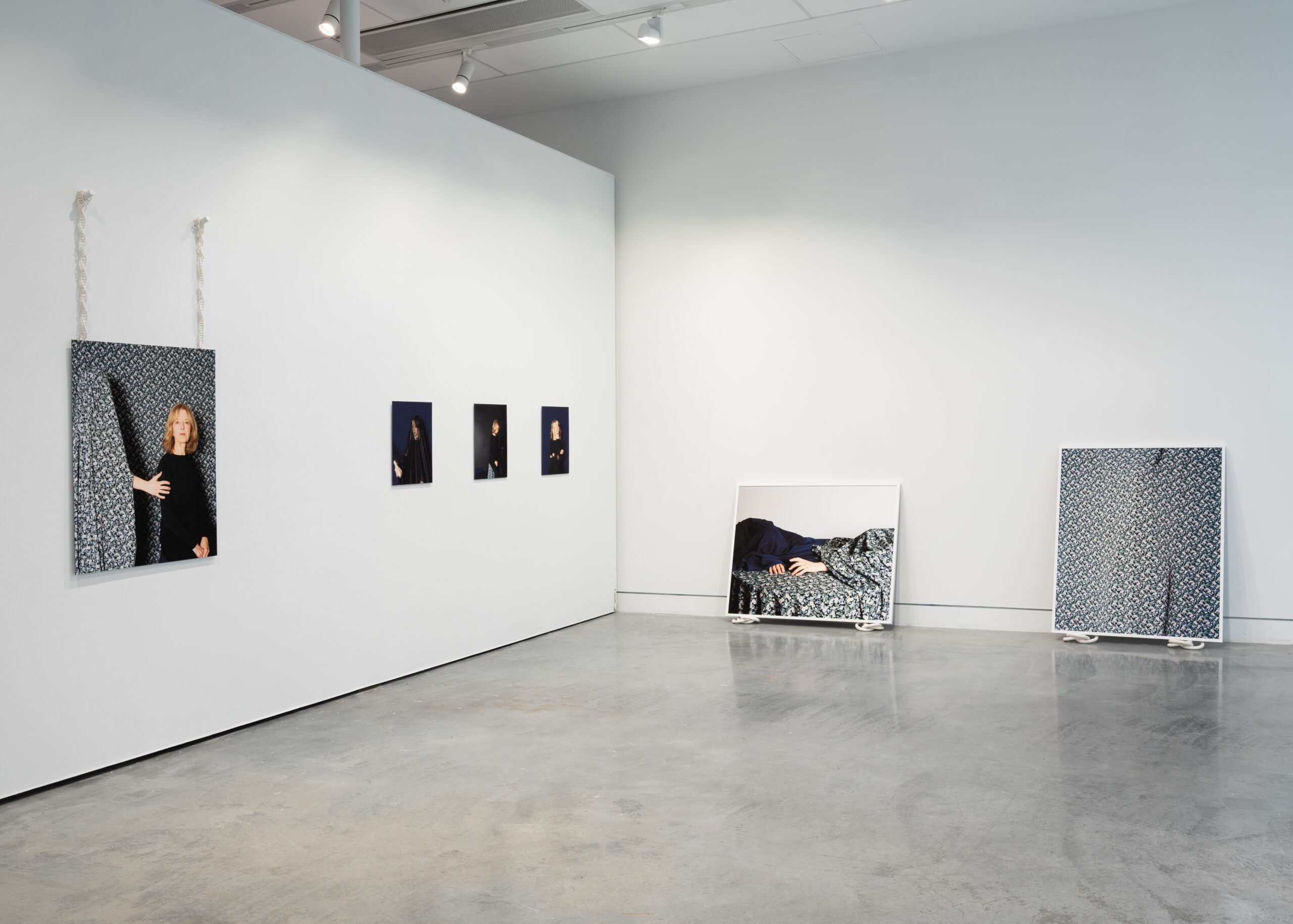
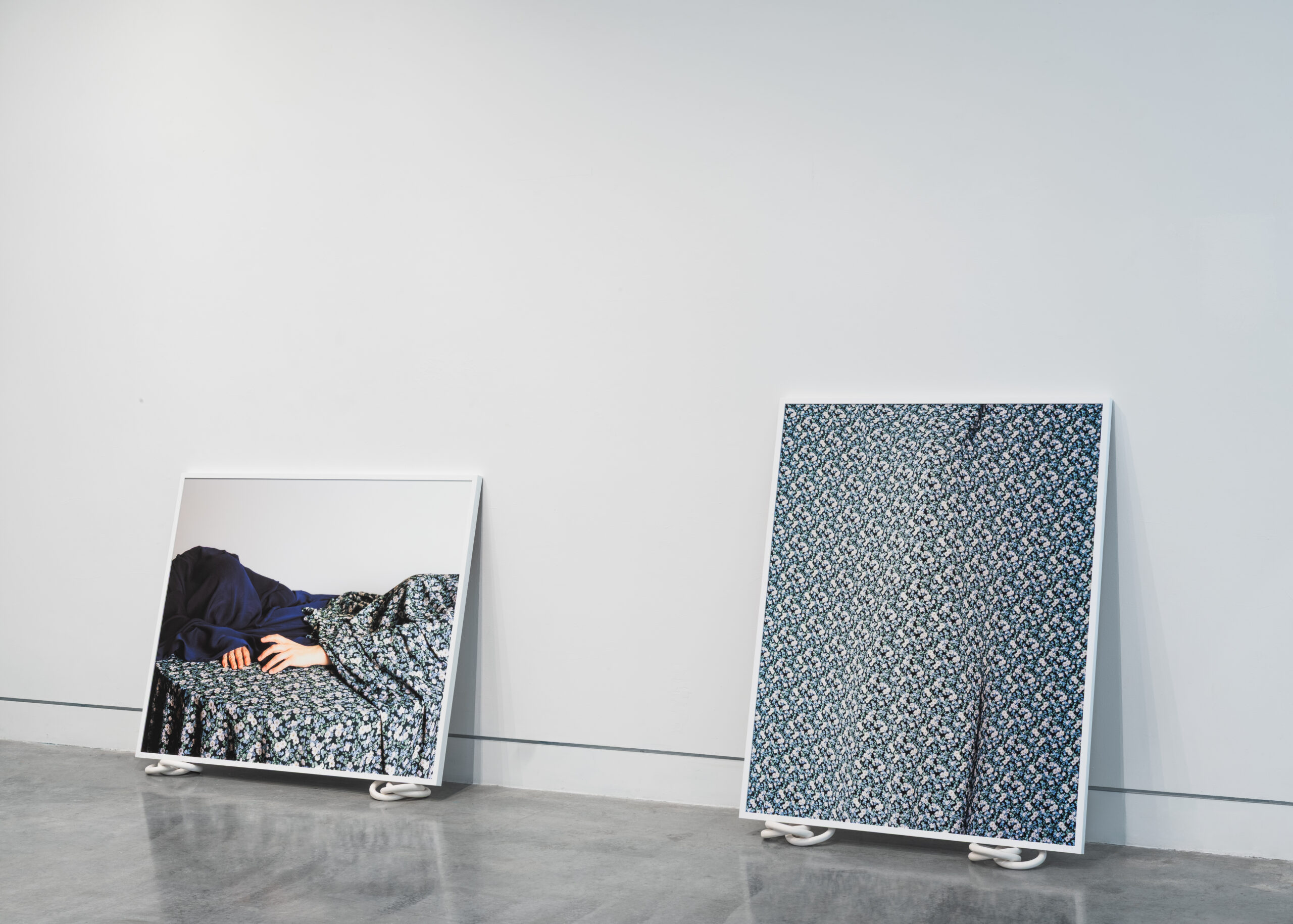
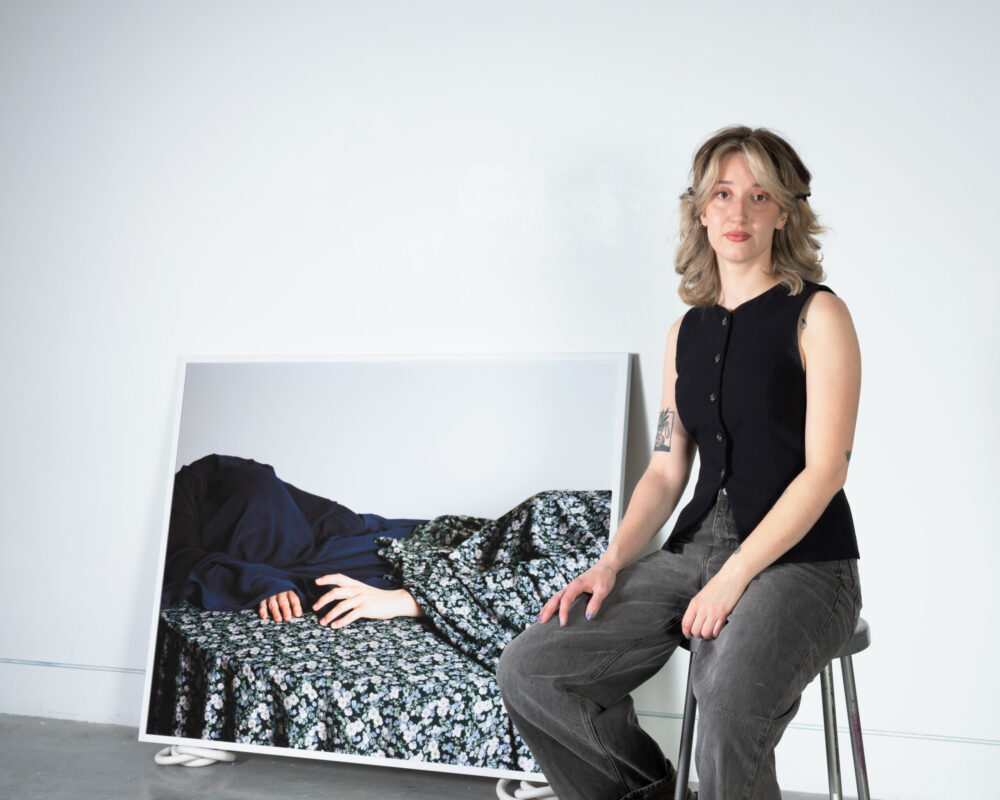
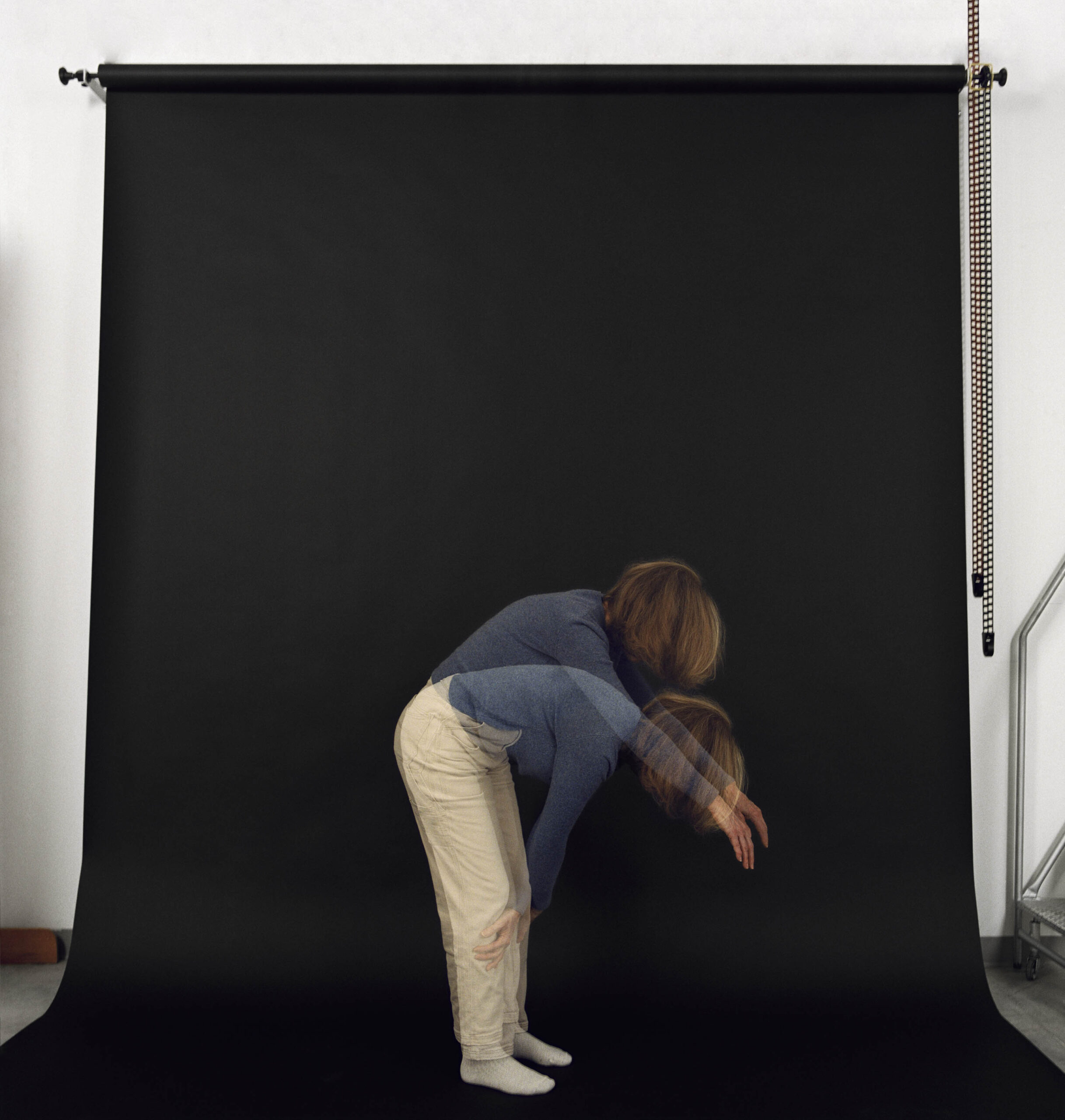
Claudia Goulet-Blais, Hidden Daughter (detail), MFA Thesis Exhibition, 2025.
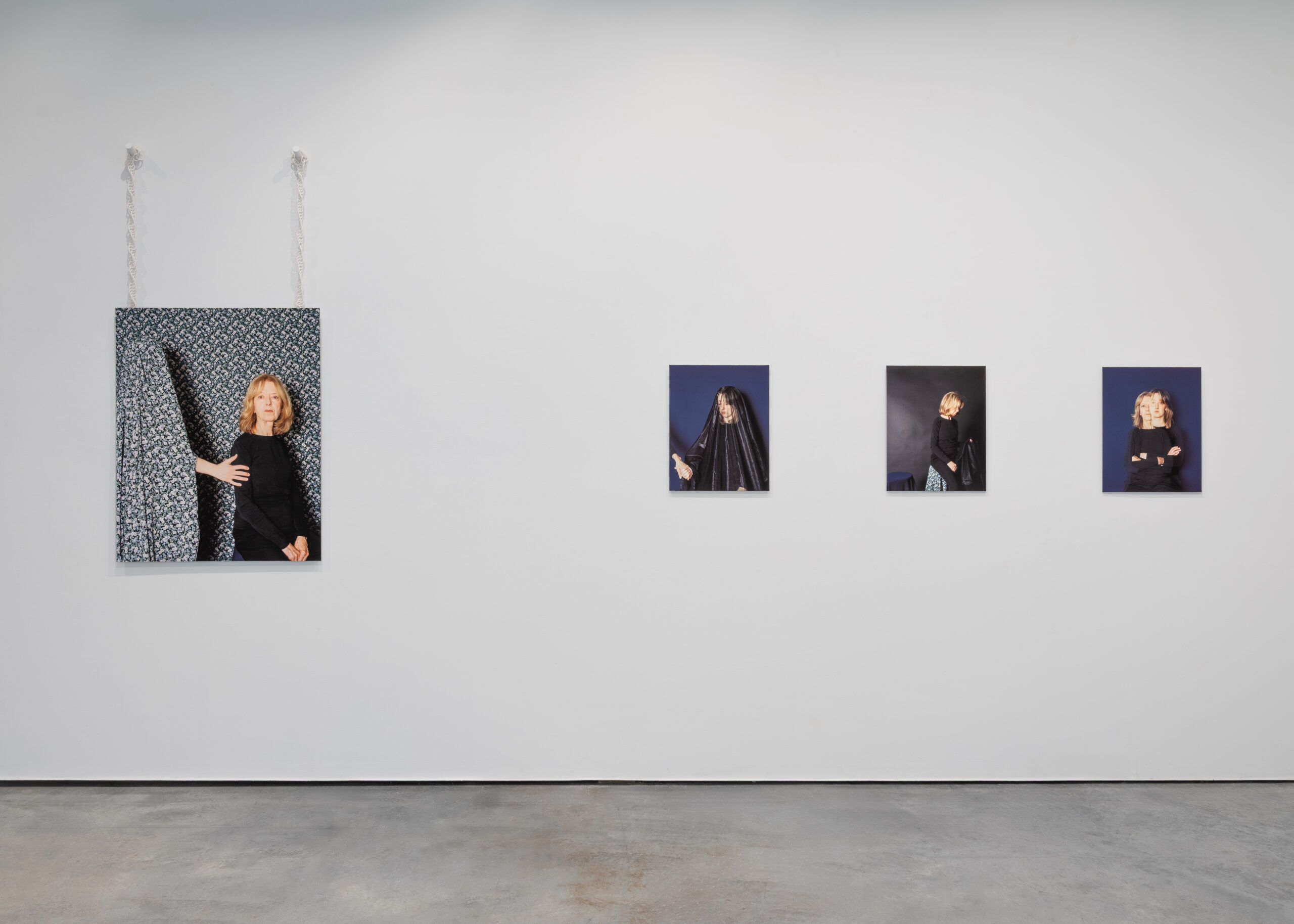
Claudia Goulet-Blais, Hidden Daughter (detail), MFA Thesis Exhibition, 2025.
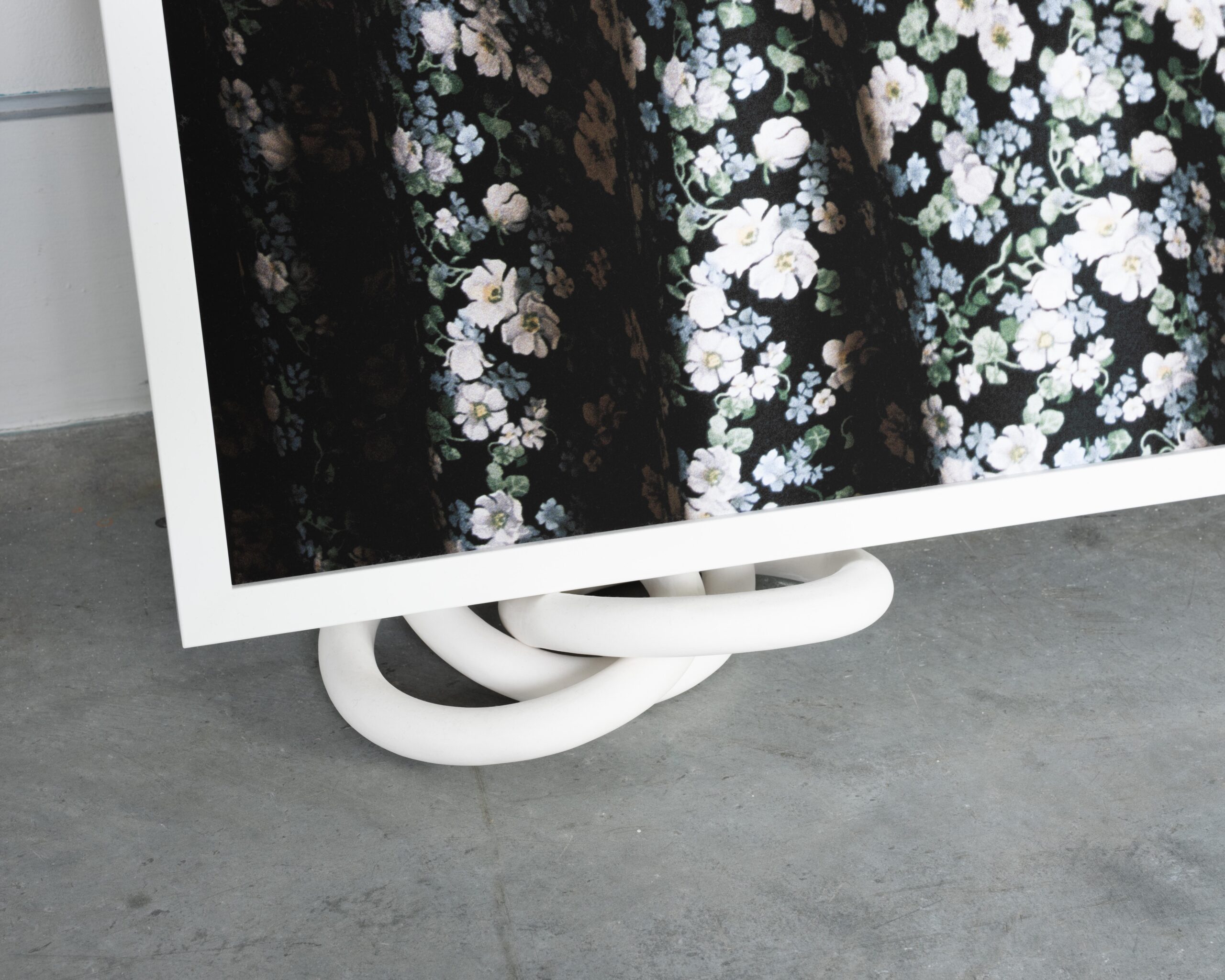
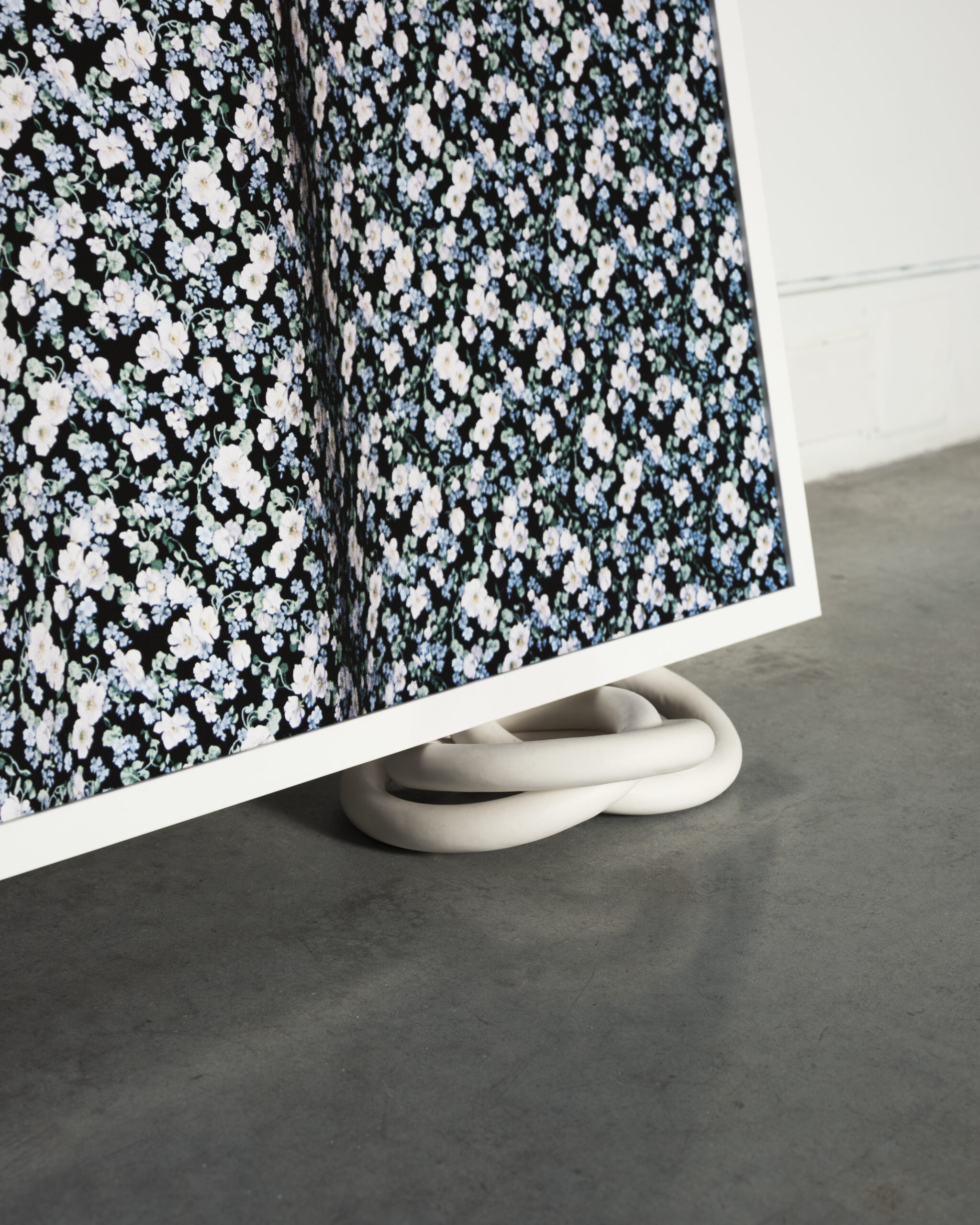

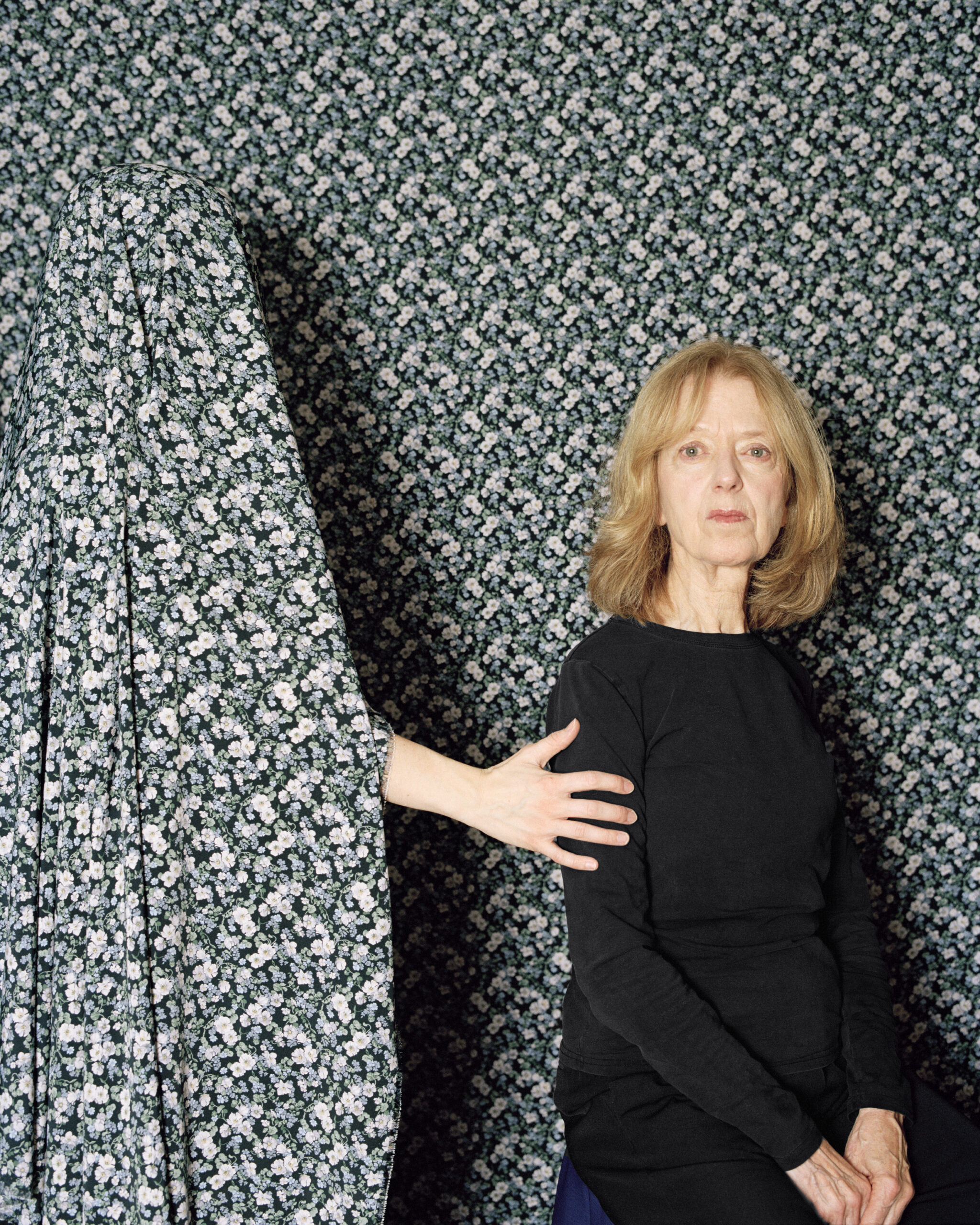
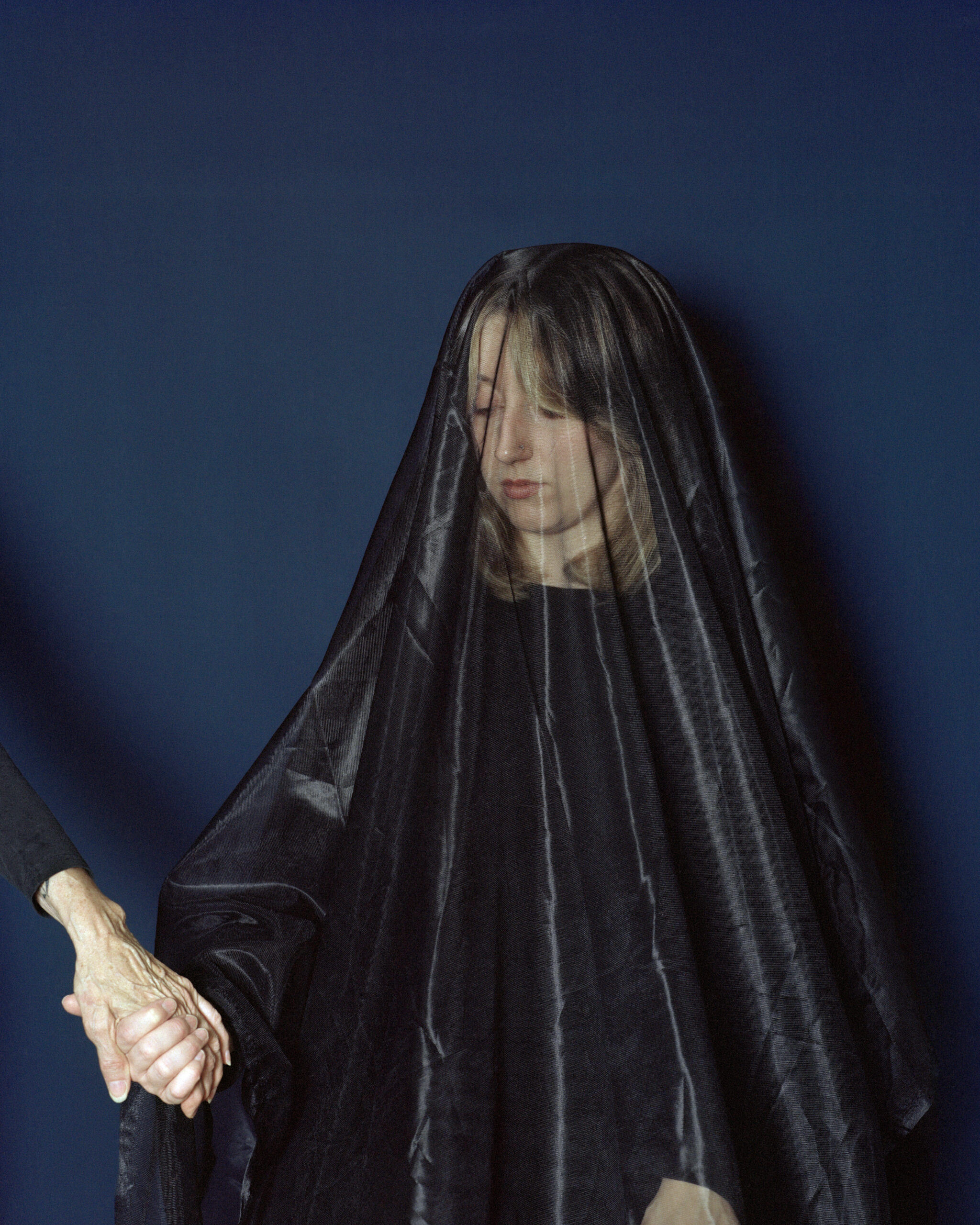
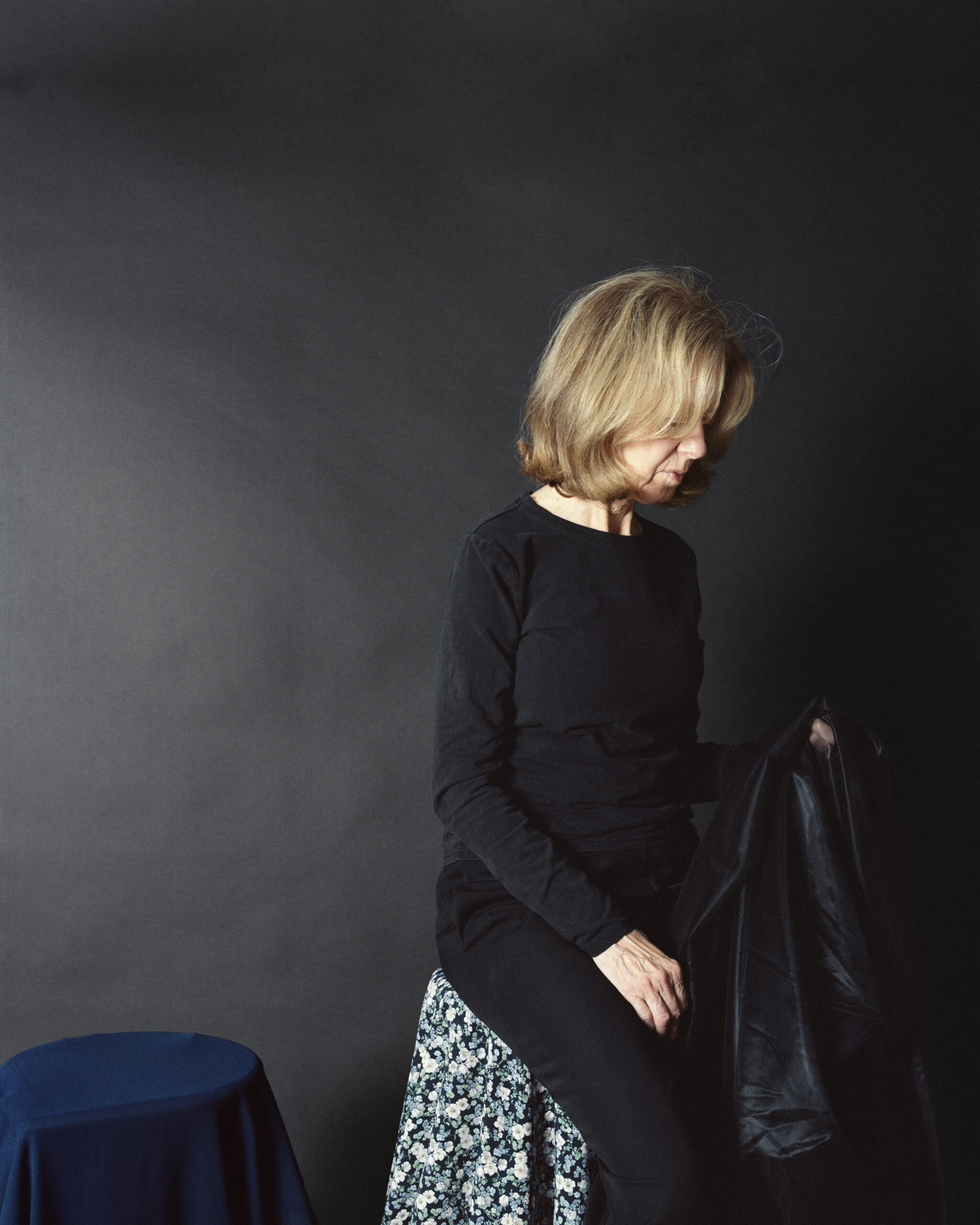
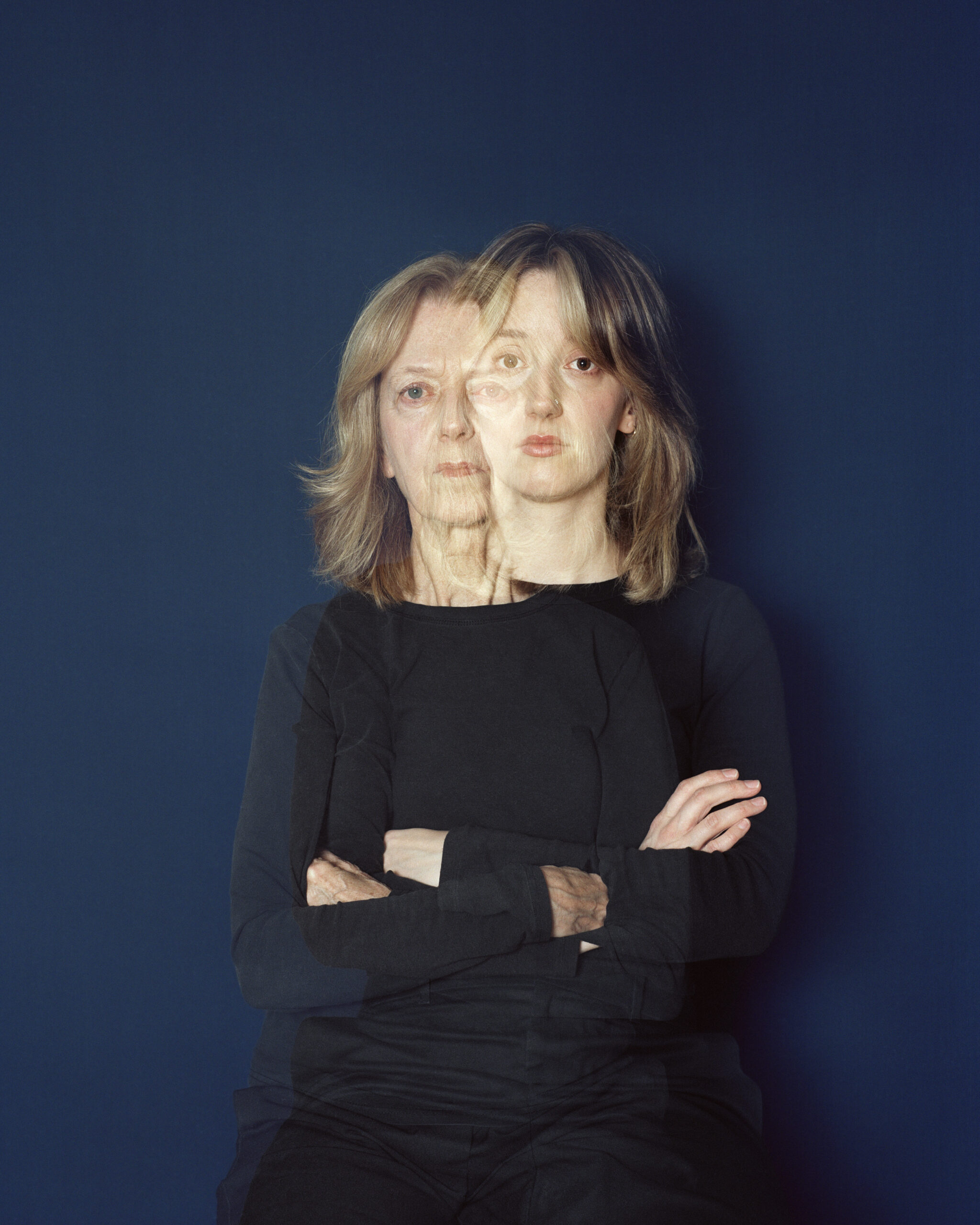

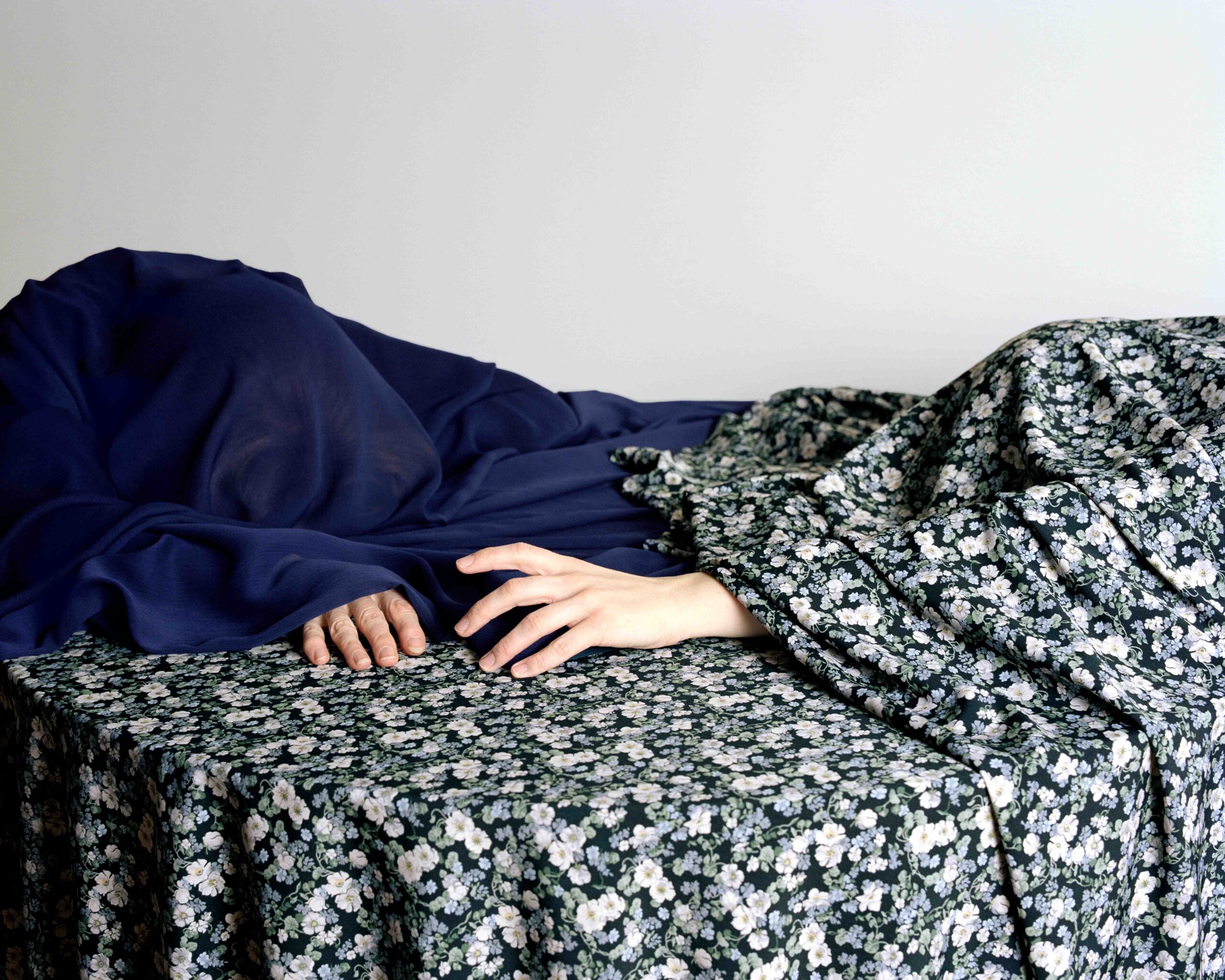
Although initially driven by personal experience, the project has evolved through engagement with artistic and theoretical frameworks, sparking new reflections on the complexities and dualities within familial relationships of care. Reading Parlato’s Who is Changed and who is Dead I was reminded of 19th century photography—specifically daguerreotypes and tintypes of children—where mothers, hidden by drapes, would hold their children still during long exposure times to prevent blurring. These images are striking in their awkwardness and eeriness, but they also serve as poignant symbols of care. The mother’s role is essential, yet she is masked, present but unseen. This notion of the maternal figure, both visible but out of focus, resonates with the ways in which women’s care work has been historically undervalued and overlooked. This concept of hidden mother became a pivotal moment during the second year of my thesis research, in turn inspiring my latest photographs with my mother. It inspired me to use the embrace and fabric as a visual metaphor in my own photographs, where I became the hidden daughter. Reflecting on the shifting roles within my relationship with my mother, I see how the way we care for one another has transformed over time.
Care in Action and Étreintes Maternelles
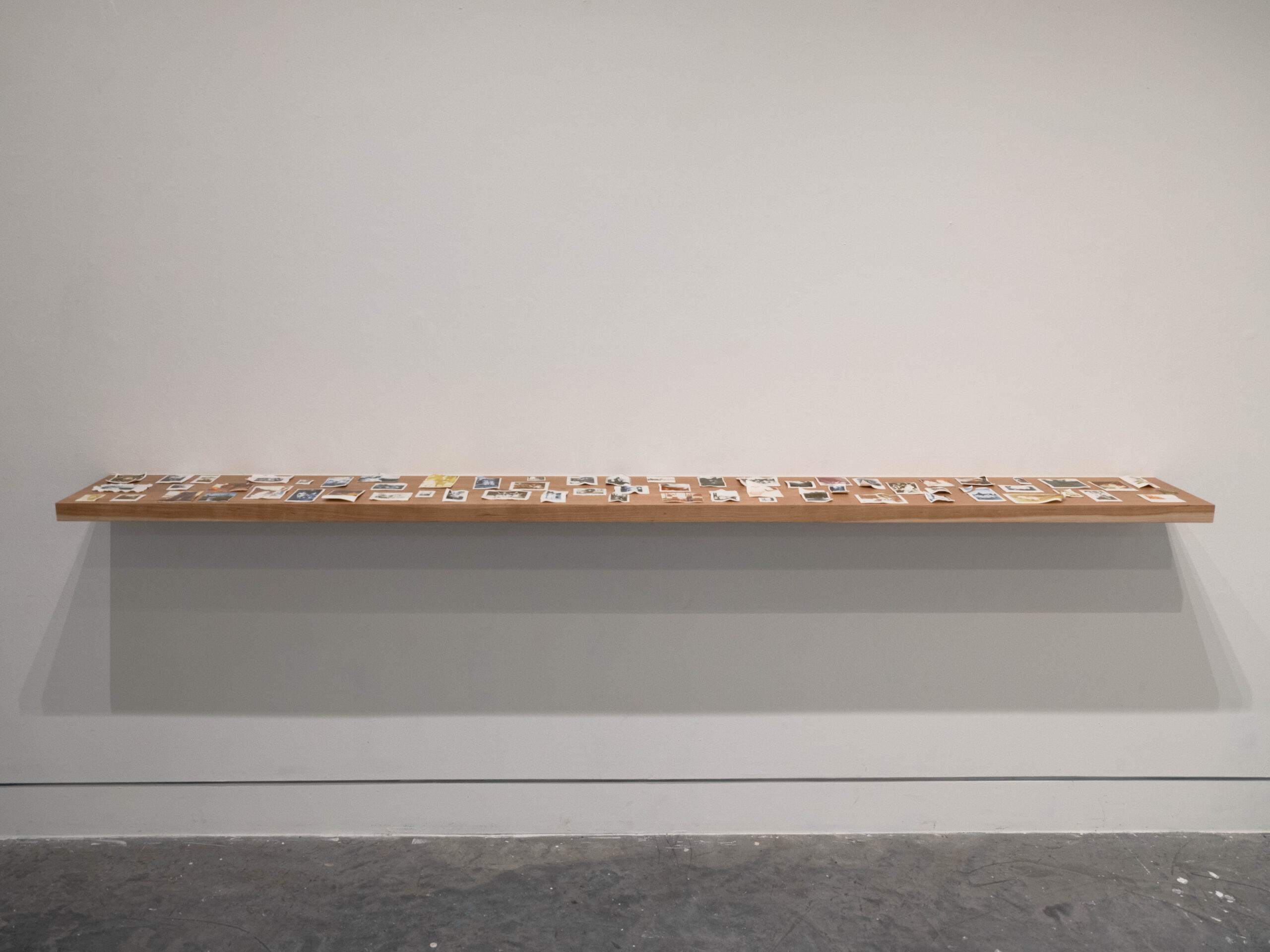
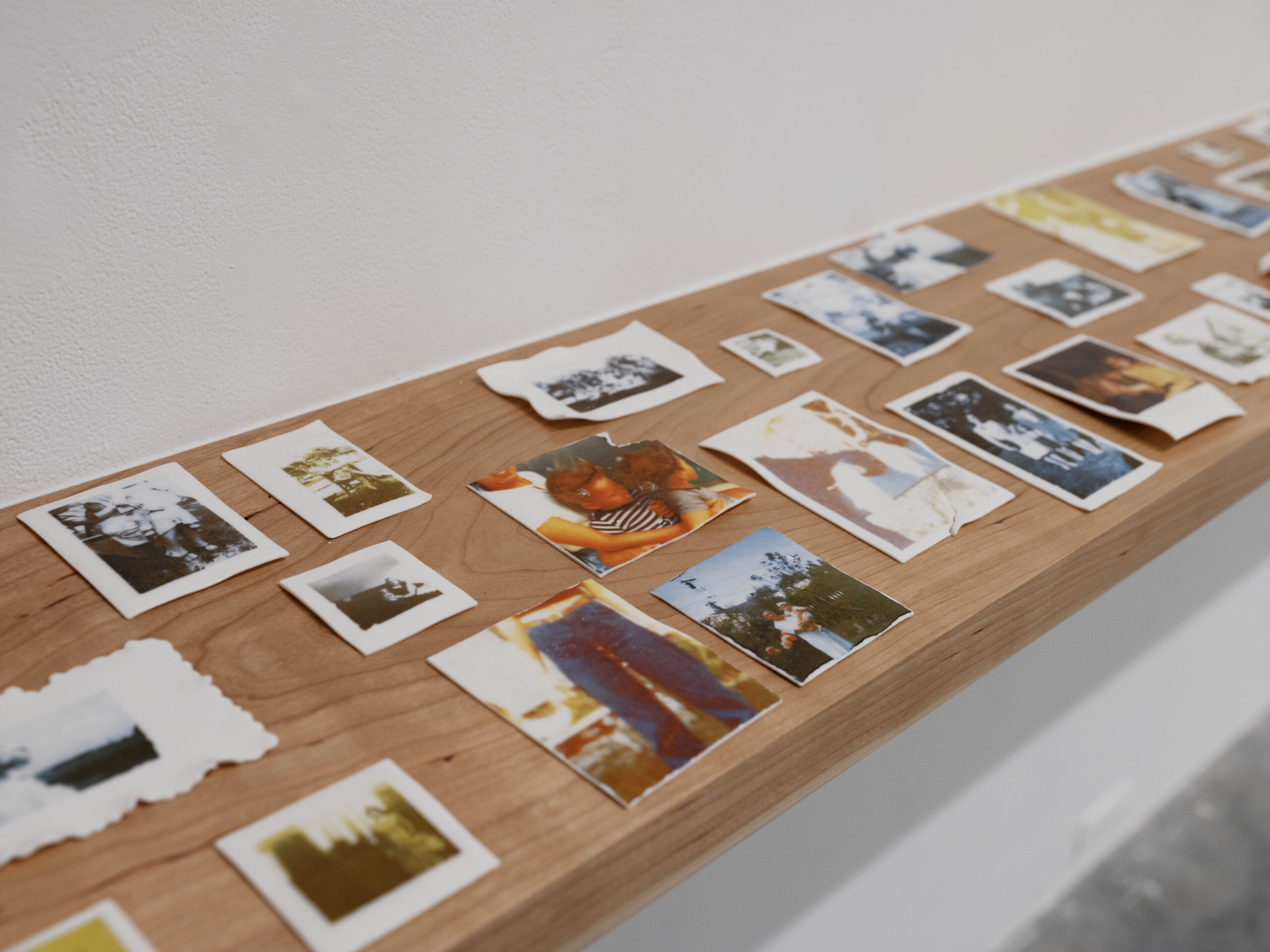
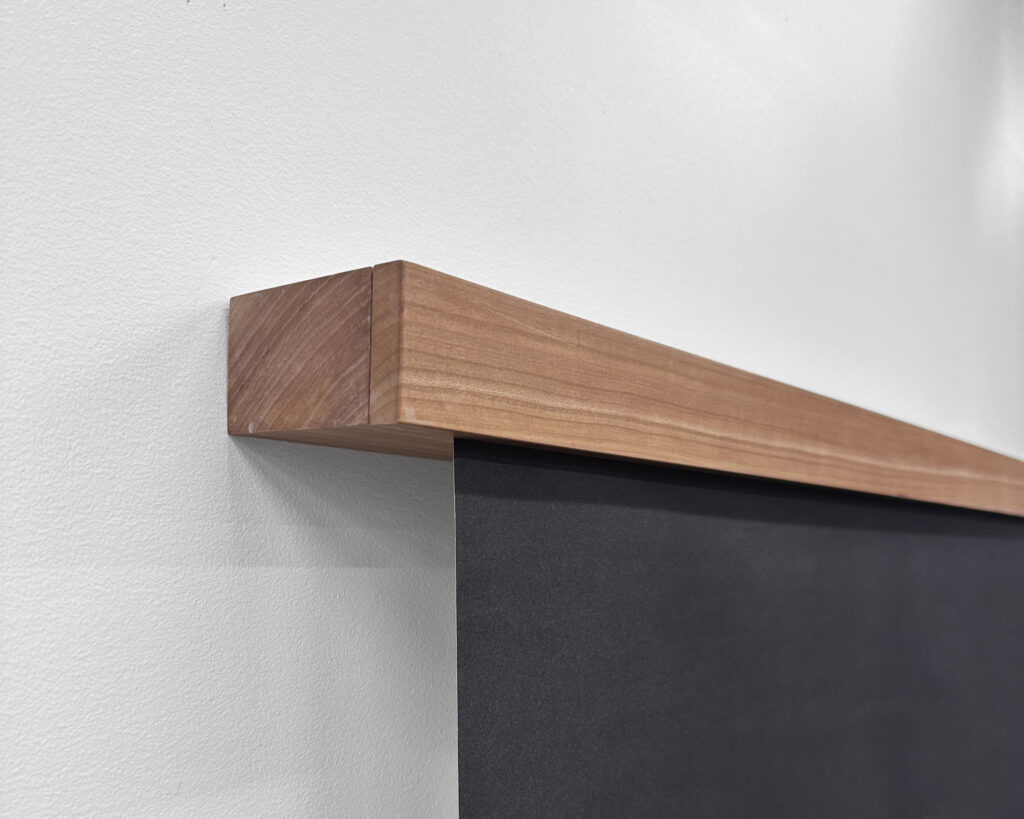
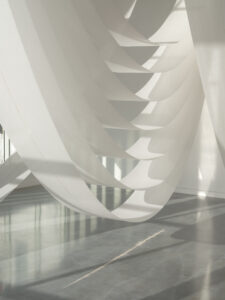
I was initially drawn to porcelain for its fragility, and my associations with domestic objects found in a kitchen armoire — untouched, protected, perhaps reserved for special occasions, as decorations holding memories, or as a family heirloom. Porcelain objects are typically cared for in a home, and I wanted to explore that association in relation to the found photographs I had been collecting — photos discarded, either bought at estate sales or given away to collectors from flea markets. Through the making of these porcelain photo-objects, I was struck by how my personal conception of memory, shaped by experiences of illness and loss, as well as the fear of forgetting, had created a strong attachment to strangers’ stories that are embedded in these object-photographs. The materiality of porcelain becomes a symbol of care—valuing both the discarded images and the embraces they depict.
mère-fille
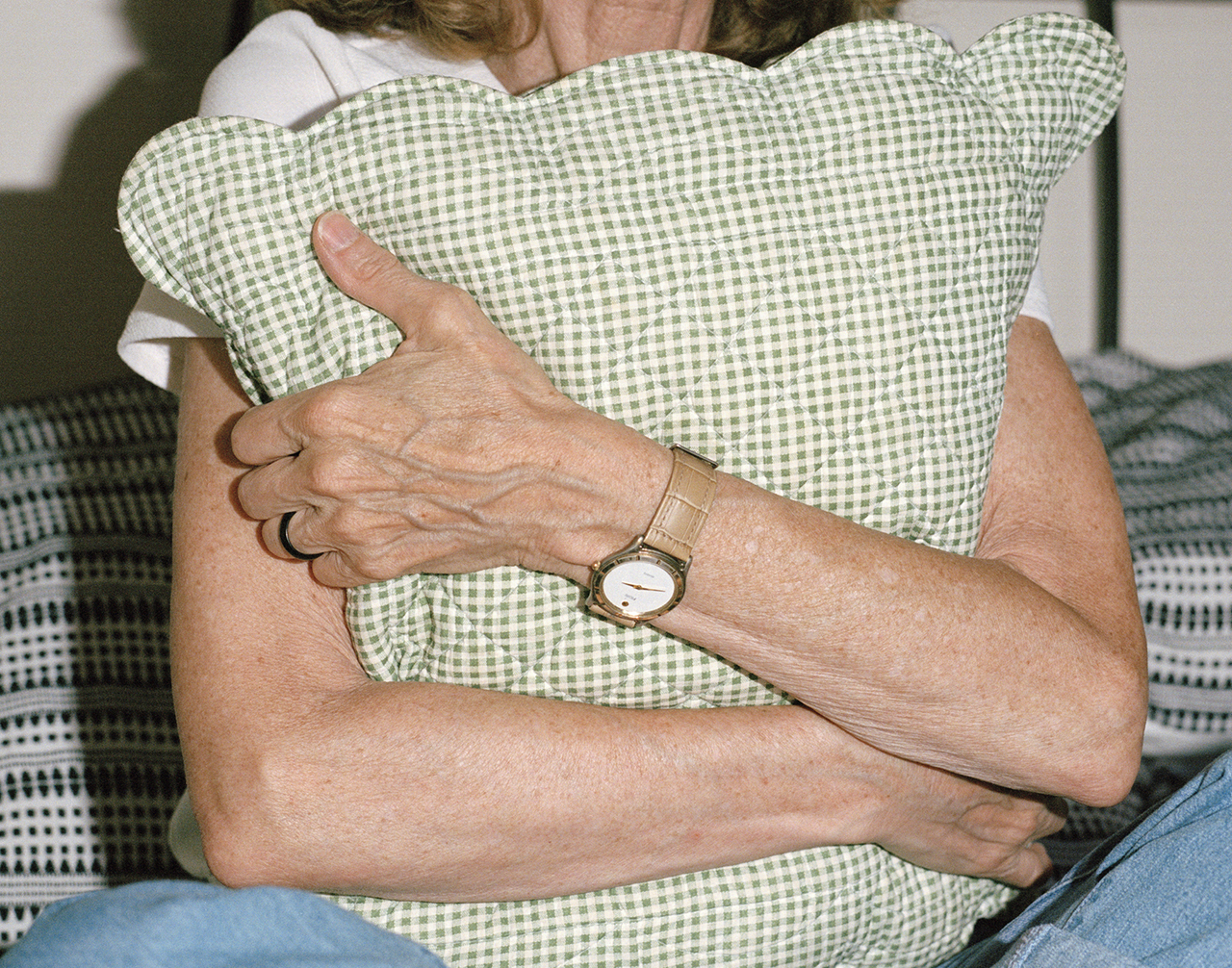
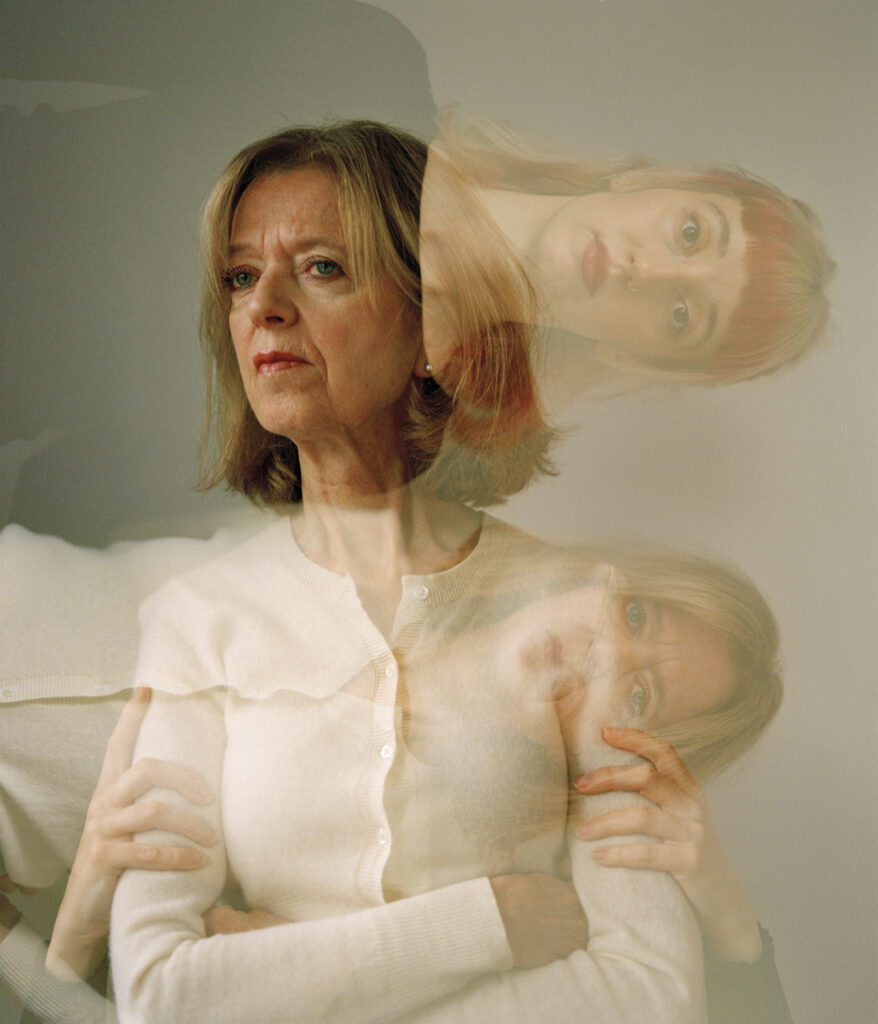
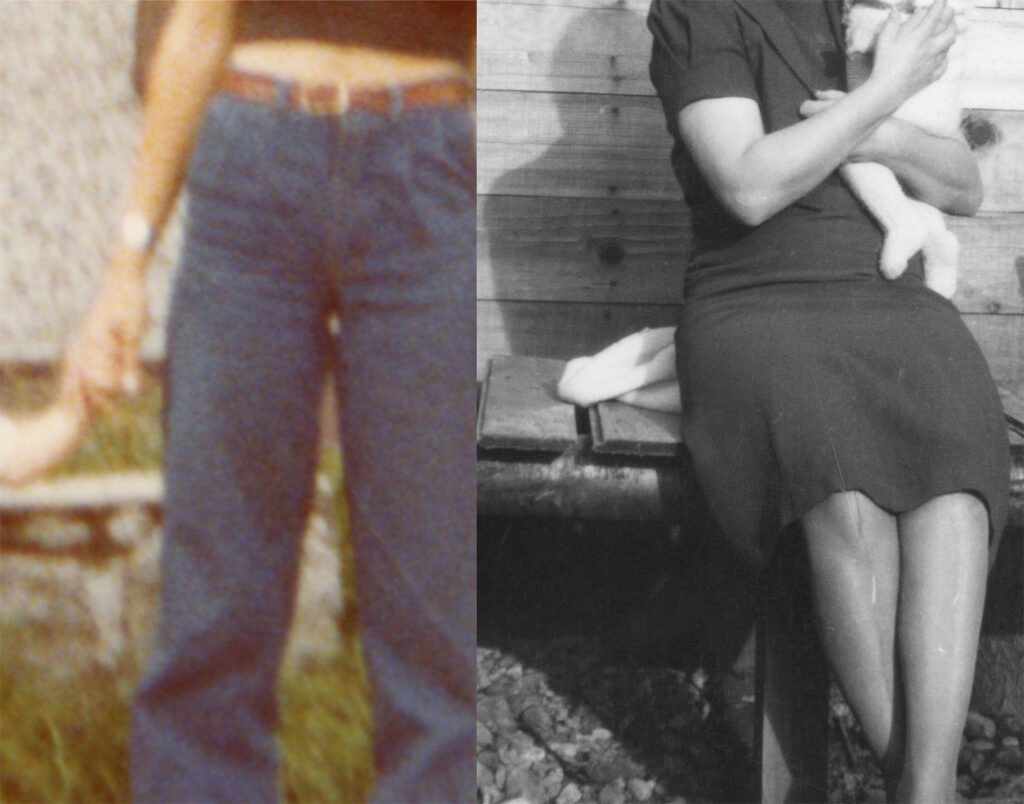

The embrace rapidly became a central symbol to the thesis project, as I considered how emotions and tensions are carried, both mentally and physically, and how we take on the weight of others’ emotions. The concept of the embrace was explored through found archival photographs from the Vancouver Flea Market as well as photographs that I made with my mother. These anonymous archival objects bring their own historical context to my project and enter a dialogue with my personal narratives. I cropped some of the images as I observed the physical interactions depicted, focusing on stances that convey either affection, distance, or ambivalence. In turn they shaped and helped focus my own photographs. As Susan Sontag describes it, “[t]o collect photographs is to collect the world” (3). The themes of care, aging and mortality are shared human experiences that manifest in people’s lives very differently.
Process Documentation
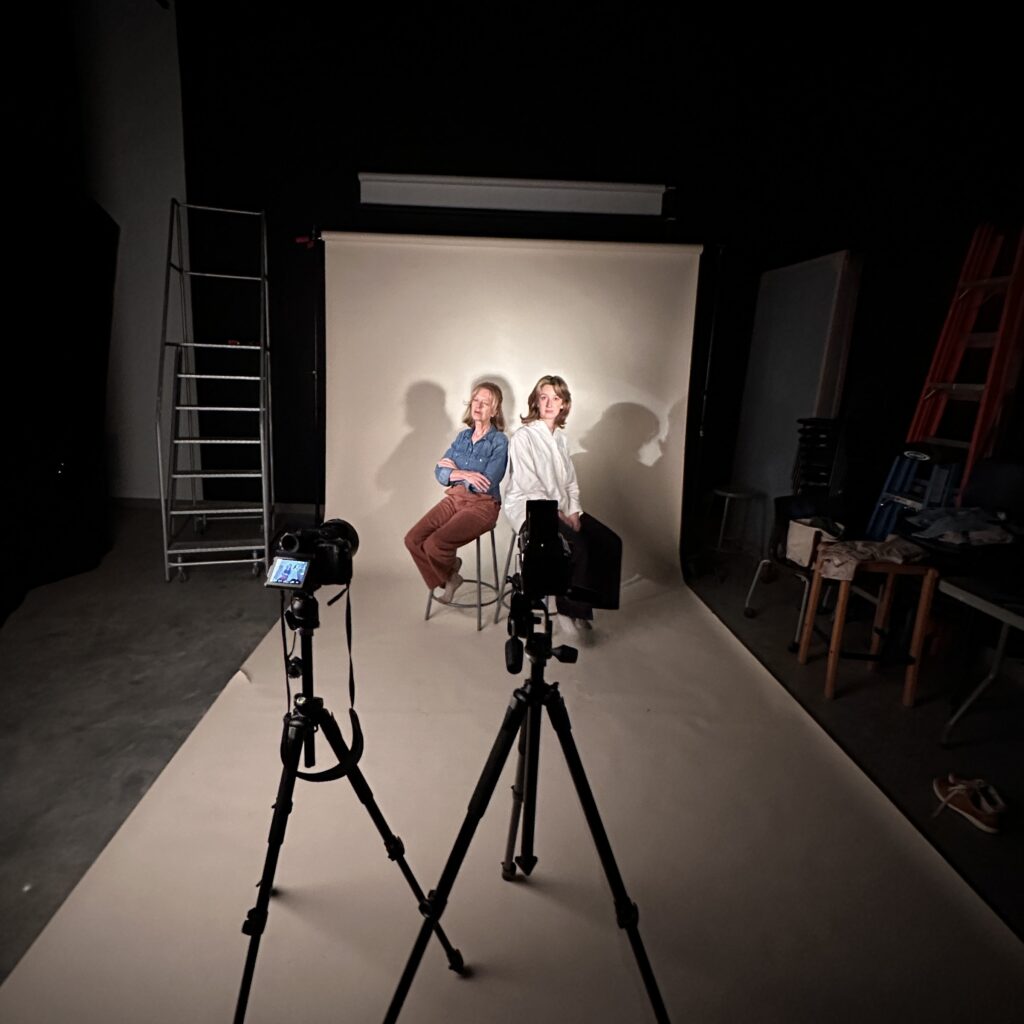
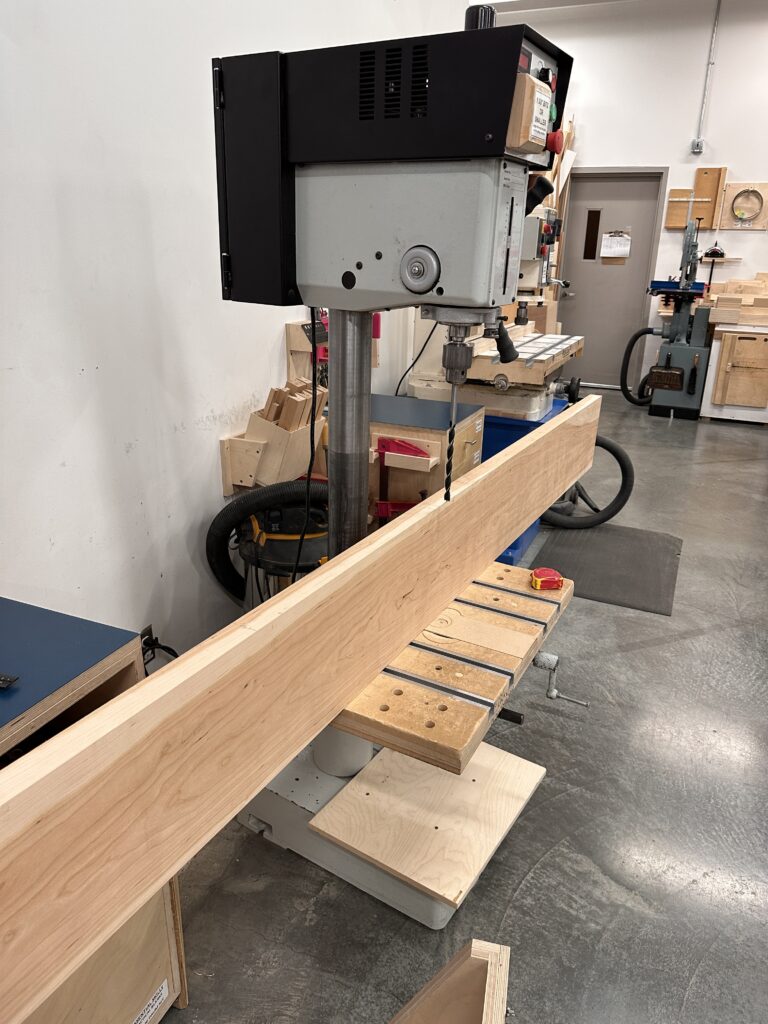
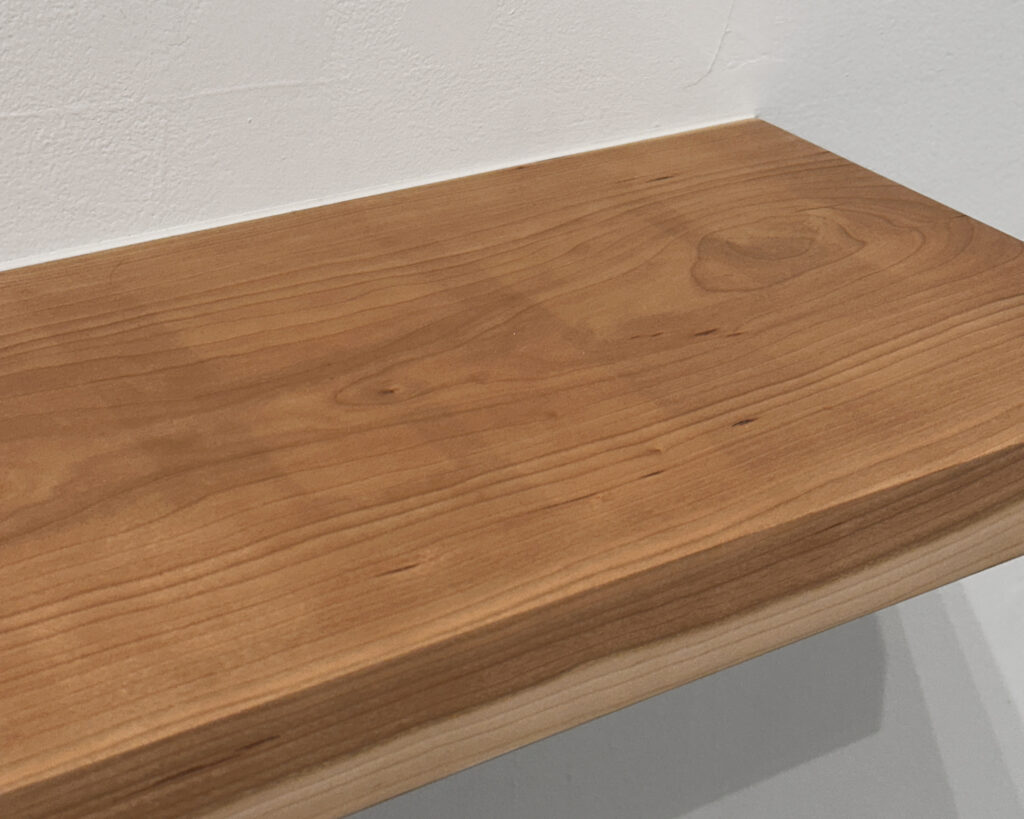
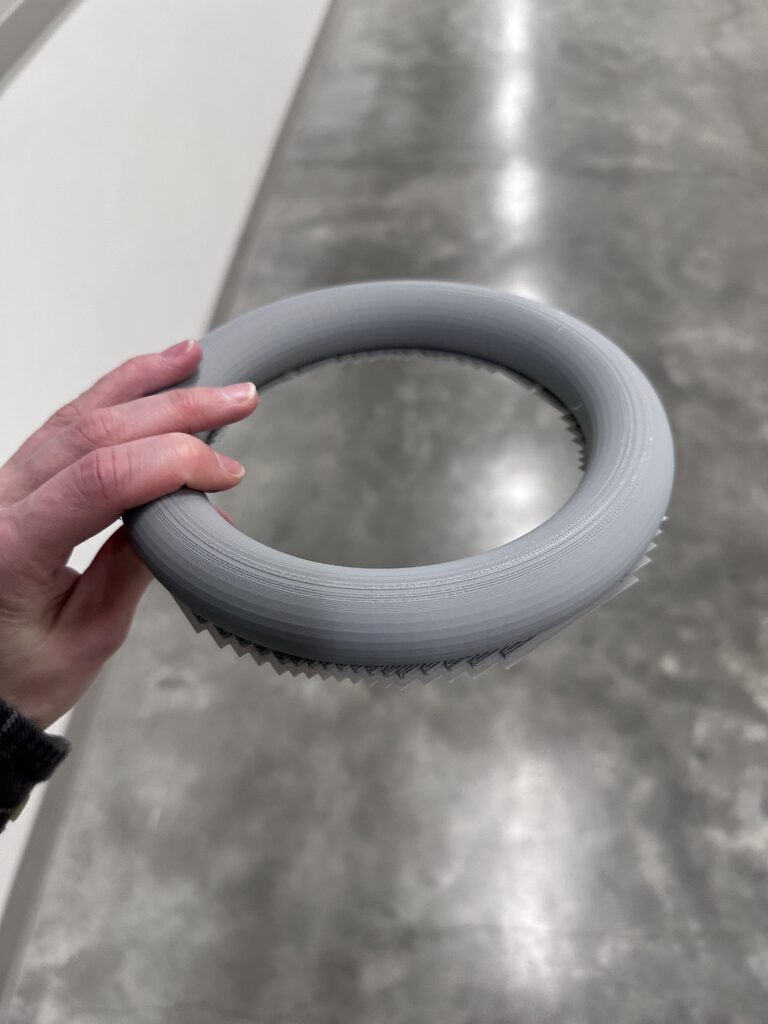
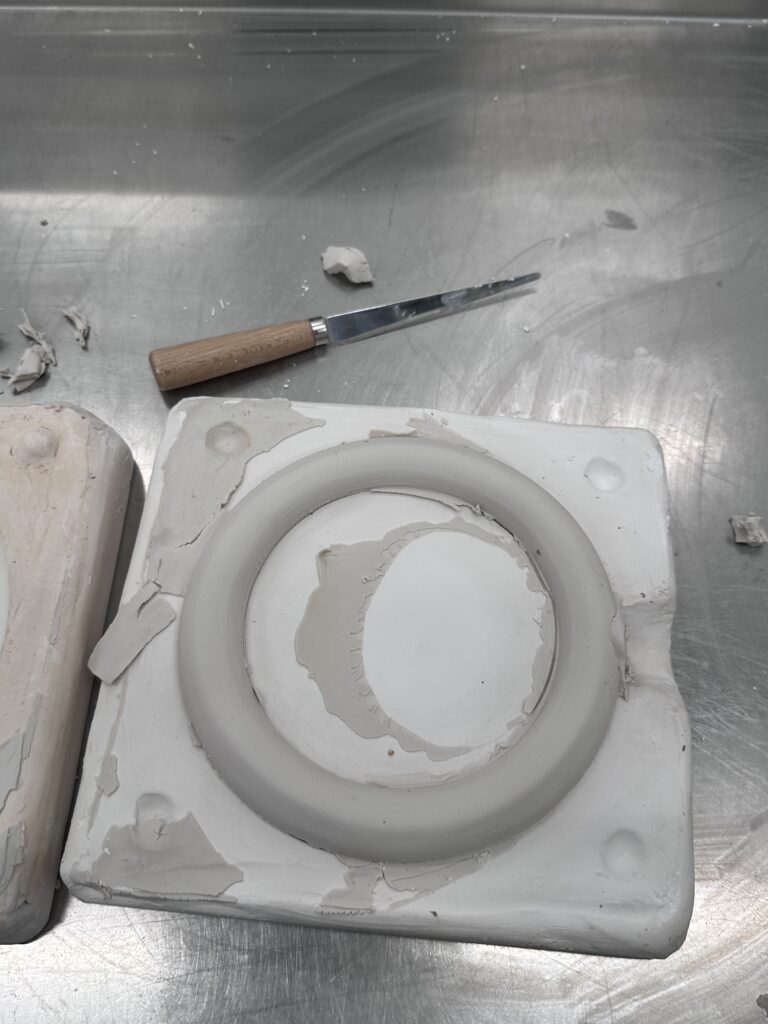
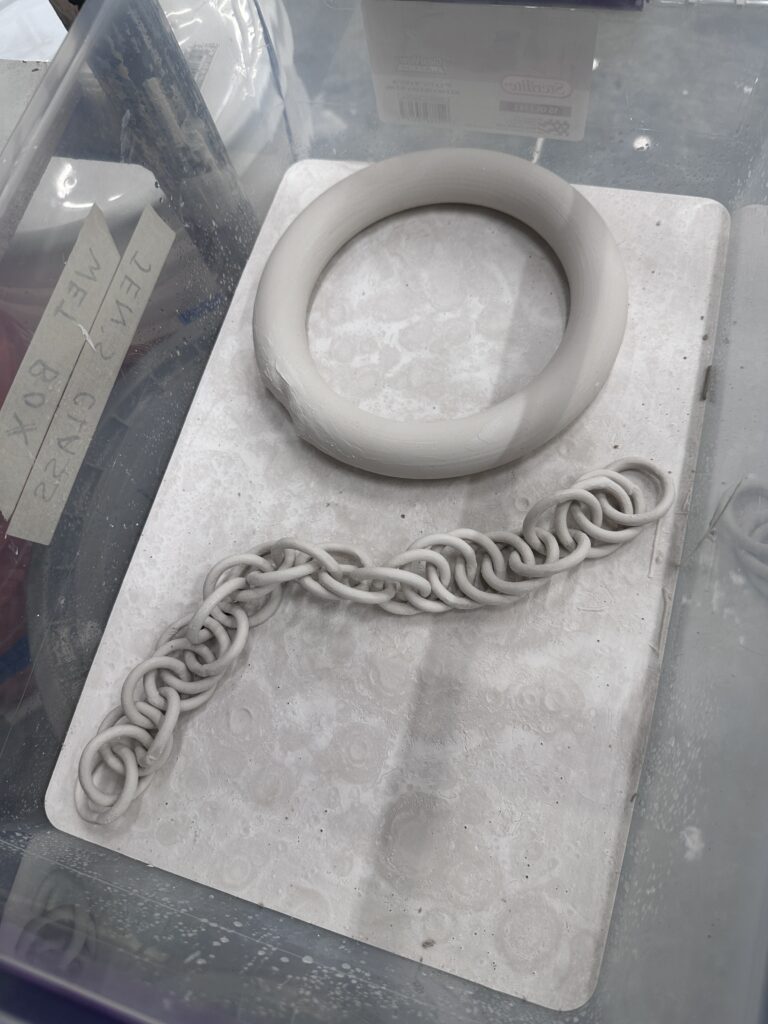
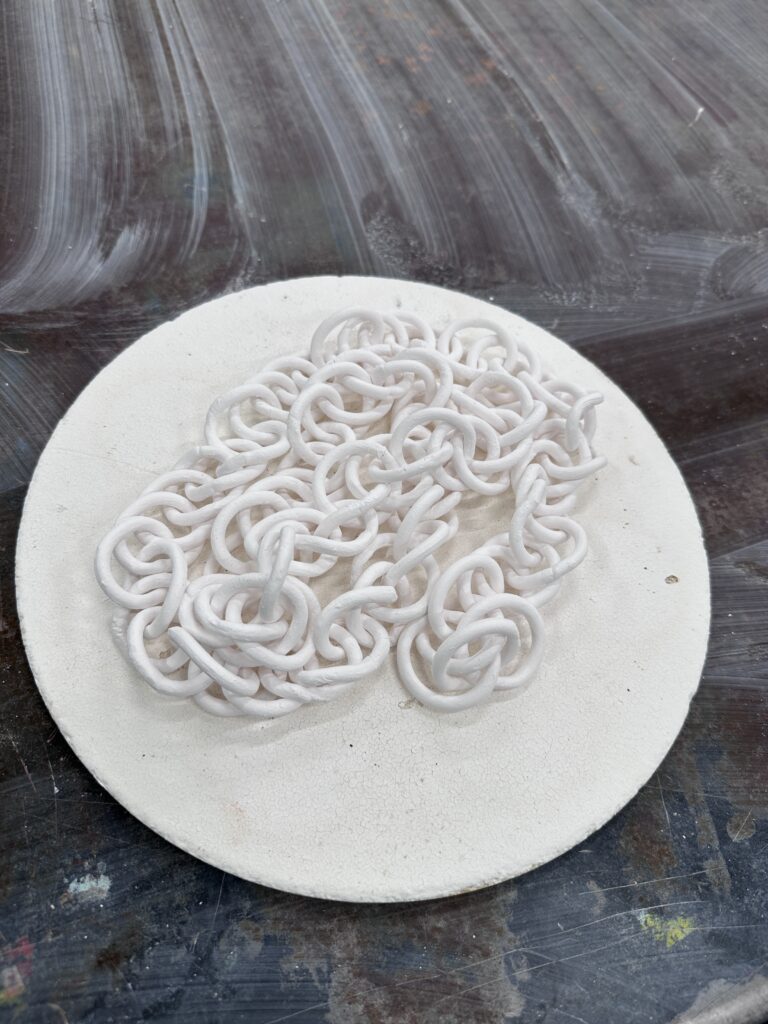
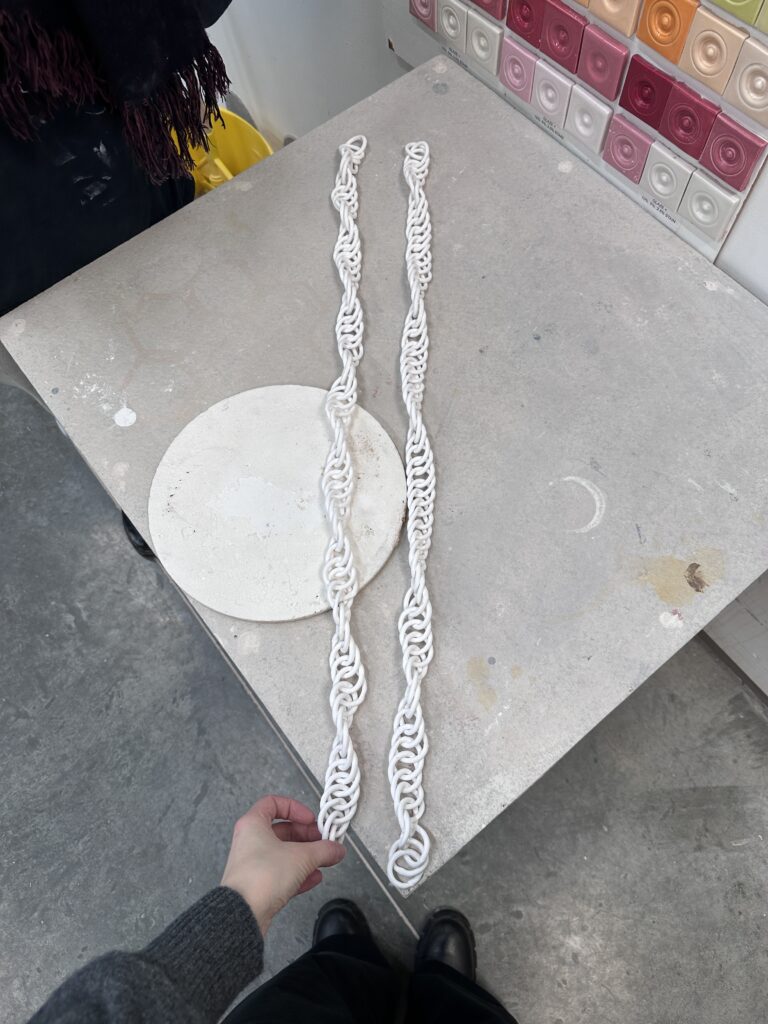
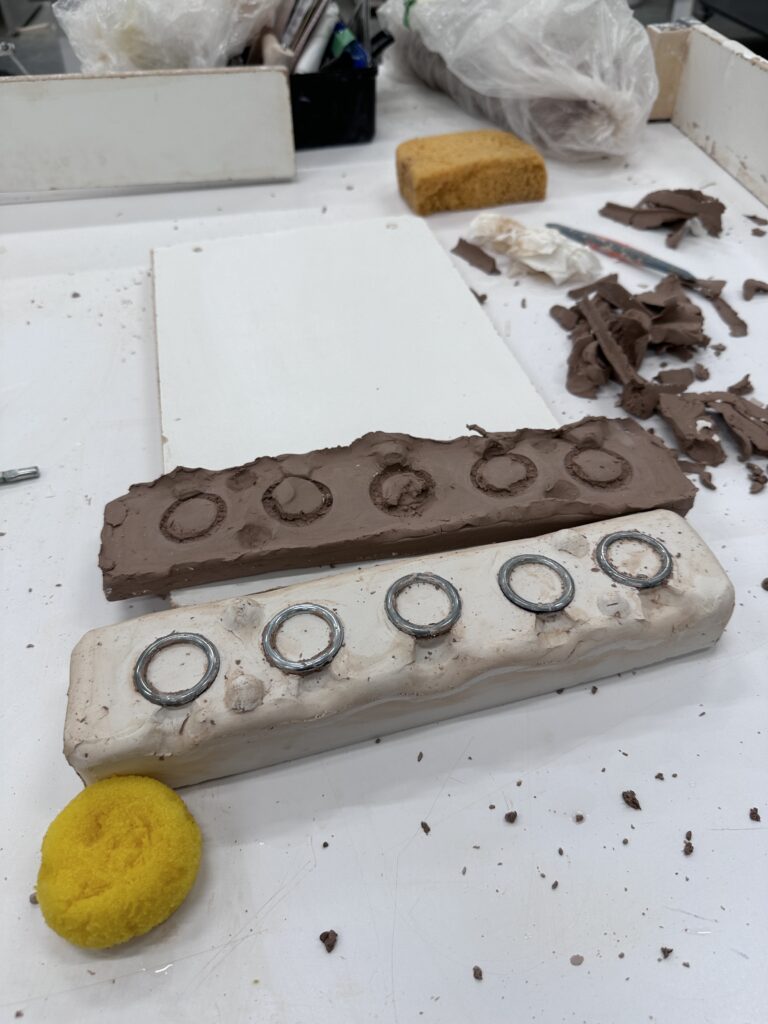
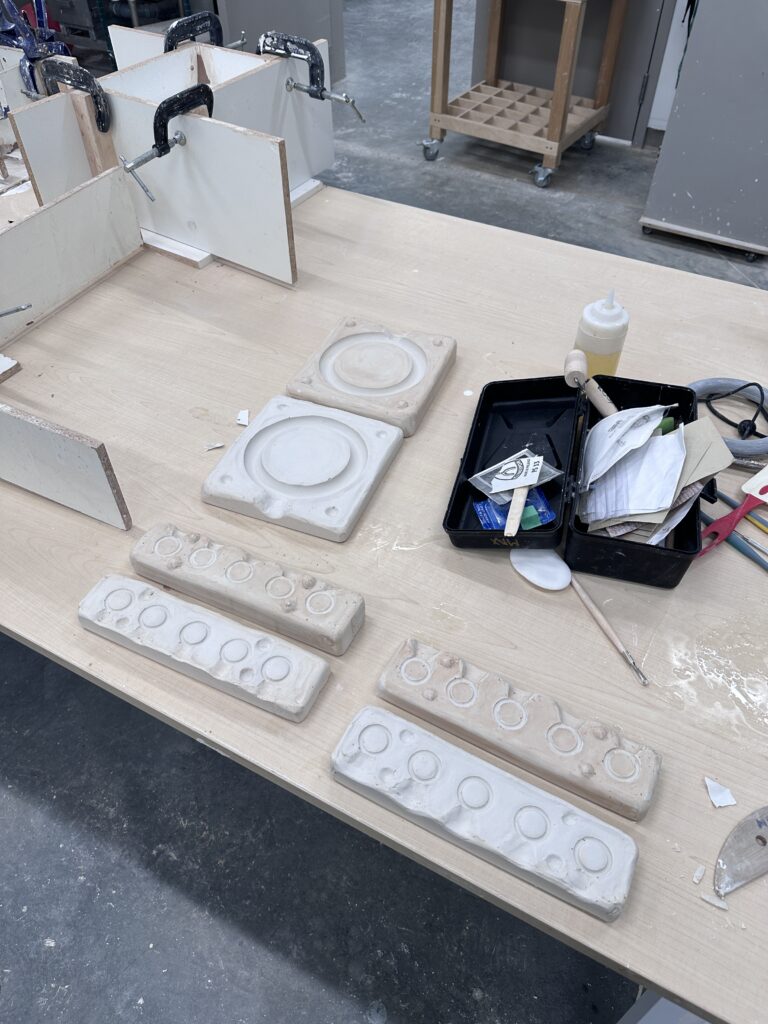
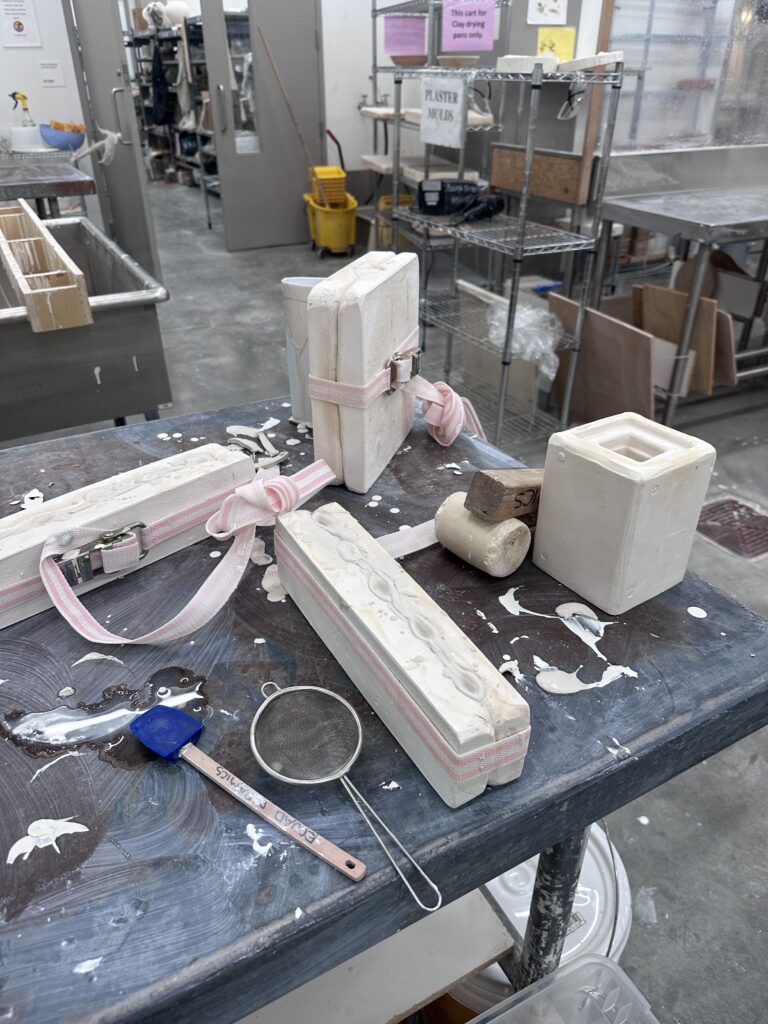
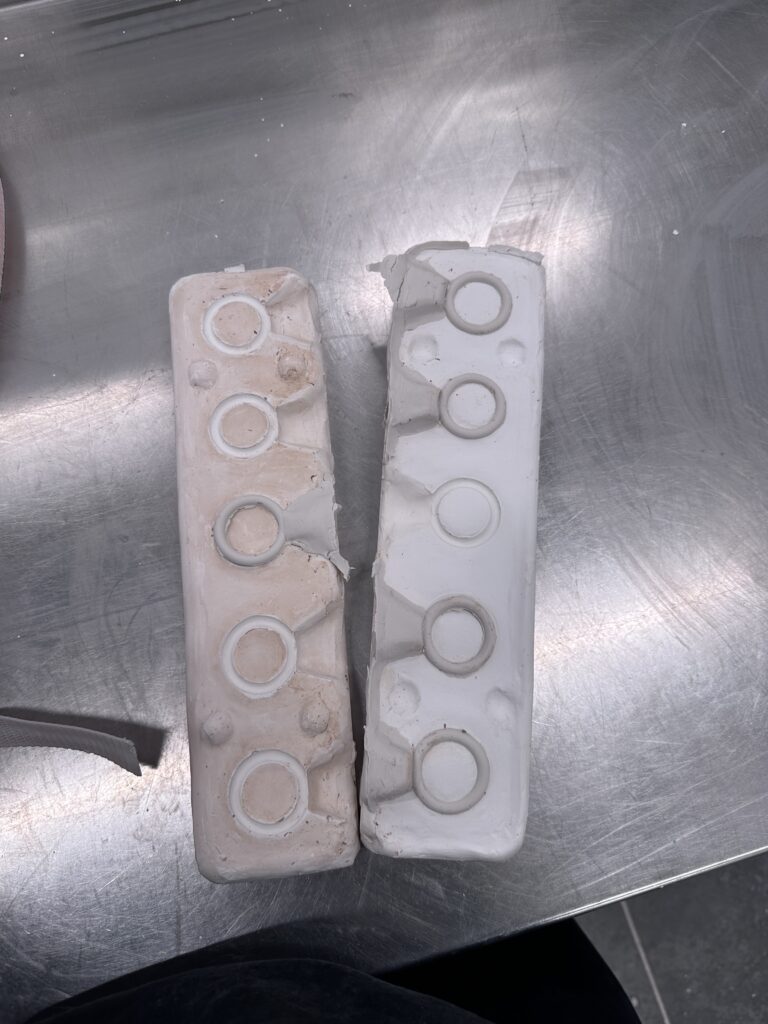
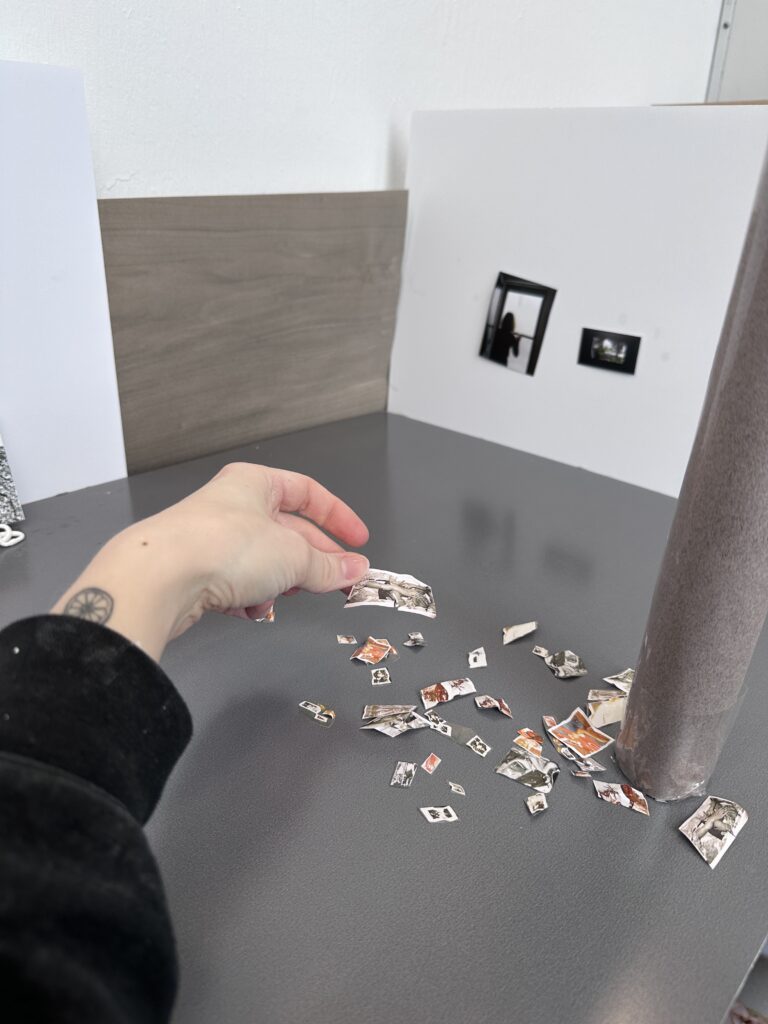
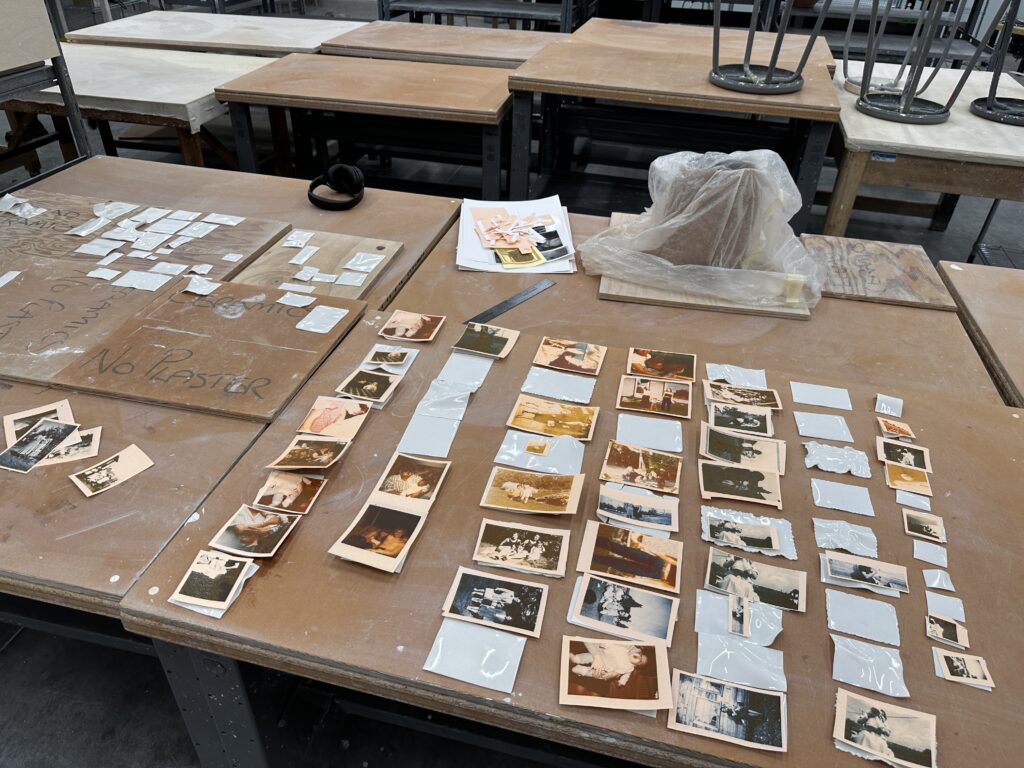
mère-fille: an archive of care is not about capturing a specific moment, but rather about the experience of making the project itself—a process that acts as an intervention in our lives, an expression of care inviting us to discover what it means to care for one another. The relational dynamics of our connection are explored through conversation and the act of photography itself. Through the making process we are adapting to our evolving roles, while contemplating this fear that resonates with so many of us. I am interested in what it means to work through the fear of aging and death with the person we care most about in this world.
Works Cited :
Parlato, Ahndraya. Who Changed and who is Dead. MACK, 2021.
Sontag, Susan. On Photography. 1st American ed., Picador, 2001.