Gone With The Grid
Eduardo V Wahba
See it On Campus: Level 2
Even stories behind the grid, deserve to be told.
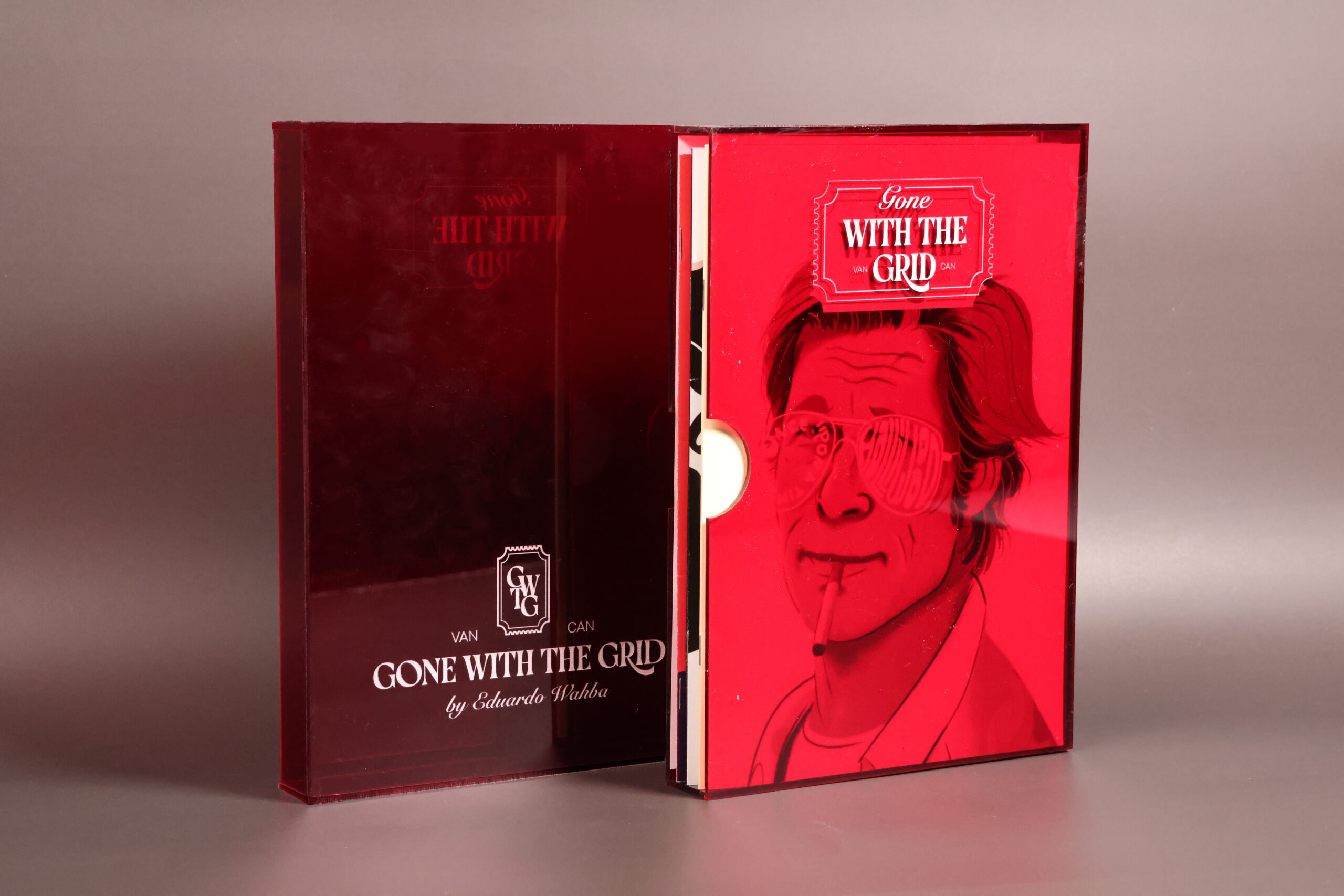
This project explores the often-overlooked role of graphic design in film through a series of collectible zines, each dedicated to a single movie. Blending critical writing, illustrations, curated visuals, and editorial design, the series highlights how graphic elements—such as signage, typography, interfaces, and printed ephemera—shape storytelling, establish mood, and deepen audience immersion. By spotlighting these details, the project invites both design enthusiasts and general viewers to re-watch their favourite films through an editorial lens—one that celebrates graphic design as a vital, intentional, and cinematic storytelling tool.
[deliverables]
9 PUBLICATIONS
1 SLIP CASE
[role]
ART DIRECTOR
WRITER
[duration]
8 MONTHS
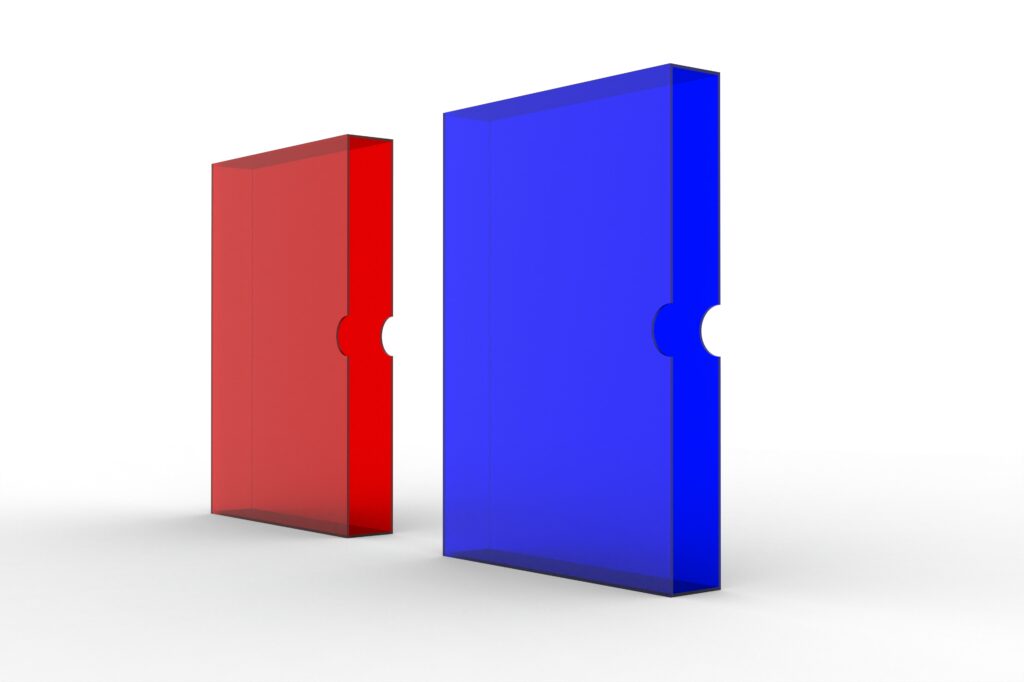
While cinematography, costume design, and direction are widely discussed in film analysis, graphic design remains largely unacknowledged despite its critical role in shaping a film’s visual language. This project emerged from a personal practice that involved illustrating and annotating scenes where design played a key storytelling role. Over time, this practice evolved into a structured investigation that merges academic research, creative writing and artistic expression. The need for this work lies in the gap between design education and cinematic literacy—two areas that rarely overlap in formal discourse. By translating this research into a tactile, narrative-driven format, the project aims to give form to something that is often invisible: the language of design within the language of film.
At the heart of the project is a belief that design is not just decorative—it’s narrative. Every design decision within the zines is made with intention, responding directly to the mood, genre, and aesthetic of the film it represents. There is a sense of play and curiosity driving the entire process, from the selection of scenes to the translation of cinematic moments into printed form. It is fuelled by a desire to slow down and study the details.
This project began with a fascination for the often-overlooked role of graphic design in film and a desire to explore how it shapes what we see—and feel—on screen. What unfolded was a deep dive into cinema’s visual language, filtered through the lens of publication design. Along the way, there were unexpected challenges: finding the balance between analysis and creativity, adapting visual styles without losing cohesion, and keeping pace with an ambitious timeline. Still, the intention remained clear—to spotlight how typography, layout, signage, and other graphic elements quietly but powerfully contribute to storytelling. Each zine stands as a love letter to a film, designed to capture its tone, rhythm, and mood through print. Together, they form a collectible series that invites readers to rewatch movies with new eyes, and to recognize graphic design as a vital, cinematic force.