A Seat at the Table
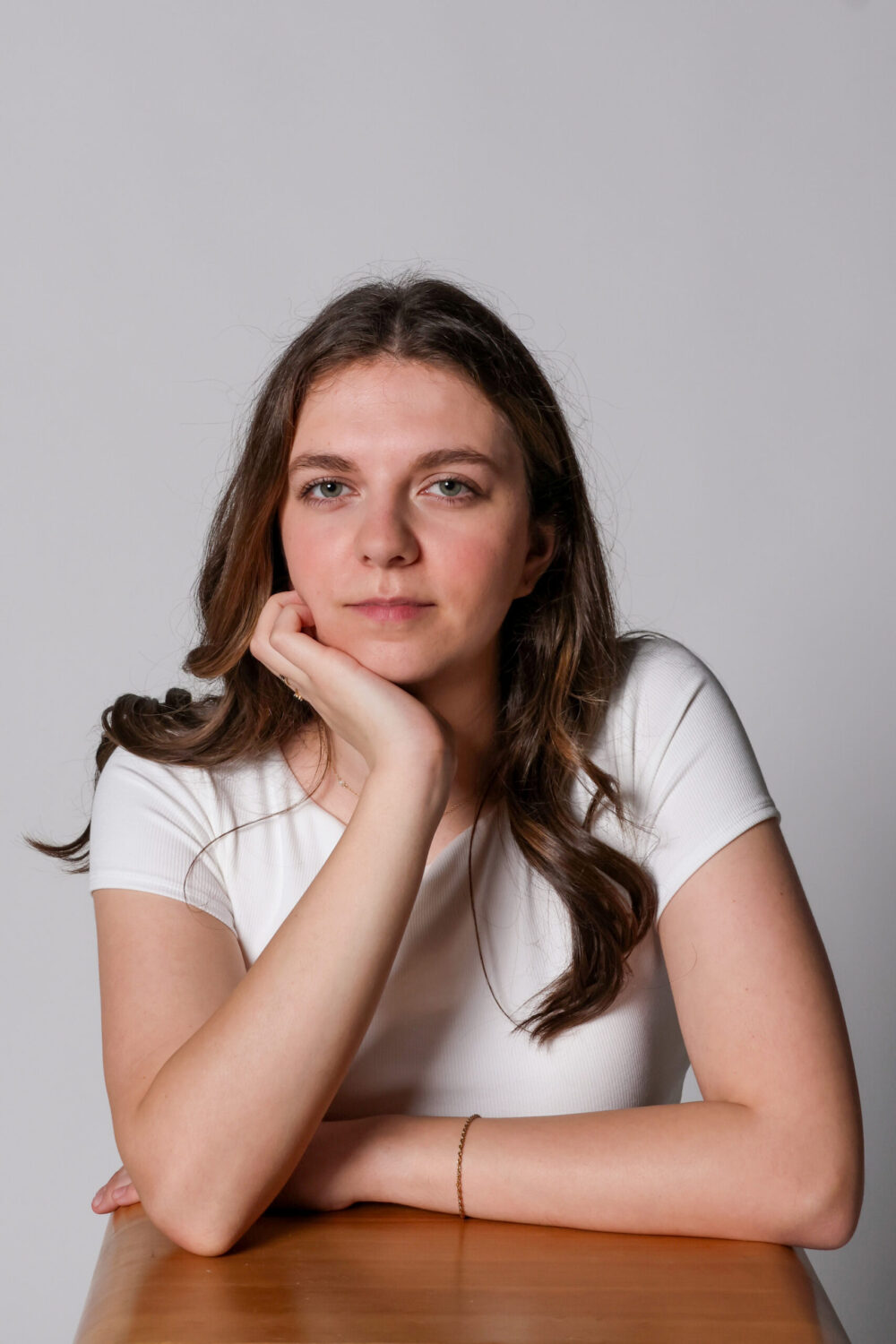
Laura Ayres
See it On Campus: Level 1
Artist Statement
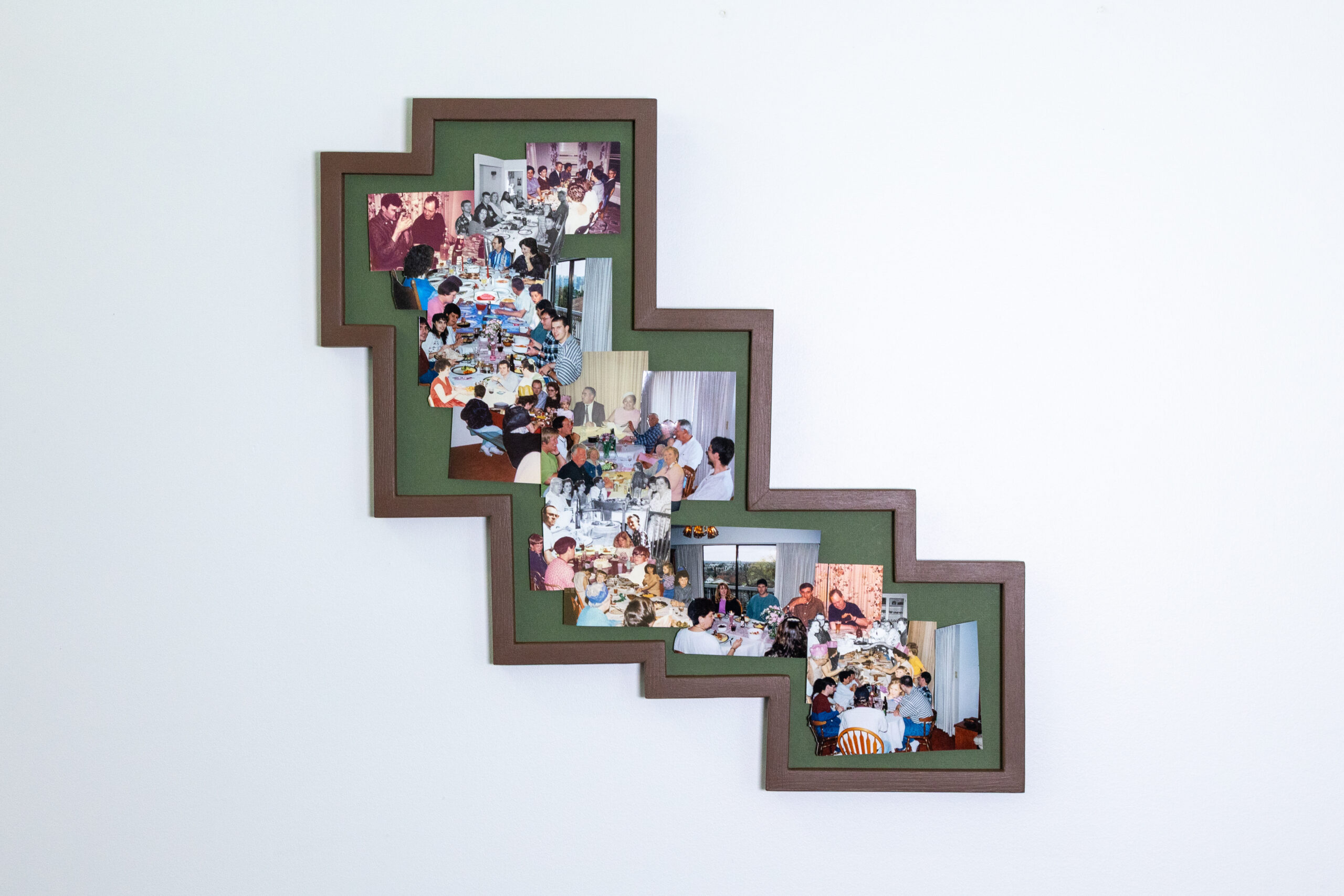
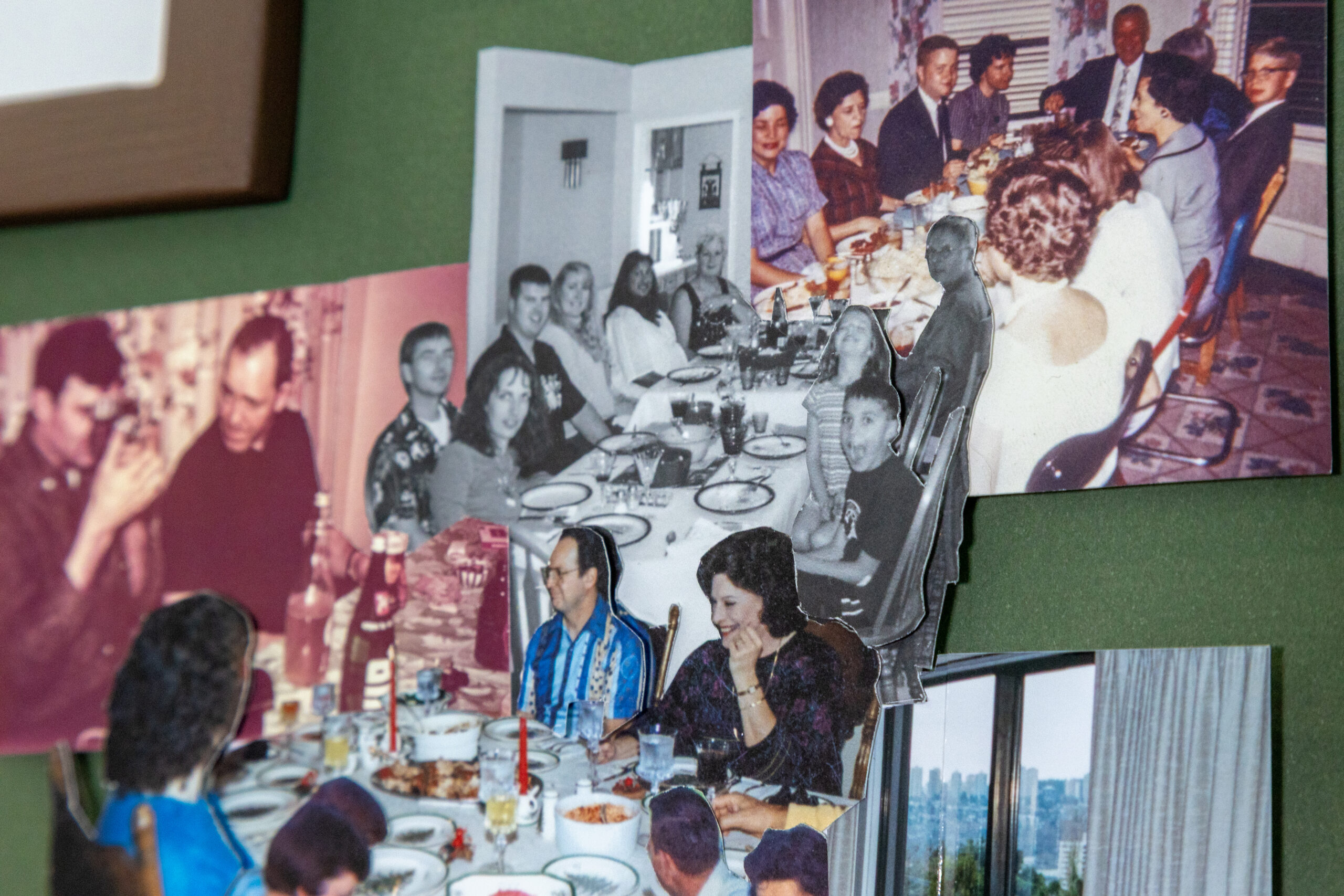
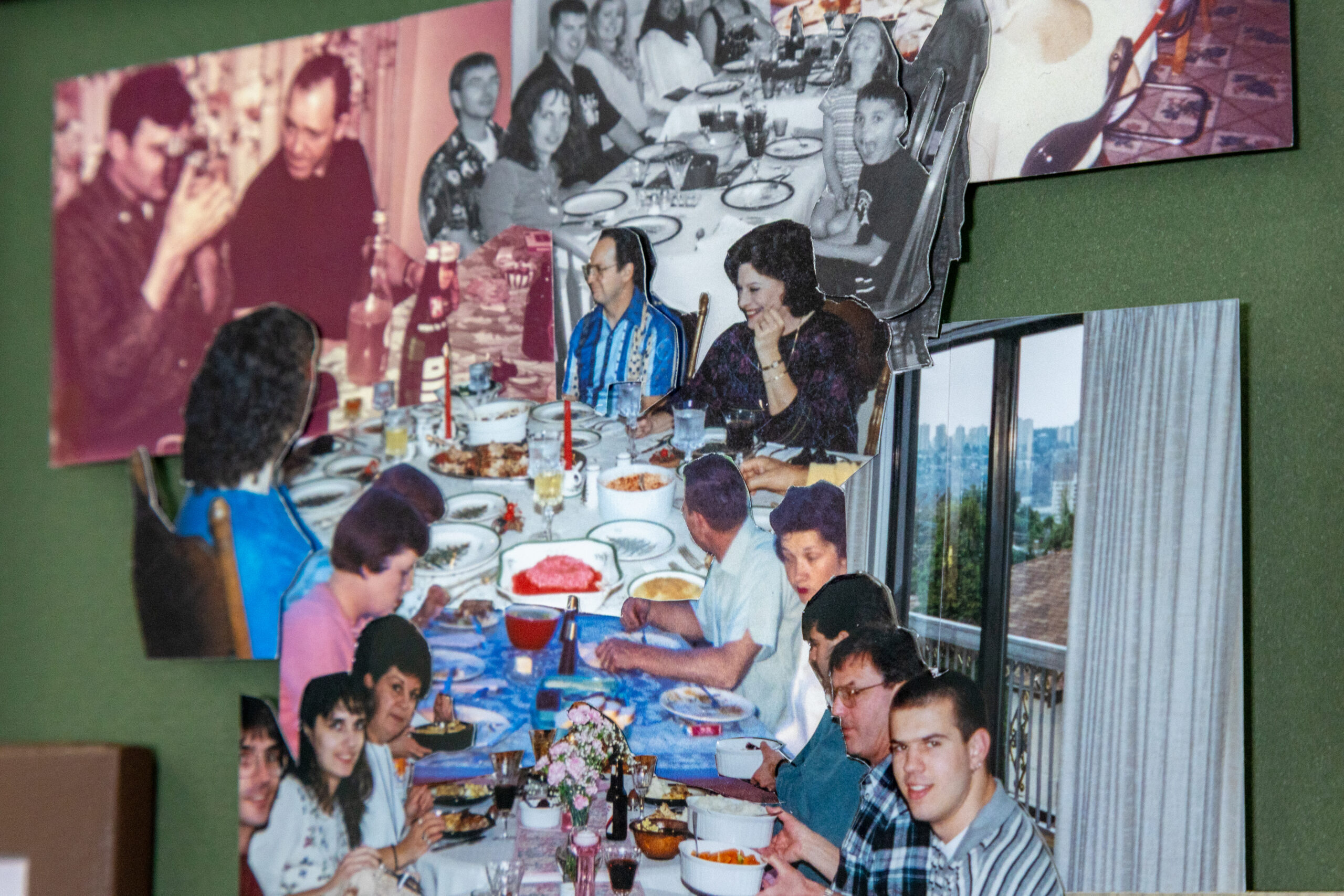
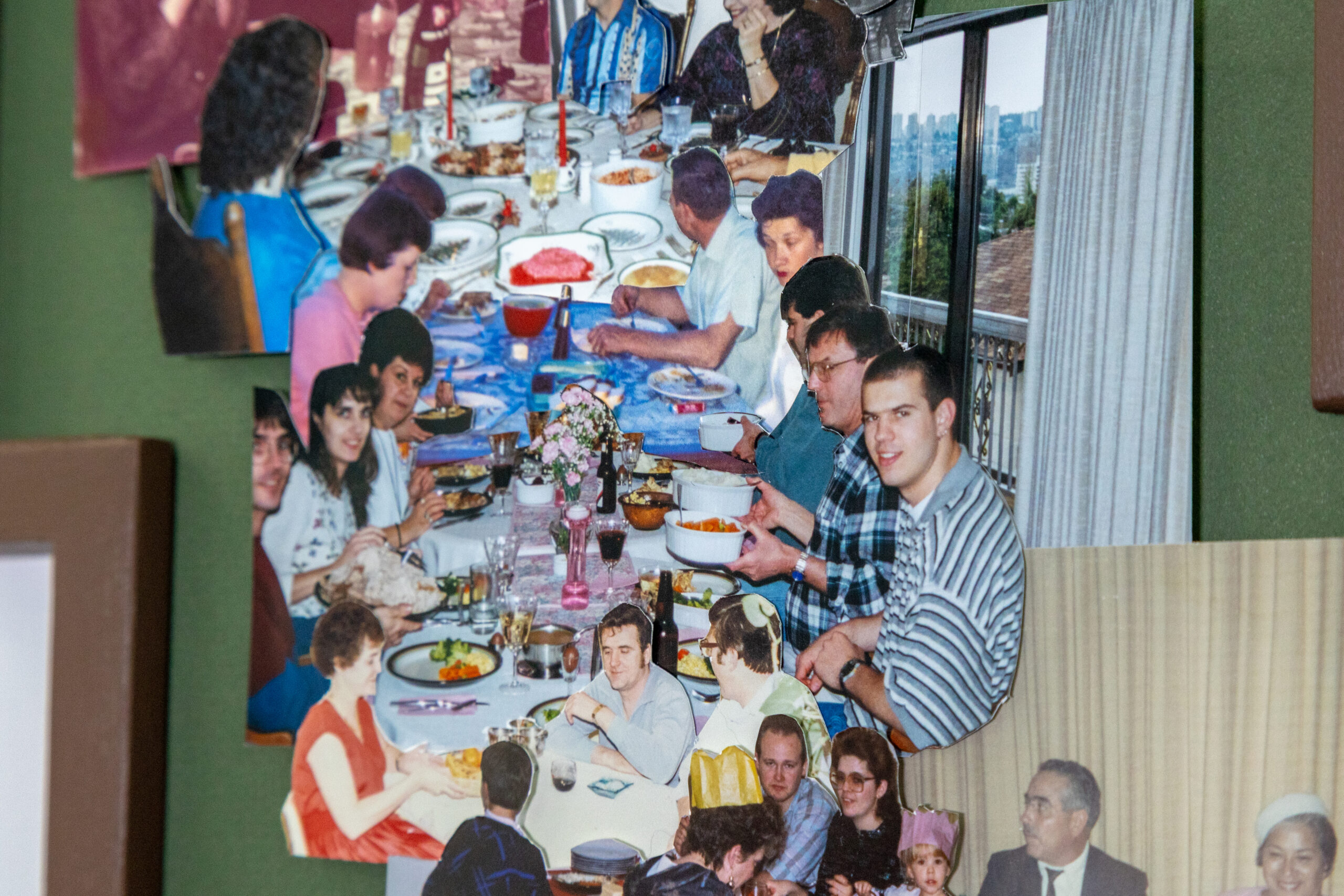
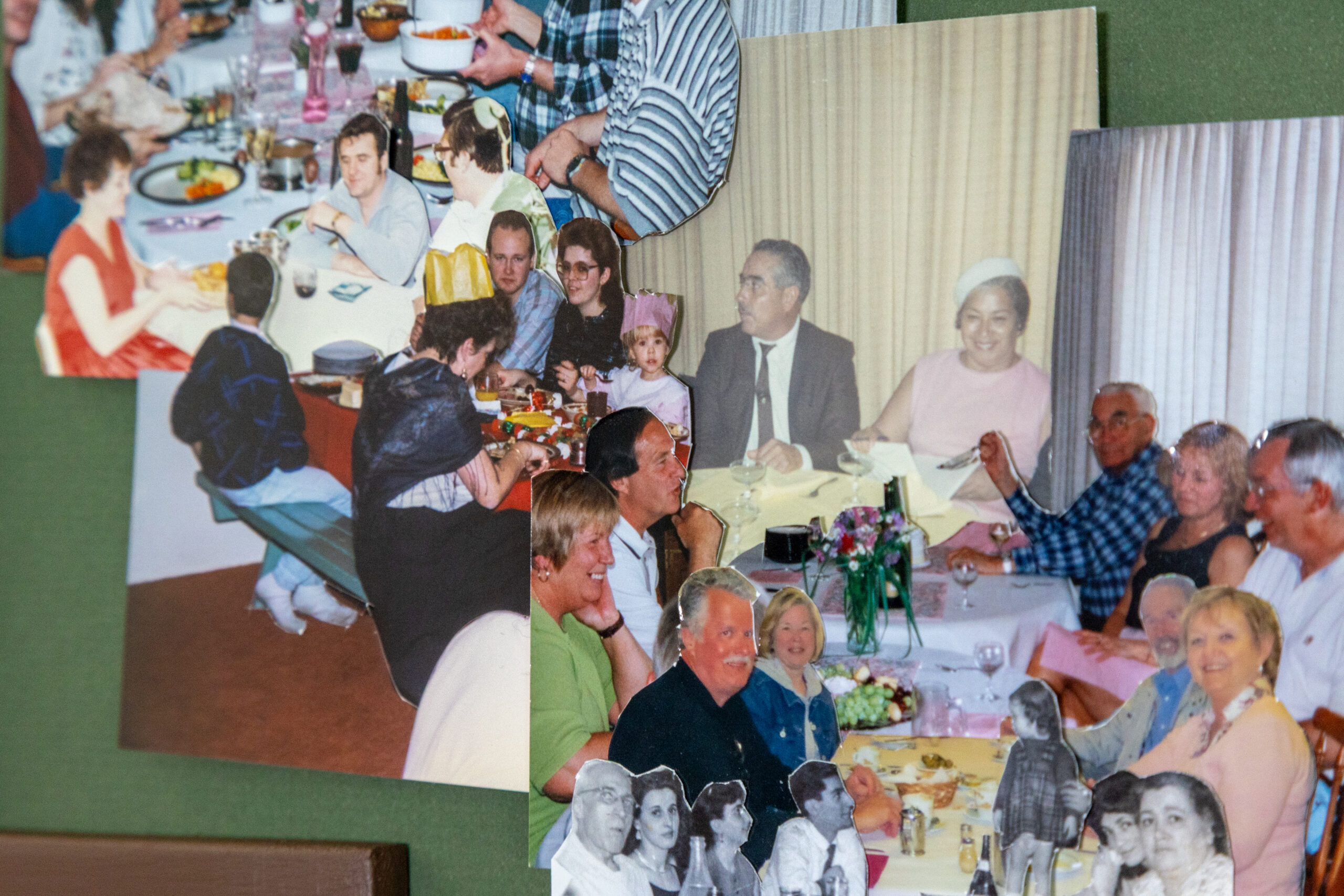
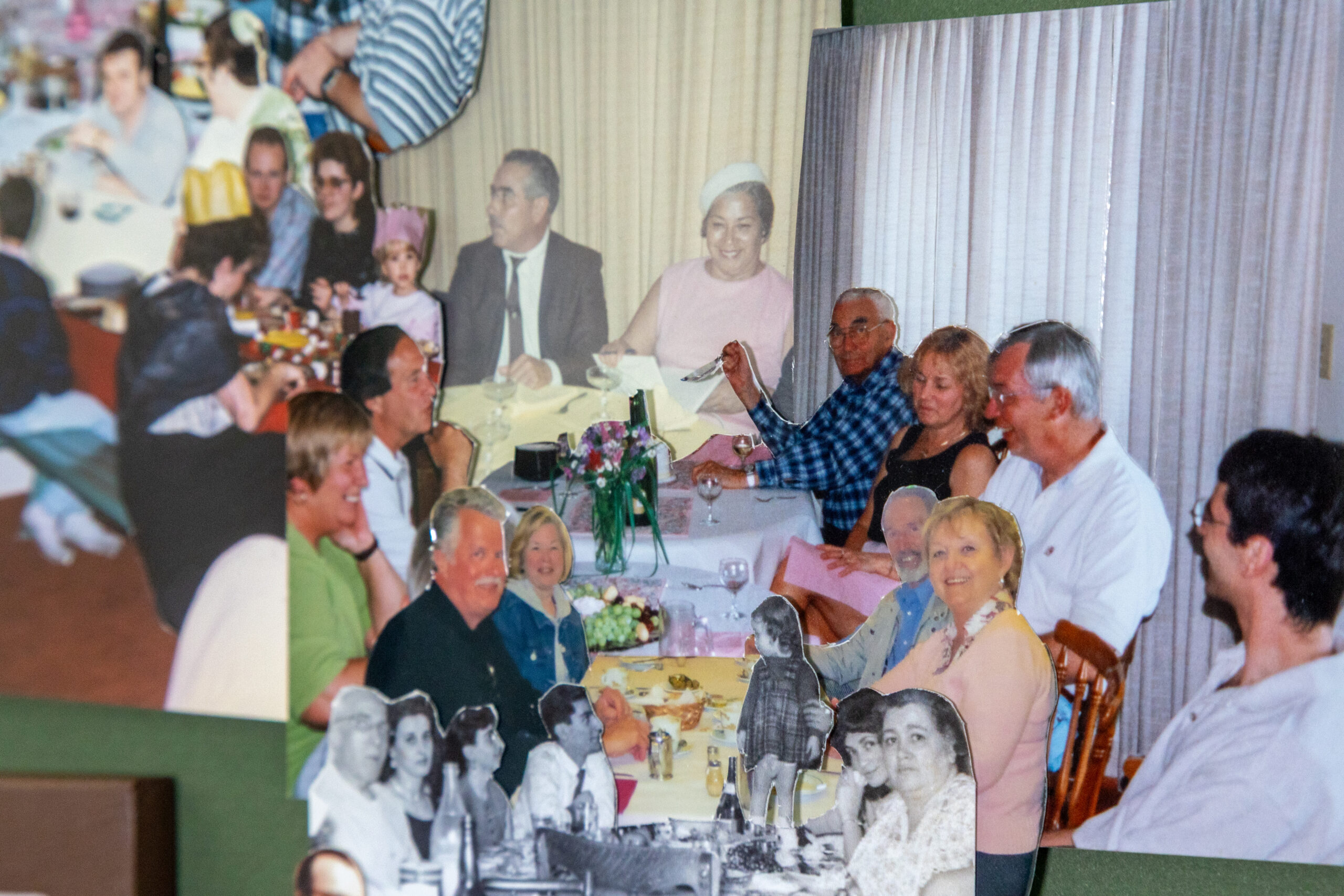
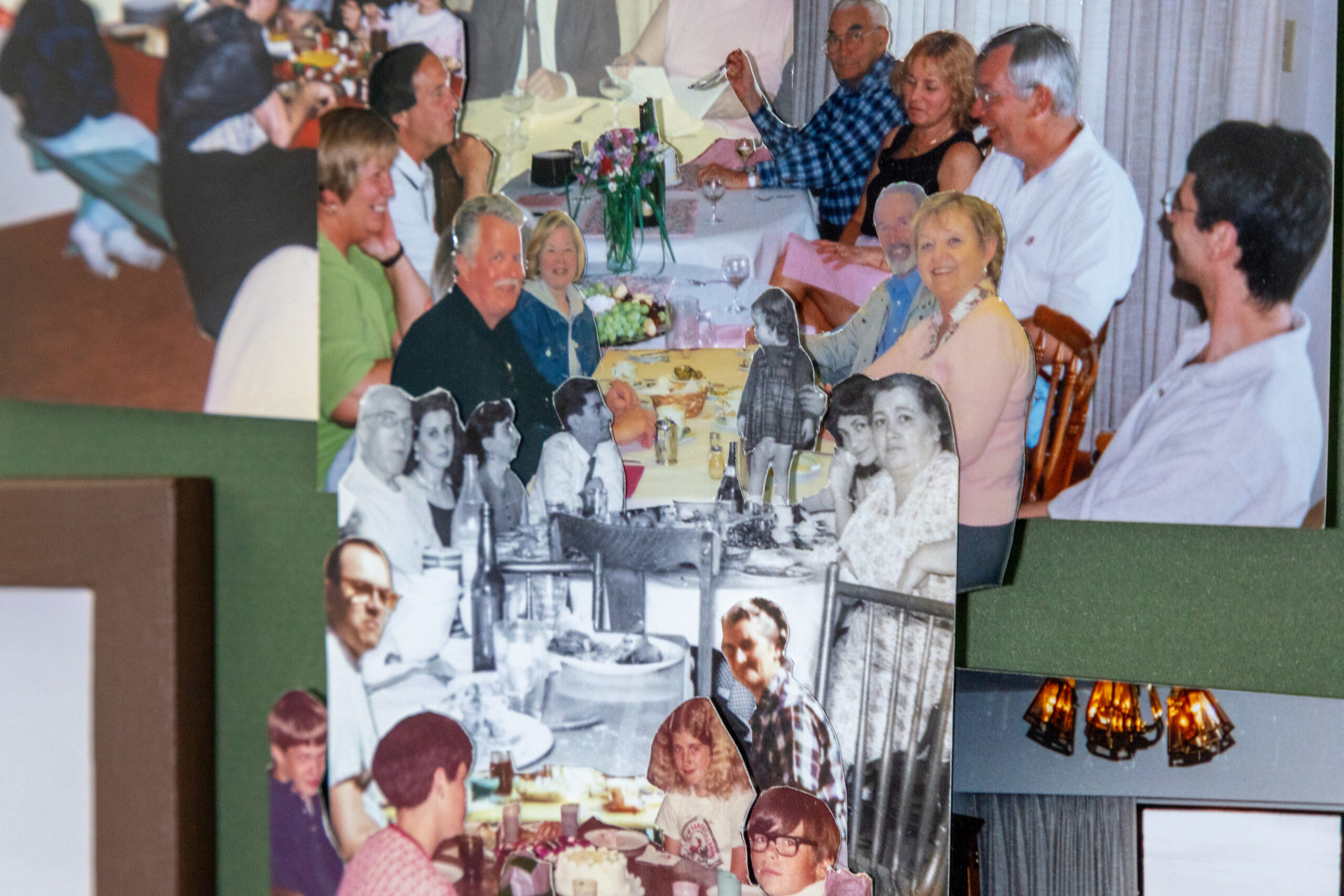
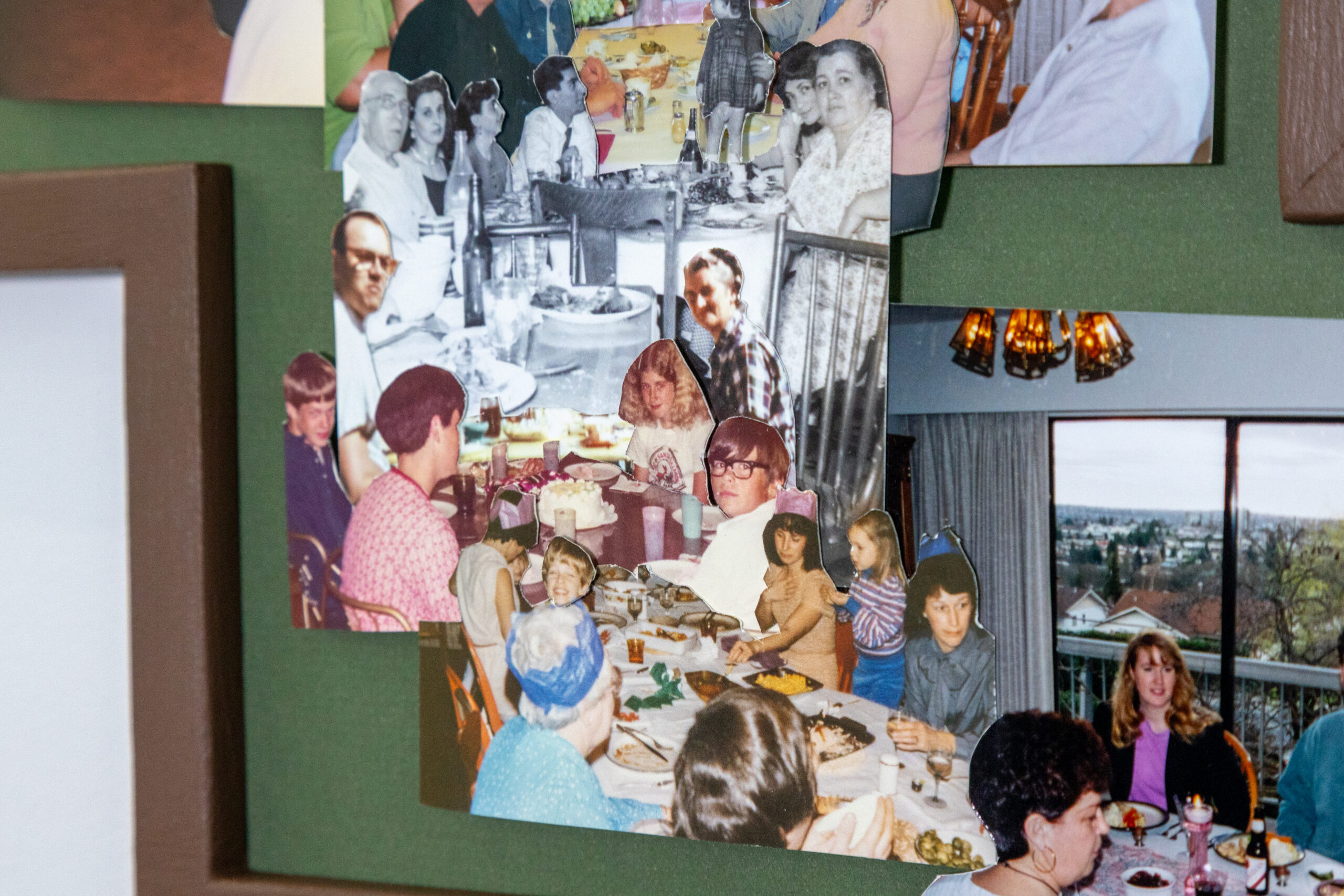
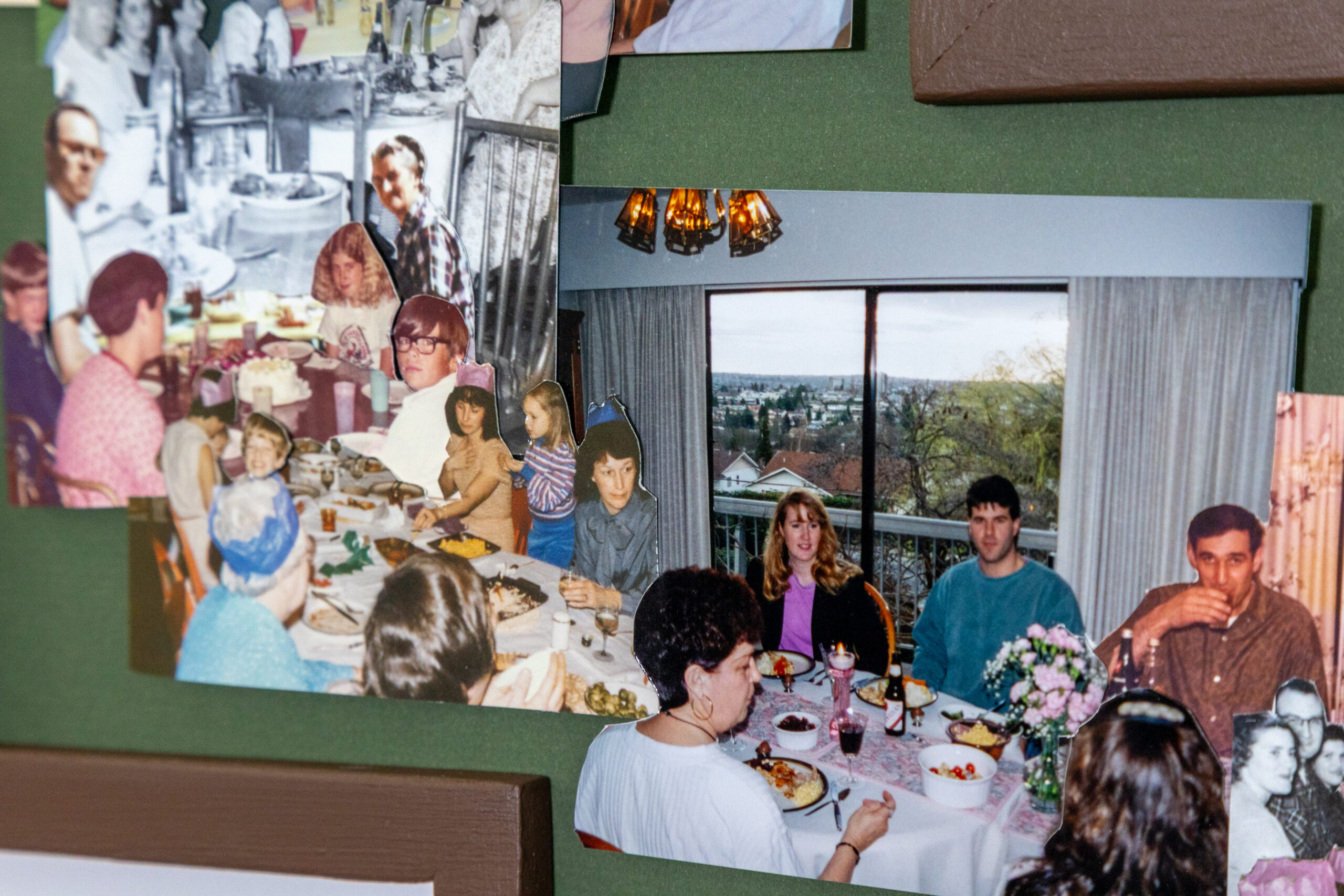
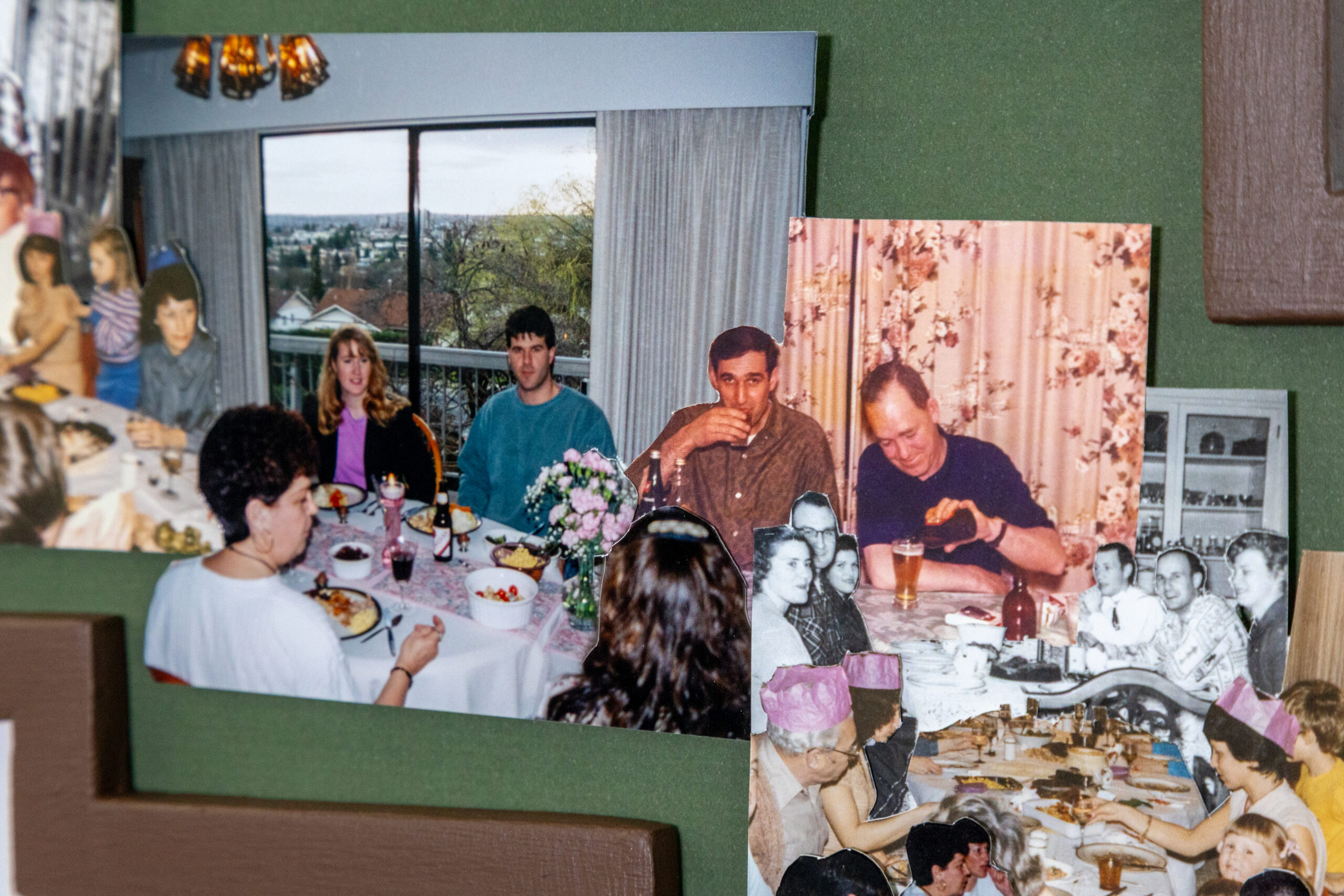
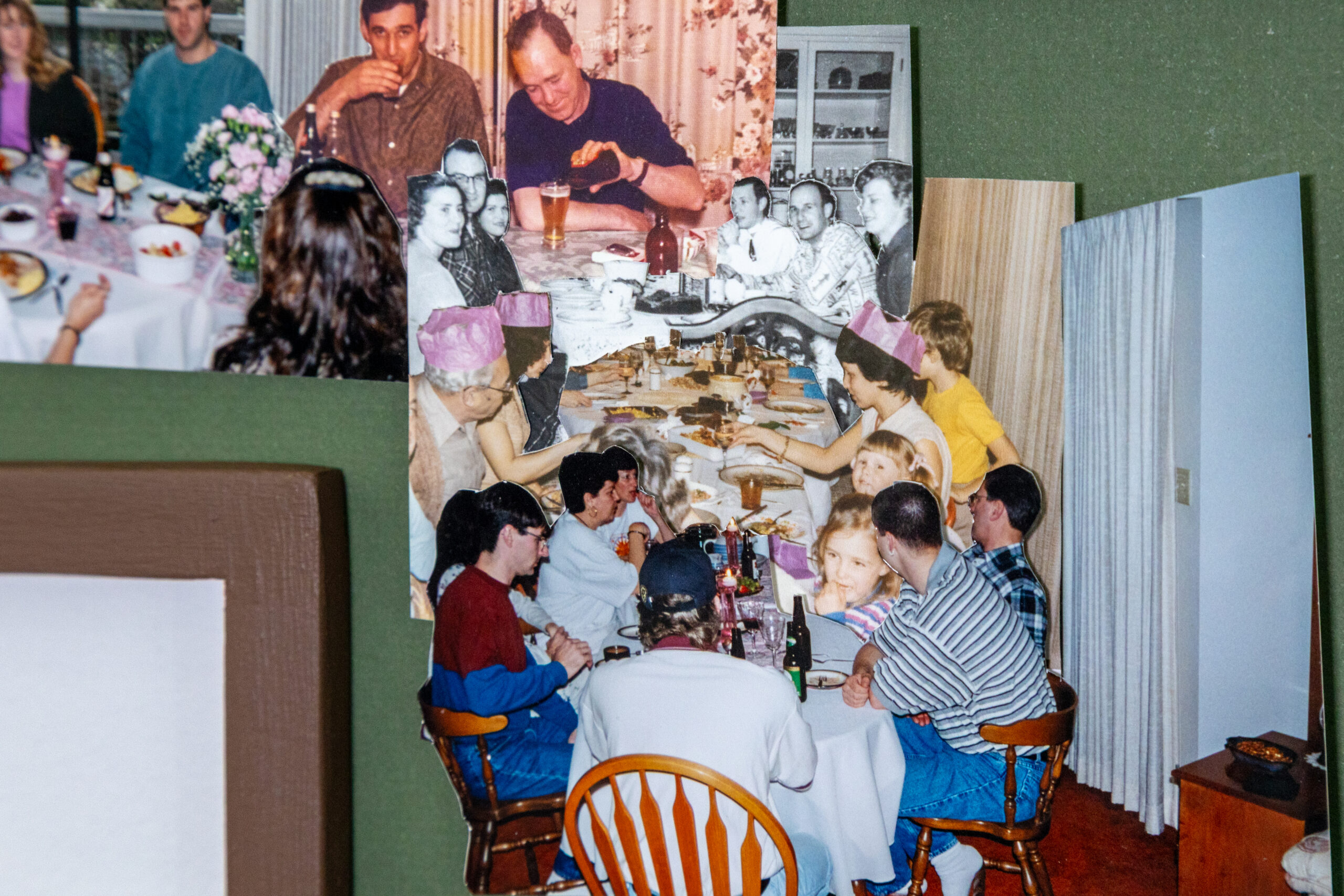
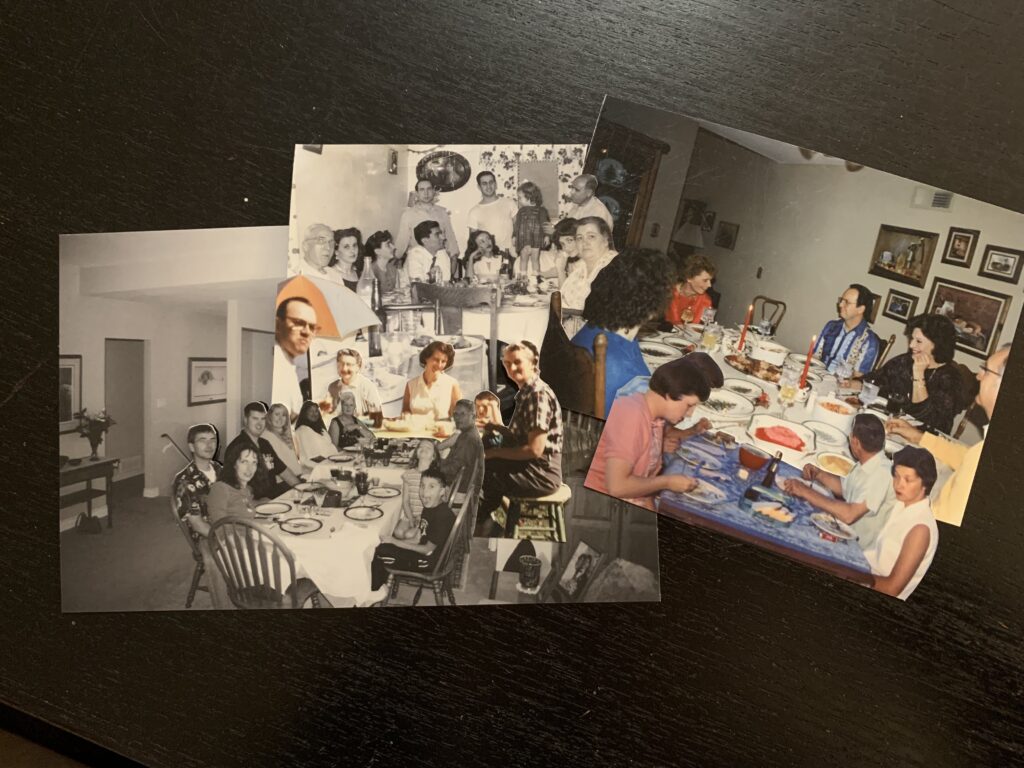
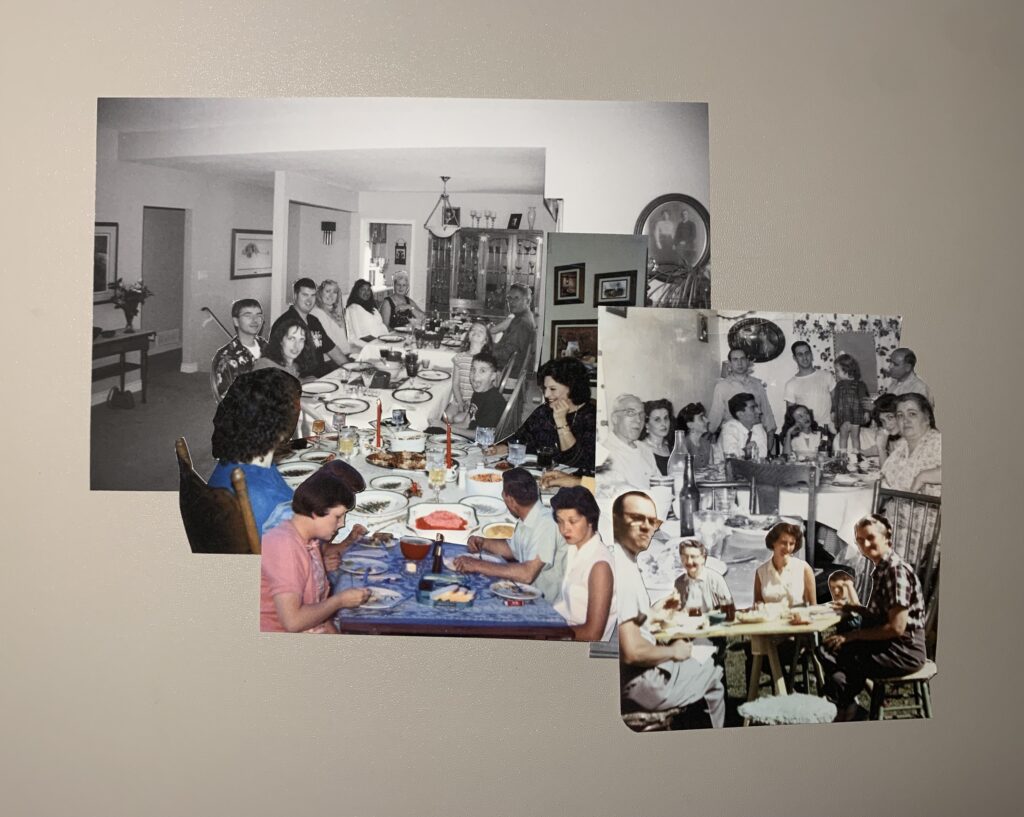
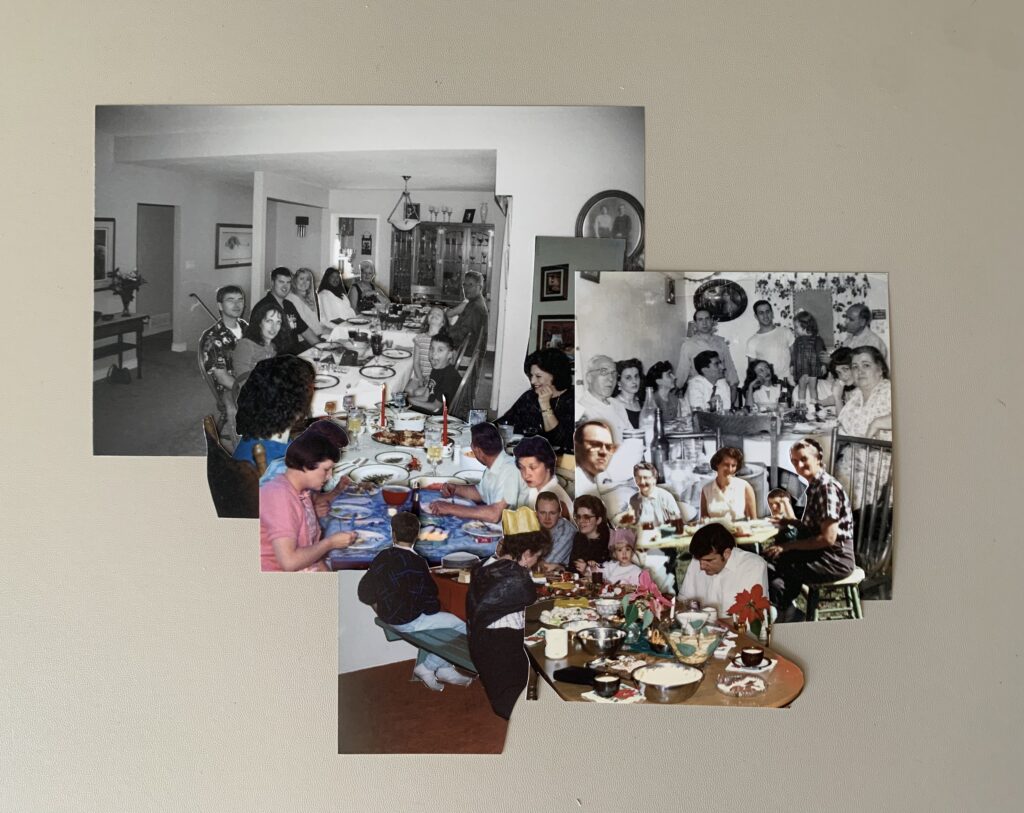
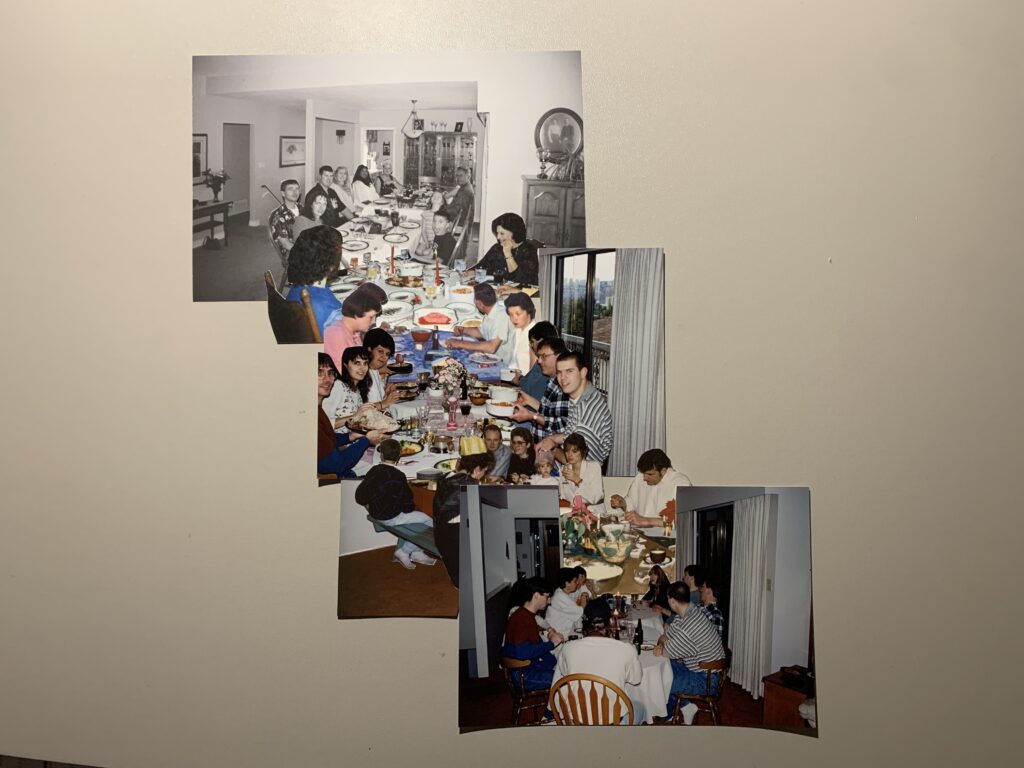
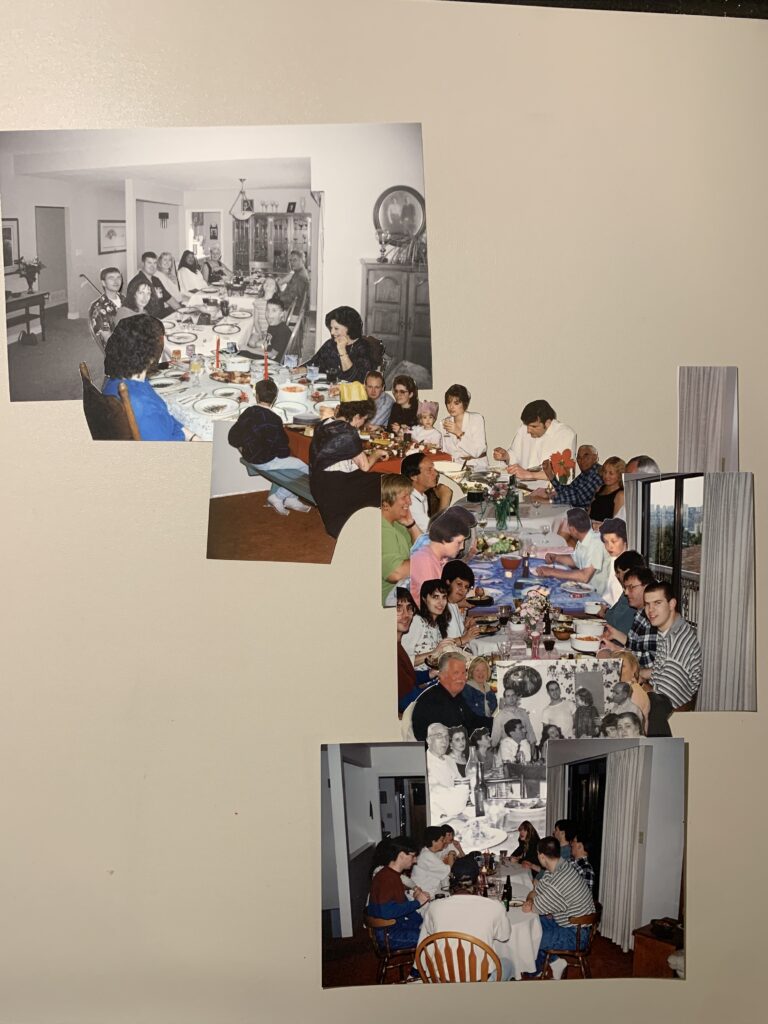
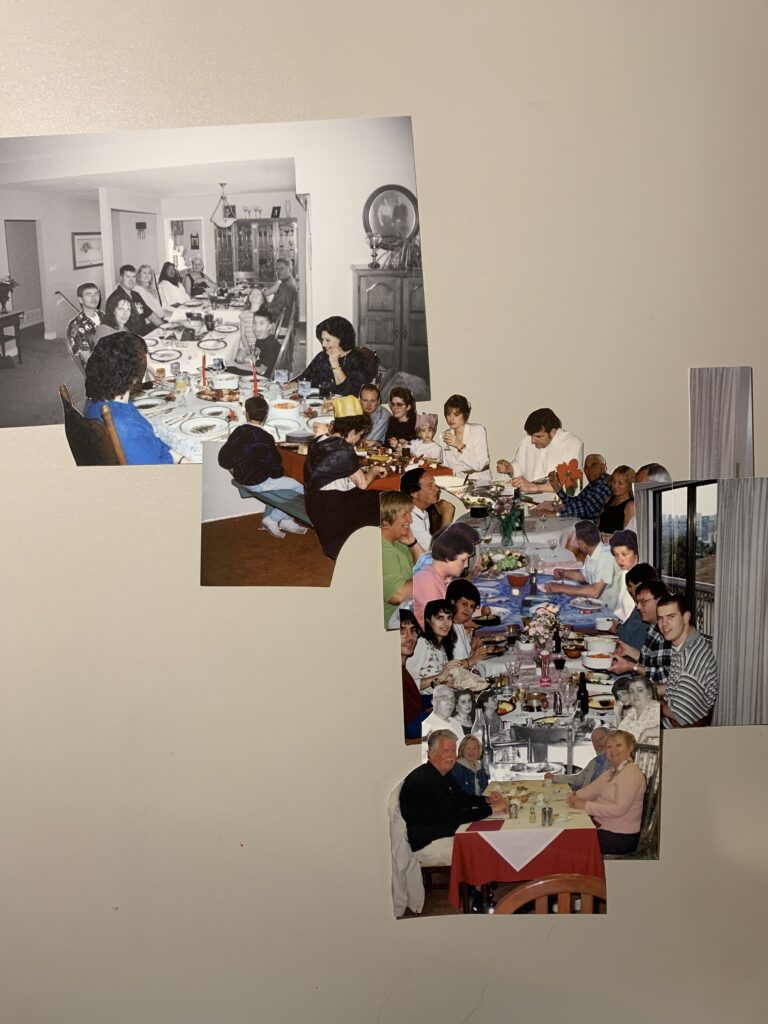
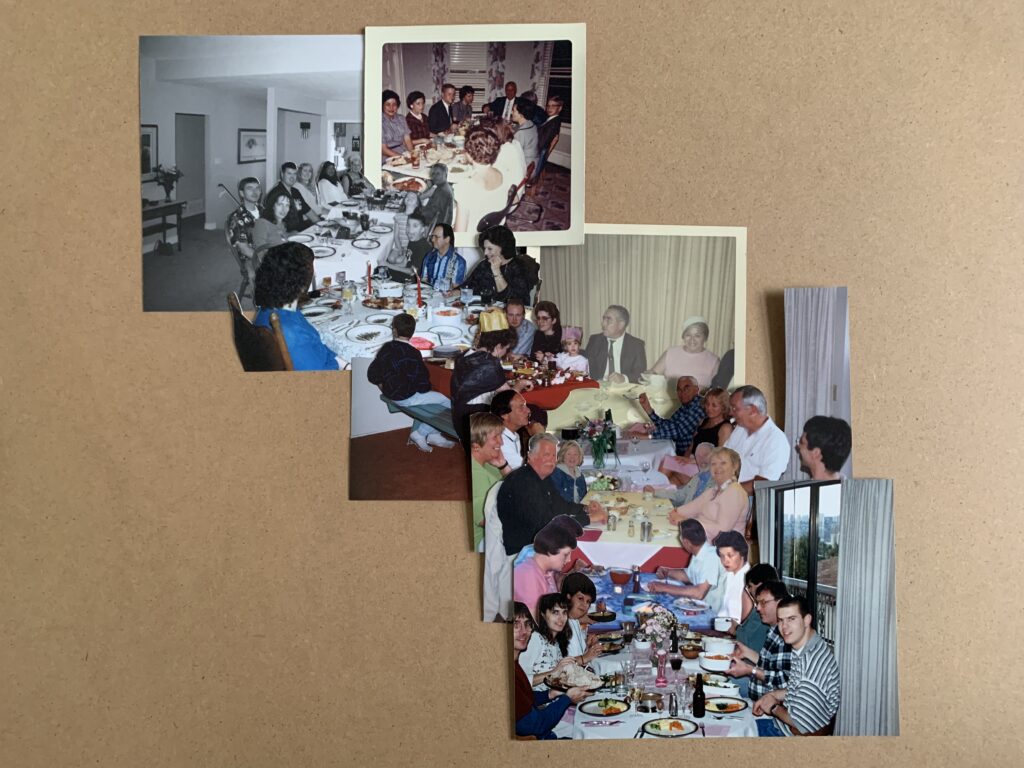
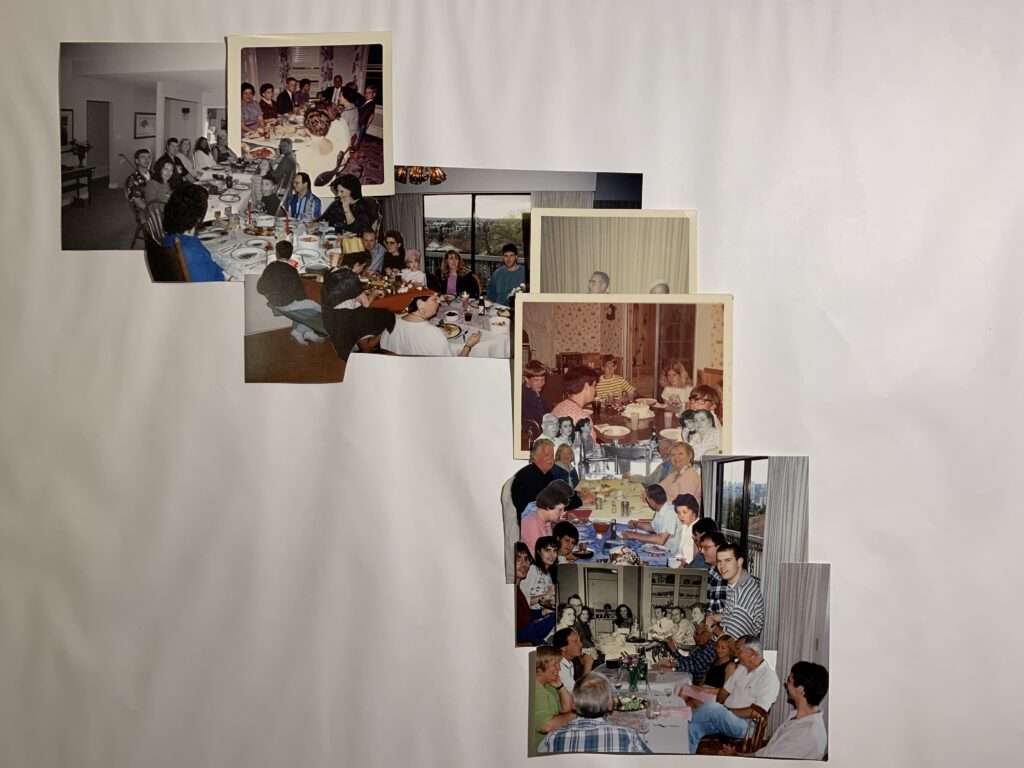
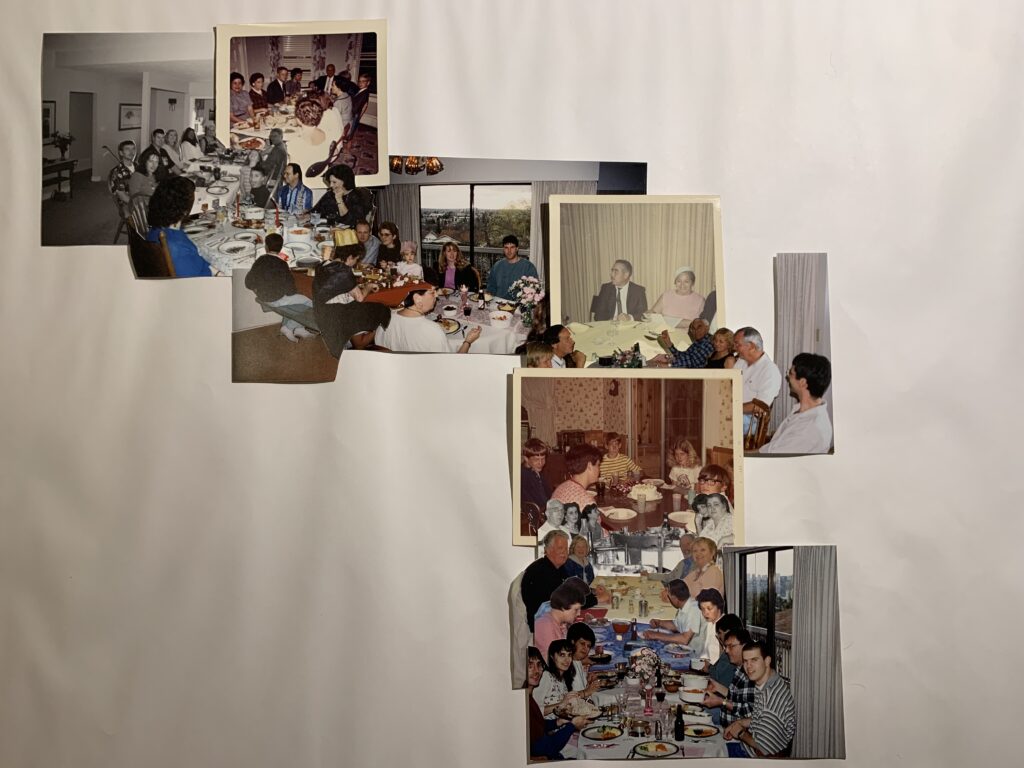
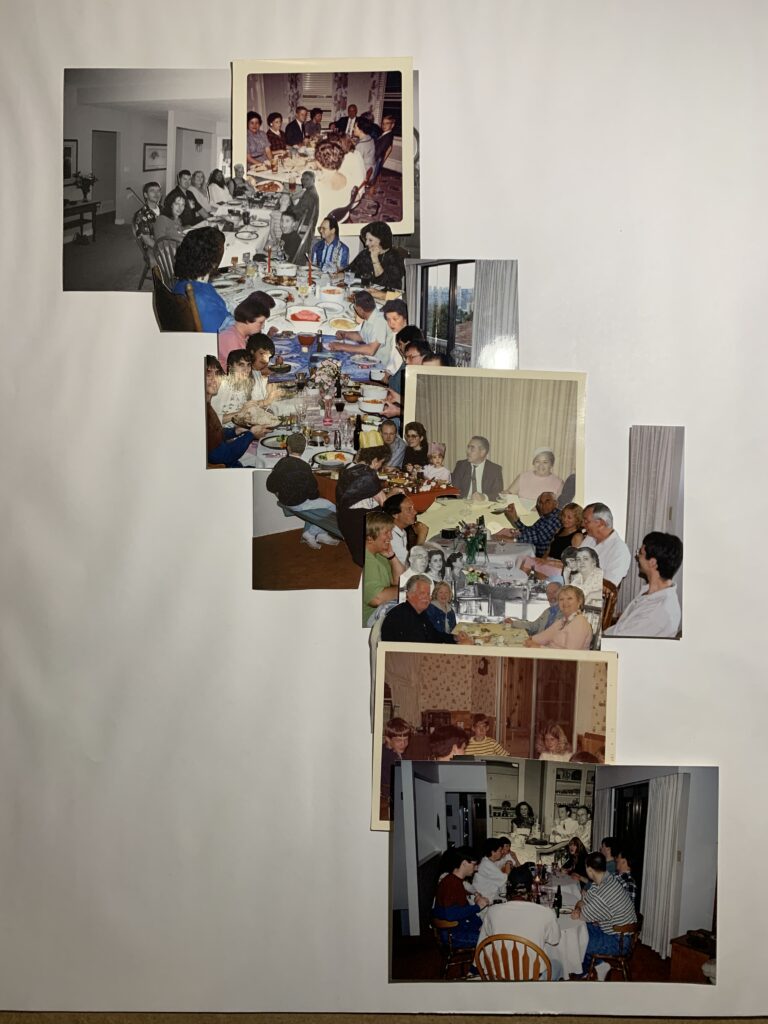
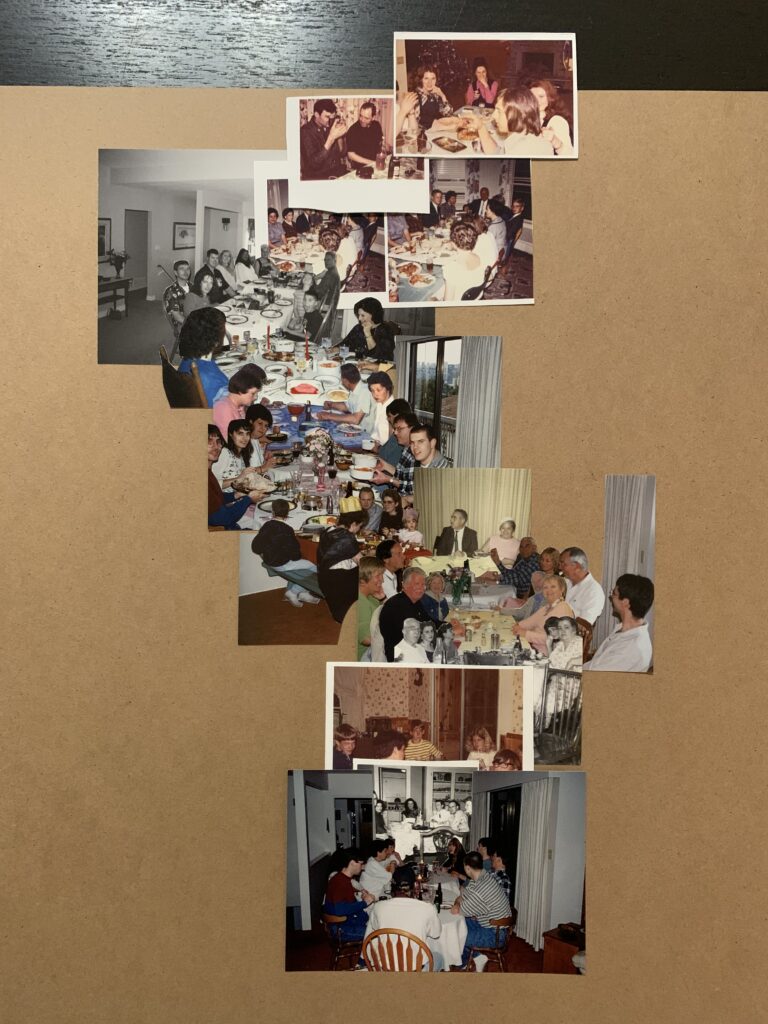
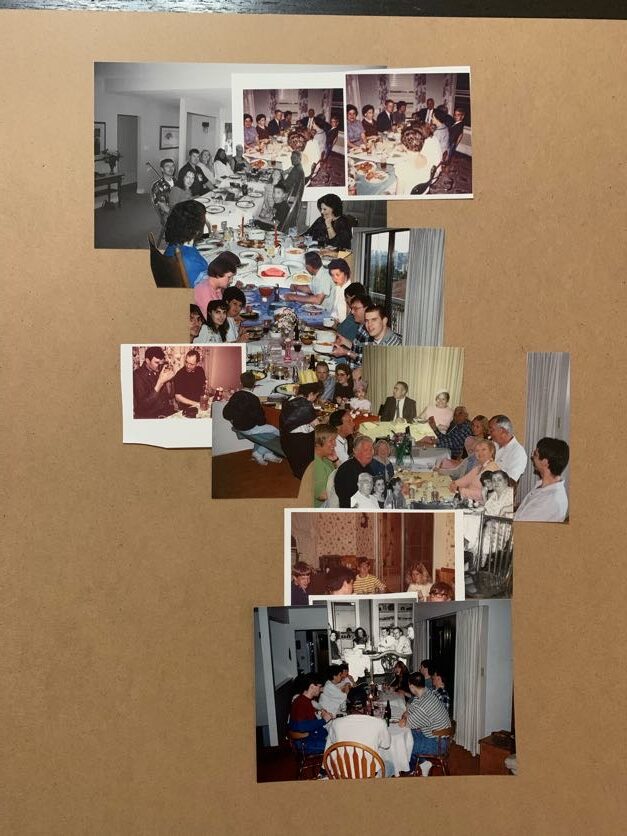
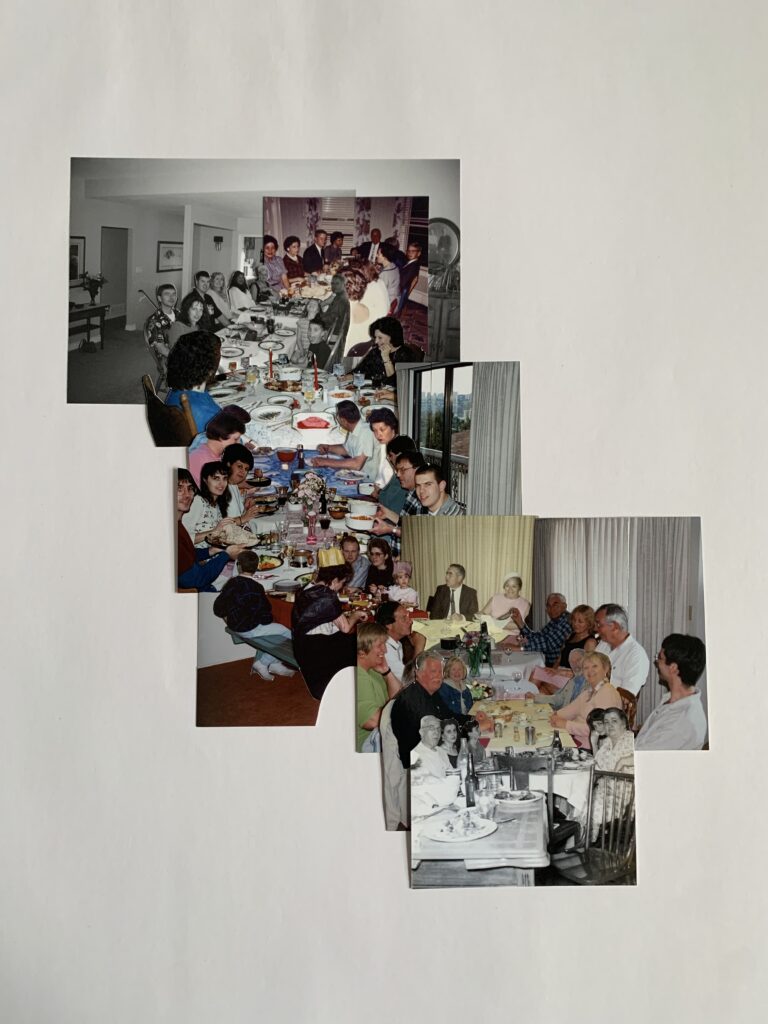
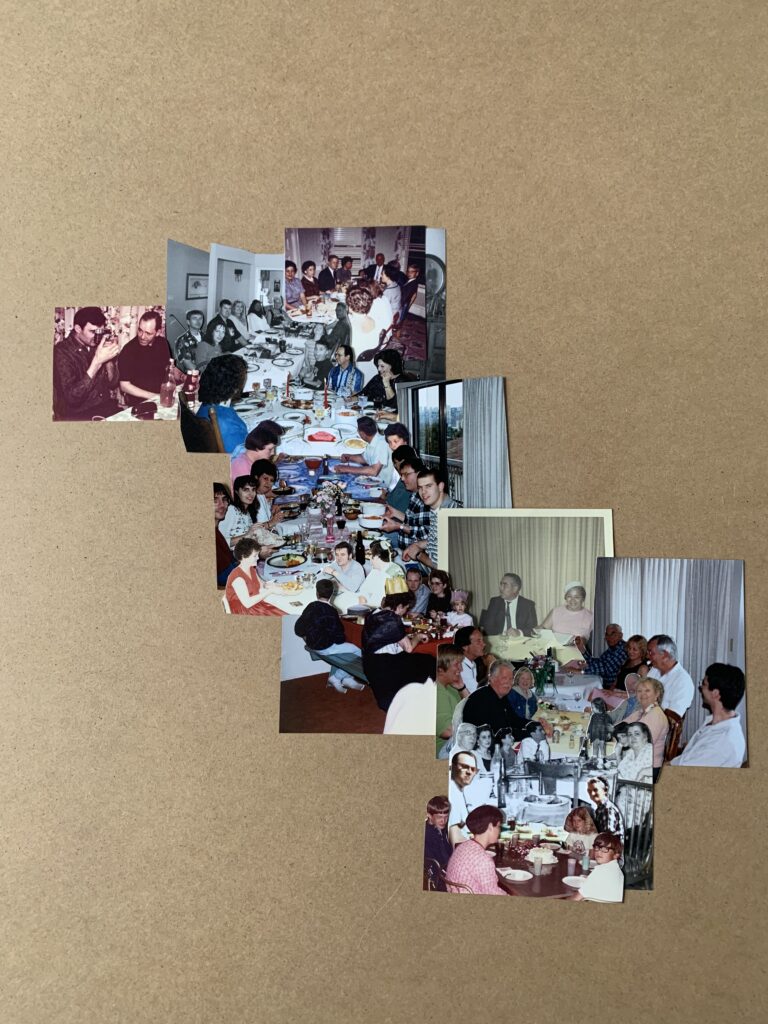
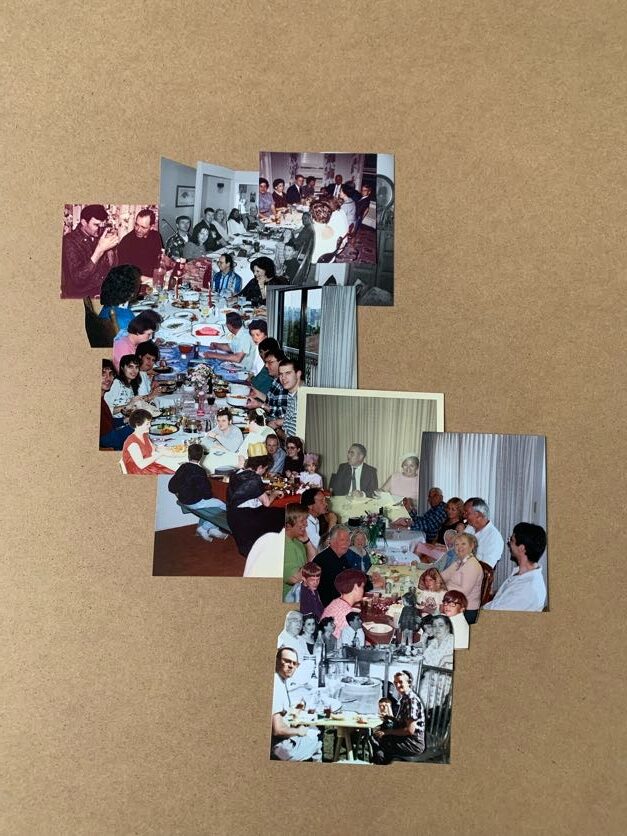
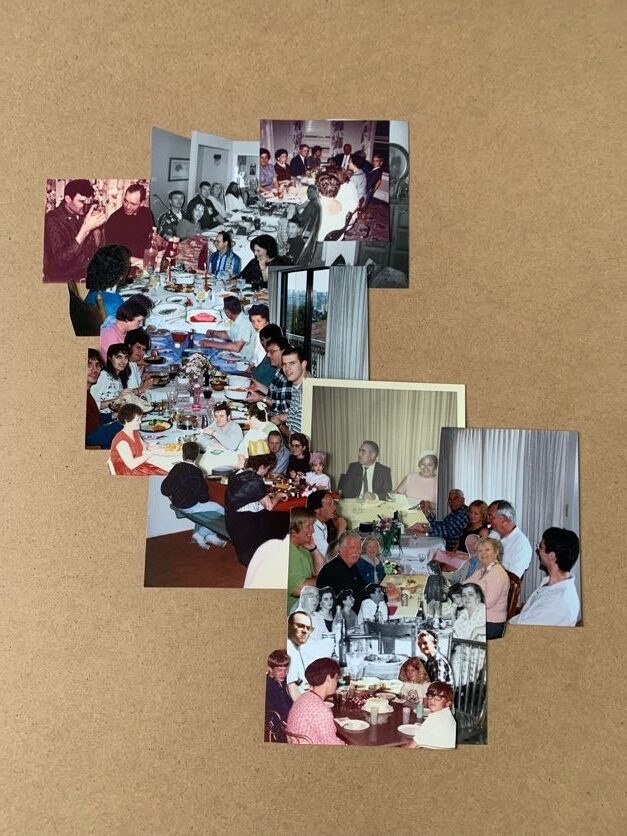
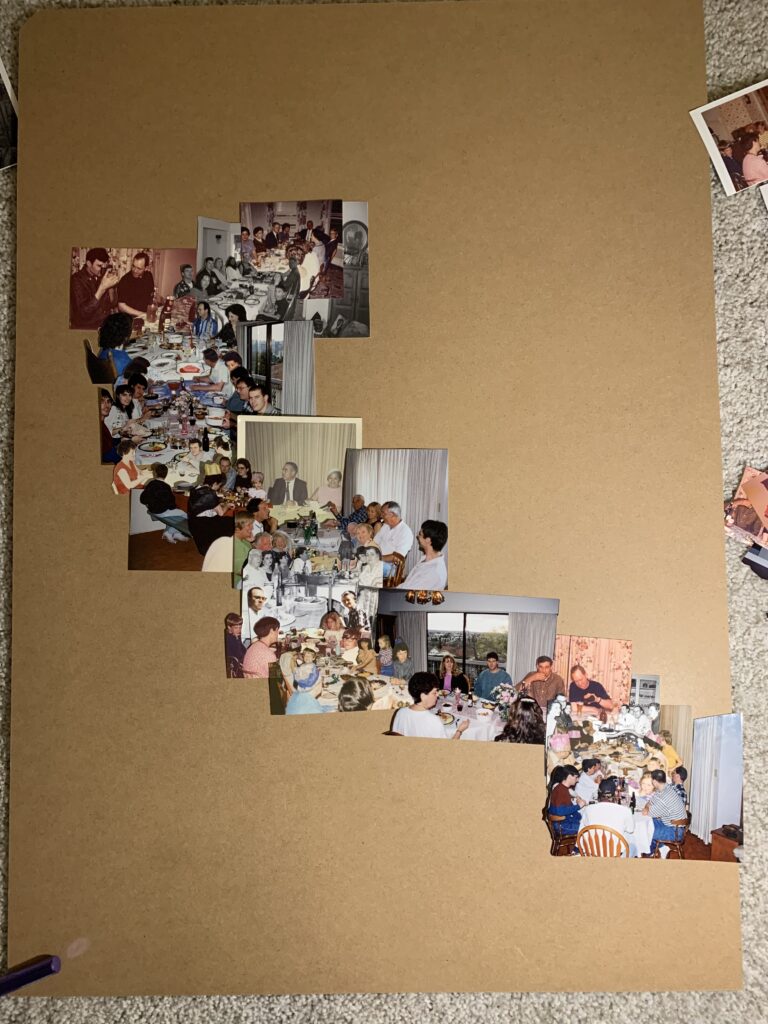
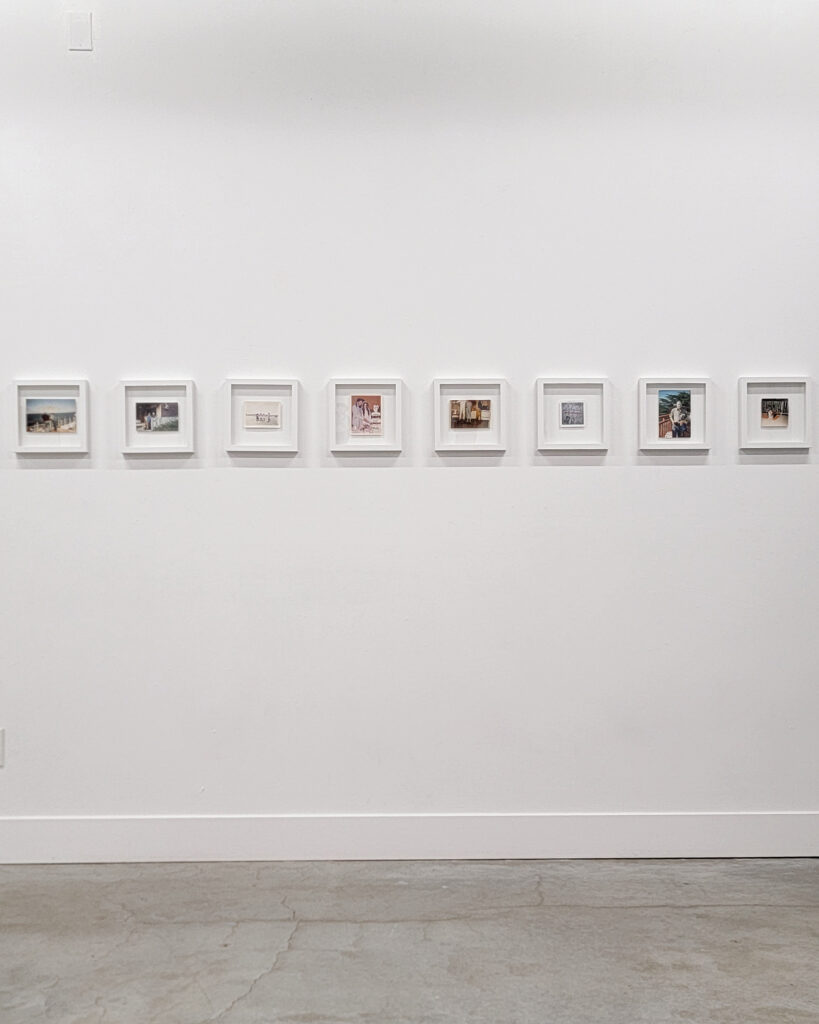
This collage piece explores the patterns of human behavior and ways in which people gather, connect, and reappear in our lives through the familiar setting of the dinner table. Using both found photographs and images from my family archive, I create a panoramic table collage where past and present, strangers and loved ones, coexist.
Despite differences within time and setting, these photographs reveal an undeniable sense of connection. The repetition of gatherings, familiar faces and postures around a table bonding over shared meals suggest that these experiences, although personal, are also deeply universal. The inclusion of found photographs expands this idea, turning anonymous figures into unexpected guests, mirroring the way strangers become part of our personal histories, even if it is for only a small amount of time.
By assembling these moments into a singular composition, I challenge the boundaries between personal and collective histories, revealing the ways in which our individual traditions and rituals are connected to a larger, shared experience. A Seat at the Table reflects how we document our connections – through photography, through gathering, and through conversations and memories that linger long after the meal is over.
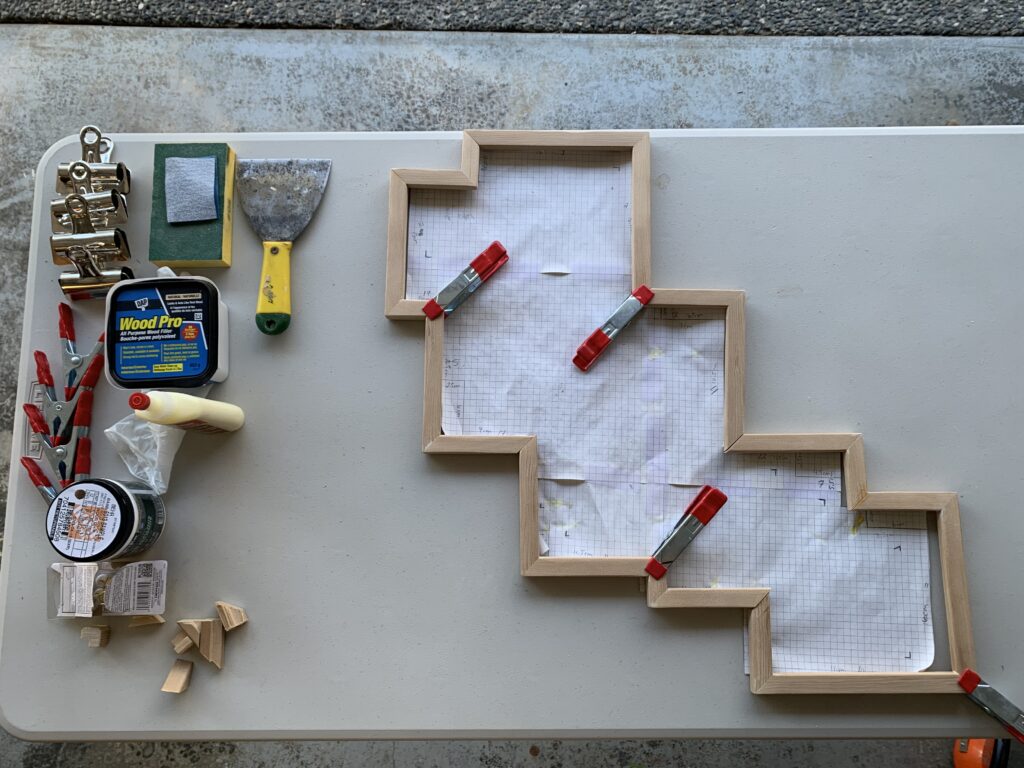
Creation Process
Exhibitions
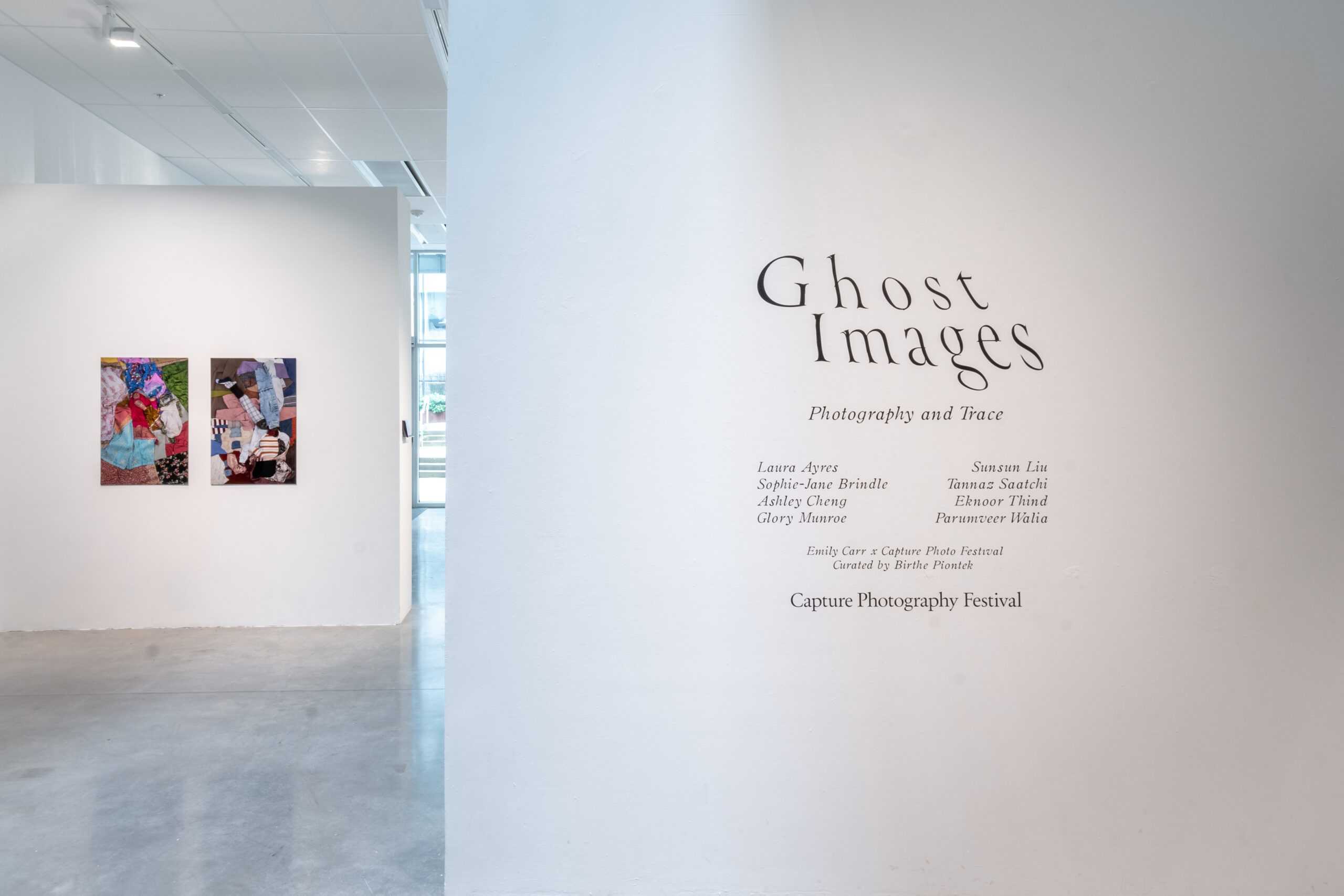
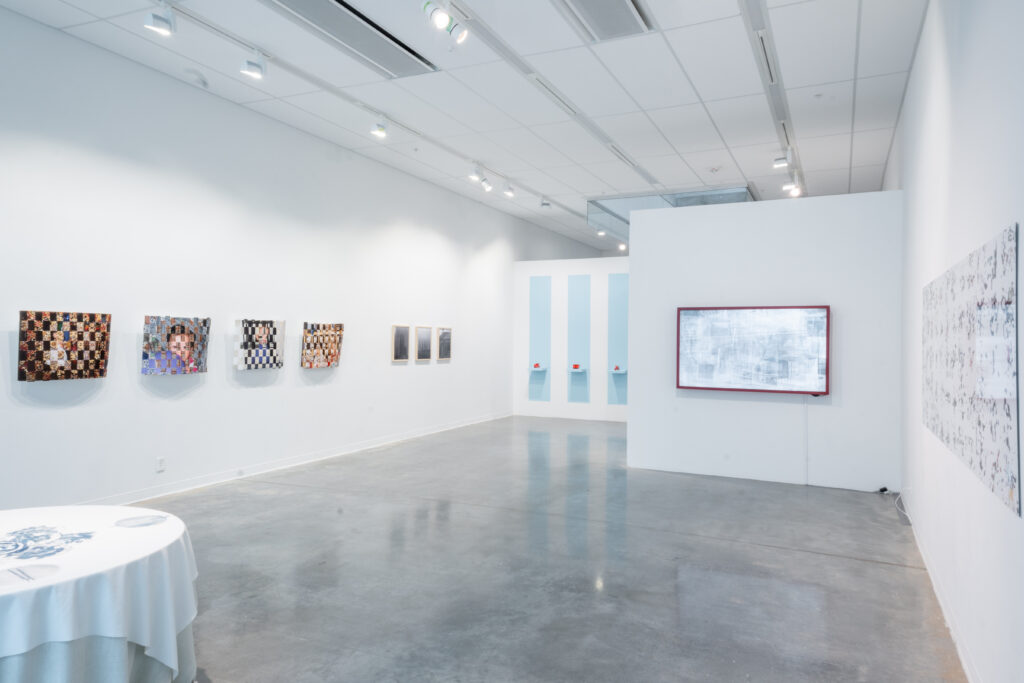
Ghost Images: Photography and Trace
Capture x Emily Carr is a partnership between Capture Photography Festival and the Audain Faculty of Art at Emily Carr University of Art + Design. Curated by Associate Professor of Photography Birthe Pointek.
Photographs are often traces of our histories, memories, and stories. Like ghosts from the past, these images can haunt us, reminding us of what once was and is now different. The artists in the exhibition Ghost Images: Photography and Trace consider photographs as traces and use different strategies to activate the present. Some works make us rethink events in the past, drawing attention to issues that still need to be addressed in the now. Others rework images into an echo of a lived experience, filling us with longing for carefree moments of our childhood or addressing the void left behind by the loss of a loved one.
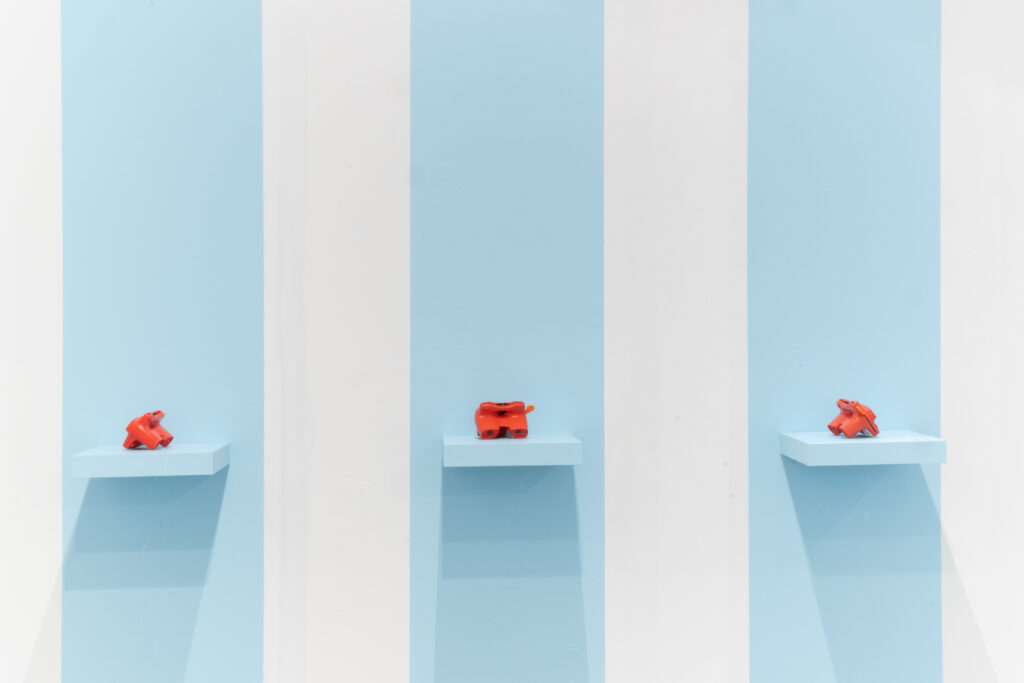
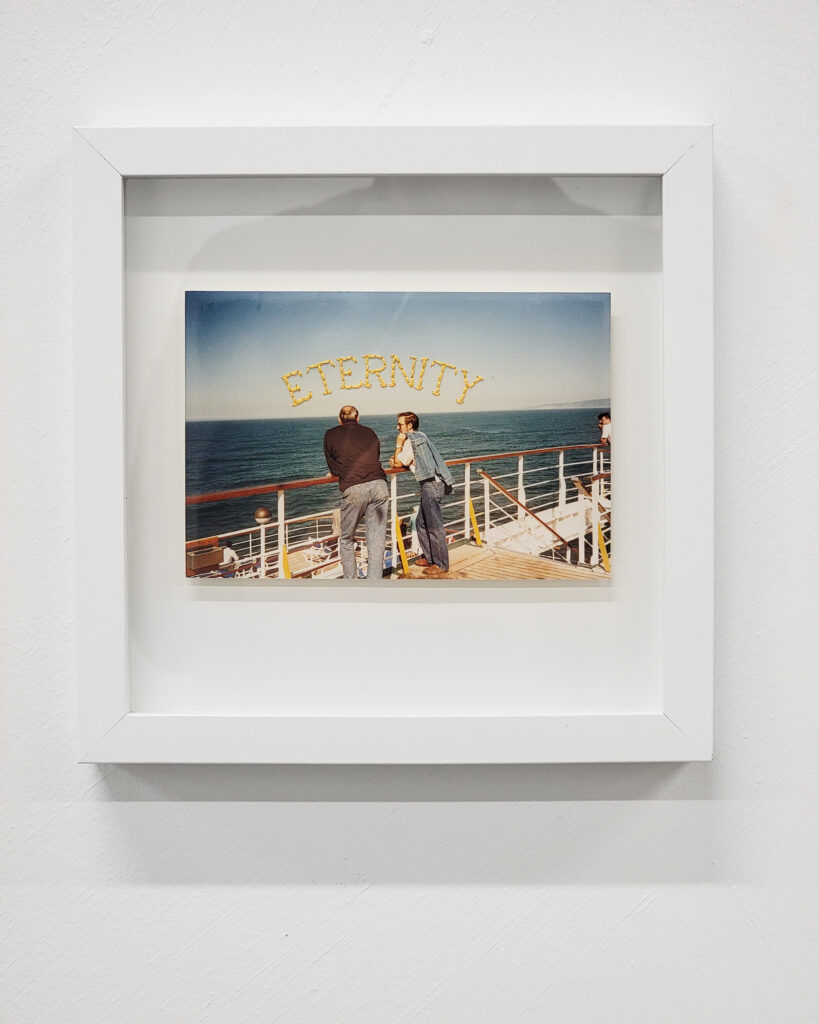
Sometimes, the ghost image exists as physical evidence. A print found in an album or a shoebox then leaves an imprint in our minds and becomes a jumbled memory of a memory, an image we conjure up and alter each time we remember it. Some of the exhibiting artists address this alteration by utilizing physical interventions and treating the photographic image as a malleable object. Others make use of photographic processes and remind us that photography is a process of residues – of light and chemicals.
The artworks in Ghost Images: Photography and Trace speak to the range of photography’s ability to be permanent and impermanent simultaneously. They make us think of images as songs stuck in our heads that we can’t escape, or as scars that altered our bodies and now have become part of us, while addressing the fact that images are also fleeting. They only momentarily exist at the tips of our fingers but are gone the next second, updated by an algorithm that, like an invisible spectre, follows us and shows us what we desire.
CURRENT: Photography as Pause
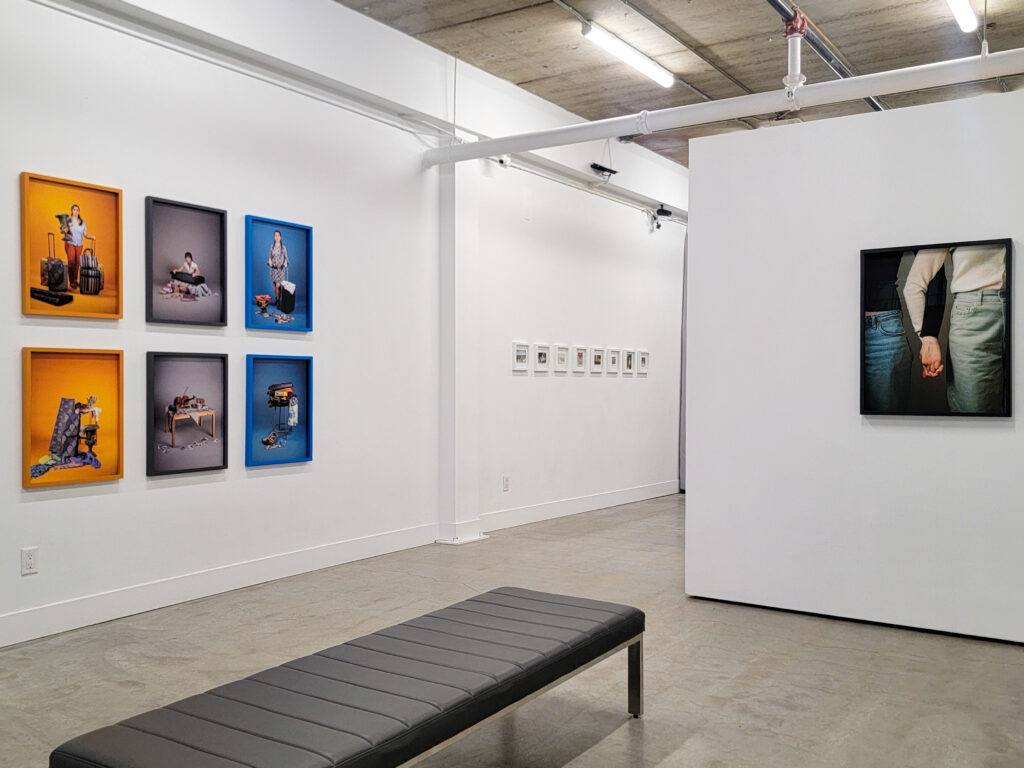
CURRENT: Photography as Pause features artists Laura Ayres, Claudia Goulet-Blais, Julia Kerrigan, Charlie Mahoney-Volk, Paniz Mani, Maria Michopulu, and Parumveer Walia and was curated by Karen Zalamea, Vancouver artist and educator, and John Goldsmith, director of Gallery 881. Organized by Associate Professor of Photography Birthe Piontek.
Within the constant flow of images, CURRENT: Photography as Pause is an invitation to consider photography as a means of being present. Whether investigating the photographic image as an object by expanding its meaning and surface through material interventions, questioning the authority of photographic representations by using the camera to reveal gender and identity stereotypes or utilizing the photographic studio as a site to unpack and visualize the anxieties and traumas surrounding immigration, the artists ask the viewer to pause so we can once more discover photography’s potential to slow down time for us.
We are taken out of the stream of endless scrolls and are faced with our assumptions–often created in the complex digitized world where the photographic medium has become our primary communication tool but frequently takes us out of the present moment.
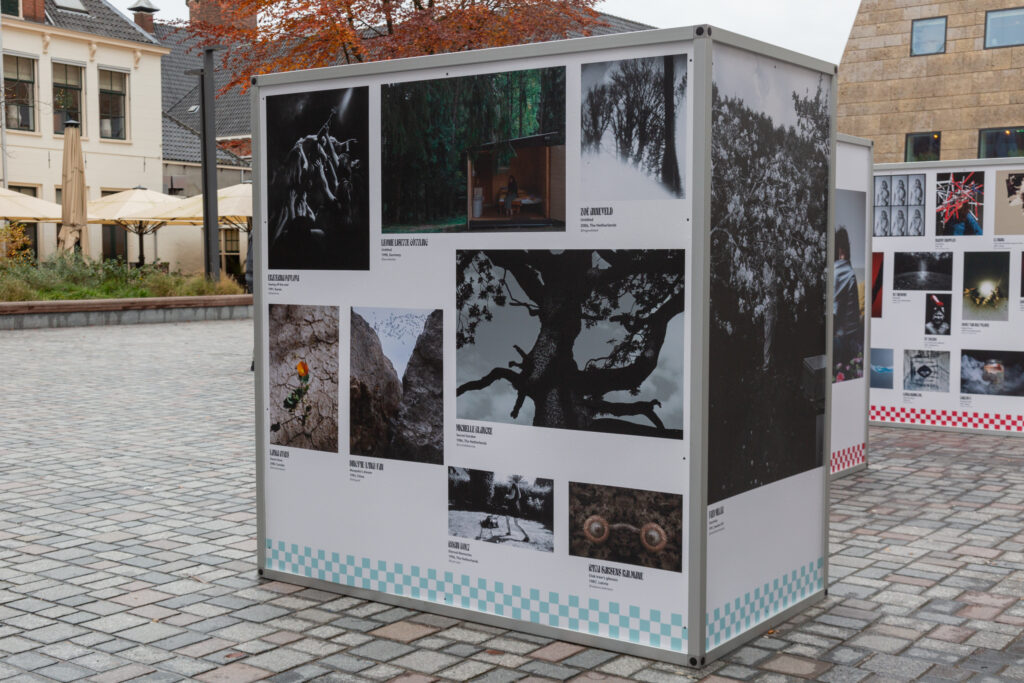
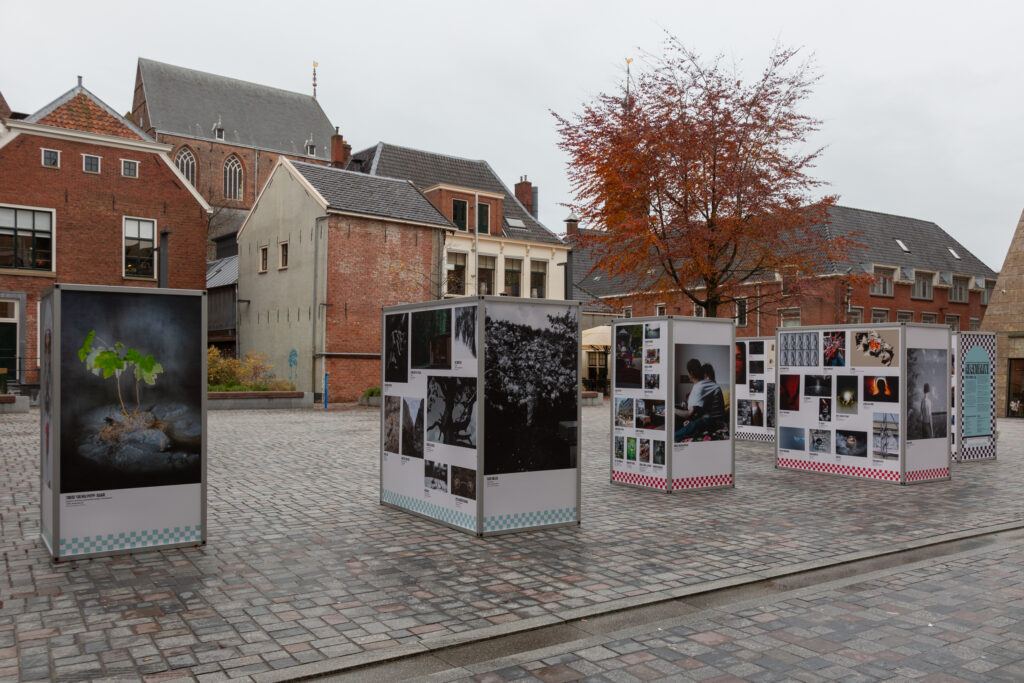
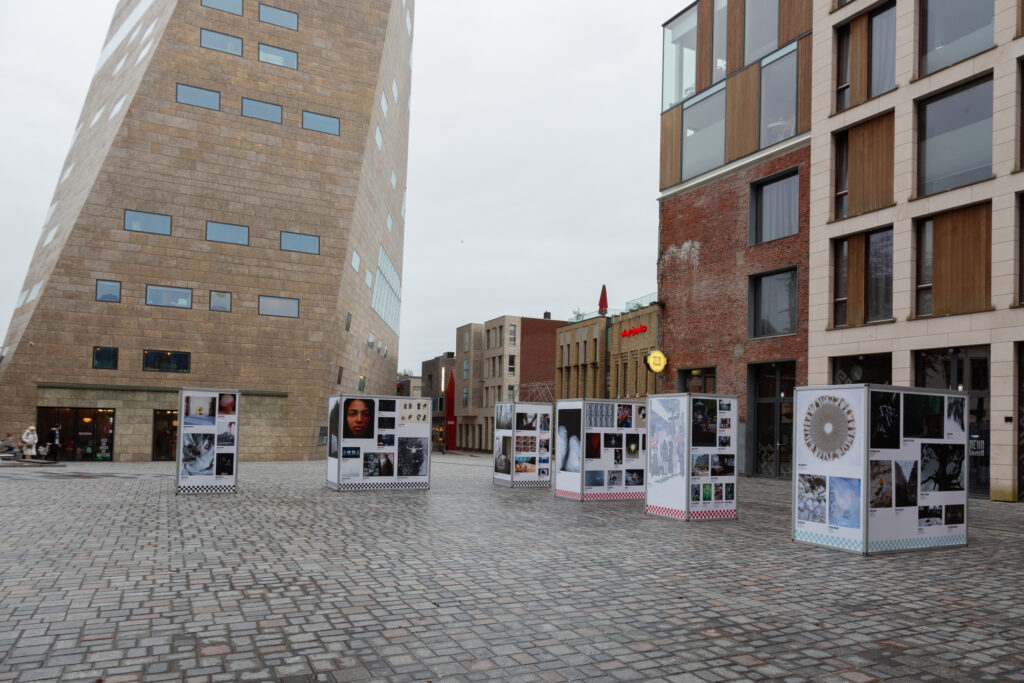
REGENERATE: Noorderlicht Photography Festival
With REGENERATE as its theme, the 2023 festival brought together works that explore the changes modern society must face. Where people in today’s world experience a sense of being displaced, regeneration means seeing ourselves and the world as built around reciprocal relationships that benefit all parties. Such a renewed worldview means that people (including their technological achievements) and other living beings within the world’s ecosystems depend on each other for their health, well-being and survival.
By exhibiting projects from this new thinking, the festival aims to ask questions about where we want to go and how to get there, about the time we live in and the time to come.
Noorderlicht believes it is important to show and hear the voice and work of young and student makers. We believe that the voice of a new generation is indispensable for shaping the future. For that reason we asked art and photography students from all over the world for their vision on REGENERATE, the festival theme of Noorderlicht International Photo Festival 2023. The central question is: how can we take better care of our climate, society and ourselves in the future? 123 students had their voices heard, regardless of the artist’s level of experience or background. The result can now be viewed here: the theme REGENERATE, seen from different continents, cultures and perspectives. All through the eyes of (young) student image-makers. Be surprised and above all inspired. Because how do you envision the future?