Of Earth
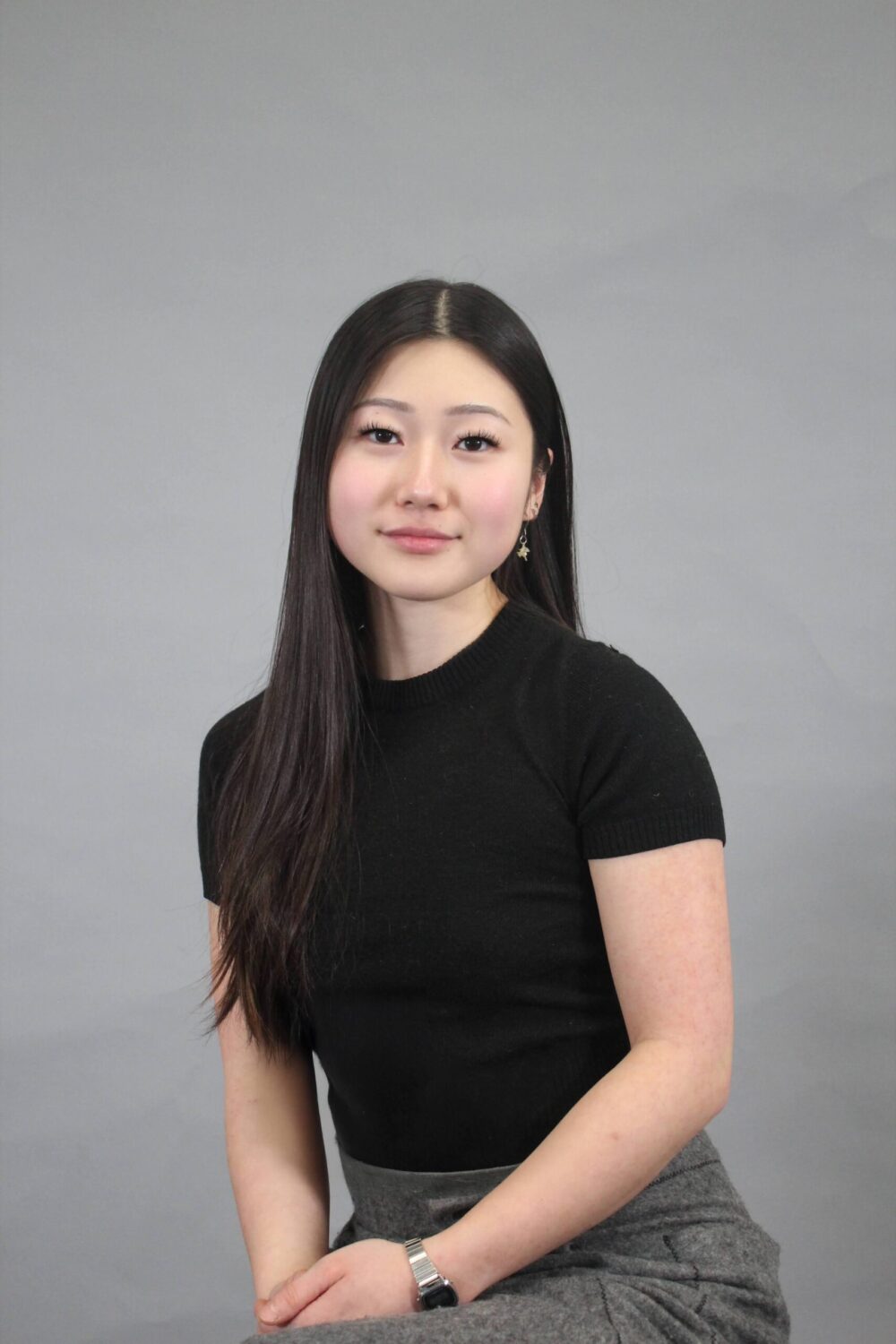
Michelle Qu
See it On Campus: Level 2
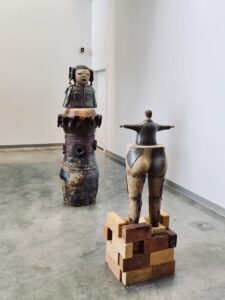
Sculpture Gallery
Visitor InfoDESIS Radical Sustainability Award — Honourable Mention
Hello, thank you for taking a look at my work!
Of Earth takes place on the unceded, ancestral, and continuously cared-for lands of the Coast Salish peoples—including the Musqueam, Squamish, and Tsleil-Waututh Nations. I am deeply grateful to the stewards of these lands, past, present, and future, whose relationships with these places have existed long before mine. Every step of this project has been shaped by the land and by the histories it holds.
I have always felt closely connected to the outdoors, a connection that naturally manifested in the flowing, organic forms of my work.
When I began studying at Emily Carr, I became increasingly interested in the intersection of sculpture and design. I questioned how the expressiveness of sculpture could enrich design, and what kinds of forms could speak emotionally across different people.
The answer came to me while I was backpacking in the Andes. I realized that it is the Earth’s forms, shaped by time, weather, erosion, and force, that evoke something universal in all of us.
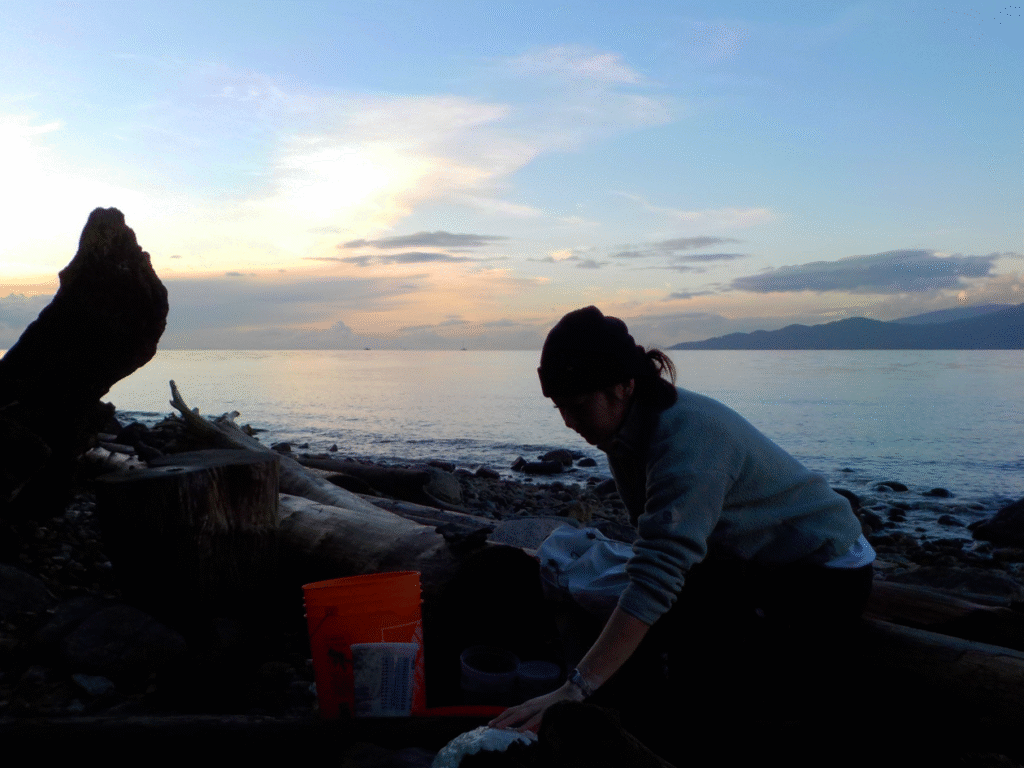
Of Earth is a project rooted in process. It captures the forms and textures of the natural world and brings them into design not through mimicry, but through direct collaboration.
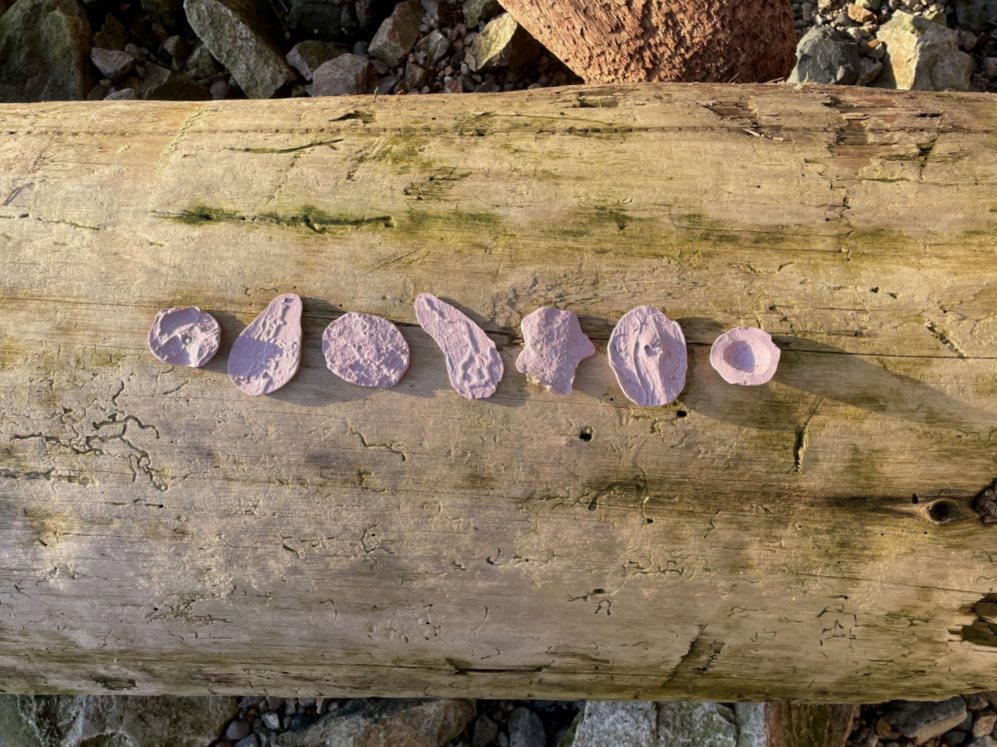
Designers are often drawn to organic forms. Yet when those forms come solely from the human hand, they can feel disconnected from their origins. I developed a method of outdoor mold-making and casting to work directly with the land itself, allowing natural processes to shape the outcome.
In doing so, the objects I create tap into our biophilia—our innate need to connect with nature—and aim to invite emotional resonance through material, memory, and place.
The Of Earth process has three main stages:
Outdoor Moldmaking
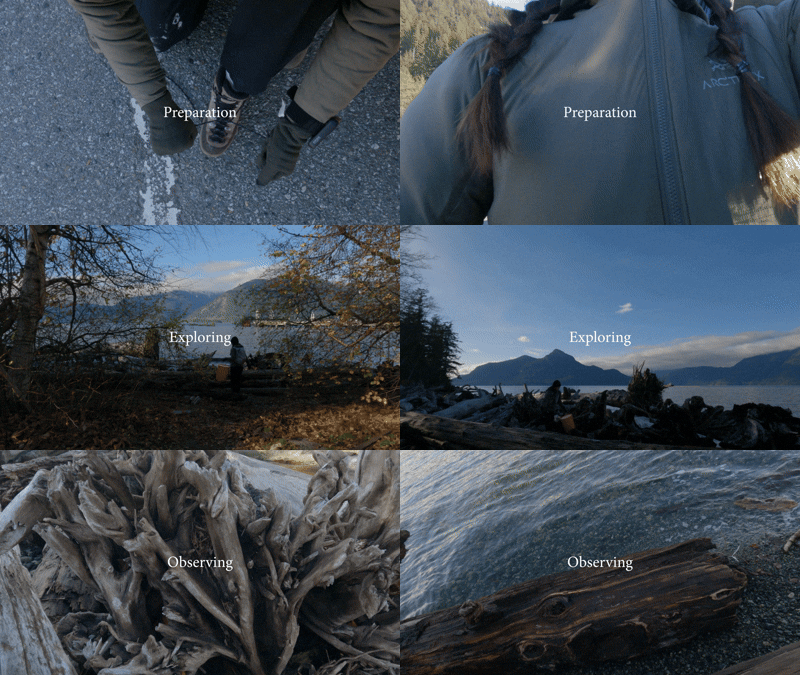
Each journey begins with preparation. I check tide charts, review maps, gather gear, and prepare mentally to move slowly and attentively. Once I arrive at a site, I explore with openness, walking until a form speaks to me—something shaped by natural forces and time.
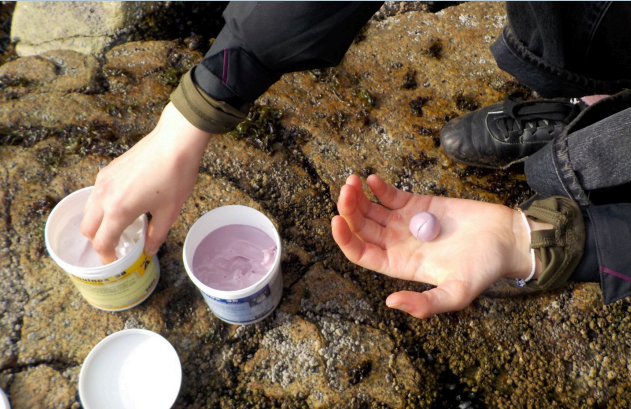
When I find an intriguing form, I prepare the area carefully, ensuring it is clean and stable. I pour my mold material to capture that moment and place. Once the mold sets, I remove it gently and leave the site exactly as I found it, leaving no trace behind.
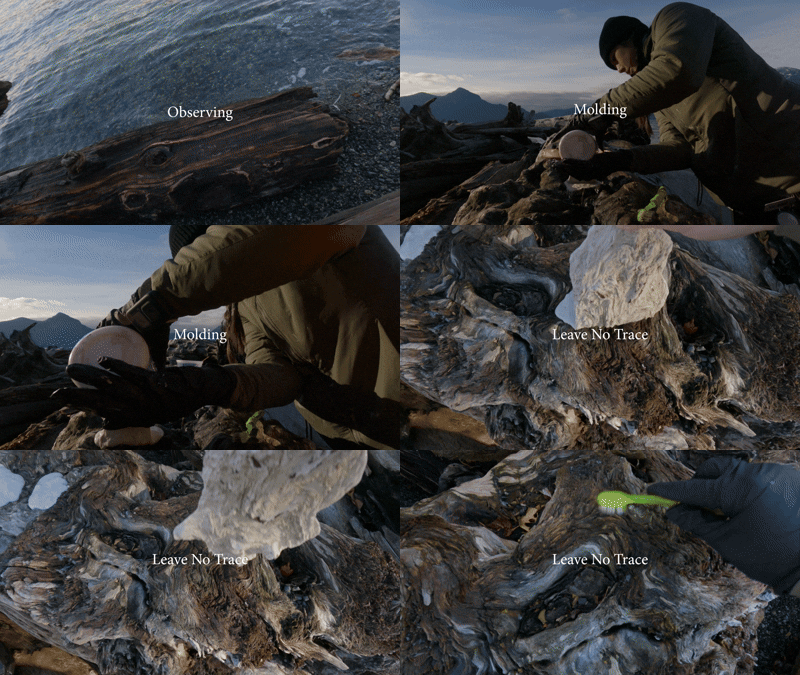
Outdoor mold-making is about listening. The land speaks first. My role is to be attentive enough to hear it.
Casting and Design Intervention
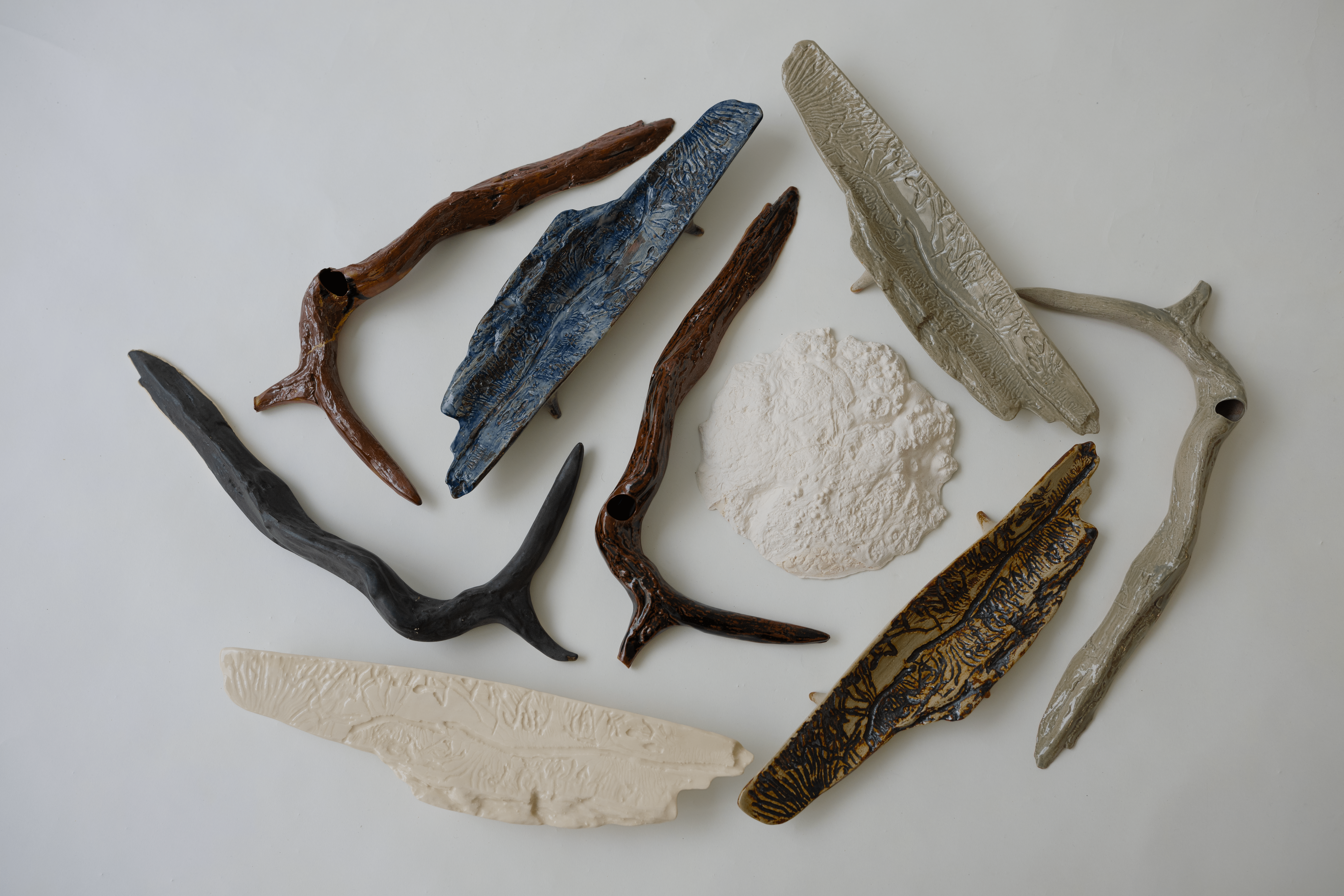
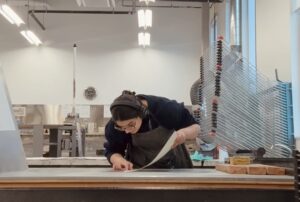
Back in the studio, I begin the second stage: casting, sculpting, and material exploration.
I create replicas of the natural forms I have encountered, responding intuitively to their existing shapes. I do not aim to redesign, but to interact with what is already there.
I have chosen to work heavily through intuition, mirroring the way nature designs. For instance, a fracture becomes the site of further erosion; a curve bends more under pressure; soft material wears faster than hard stone. Following these natural tendencies guides my sculptural interventions.
A persistent challenge has been deciding how much to intervene. I learned that the right answer is not fixed. It is personal, an evolving reflection of my voice as a designer working in dialogue with the land.
Reflection Through Sketching
Sketching is inherent throughout every part of Of Earth.
It’s about processing experiences and practicing intuition.
I sketch quickly and often, accompanied by journaling. Each drawing is a memento; a way of recording not just what I made, but how I felt while making it.
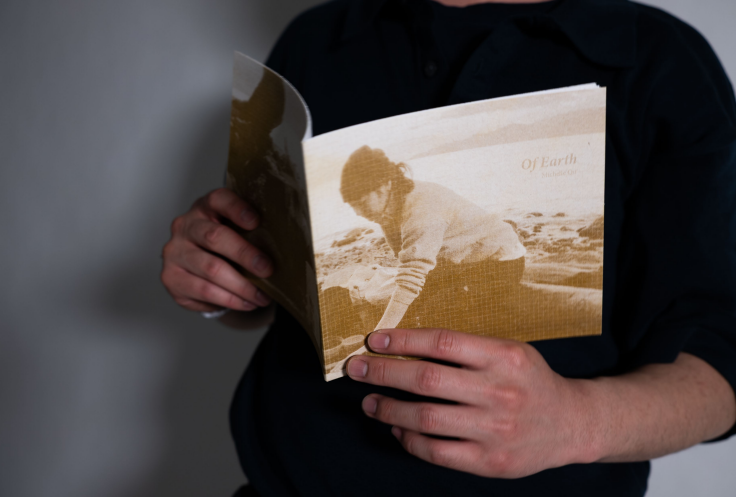
Encouraged by friends and mentors, I printed a riso edition of my sketchbook to share this journey with others. Thank you Brandon Chan for the help!
Each journey outside becomes another iteration of this process. Here’s a collection of the explorations I’ve been on this year:
Foreshore Trail 49°16’47.1″N 123°14’40.8″W
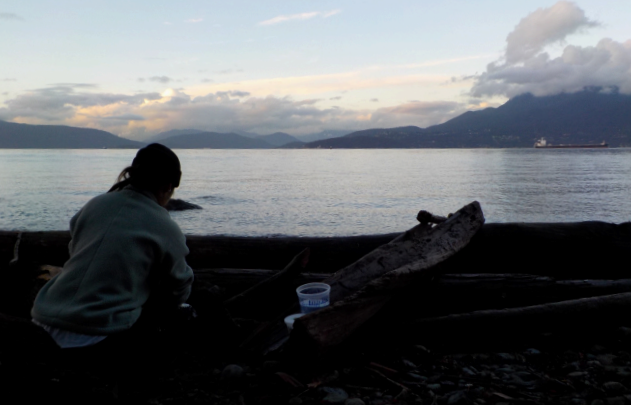
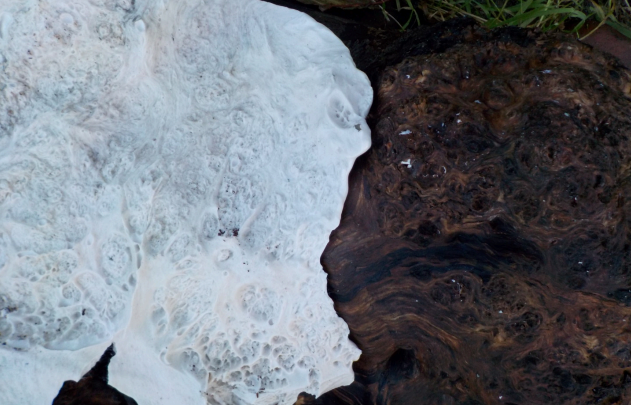
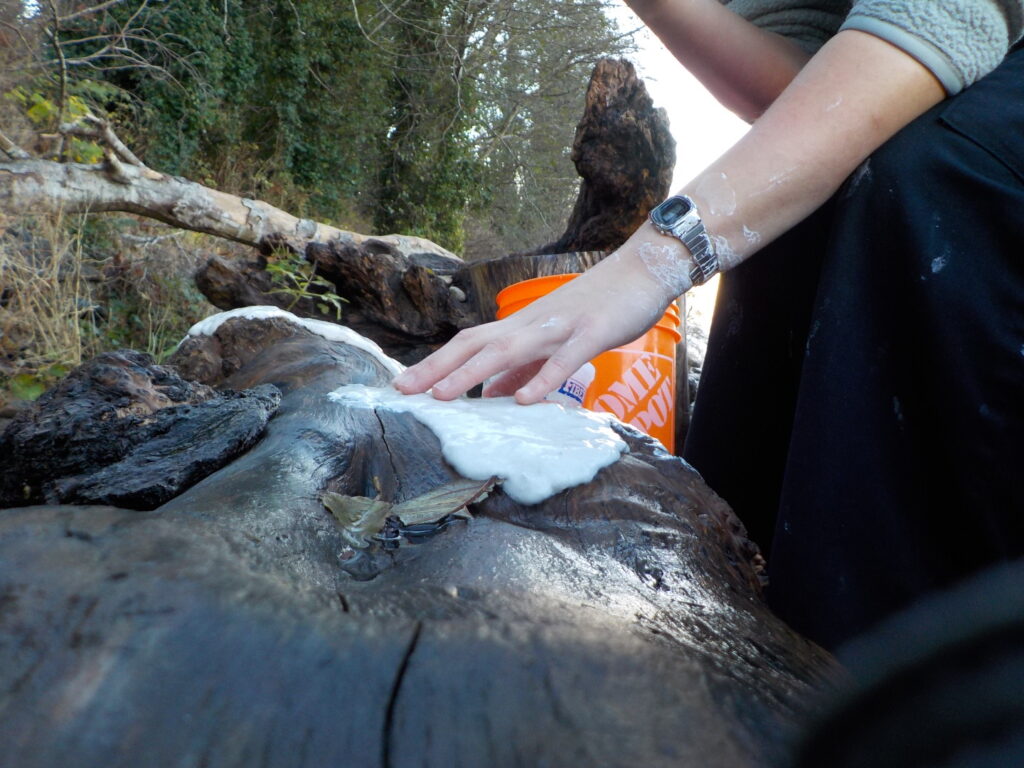
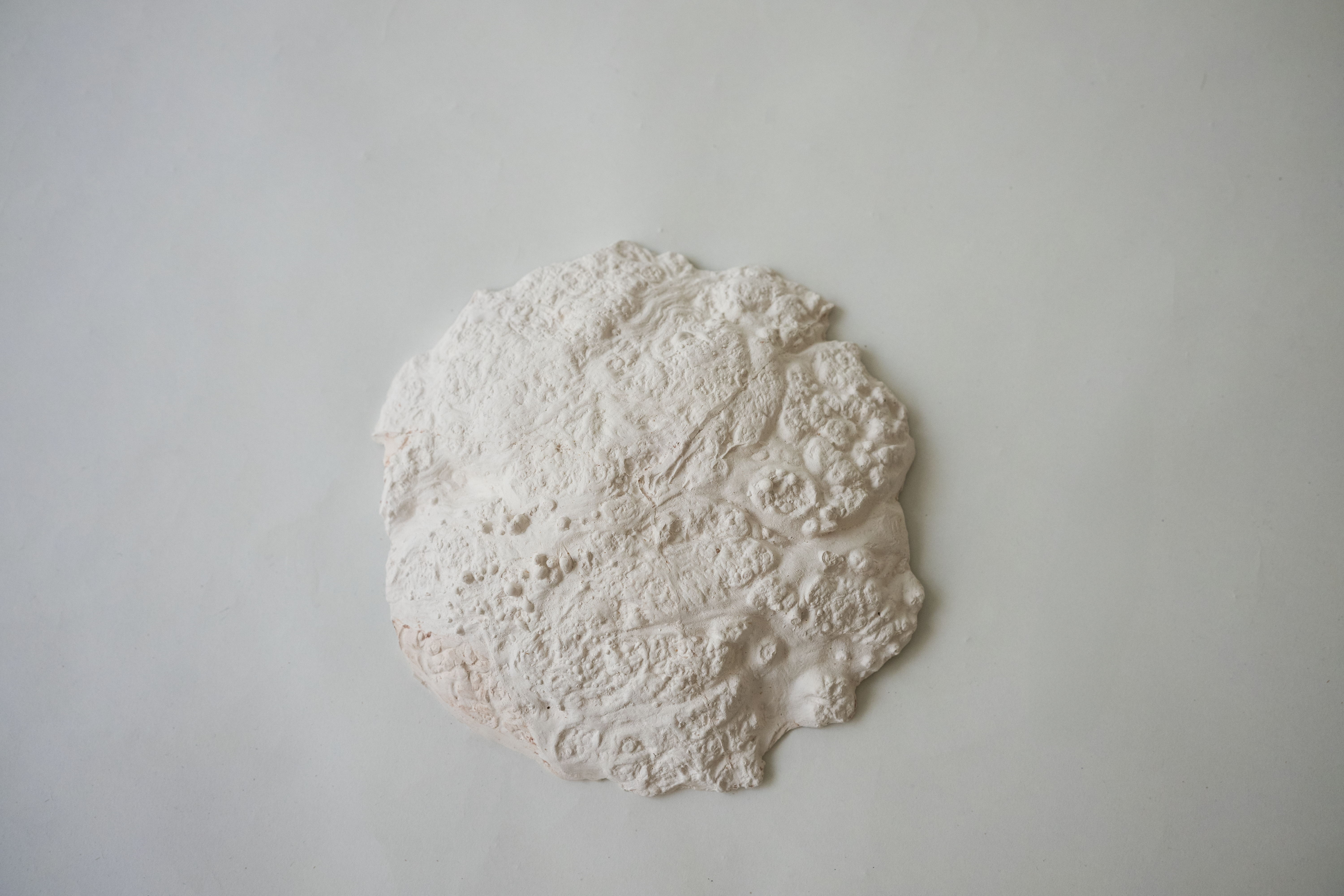
This exploration was my first attempt in mold-making outside and I molded many things to refine my process. I was most drawn to the patterns of wood burls on driftwood, further eroded by the ocean. I molded them in alginate and cast them in plaster. After more iterations of molds and casts, I ended up with this ceramic burl bowl.
Whytecliff Park 49°22’20.3″N 123°17’28.2″W
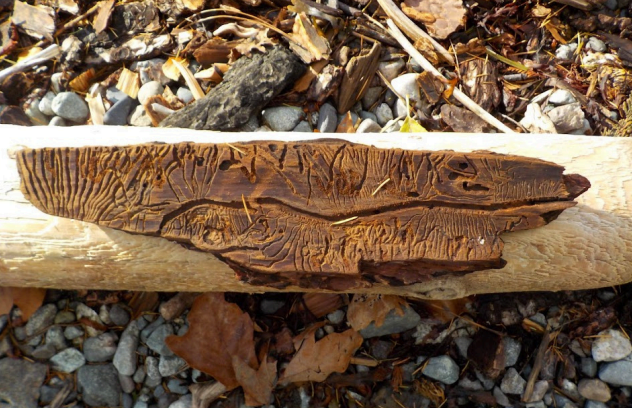
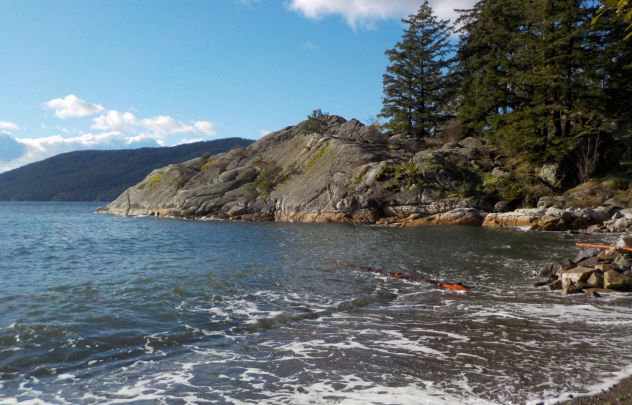
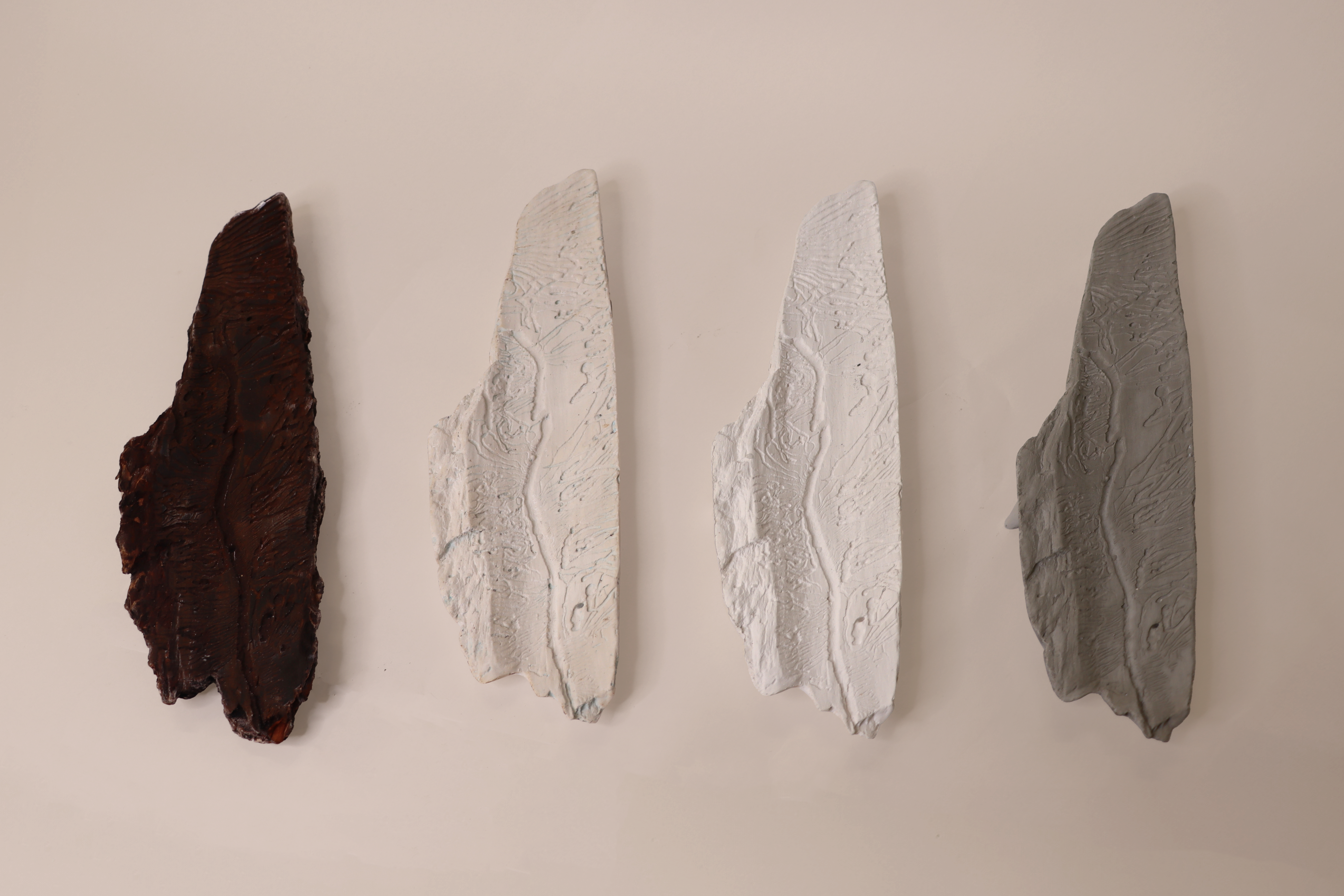
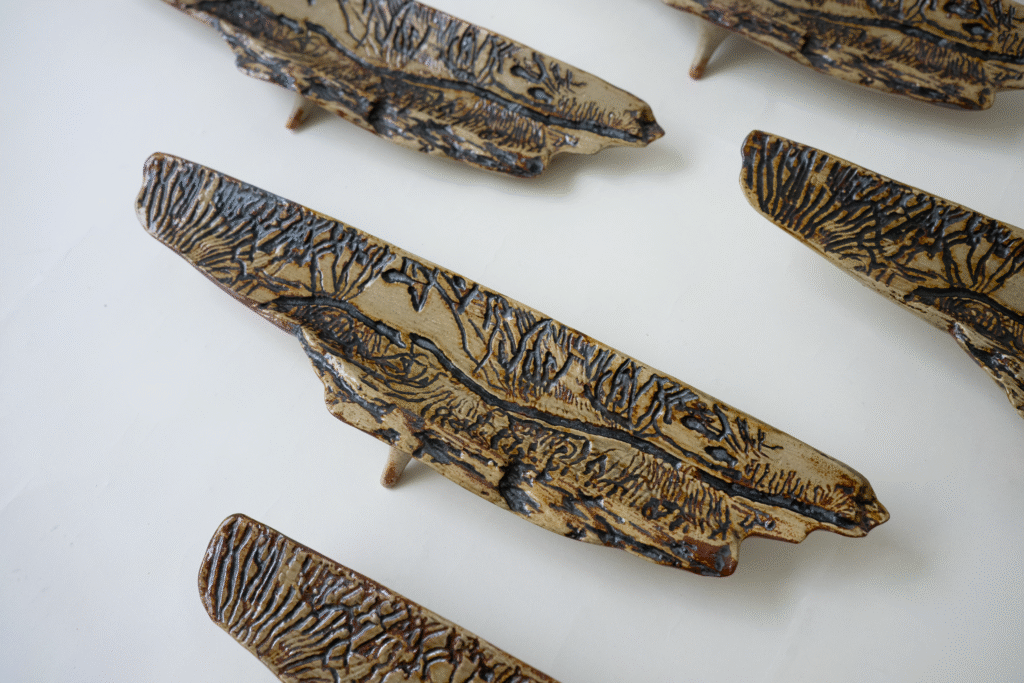
Here I discovered a piece of driftwood eaten by shipworms. Shipworms are tiny mollusks that leave behind tunnel-like pathways. Each groove is a place that they have been. I sculpted the form into a platter and did iterations of this form in plaster, concrete, and finally ceramic. The final shipworm platter has red iron oxide in the grooves and a celadon glaze, and fired to cone 10.
Porteau Cove 49°32’52.4″N 123°14’40.2″W
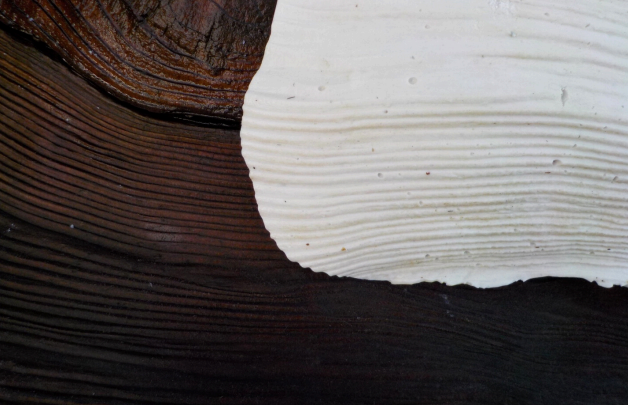
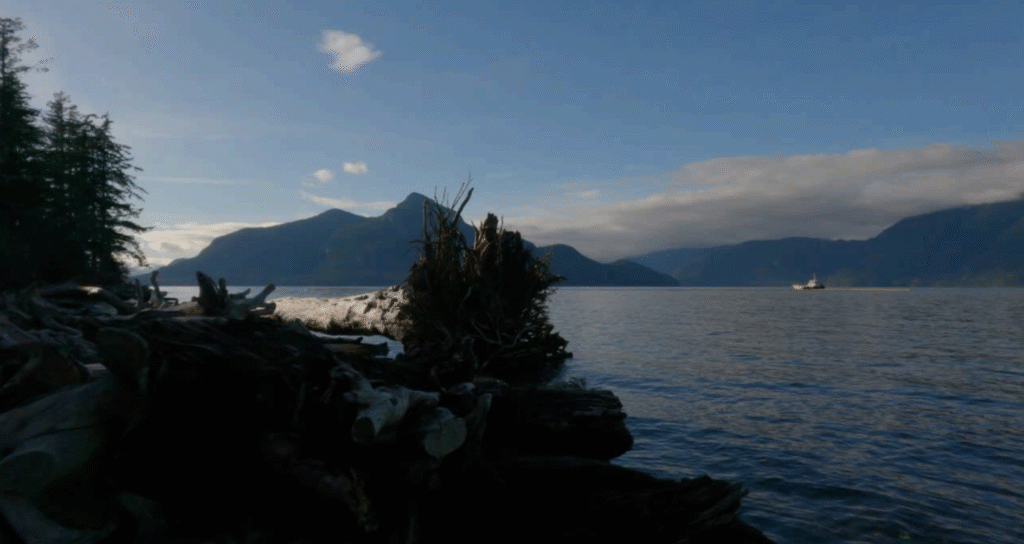
This is where I refined my mold-making process. I made molds of driftwood and rocks. It was also a lesson in the impermanence of a moment, not long after I was done my mold-making, I sat by the shore and watched the logs I had just cast be washed away by the tide, one by one.
Anmore 49°20’24.7″N 122°52’36.3″W
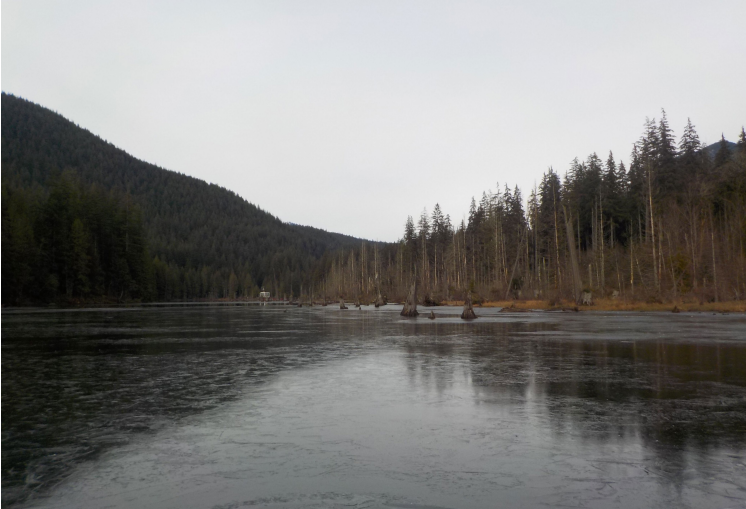
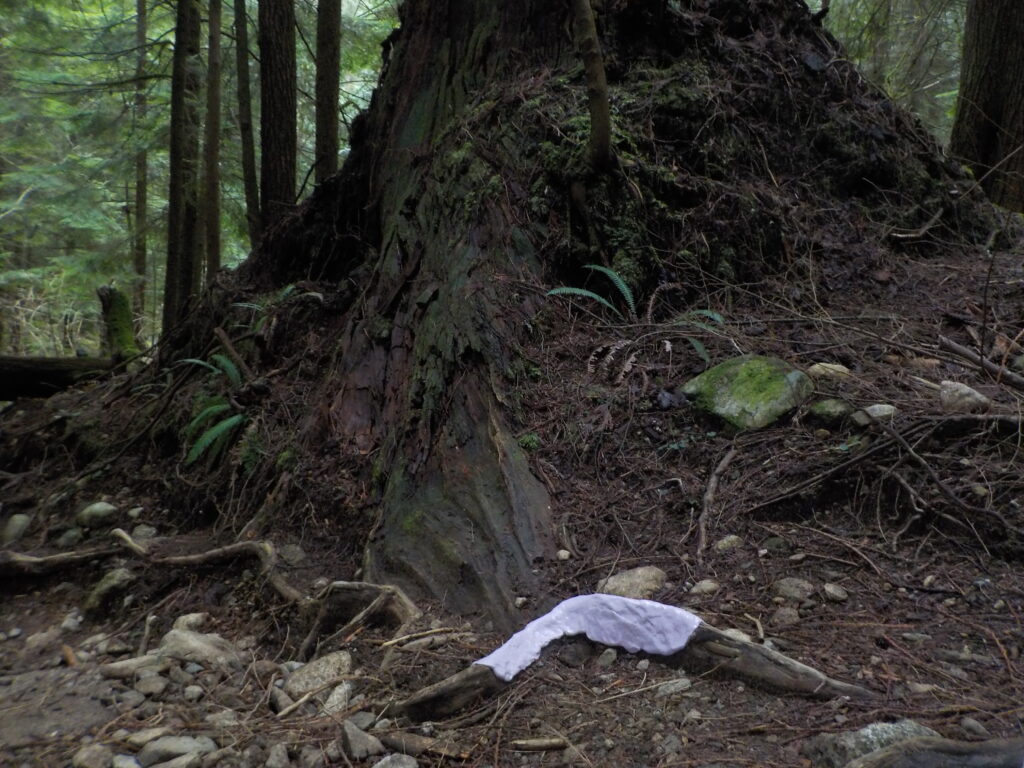
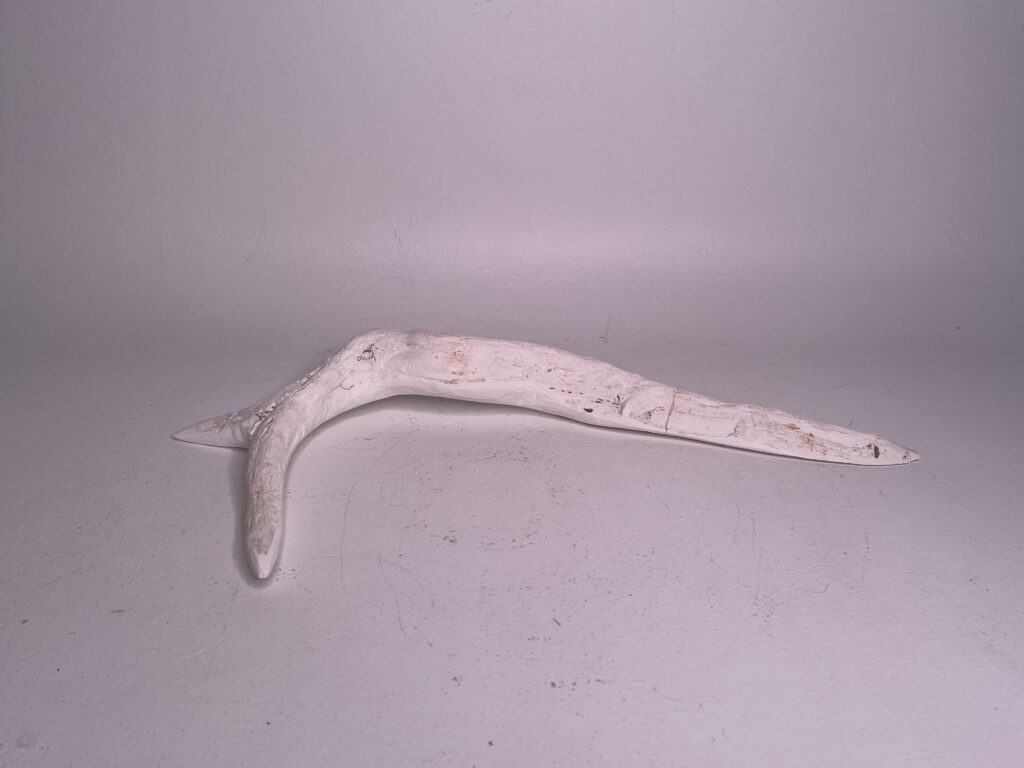
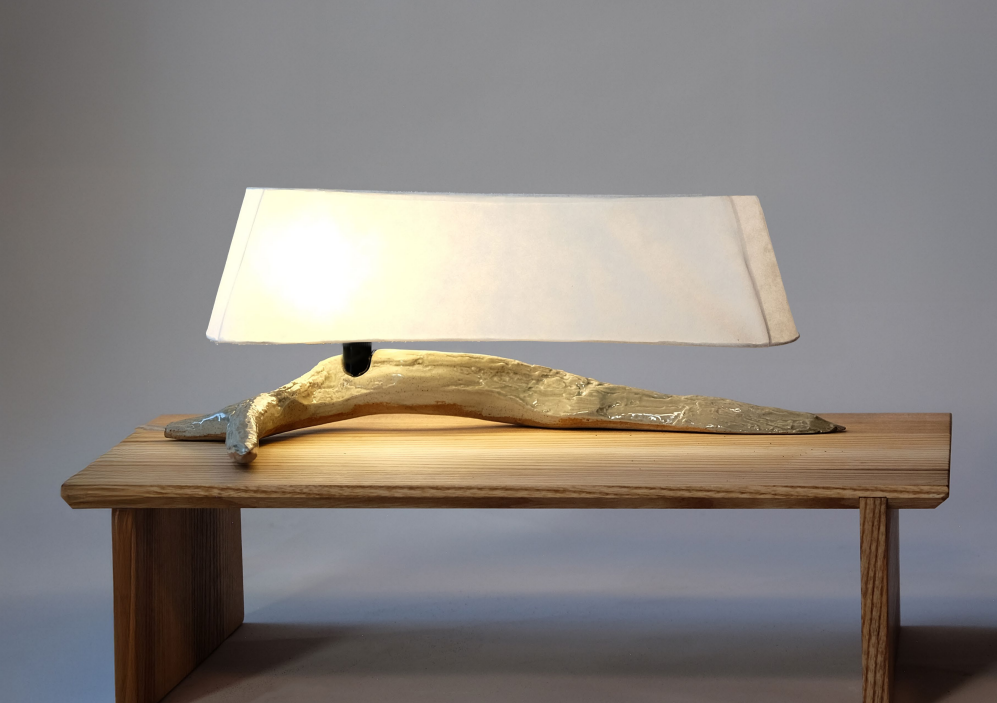
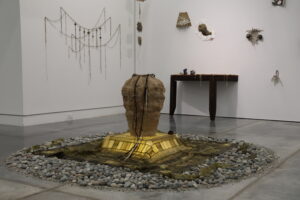
While hiking, I kept noticing exposed tree roots revealed by erosion from hikers. I molded them in silicone, cast them in plaster, and sculpted the form before preparing it for slip casting. I felt a geometric contrast would highlight the texture, so I designed a wire and rice paper lampshade to gently illuminate the root. The root is glazed with celadon.
Bowen Island 49°20’29.0″N 123°25’53.2″W
I was gifted natural clay by Gloria Han. I processed it to use it as a glaze material, and it felt right that the form should also come from Bowen. I was most drawn to the cracked limestone by the ocean, shaped by salt and waves. I made molds of the rock textures and slab-built a series of origami-inspired dishes based on paper prototypes.
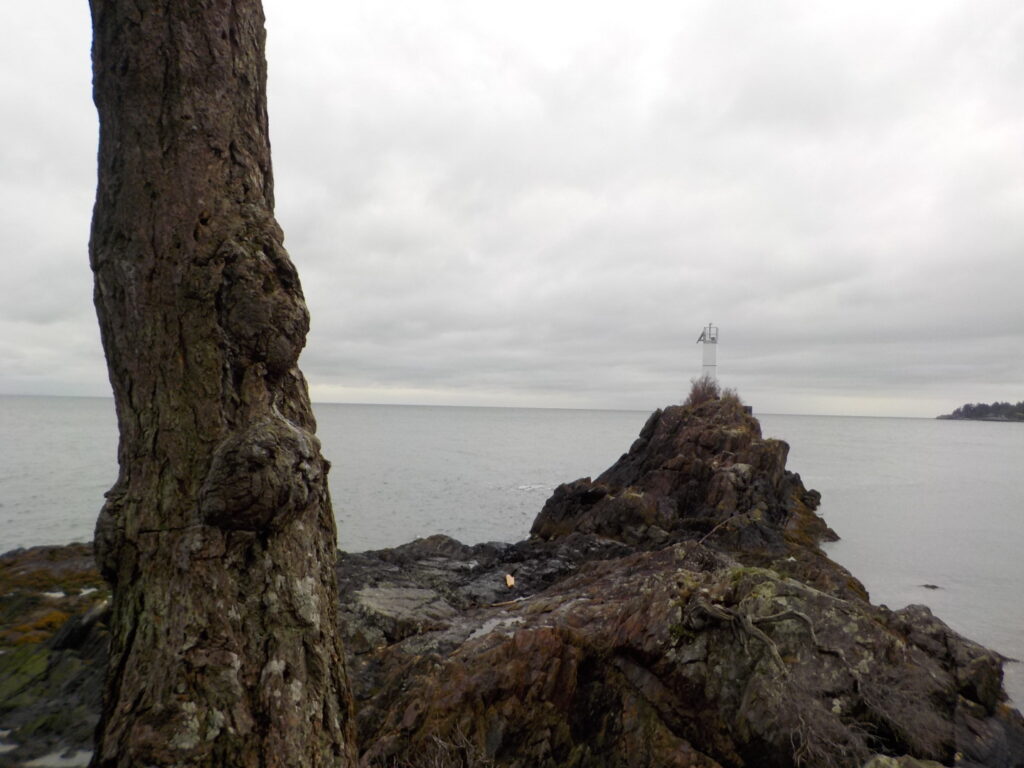
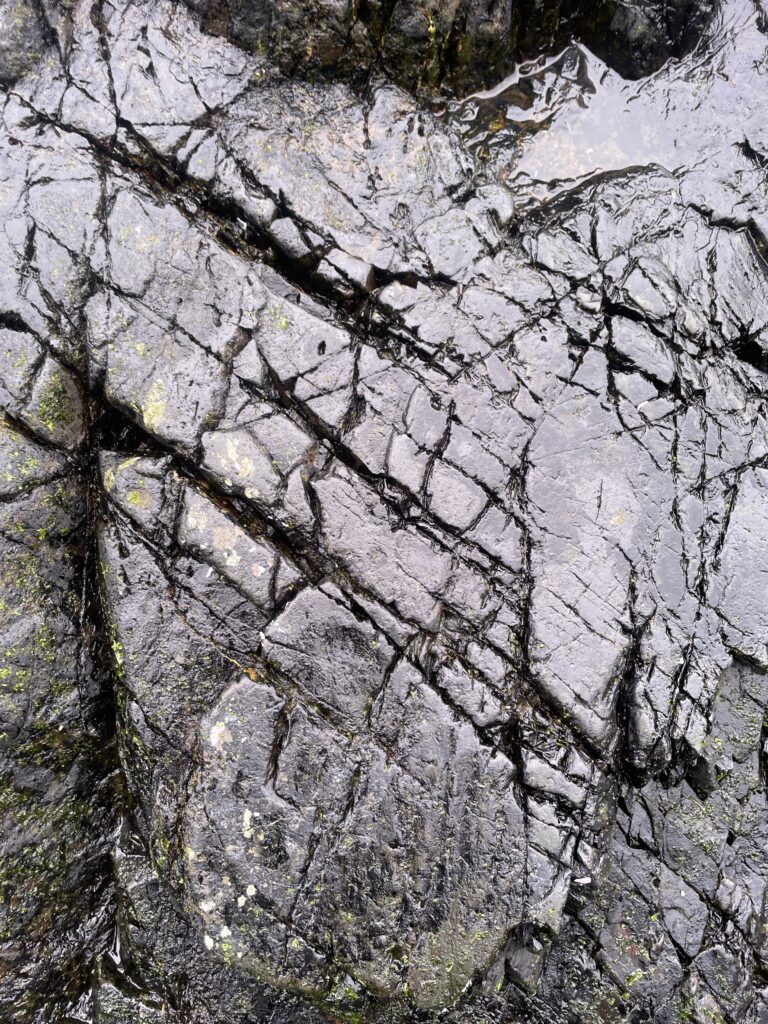
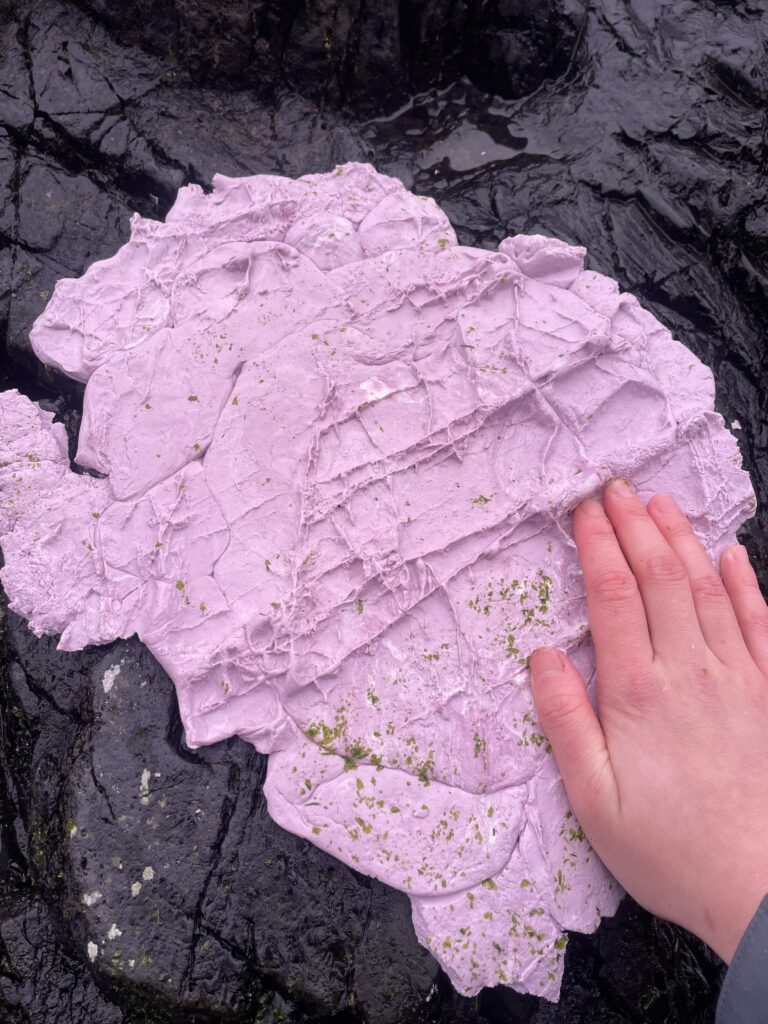
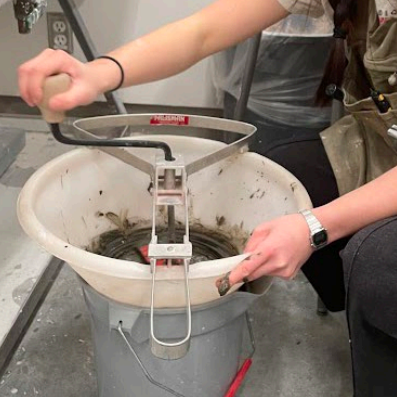
I was gifted natural clay by Gloria Han. I processed it to use it as a glaze material, and it felt right that the form should also come from Bowen. I was most drawn to the cracked limestone by the ocean, shaped by salt and waves. I made molds of the rock textures and slab-built a series of origami-inspired dishes based on paper prototypes.
Lighthouse Park 49°19’49.7″N 123°15’54.2″W
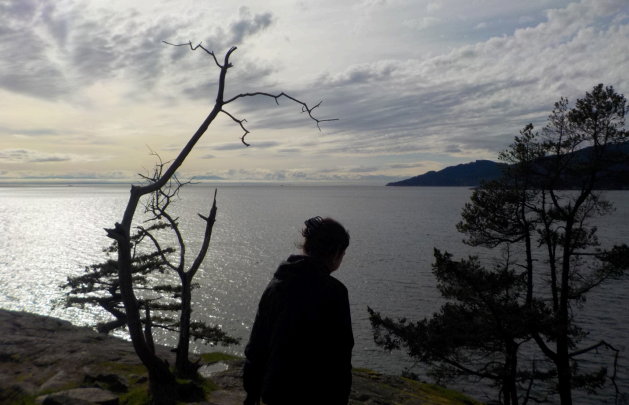
I brought my friend Emelia with me. We explored the forests, cliffs, and beaches together. I shared my process with her, and she shared in the experience of making. Together, we took molds of barnacles, shipworm trails, and rocky textures that we plan to cast in metal. This exploration was meaningful to me—not only because of what we made, but because I could open up my practice and share the experience with someone else.
Commitment to Sustainability
My commitment to sustainability is not simply about minimizing harm. It is about rebuilding relationship. Sustainability, for me, must move beyond a technical solution to crisis. It should be a return to connection: a design practice rooted in care, reciprocity, and emotional resonance. When we feel deeply, we act differently. This is the kind of future I want my work to move toward, one where respect is the foundation of creation.
Takeaways
In the end, Of Earth is not about recreating nature, but about co-creating with it.
Each piece is shaped by a moment, a place, and a conversation between the Earth and myself.
It is my hope that through these objects, others can feel the same connection, care, and reverence for the land that shaped them.
Thank you for taking the time to engage with this work.