Concerto in F minor
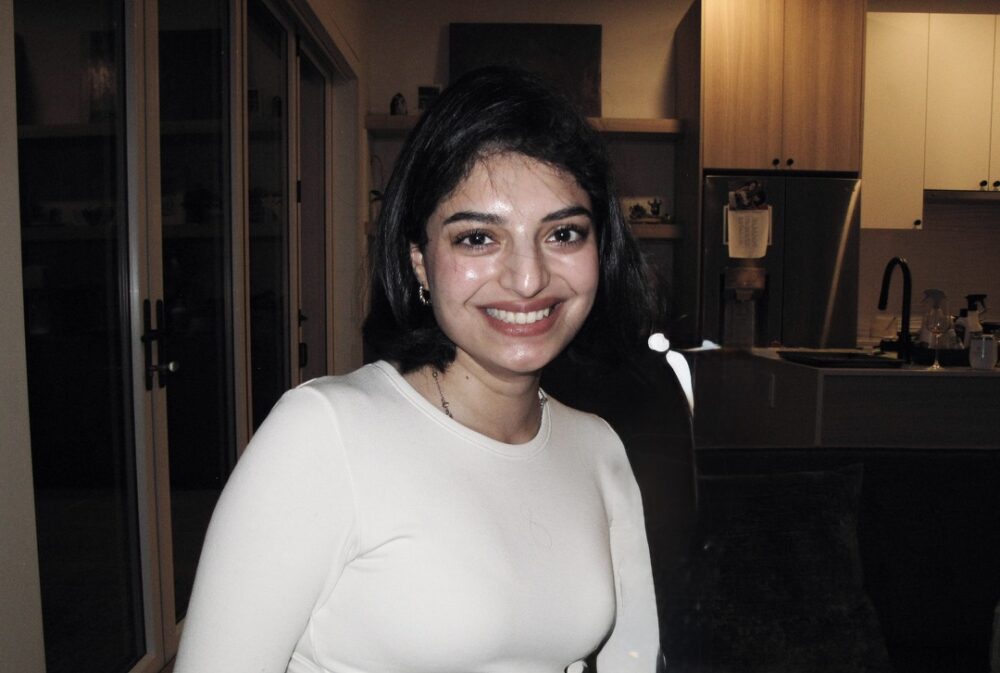
Eknoor Matharoo
See it On Campus: Level 2
Wall space infront of the Aborginal Gathering Place.
Visitor InfoConcerto in F minor: Resonance in Birchwood.
Antonio Vivaldi — Concerto in F Minor, RV 297 “L’Inverno” (Winter)
from Le Quattro Stagioni (The Four Seasons), Op. 8, No. 4
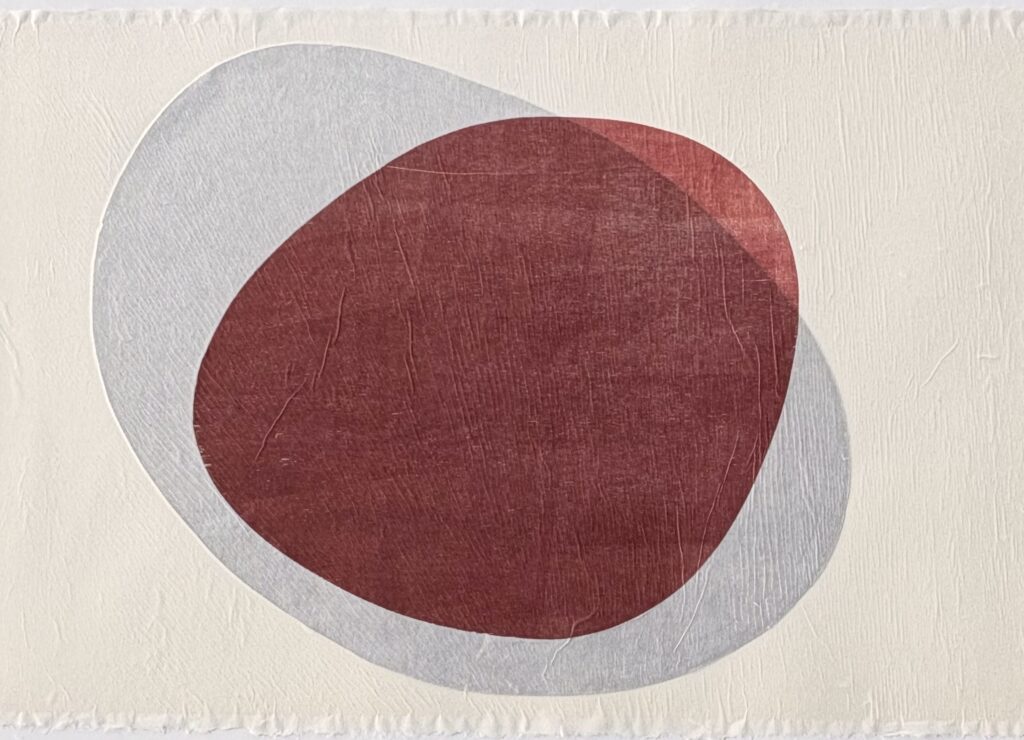
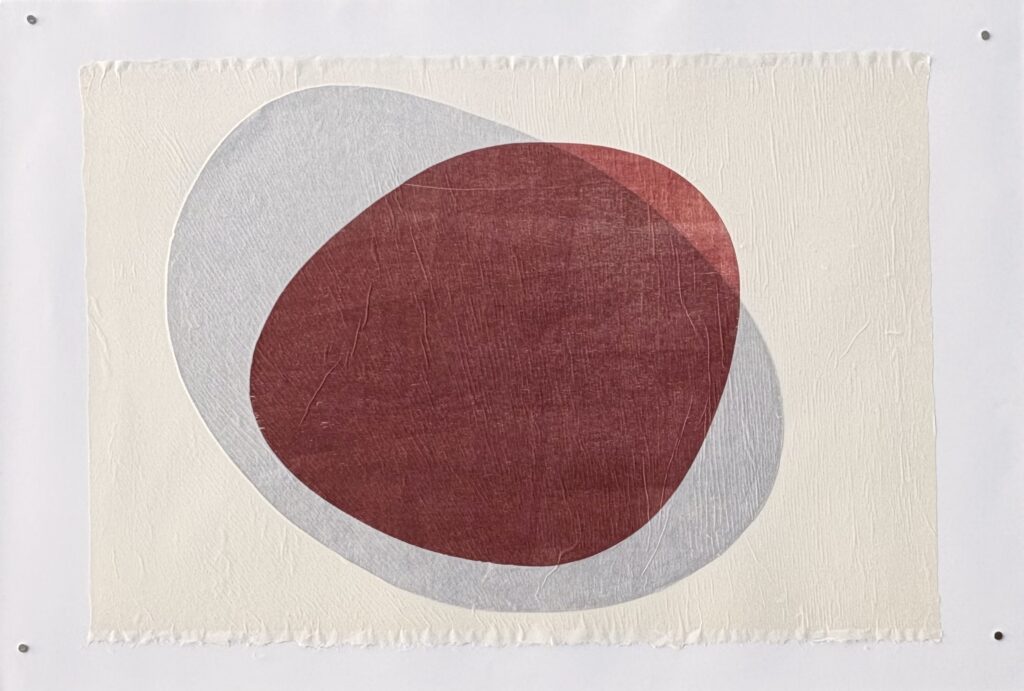
Concerto in F minor (2025)
30″ x 44″ | relief woodblock and chine collé
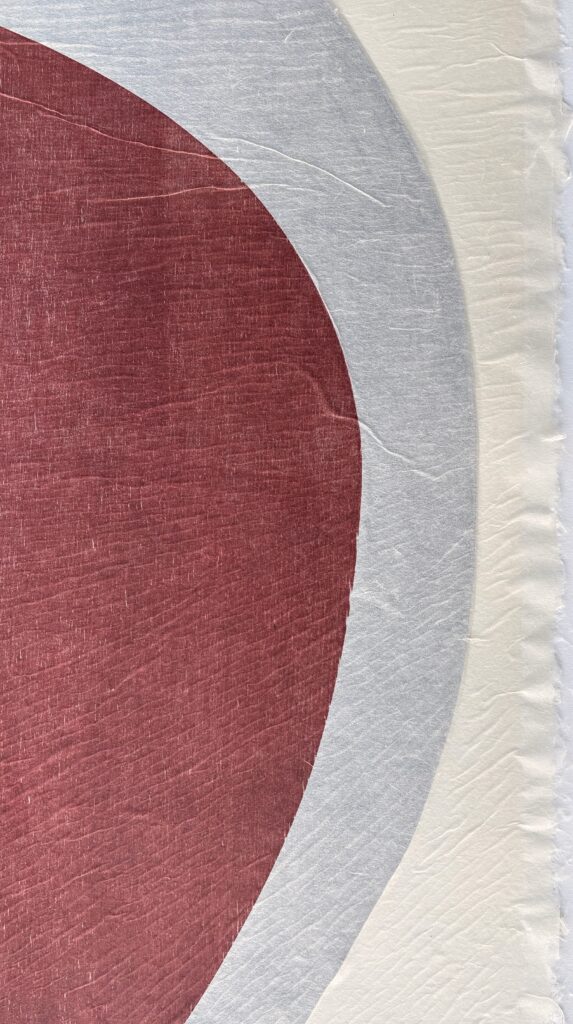
Vivaldi’s Winter concerto, the final piece of his Four Seasons cycle, has always struck me as a masterclass in musical storytelling. With its virtuosic flourishes, the solo violin doesn’t simply embellish the composition — it breathes life into the season’s grey mood. Composed in F minor, Winter feels to me like the most brooding and emotionally charged of the four, capturing the paradoxical tenderness of unexpected warmth. As I began creating this print, I found myself grappling with these same opposing forces — seeking a way to hold stillness and emotional turbulence together within a single visual.
Listening to Winter, I became fixated on the solo violin — how it weaves a delicate, almost trembling melody over a dark, chromatic bass line. Translating such ephemeral sensations into print proved harder than I anticipated. Early attempts felt too literal, too heavy-handed. I realized I needed to shift my approach to allow the materials to lead the way and trust the process more than my original vision.
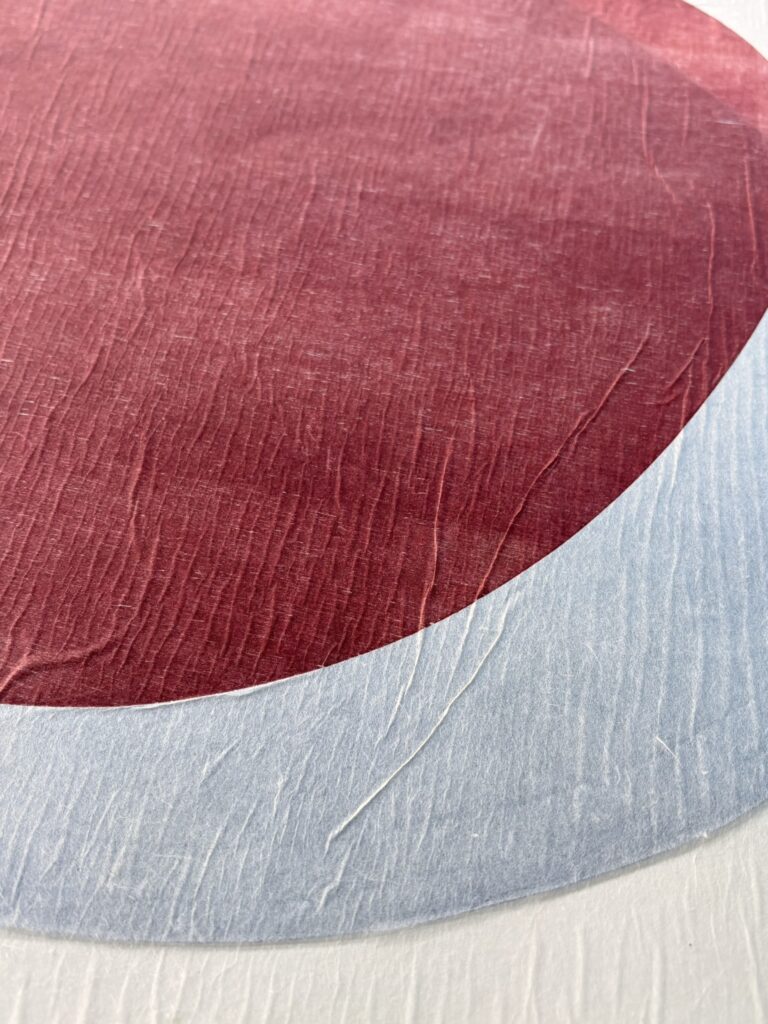
Choosing birch wood for my blocks was one of the first intuitive decisions I made. I had worked with birch before and knew how its grain could suggest a kind of organic movement, a silent music of its own. Layering one impression over another became a way of building resonance, much like Vivaldi layering textures of sound. With each pass through the press, I watched the image evolve — not in the clean, controlled way I had planned, but in a more fragmented, living way that felt closer to the spirit of the concerto.
As I carved and printed, the birch grain began to resemble, to my eyes, a sort of silent musical notation. Each streak and imperfection felt like a phrase. Working with chine collé further deepened the surface, allowing translucent layers of paper to catch faint traces of ink, mimicking the fleeting, fragile textures of winter itself. This technique taught me to think differently about layering — not just visually, but emotionally, allowing thin veils of meaning to build upon one another without forcing clarity too soon.
I began to understand that both the music and the print demanded patience, vulnerability, and a deep attention to nuance. It wasn’t about capturing everything — it was about honoring the spaces in between, the silences, the unseen currents beneath the surface.
In the end, I wanted the print to feel like time had momentarily suspended, much the way Winter does — as if the viewer is overhearing something from a world just slightly out of reach. Just as Vivaldi’s concerto is illuminated by the verses of his sonnets, I felt that my print needed the music to fully exist; one art form became the echo of the other.
It was the birch, ultimately, that became my greatest teacher in this process. Its austere elegance lent a lyrical purity and depth to the work, reminding me that sometimes the most profound richness comes from restraint, from sensitivity rather than force. This print is a quiet but insistent homage to the deep emotional landscapes we find when the world slows down, when everything extraneous falls away, and we are left listening to the essential.
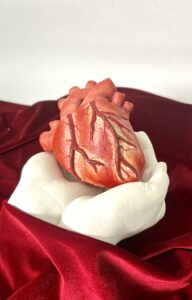
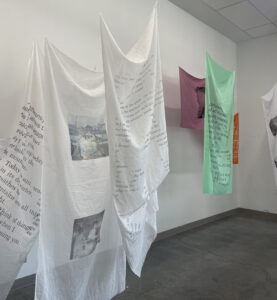
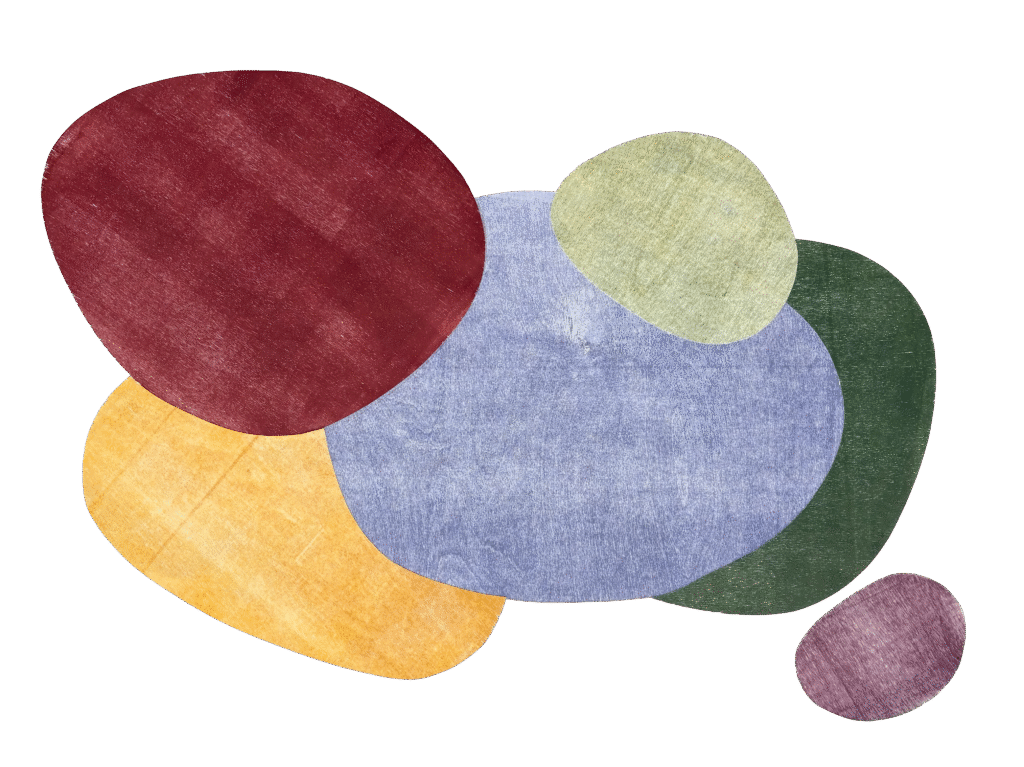
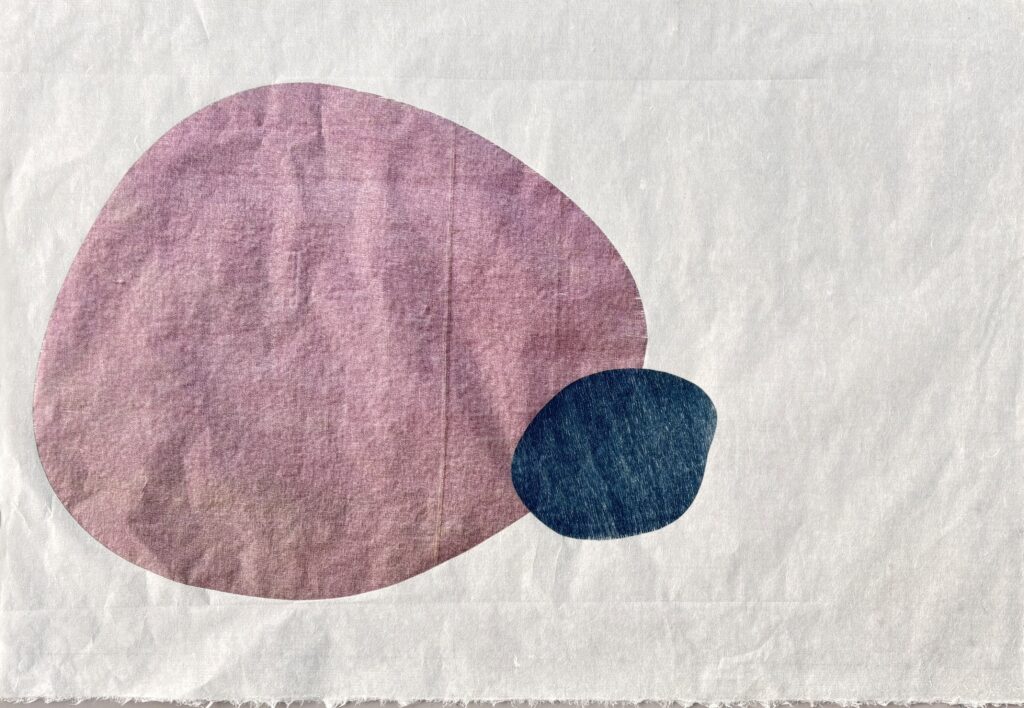
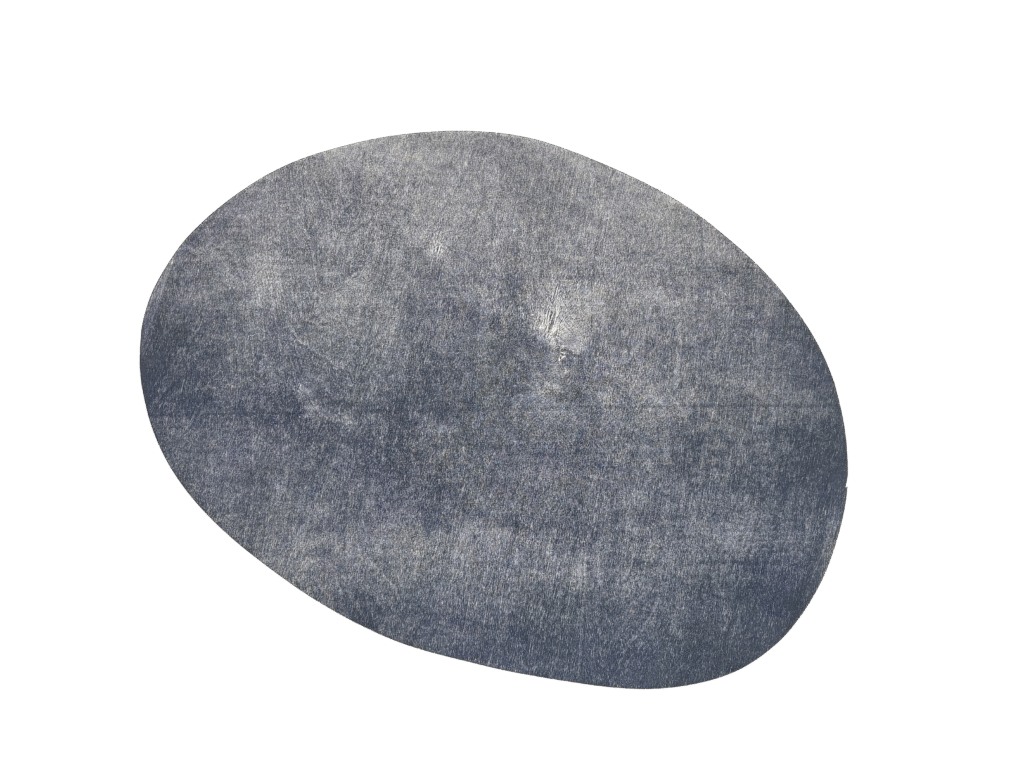
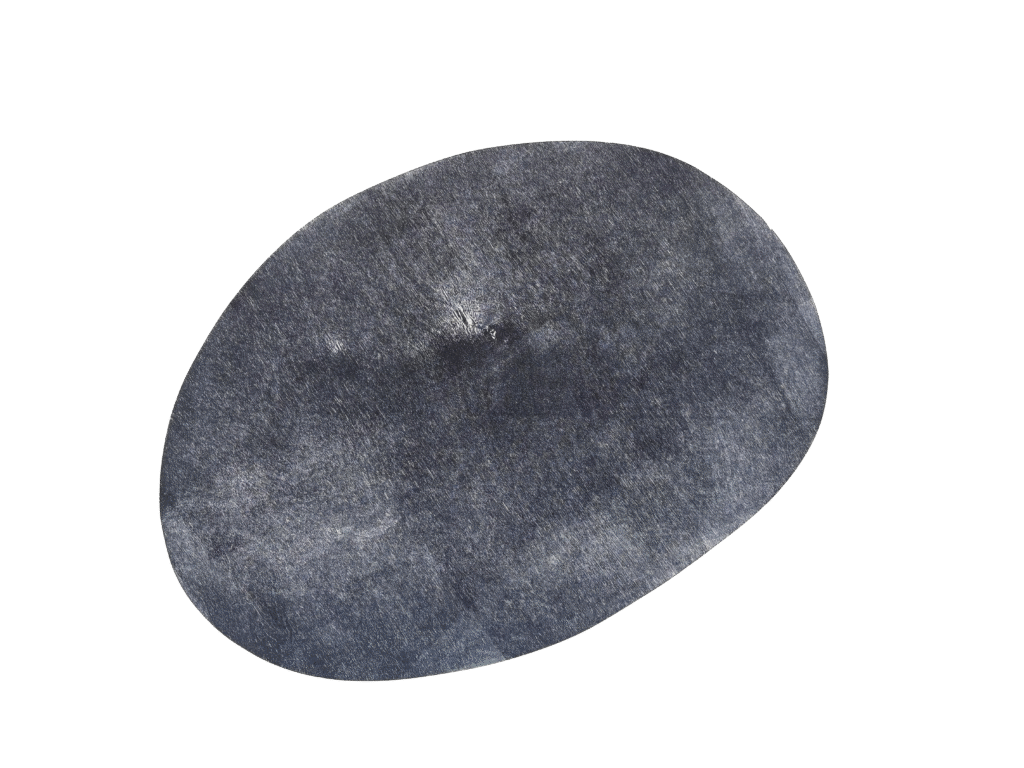
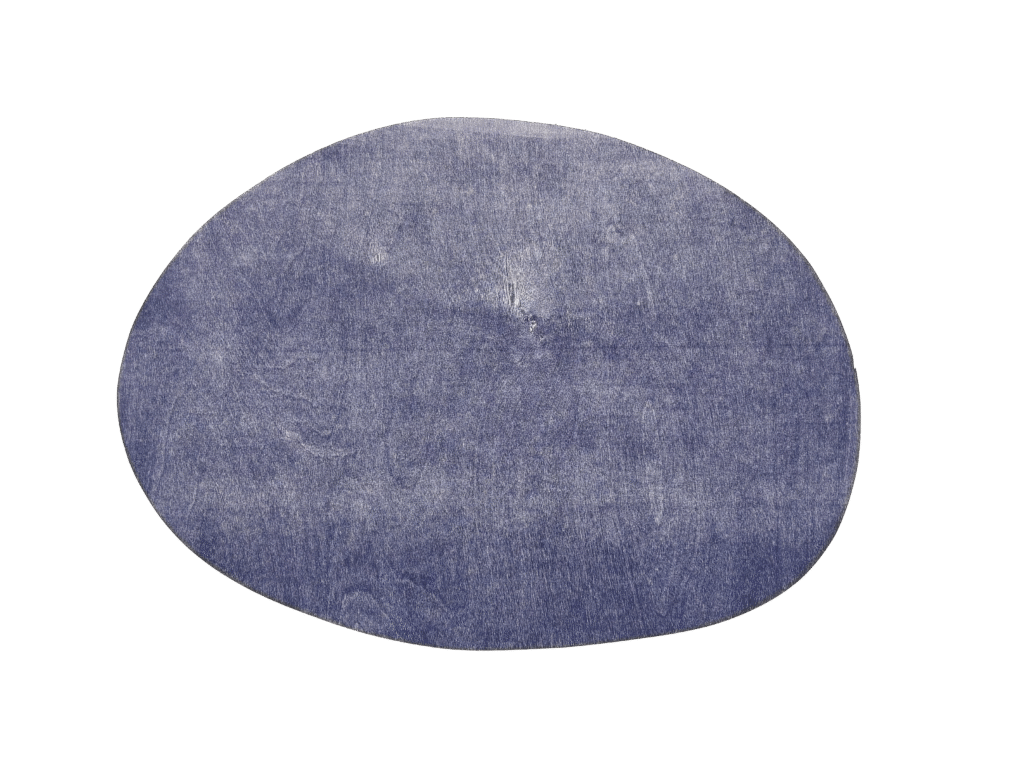
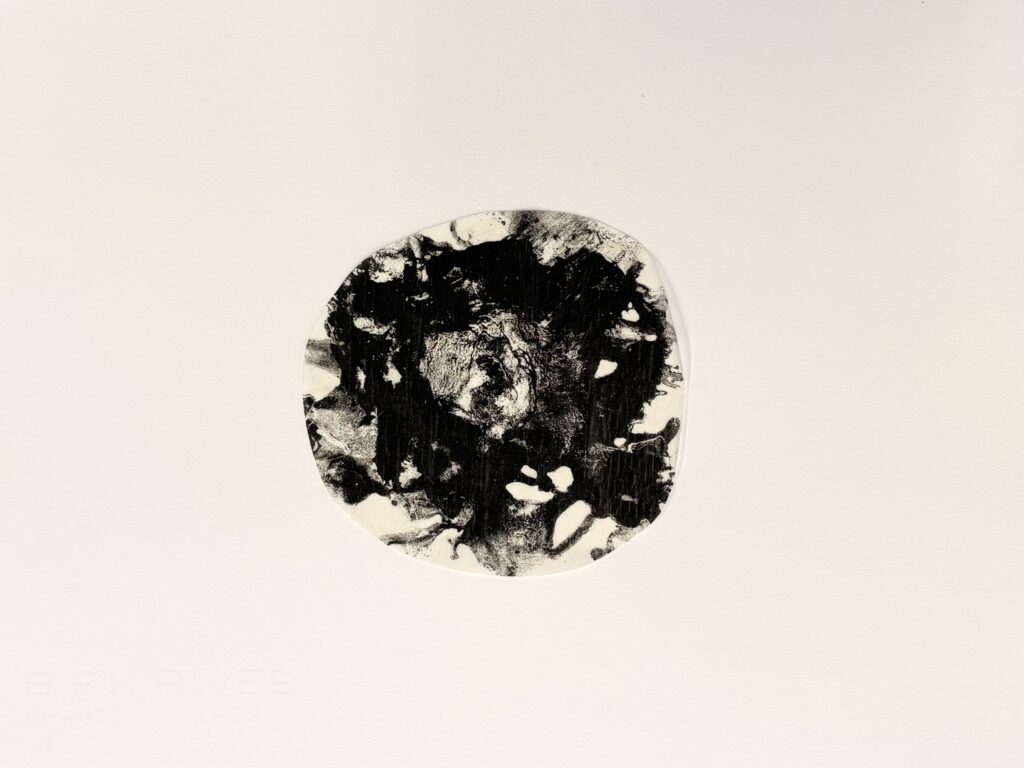
More woodblocks by the artist that are in conversation with Concerto in F minor :
artist statement