Most Life Thrives Near the Surface
David Macgillivray
See it On Campus: Level 2
Located in The Libby Leshgold Gallery
Visitor Info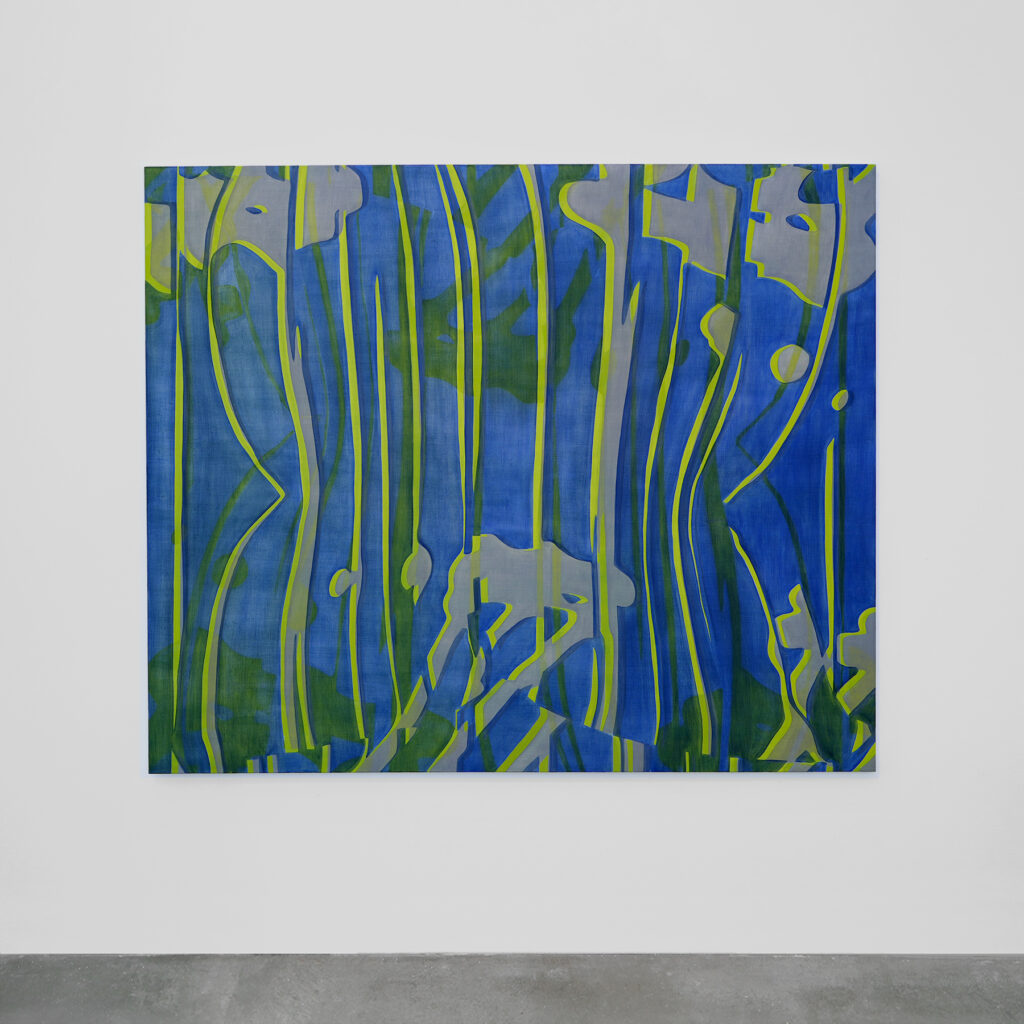
Painting forces me to slow down. It’s a tactile and malleable medium that tunes me into physicality and concentration. Material exploration is at the top of my practice. Some of my works begin as drawings, photos, or collages that I translate into paintings. While I often start with a plan, I usually deviate from it, ultimately discovering new approaches that shape the final picture.
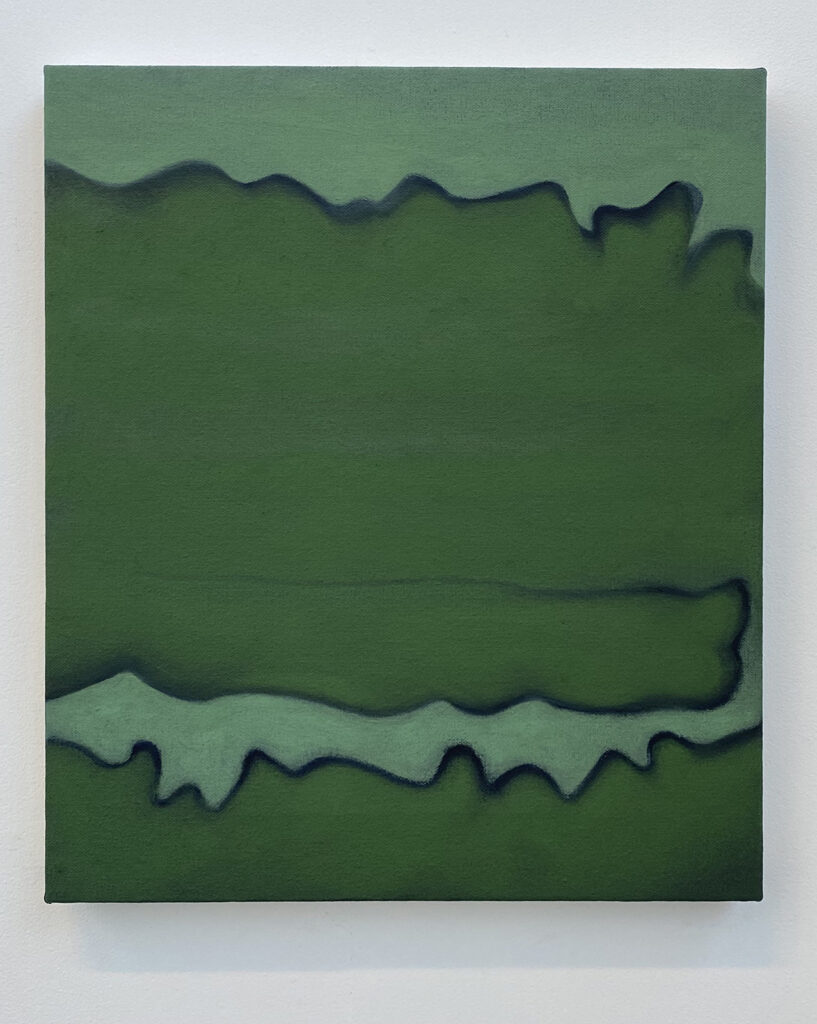
Into Room-like Purple, 2025, oil on canvas, 14 x 12 in. (36 x 31 cm)
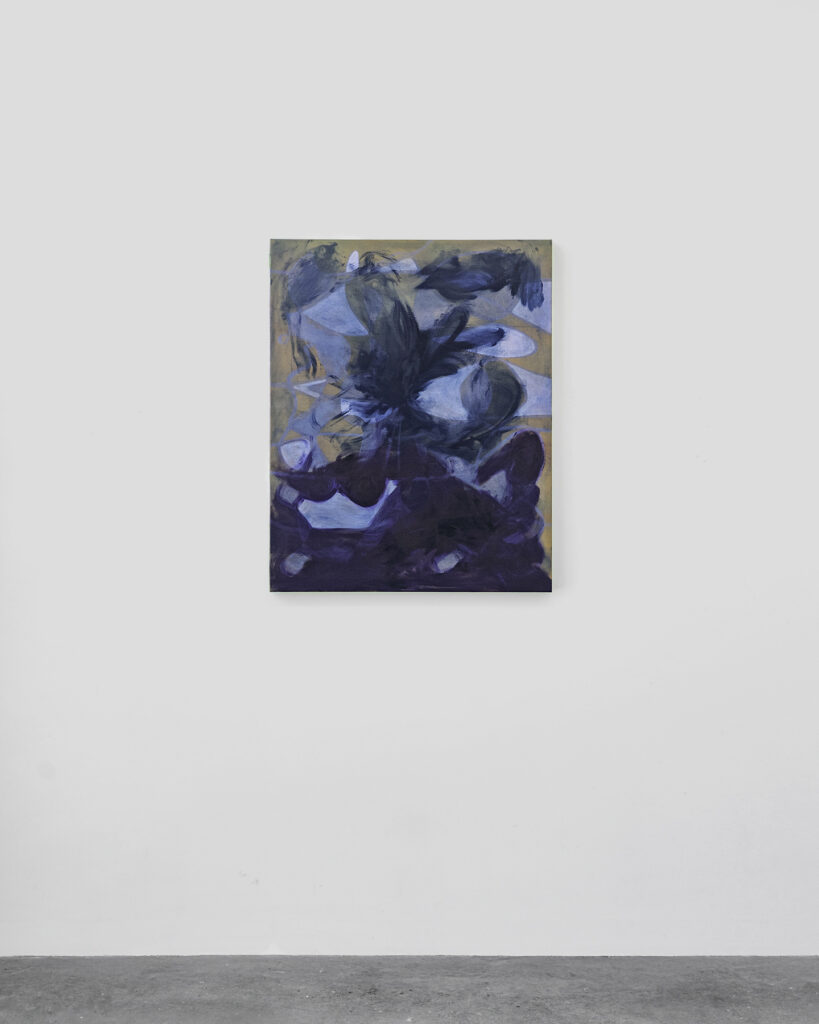
I’m drawing from traditions in abstraction; looking at photography, cinema, historical and contemporary painting. I see the canvas as a surface where histories and influences meet. A painting holds onto its history of decisions, revisions, palimpsests, mistakes.
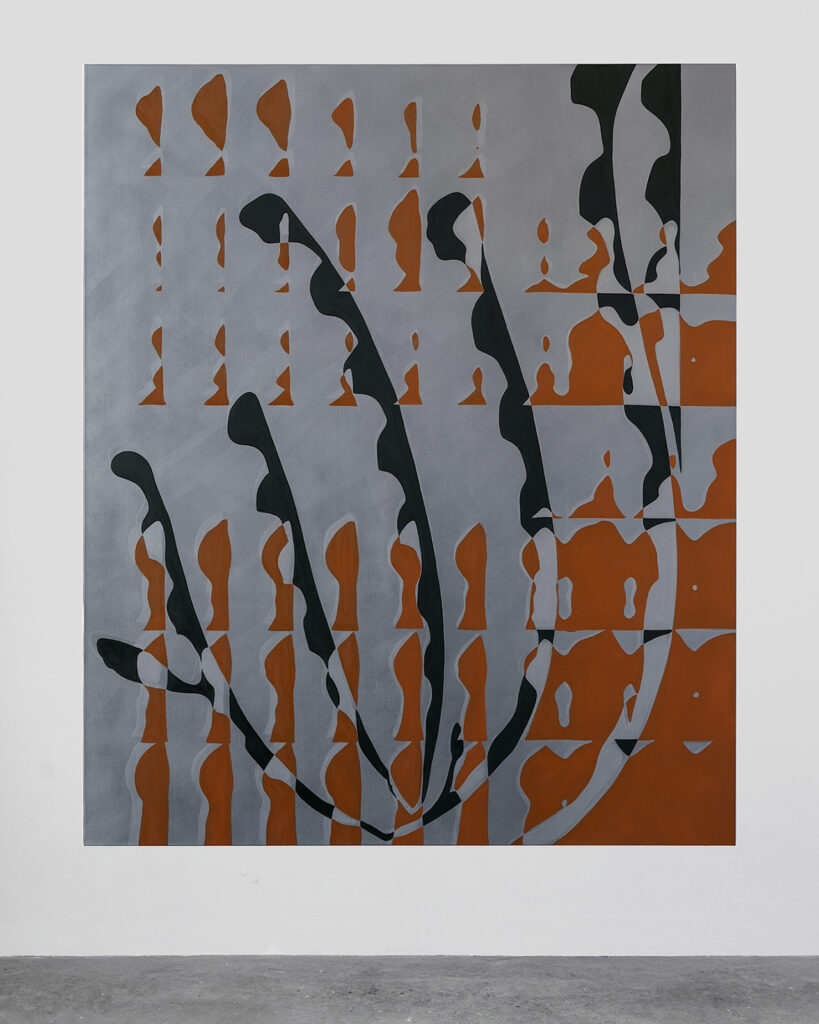
The digital era is accelerating information and consumption. It promotes clarity, legibility, and branding; our experiences set to fast and frictionless. Painting, by contrast, asks for slow looking and sustained attention. It offers a temporal resistance. It can be contradictory and opaque. It can challenge us with uncertainty and reflection. Painting insists on materiality in an increasingly immaterial world; foregrounding texture, imperfection, and physical labour. This tangible presence confronts the digital tendency toward seamless interactions.
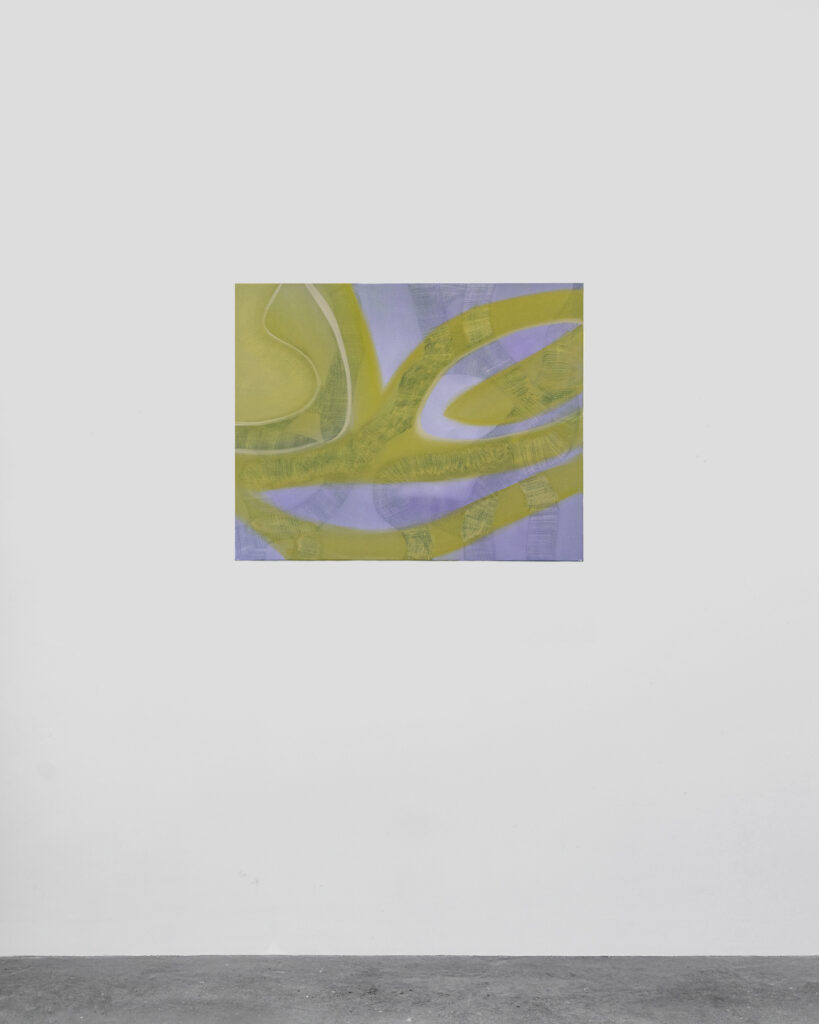
Honey Bee, 2025, oil on canvas, 35 x 28 in. (89 x 71 cm)
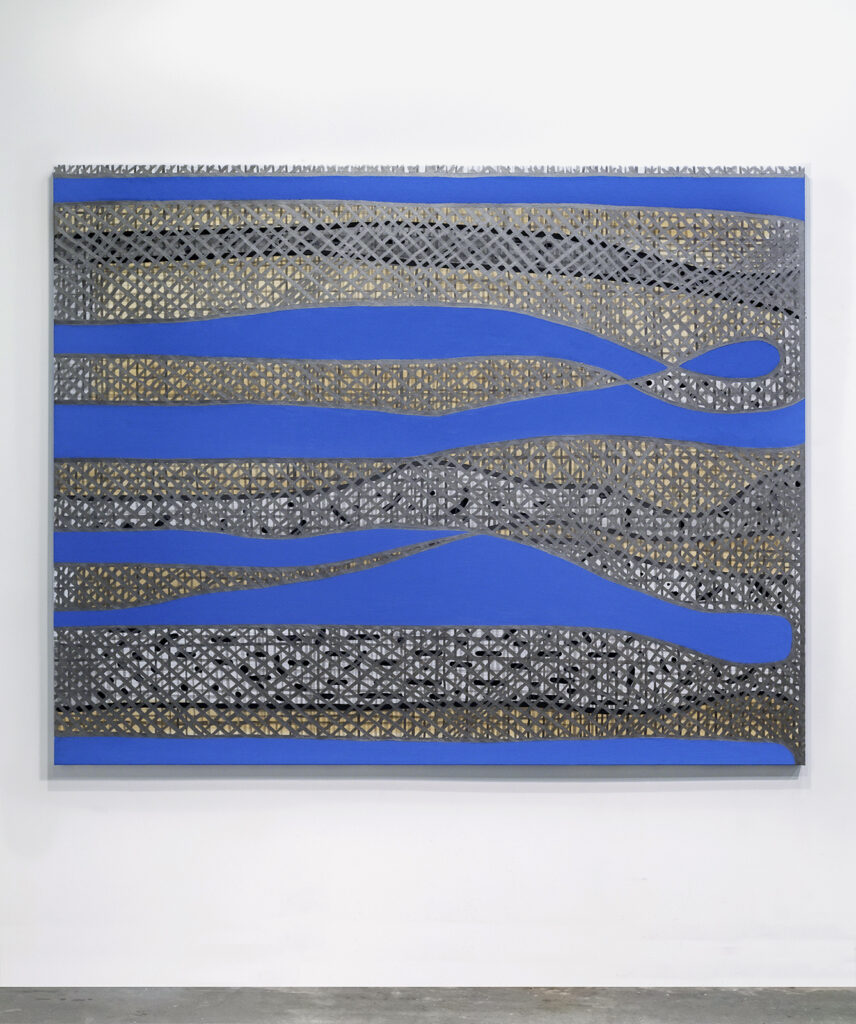
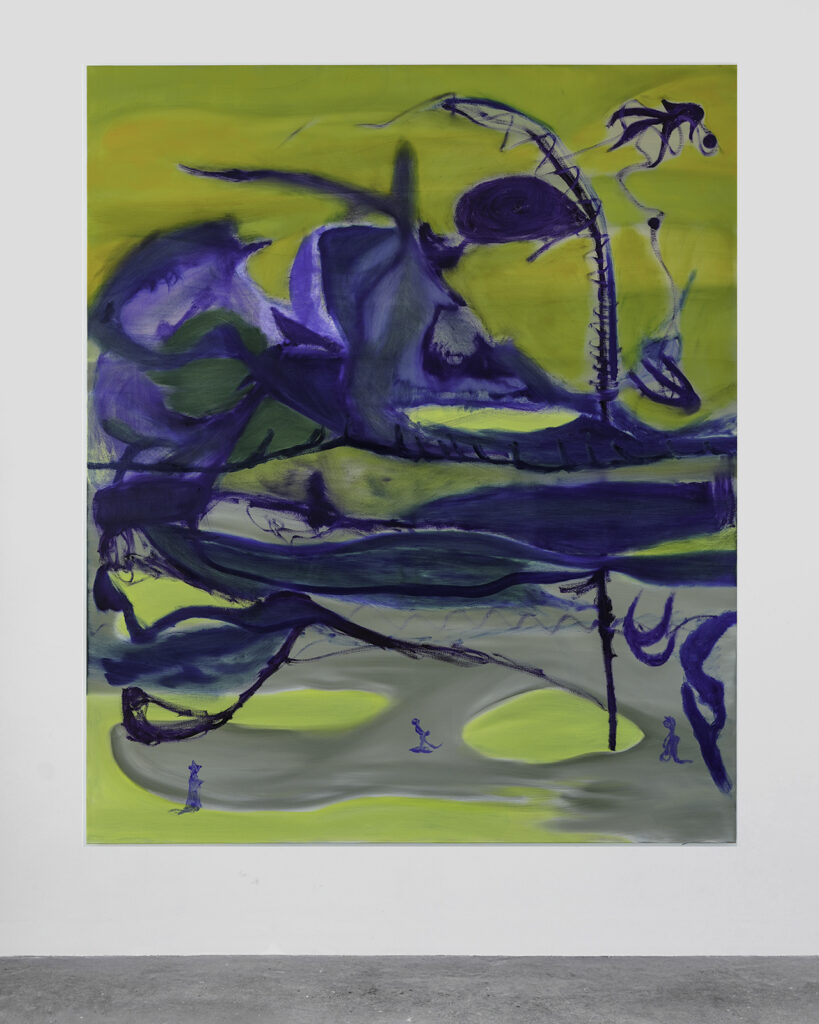
Listening for the Language of Gusts, 2025, oil on canvas, 78 x 65 in. (198 x 165 cm)
I’m drawn to processes where meaning emerges through gesture and experimentation rather than certainty or resolution. This compels me to move beyond passive looking, toward a practice grounded in tactile knowledge and a resistance to immediate legibility.